Media conspiracy theories suggest someone is in control; that dark, all-powerful cabals of men in cultish robes control the world. The truth is no one is in control. What about 57 channels, nothing on!
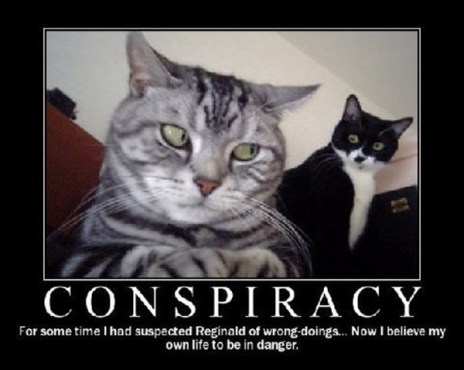
Newspapers, TV and cable, are not a monopoly. A monopoly is a single seller of as product with a legal right to bar new entry. It is an exclusive right to sell something.
At best, newspapers, TV and cable, are a large and unwieldy cartel under pressure from costs and new entry. The Internet makes electronic news competition global.
There are many different Australian news outlets and media types, three national networks, plus many cable news networks and 9 media owners. That is more than enough to destabilise any cartel.
Why is the mass media special? A supply-side model of media ownership suggesting that media outlets weigh the rewards of bias—political influence or personal pleasure—against the cost of bias—lost circulation from providing faulty news.
The mass media is a big business, and they increase readership and revenue by presenting factual and informative news.

The most likely to turn-off are women, and women vote to the Left more often than do men. The media is perhaps pandering to this centre-left marginal buyer.
A news cartel is like any other cartel. All cartels break-down and only some get back together.

Cartels contain seeds of their own destruction. Cartel members are reducing their output below their existing potential production capacity, and once the market price increases, each member of the cartel has the capacity to raise output relatively easily.

All cartels must decide how to allocate the reduction of output that follows the price increases across members with different costs structures and spare capacity.:
- The tendency is for cartel members to cheat on their production quotas, increasing supply to meet market demand and lowering their price.
- Most cartel agreements are unstable and at the slightest incentive they will quickly disband, and returning the market to competitive conditions.
One sign of a cartel that was developed by Aaron Director is periods of stable prices, despite cost fluctuations, followed by sudden price changes when the cartel collapses or decide to increase prices.
For a news cartel, this means toeing the line and then periods of truth, and then a sudden return to the party line when the cartel starts-up again.
The exercise of collective market power will not be stable unless sellers agree on prices and production shares; on how to divide the profits; on how to enforce the agreement; on how to deal with cheating; and on how to prevent new entry.

A cartel is in the unenviable position of having to satisfy everyone, for one dissatisfied producer can bring about the feared price competition and the disintegration of the cartel.
Thus a successful cartel must follow a policy of continual compromise. Little wonder that John. S McGee wrote that:
The history of cartels is the history of double crossing
 Utopia, you are standing in it!
Recent Comments