Marianne Bertrand, laureate of the Jean-Jacques Laffont Prize 2019
08 Oct 2026 Leave a comment
in applied price theory, discrimination, econometerics, economic history, economics of education, gender, human capital, labour economics, labour supply, occupational choice, poverty and inequality Tags: gender wage gap
The beauty premium doesn’t seem to extend to billionaires
06 Oct 2026 Leave a comment
in applied price theory, econometerics, economic history, entrepreneurship, human capital, labour economics, labour supply, poverty and inequality Tags: top 1%
There is a broad literature supporting the existence of a ‘beauty premium’ in labour markets – more attractive workers tend to earn more. There are a number of channels proposed to account for this, including confidence, social or communication skills being higher among more attractive workers, attractive workers sorting into occupations that reward attractiveness, and…
The beauty premium doesn’t seem to extend to billionaires
Did the ACA reduce mortality?
05 Oct 2026 Leave a comment
in applied price theory, econometerics, economic history, health economics, politics - USA Tags: health insurance
Many of us brought up related points at the time, but basically we were booed off the reservation: While recent research has provided evidence that the Medicaid expansions of the Affordable Care Act (ACA) reduced mortality, there is no evidence on the effect of the Affordable Care Act (ACA) net of the Medicaid expansions on…
Did the ACA reduce mortality?
New issue of Econ Journal Watch
03 Oct 2026 Leave a comment
in applied price theory, econometerics, economic history, economics of regulation, financial economics, history of economic thought
Volume 23, Issue 2, September 2026 In this issue: “China shock” fragility: According to David Autor, David Dorn, and Gordon Hanson (2013), the “China shock” hit the United States from 1990 to 2007. When corrections by Kirill Borusyak et al. (2022) are fully applied, Joseph Francis argues, the harm of Chinese imports to unemployment, labor force…
New issue of Econ Journal Watch
The Economics of a Shrinking World
27 Sep 2026 Leave a comment
in applied price theory, development economics, econometerics, economic history, human capital, labour economics, labour supply, population economics
From Jesus Fernandez-Villaverde and Patrick Norrick: As of 2026, humanity is likely below replacement fertility. That has never happened before, not in wars or pandemics. But the real surprise is that the fall has been concentrated in low- and middle-income countries and among poorer and less educated women. We fit a single-factor model to 236…
The Economics of a Shrinking World
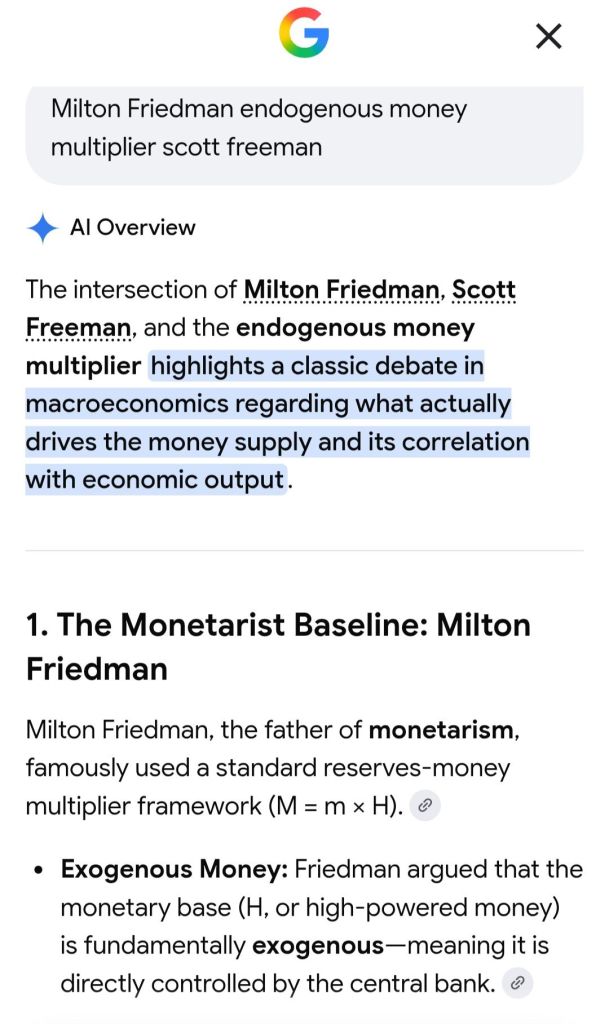
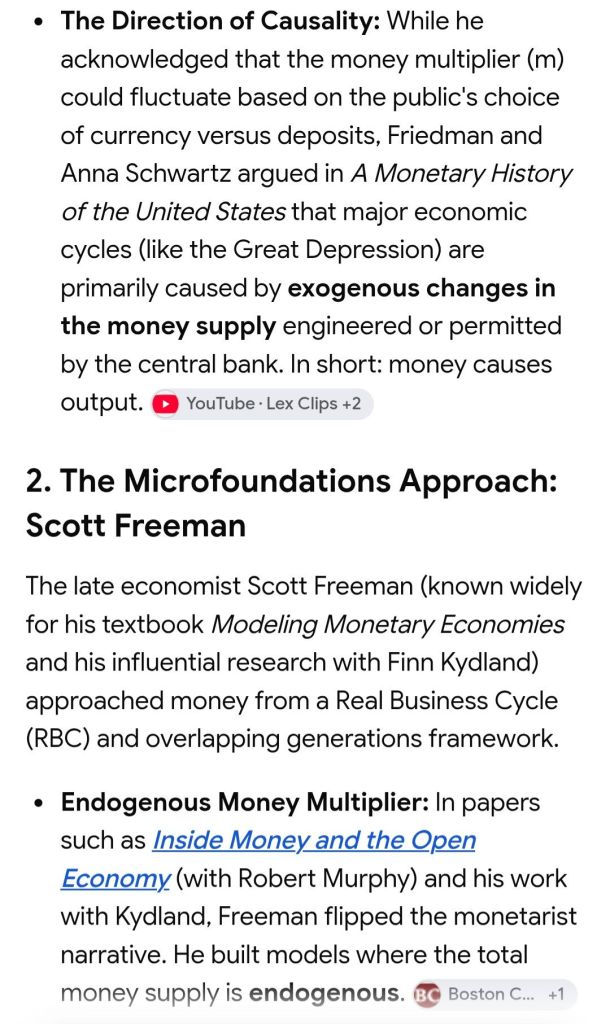
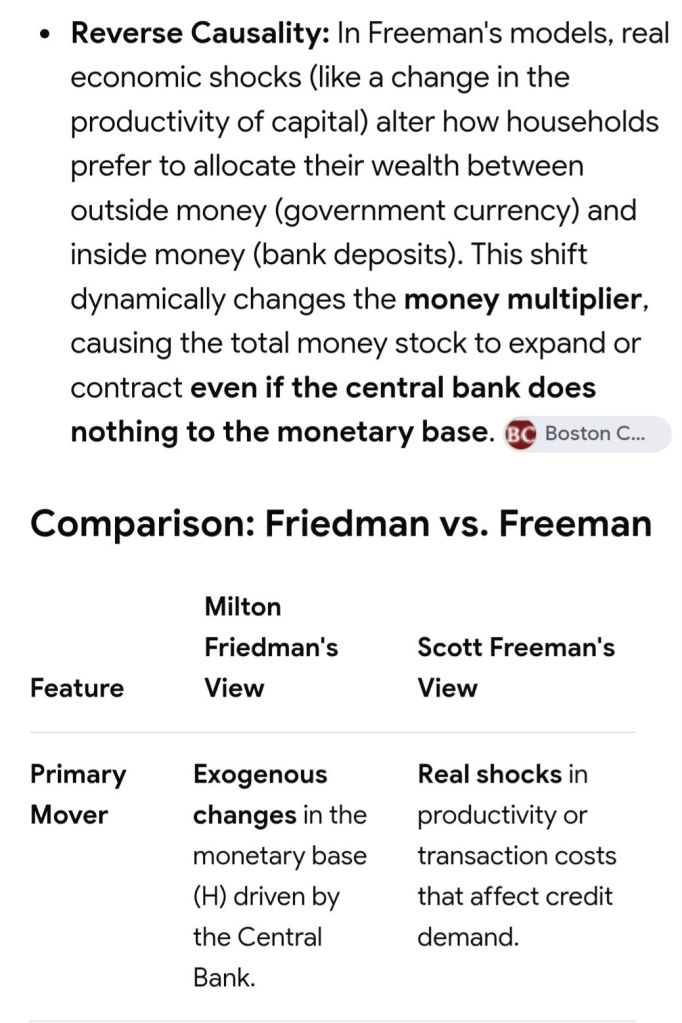
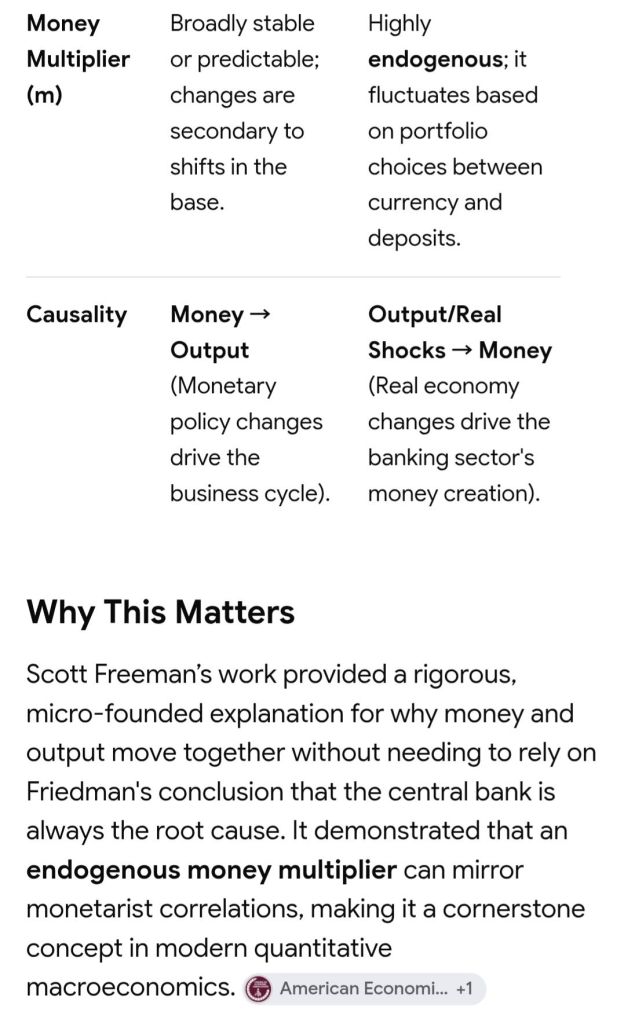
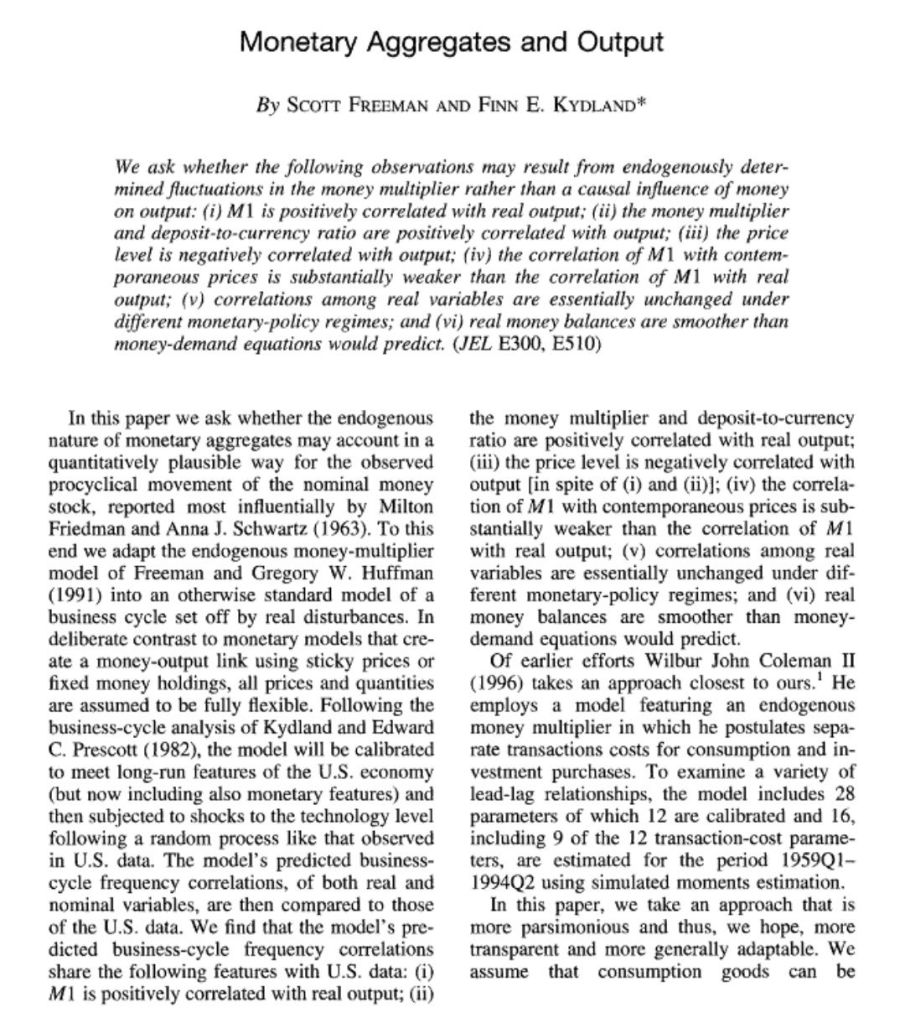
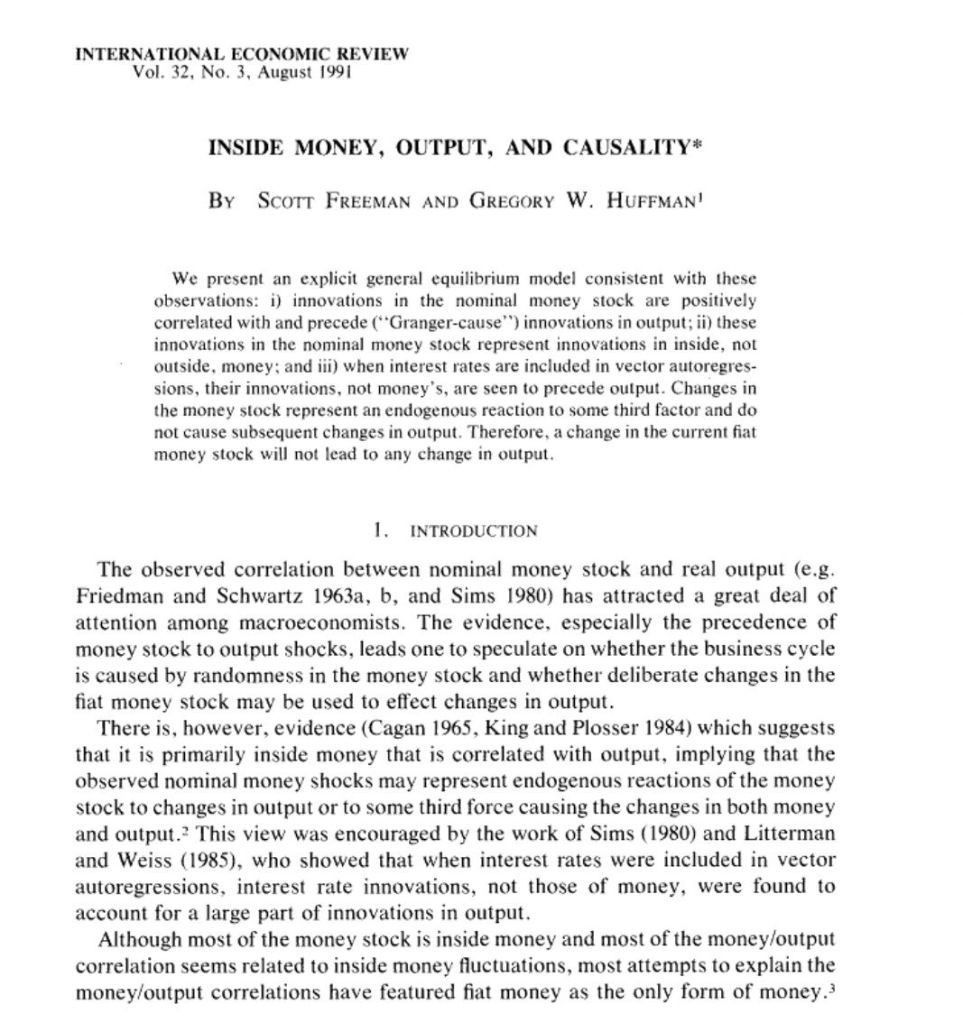
Scott Freeman on the money multiplier
25 Sep 2026 Leave a comment
in applied price theory, business cycles, econometerics, economic history, history of economic thought, macroeconomics, Milton Friedman, monetarism, monetary economics Tags: monetary policy
The Externalities of Airports and Immigrants
24 Sep 2026 Leave a comment
in applied price theory, econometerics, human capital, labour economics, labour supply, transport economics, urban economics Tags: economics of immigration

Are the externalities of airports positive or negative? If you base your answer on NIMBY complaining, the answer is obviously negative. Above all, there’s the noise. The deafening sounds of take-off and landing bedevil everyone who spends time near the airport. On top of that, there’s daily traffic. Not every airport is LAX (in fact,…
The Externalities of Airports and Immigrants
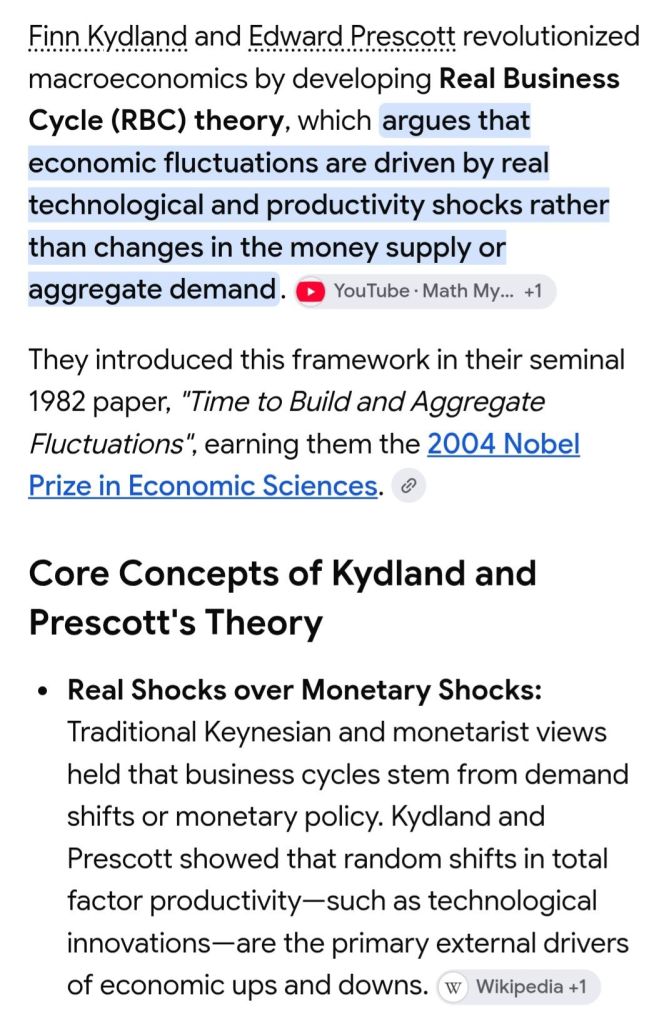
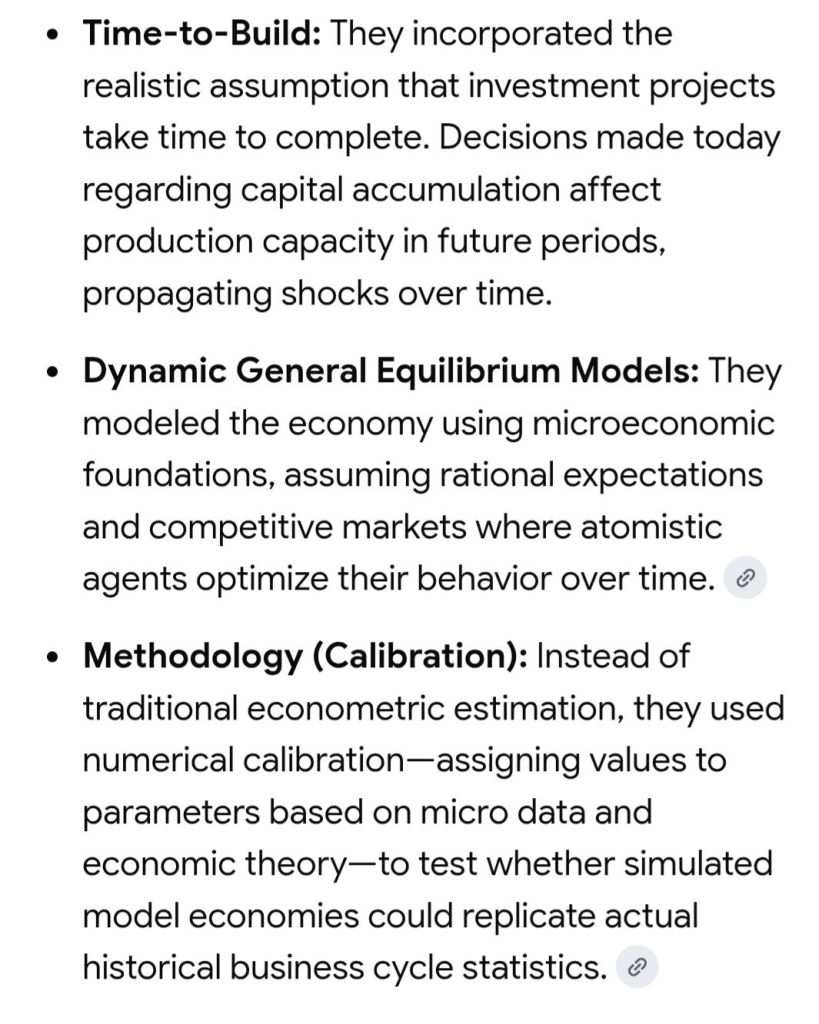
Prescott and Kydland on business cycles
24 Sep 2026 Leave a comment
in business cycles, econometerics, economic history, Edward Prescott, history of economic thought, labour economics, labour supply, macroeconomics, monetary economics, unemployment

Scott Freeman on monetarism again
20 Sep 2026 Leave a comment
in business cycles, econometerics, economic growth, economic history, history of economic thought, macroeconomics, monetarism, monetary economics Tags: monetary policy
Who values democracy?
19 Sep 2026 Leave a comment
in applied price theory, comparative institutional analysis, constitutional political economy, econometerics, economic history
This paper examines the conventional view that redistribution is central to the democratization process using data from stock markets. Consistent with this view, democratizations have a large, negative impact on asset valuations driven by a rise in redistribution risk. Across 90 countries over 200 years, risk premia are substantially elevated— similar in magnitude to financial…
Who values democracy?
The Growth of Big Business: 1900-2020
18 Sep 2026 Leave a comment
in development economics, econometerics, economic history, entrepreneurship, industrial organisation, survivor principle Tags: creative destruction
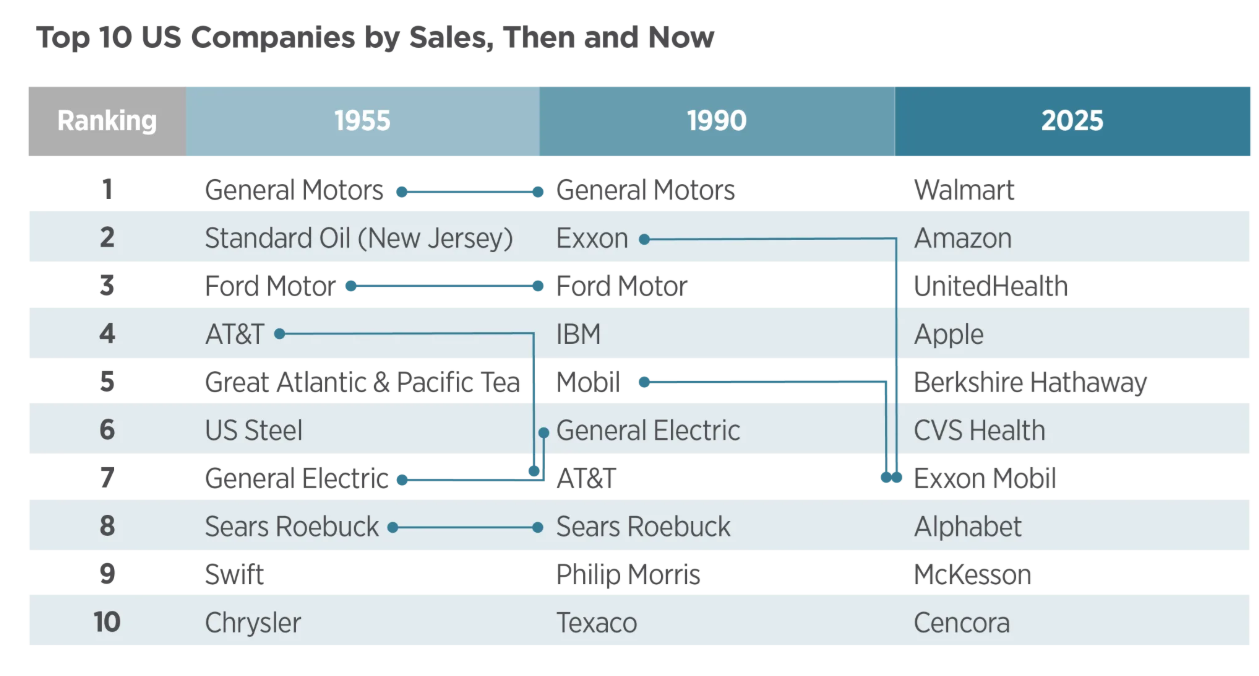
Big firms are playing a larger role in the US economy–but also in the economies of high-income countries around the world. Yueran Ma, Mengdi Zhang, and Kaspar Zimmermann compile the evidence in “Business Concentration Around the World: 1900-2020” (University of Chicago Becker-Friedman Institute for Economics, February 27, 2026, the link offers a readable overview and a followup link…
The Growth of Big Business: 1900-2020
Scott Freeman on monetarism
16 Sep 2026 Leave a comment
in business cycles, econometerics, economic history, history of economic thought, labour economics, macroeconomics, Milton Friedman, monetarism, monetary economics, unemployment Tags: quantity theory of money
Do labour markets behave like competitive markets?
01 Sep 2026 Leave a comment
in applied price theory, econometerics, history of economic thought, industrial organisation, labour economics, labour supply Tags: competition law, monopsony
The American evidence is that they frequently do not. For over a century there was a separate Department of Labour, which was amalgamated into that vast miscellaneous department, the Ministry of Business, Innovation and Employment. Today there is no Minister of Labour, while the portfolios of workplace relations and safety and of immigration are held […]
Do labour markets behave like competitive markets?
Rethinking keynesian fiscal stimulus | LSE Event
31 Aug 2026 Leave a comment
in budget deficits, business cycles, econometerics, economic growth, economic history, global financial crisis (GFC), great recession, history of economic thought, labour economics, macroeconomics, public economics, unemployment


Recent Comments