Why does nobody see new technology coming?By Matt Ridley. He is a British writer who has a Ph. D. in zoology.My last post was an AI generated discussion between Jules Verne and Mary Shelley on the future of technology and how it would affect people.Ridley explains how hard it is to predict the future. Many technologies…
Ridley: The forecaster’s paradox
Ridley: The forecaster’s paradox
21 Oct 2026 1 Comment
in economic history, economics of media and culture, entrepreneurship, financial economics, industrial organisation
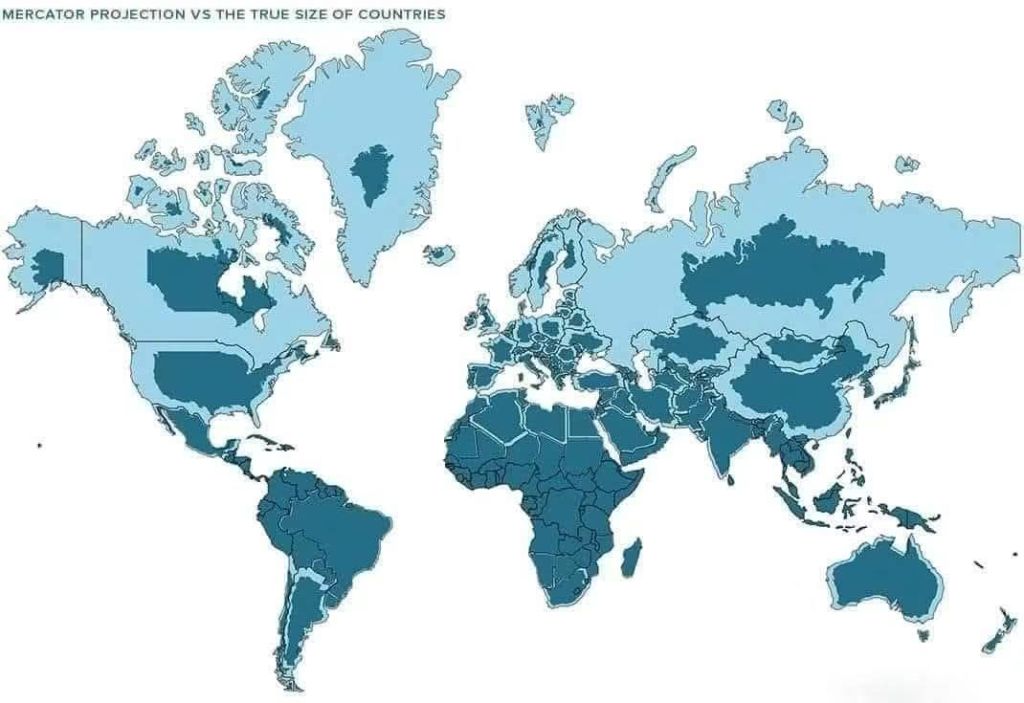
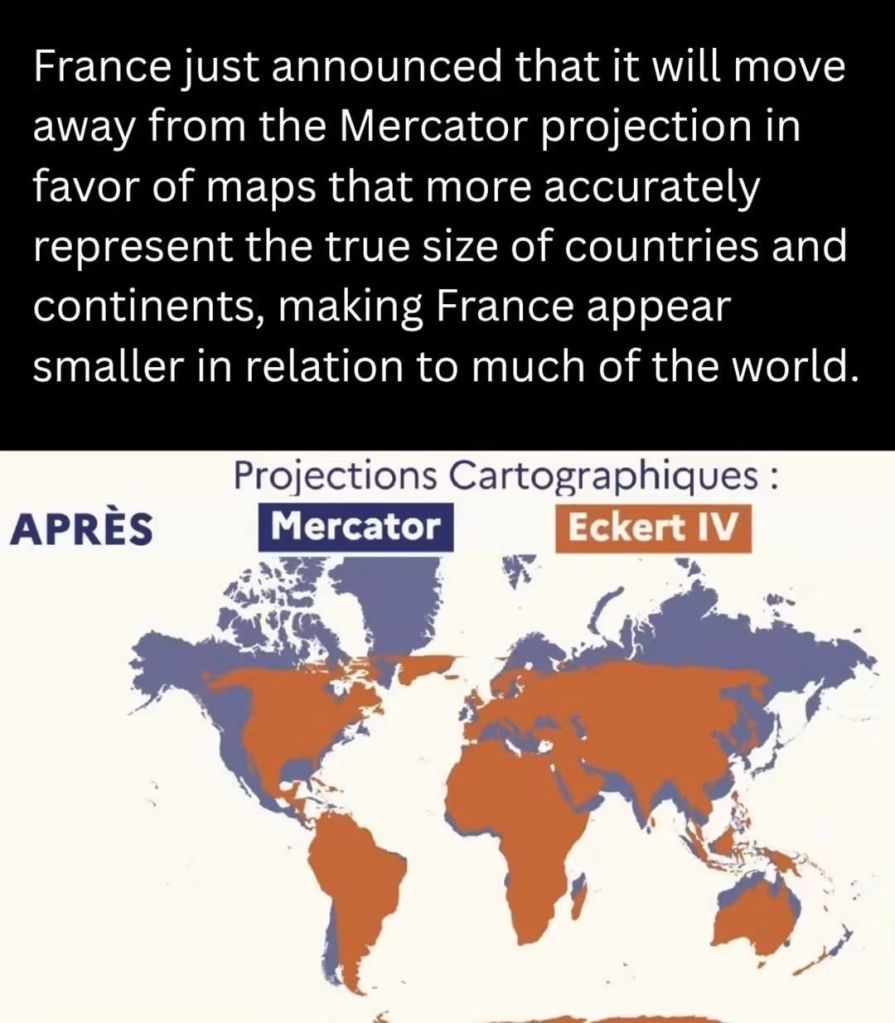
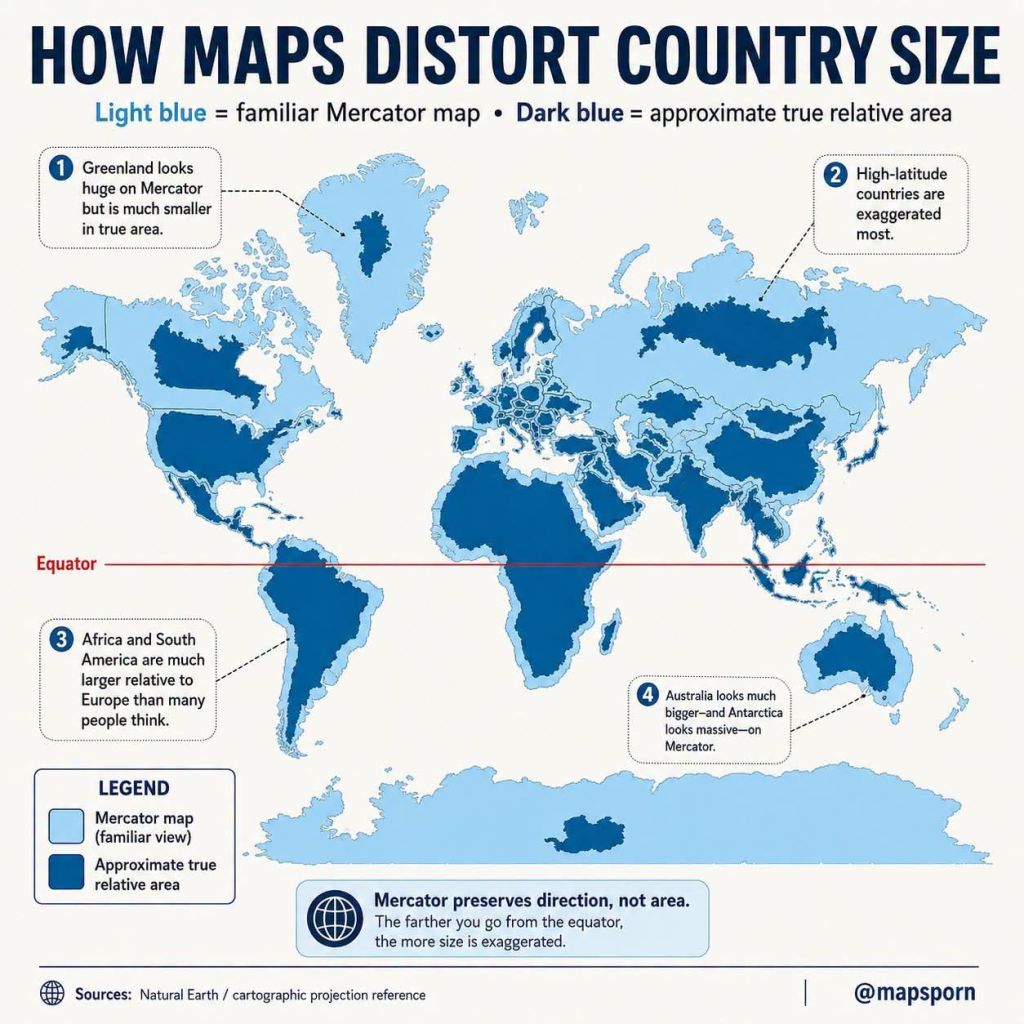
I like maps
29 Sep 2026 Leave a comment
in economics of media and culture Tags: economics of borders, maps

Lion vs. Giraffe: Who Will Win? | Lion Kingdom
09 Sep 2026 Leave a comment
in economics of information, economics of media and culture
A Close Call with Asteroid Apophis
17 Aug 2026 Leave a comment
in economics of media and culture Tags: space
It was quite a scare when first discovered in 2004, but thousands of observations later, we now know that the asteroid known as Apophis will miss Earth when it makes its closest approach in April 2029. However, in the grand scheme of things in our vast universe, this will be a close call, and it’ll…
A Close Call with Asteroid Apophis
The Humiliation of Prince Harry
02 Aug 2026 Leave a comment
in economics of media and culture
The Free Press has a great read about how devastating the trial that prince Harry initiated against the media was for him. He’s lucky he wasn’t done for perjury I’d say. The post The Humiliation of Prince Harry first appeared on Kiwiblog.
The Humiliation of Prince Harry
Death and Decency
12 Jul 2026 Leave a comment
in economics of crime, economics of media and culture, law and economics
People generally refrain from speaking ill of the recently dead. The old maxim de mortuis nil nisi bonum—“of the dead, say nothing but good”—may be too absolute, but the custom behind it expresses an important principle of civilisation. The principal reason for restraint is not that death makes a person perfect or erases everything objectionable in […]
Death and Decency
Why Everything Feels More Expensive (hedonic adaptation)
12 Jun 2026 Leave a comment
in applied price theory, economic growth, economic history, economics of media and culture, macroeconomics
Middle-class Americans have more income than they did 50 years ago, but the squeeze is realBy Roland Fryer. He is a professor of economics at Harvard. Excerpts: “Before indicting the economy, consider what 50 years of growth actually delivered. The car in your driveway is far less likely to kill you than its 1975 counterpart—traffic fatalities…
Why Everything Feels More Expensive (hedonic adaptation)
Artificial Intelligence, Natural Ignorance
07 Jun 2026 Leave a comment
in economics of information, economics of media and culture, economics of regulation, entrepreneurship, financial economics, history of economic thought, industrial organisation, market efficiency, politics - USA, regulation, survivor principle Tags: creative destruction
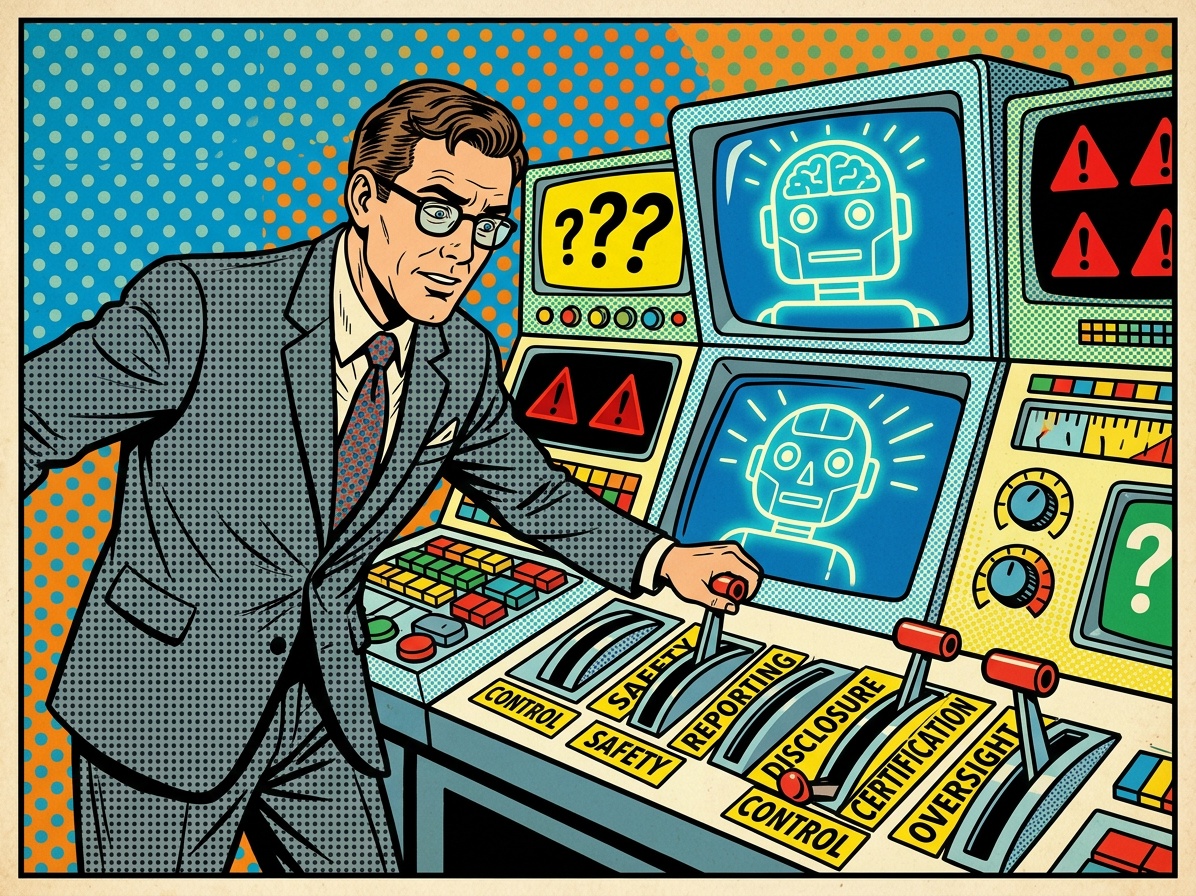
Everyone in Washington seems to agree that artificial intelligence must be governed. The only real dispute is who gets the steering wheel. Congress? Federal agencies? State legislatures? Some newly minted task force with a long acronym and a taste for reporting requirements? That debate is already too narrow. President Donald Trump’s recent executive order on…
Artificial Intelligence, Natural Ignorance
What do Muslim immigrants think?
31 May 2026 Leave a comment
in defence economics, economics of crime, economics of media and culture, economics of religion, law and economics, liberalism, politics, politics - Australia, politics - New Zealand, politics - USA Tags: economics of immigration
Tomas Pueyo has collated a huge amount of public opinion data from Muslims in Western countries. He finds: Depending on the country of origin and destination:~10-40% of Muslims are moderate & well integrated~20-50% are conservative, religious, pious~25% are fundamentalists~Of which 15% (pp) are radical Islamists Some findings in the US: He concludes: In summary, the…
What do Muslim immigrants think?
Review of “Ted Kennedy: A Life” by John A. Farrell
15 May 2026 Leave a comment
in economic history, economics of education, economics of media and culture, politics - USA
Ted Kennedy: A Life by John A. Farrell 752 pages Penguin Press Published: Oct 2022 “Ted Kennedy: A Life” is John Farrell’s just-released biography of the youngest son of Joseph P. Kennedy. Farrell is a former correspondent for The Boston Globe who has written biographies of Tip O’Neill and Richard Nixon (a Pulitzer Prize finalist […]
Review of “Ted Kennedy: A Life” by John A. Farrell
Review of “G-Man: J. Edgar Hoover and the Making of the American Century” by Beverly Gage
14 May 2026 Leave a comment
in economics of education, economics of media and culture, politics - USA
G-Man: J. Edgar Hoover and the Making of the American Century by Beverly Gage 864 pages Viking (Penguin Random House) Published: Nov 2022 One of 2022’s most notable new biographies is Beverly Gage’s long-awaited “G-Man: J. Edgar Hoover and the Making of the American Century.” Gage is a professor of American history at Yale University […]
Review of “G-Man: J. Edgar Hoover and the Making of the American Century” by Beverly Gage


Recent Comments