Celebrating humanity's flourishing through the spread of capitalism and the rule of law
11 Oct 2026 Leave a comment
in budget deficits, business cycles, economic history, fiscal policy, history of economic thought, inflation targeting, labour economics, macroeconomics, monetarism, monetary economics, unemployment Tags: monetary policy
07 Oct 2026 Leave a comment
in budget deficits, business cycles, economic history, fiscal policy, history of economic thought, macroeconomics, monetarism, monetary economics Tags: hyperinflation, monetary policy
04 Oct 2026 Leave a comment
in budget deficits, business cycles, economic history, fiscal policy, history of economic thought, labour economics, labour supply, macroeconomics, monetarism, monetary economics, unemployment Tags: monetary policy
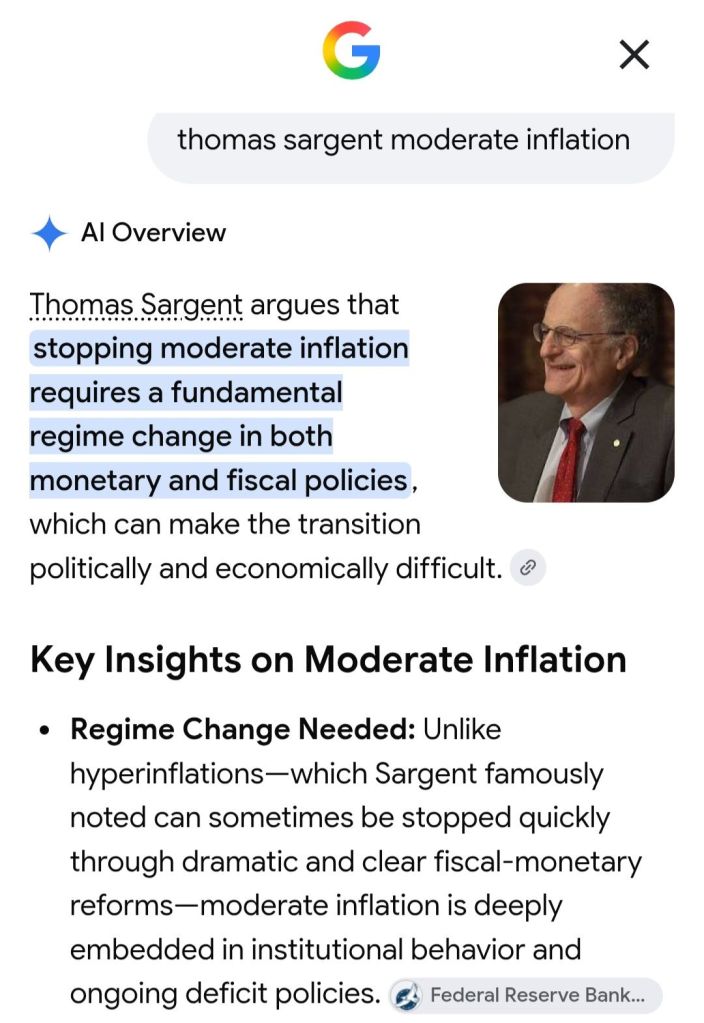
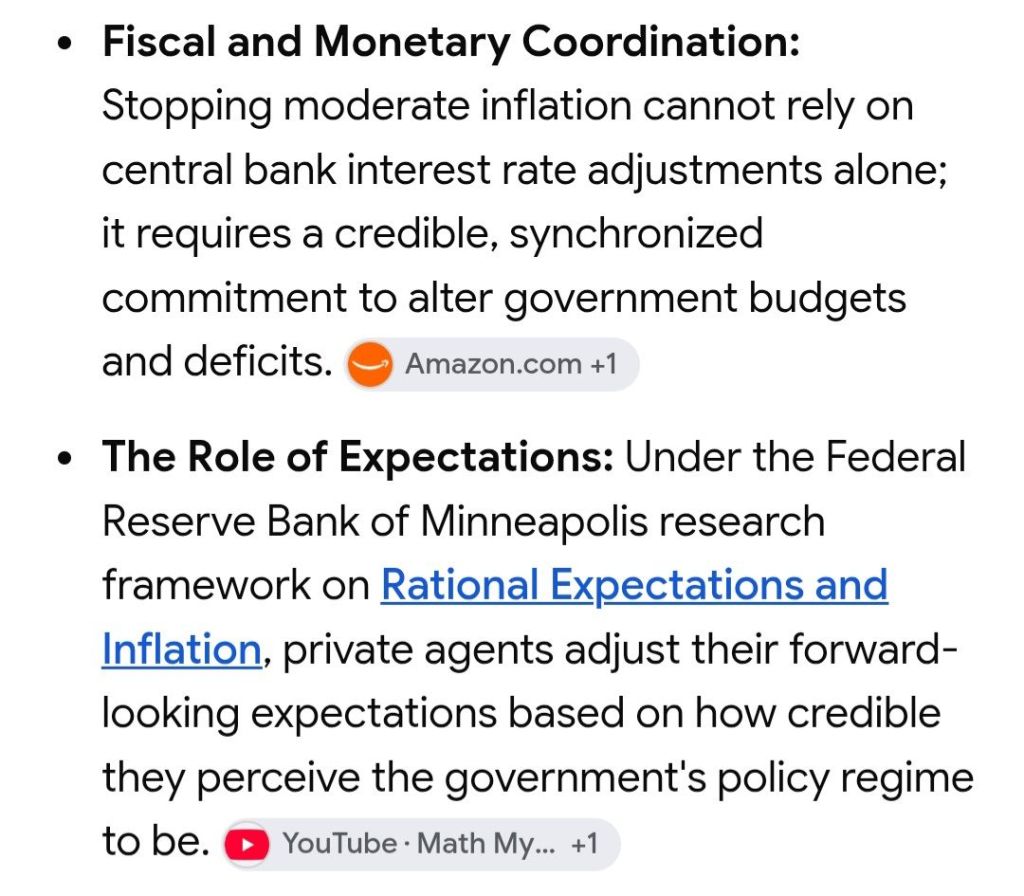
02 Oct 2026 Leave a comment
in budget deficits, business cycles, economic history, fiscal policy, history of economic thought, labour economics, labour supply, macroeconomics, monetarism, monetary economics, unemployment Tags: hyperinflation, monetary policy
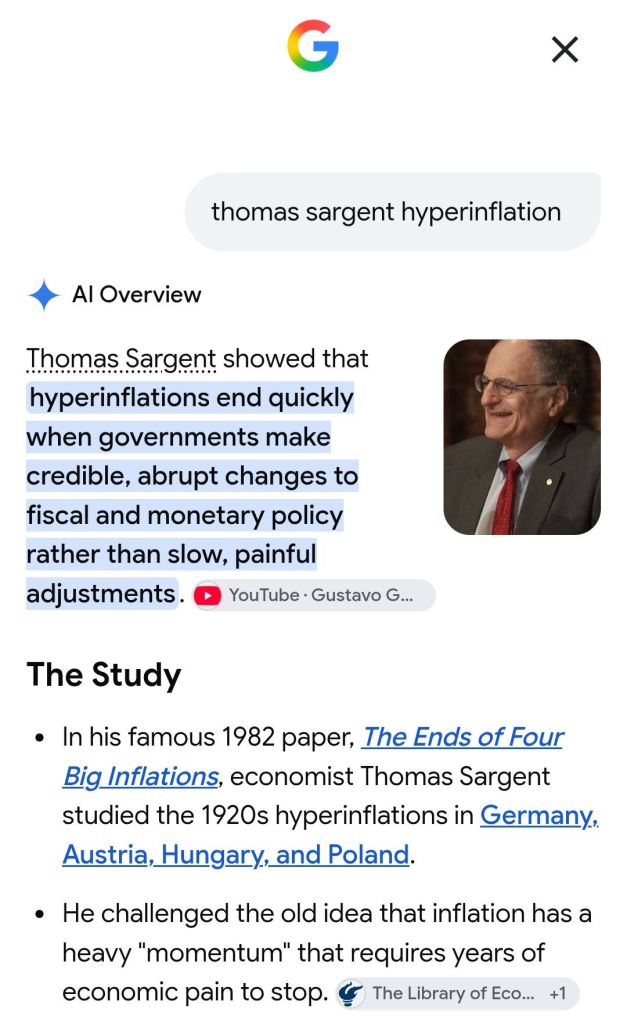
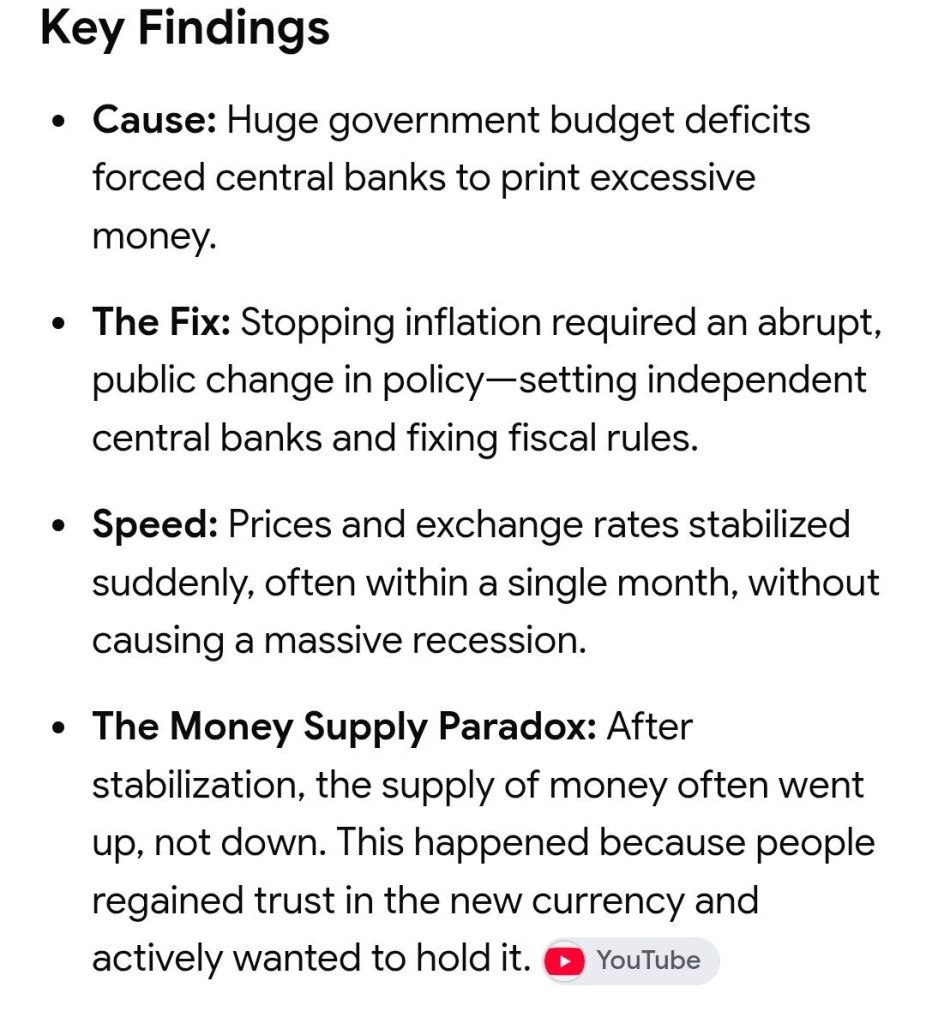
30 Sep 2026 Leave a comment
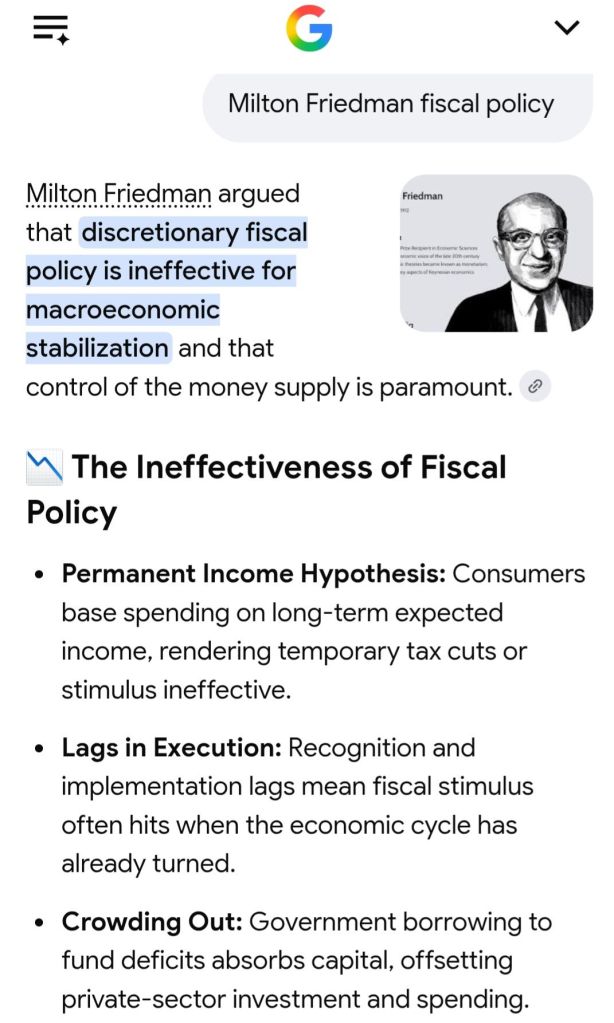
in budget deficits, business cycles, economic growth, fiscal policy, history of economic thought, macroeconomics, Milton Friedman, monetarism, monetary economics
26 Sep 2026 Leave a comment
in budget deficits, business cycles, fiscal policy, history of economic thought, job search and matching, labour economics, labour supply, macroeconomics, monetary economics, unemployment Tags: monetary policy
22 Sep 2026 Leave a comment
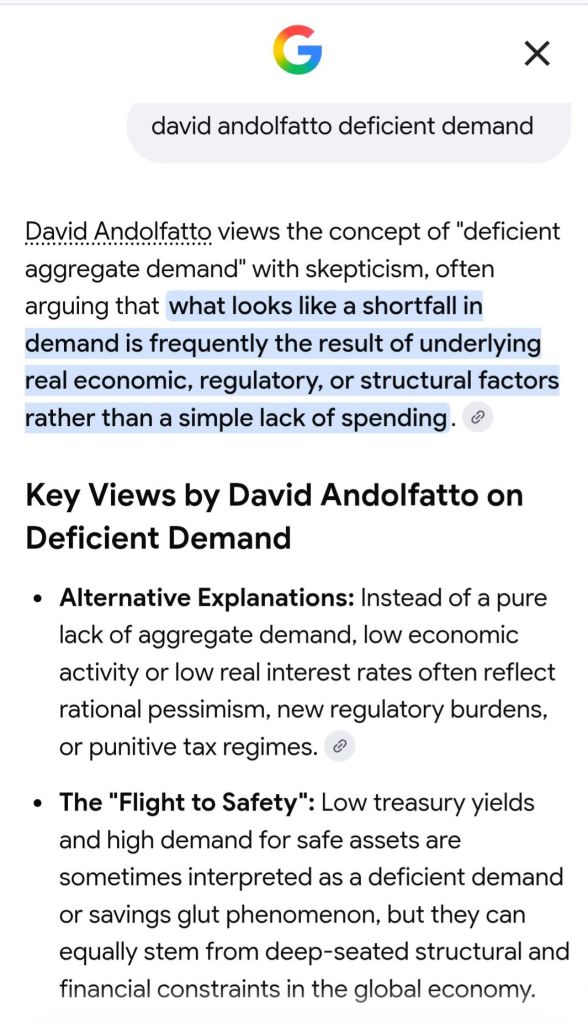
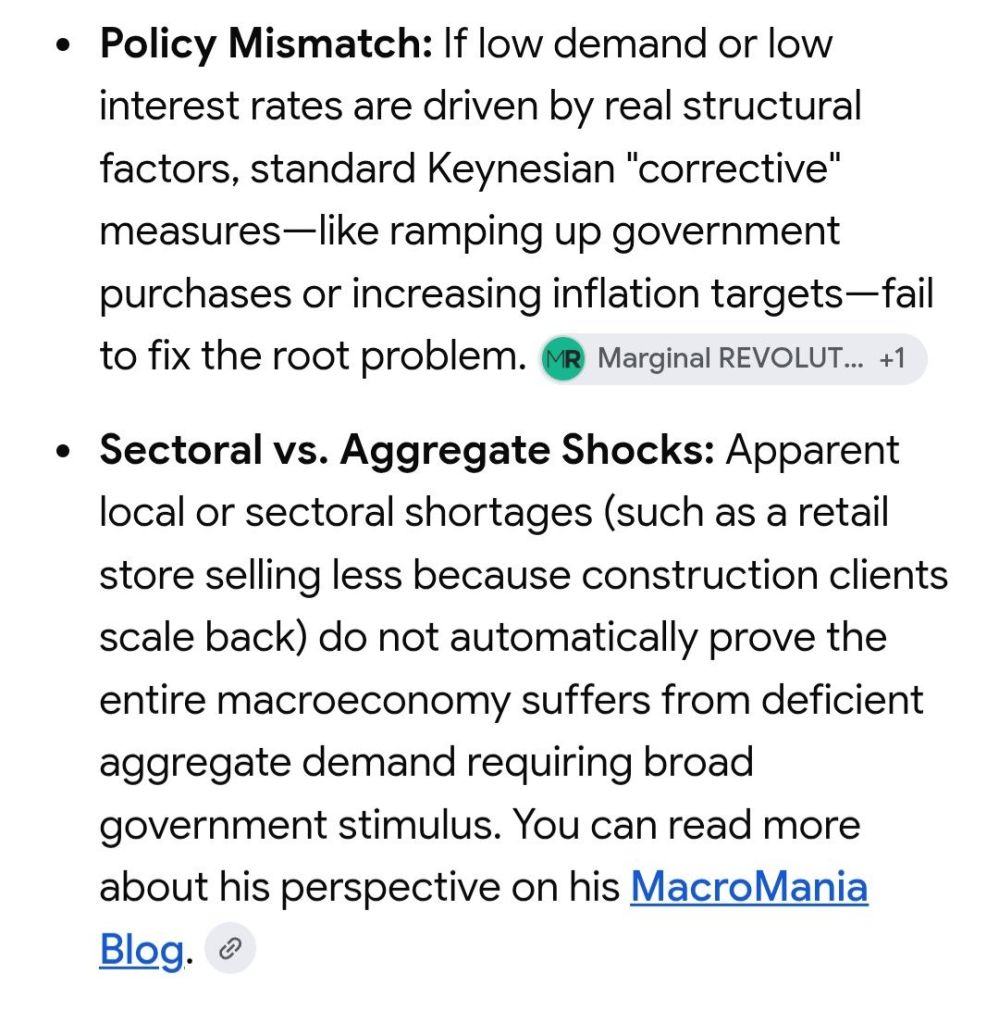
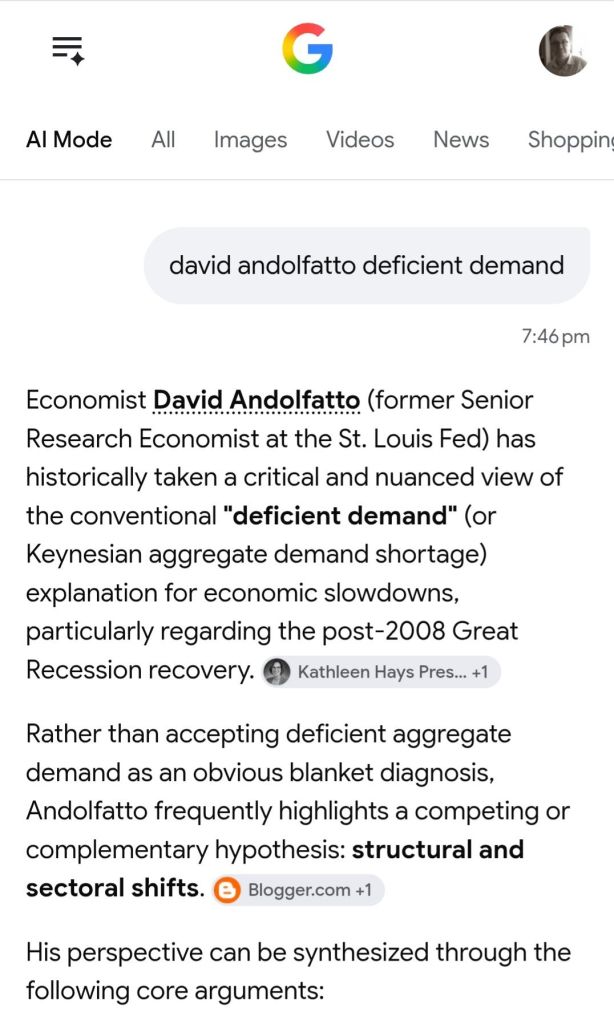
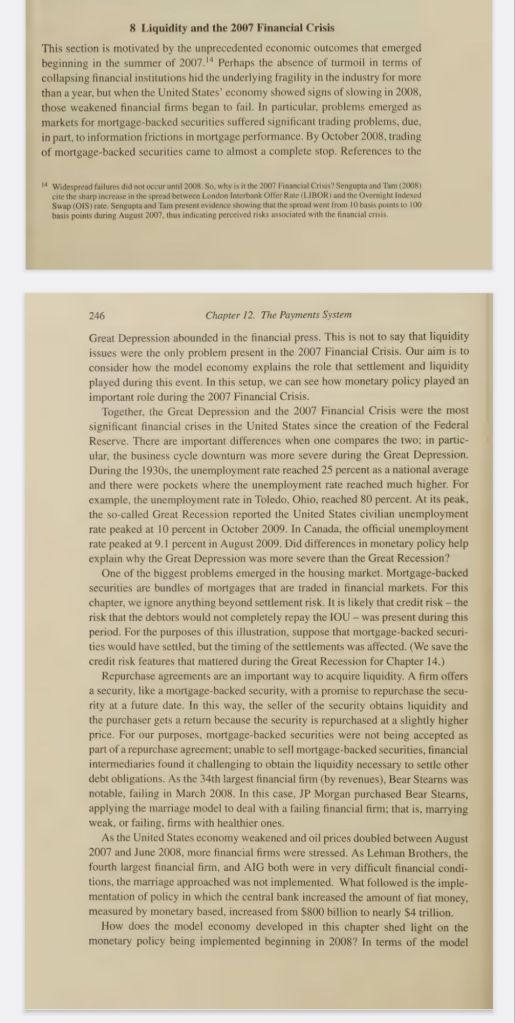
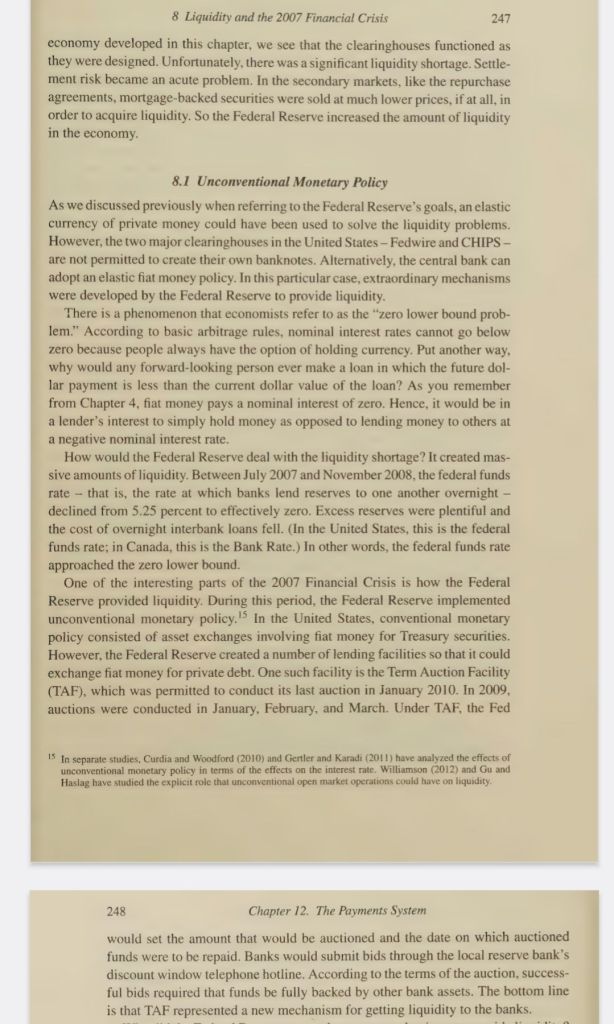
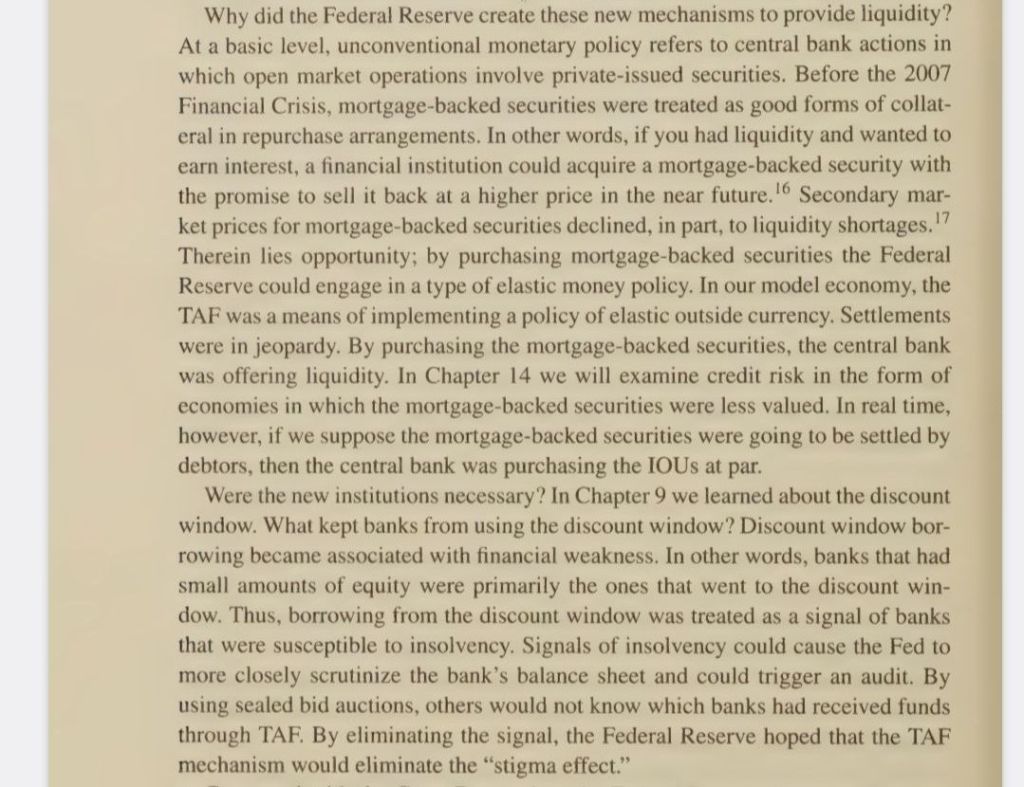
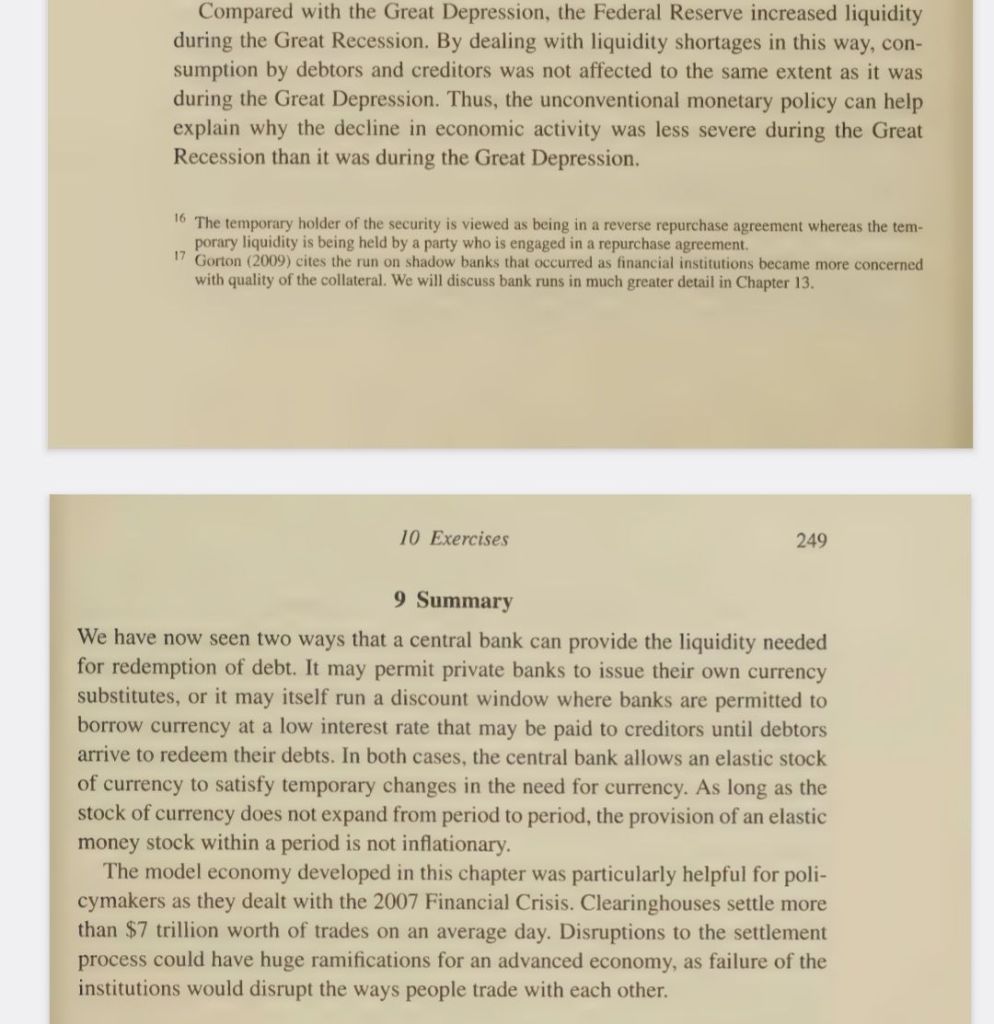
in applied price theory, budget deficits, business cycles, economic history, fiscal policy, global financial crisis (GFC), great depression, great recession, history of economic thought, labour economics, macroeconomics, monetarism, monetary economics, unemployment Tags: monetary policy
18 Sep 2026 Leave a comment
in applied price theory, budget deficits, fiscal policy, history of economic thought, macroeconomics, Milton Friedman, monetarism, monetary economics Tags: monetary policy
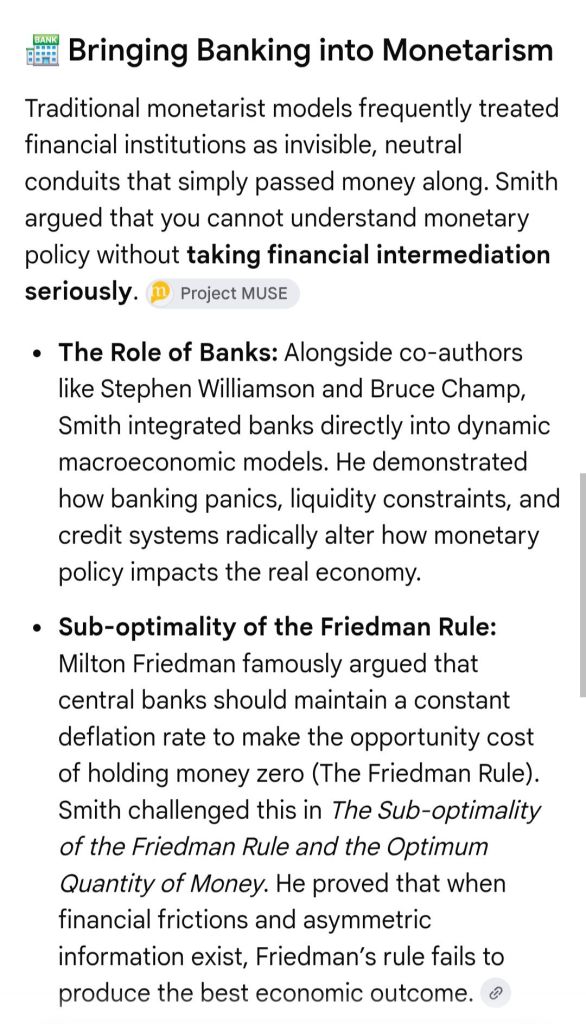
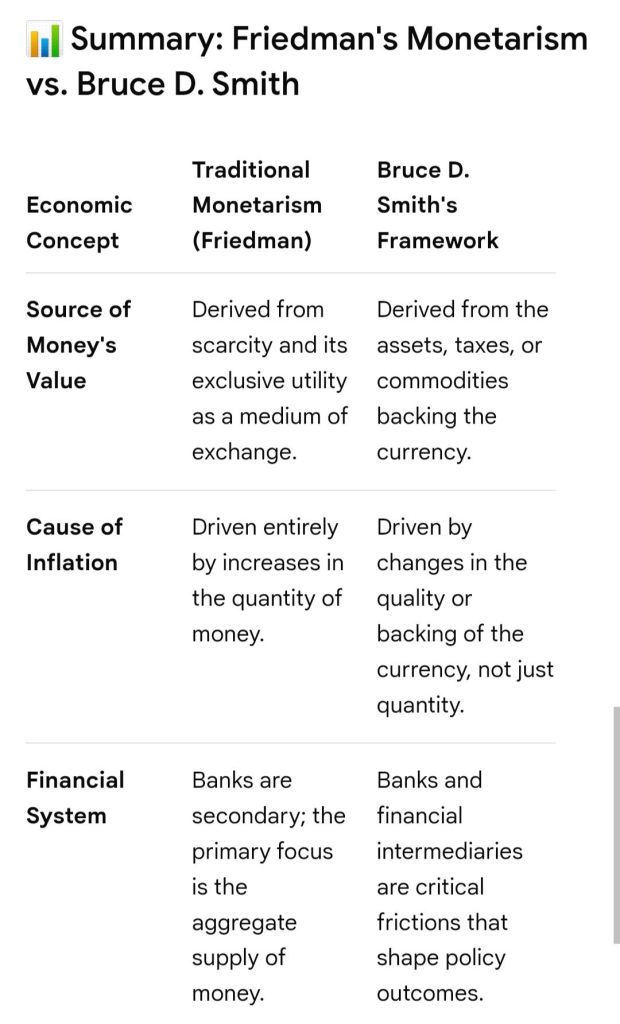
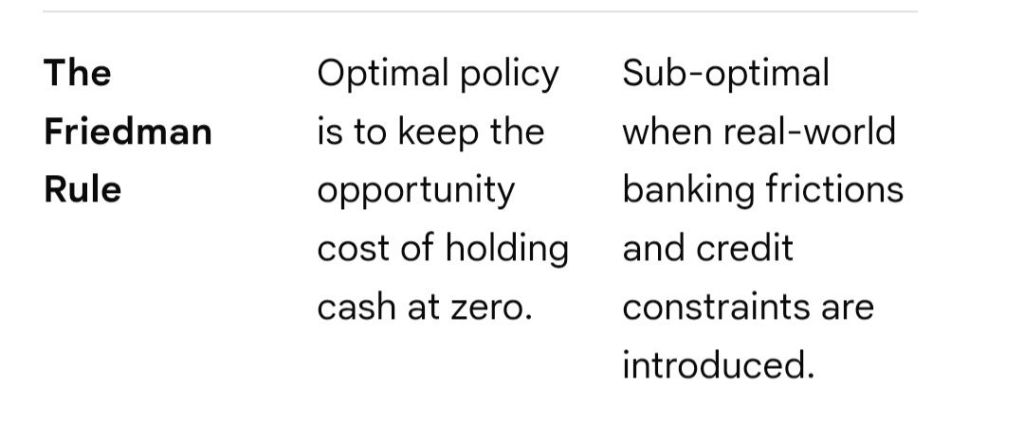
12 Sep 2026 Leave a comment
in applied price theory, budget deficits, economic history, history of economic thought, macroeconomics, Milton Friedman, monetarism, monetary economics Tags: quantity theory of money


31 Aug 2026 Leave a comment
in budget deficits, business cycles, econometerics, economic growth, economic history, global financial crisis (GFC), great recession, history of economic thought, labour economics, macroeconomics, public economics, unemployment
28 May 2026 Leave a comment
in applied price theory, budget deficits, economic growth, fiscal policy, history of economic thought, international economics, macroeconomics, politics - USA
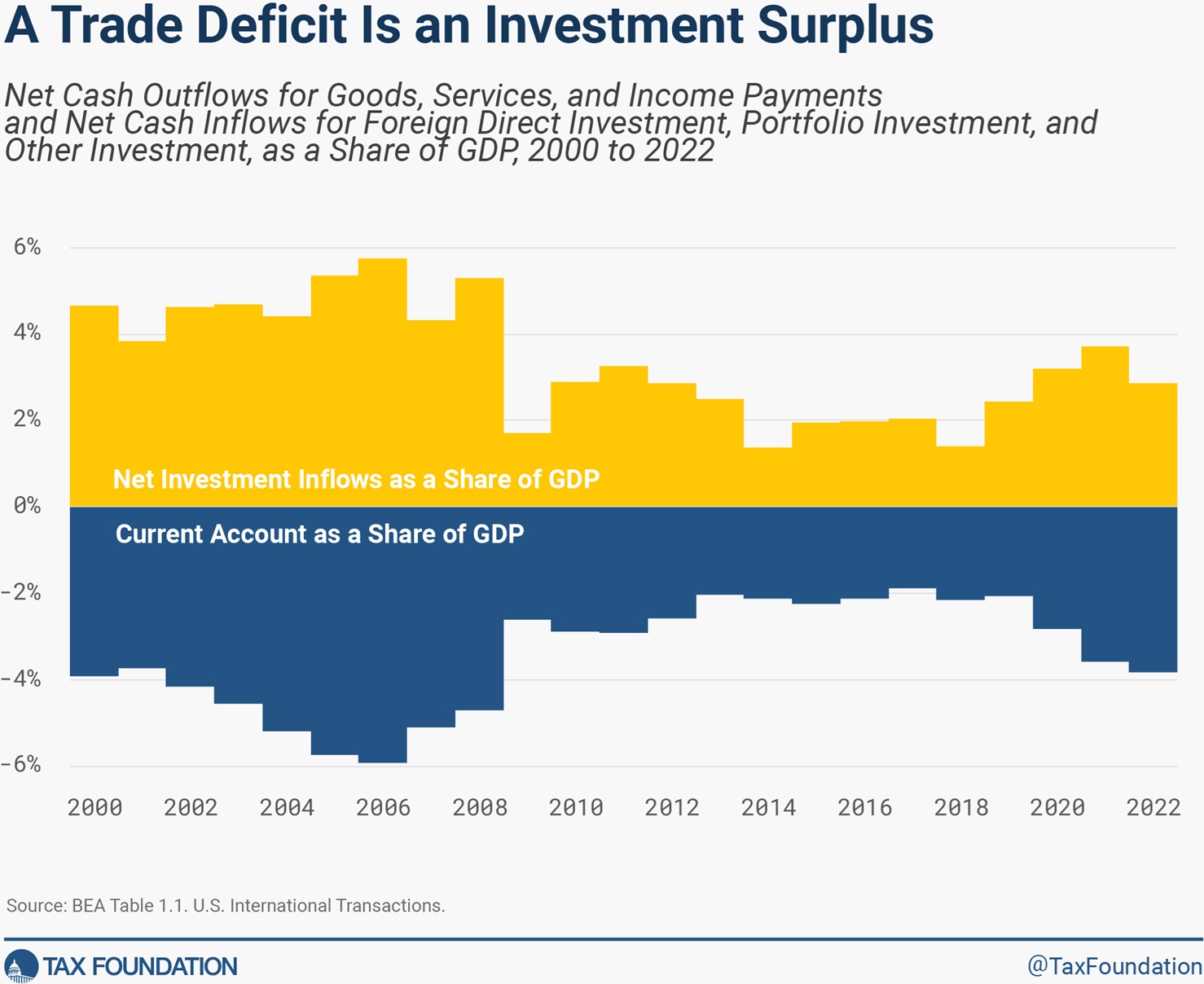
Looking at Part I and Part II, and considering the focus of today’s column, this series should actually be entitled “Trade Deficit Literacy.” That’s because the material I cite explains that a trade deficit is merely the flip side of an investment surplus. And it is good that the United States is a magnet for […]
Trade Deficit Illiteracy, Part III
27 May 2026 Leave a comment
in budget deficits, business cycles, economic growth, economic history, fiscal policy, great depression, history of economic thought, macroeconomics
To follow up on Part I and Part II in this series, let’s start with this Stossel video featuring Professor Don Boudreaux of George Mason University. The message is simple and accurate. Starting nearly 100 years ago, we got terrible statist policy from Herbert Hoover, followed by terrible statist policy from Franklin Roosevelt. No wonder […]
Blame Washington for the Great Depression, Part III
02 Apr 2026 Leave a comment
in Austrian economics, budget deficits, business cycles, economic growth, fiscal policy, global financial crisis (GFC), great depression, great recession, history of economic thought, labour economics, macroeconomics, monetarism, unemployment
TweetPrager University’s new short video on the Great Recession was inspired by Chapter 5 of Phil Gramm’s and my 2025 book, The Triumph of Economic Freedom. The post On the Great Recession appeared first on Cafe Hayek.
On the Great Recession
27 Mar 2026 Leave a comment
in applied price theory, Austrian economics, budget deficits, business cycles, development economics, growth disasters, macroeconomics, monetary economics Tags: Argentina

I’ve been participating in a conference in Argentina this week on “Understanding Argentina’s Transformations Under Milei.” Part I reviewed the horrible economic conditions that plagued Argentina when Javier Milei took office. Part II looked at Milei’s spending restraint and some of the subsequent improvements in fiscal outcomes. Part III examined Milei’s remarkable progress with regards to […]
Javier Milei Week, Part V: Fixing Argentina’s Monetary Crisis
24 Mar 2026 Leave a comment
in applied price theory, Austrian economics, budget deficits, development economics, economic history, fiscal policy, growth disasters, macroeconomics Tags: Argentina

Part I of this series focused on the horrible economic conditions that led to Javier Milei’s election in late 2023. For Part II, let’s start with this segment from an interview I did last week while in Slovenia. In less than two minutes, I tried to summarize Milei’s achievements. Let’s take a more detailed look, […]
Javier Milei Week, Part II: Good Fiscal Policies, Good Fiscal Results
Celebrating humanity's flourishing through the spread of capitalism and the rule of law
Celebrating humanity's flourishing through the spread of capitalism and the rule of law
Celebrating humanity's flourishing through the spread of capitalism and the rule of law
Celebrating humanity's flourishing through the spread of capitalism and the rule of law
Celebrating humanity's flourishing through the spread of capitalism and the rule of law
Celebrating humanity's flourishing through the spread of capitalism and the rule of law
Celebrating humanity's flourishing through the spread of capitalism and the rule of law
A History of the Alt-Right
Econ Prof at George Mason University, Economic Historian, Québécois
Celebrating humanity's flourishing through the spread of capitalism and the rule of law
Scholarly commentary on law, economics, and more
Beatrice Cherrier's blog
Celebrating humanity's flourishing through the spread of capitalism and the rule of law
Celebrating humanity's flourishing through the spread of capitalism and the rule of law
Celebrating humanity's flourishing through the spread of capitalism and the rule of law
Why Evolution is True is a blog written by Jerry Coyne, centered on evolution and biology but also dealing with diverse topics like politics, culture, and cats.
Celebrating humanity's flourishing through the spread of capitalism and the rule of law
A rural perspective with a blue tint by Ele Ludemann
DPF's Kiwiblog - Fomenting Happy Mischief since 2003
Celebrating humanity's flourishing through the spread of capitalism and the rule of law
The world's most viewed site on global warming and climate change
Tim Harding's writings on rationality, informal logic and skepticism
A window into Doc Freiberger's library
Let's examine hard decisions!
Commentary on monetary policy in the spirit of R. G. Hawtrey
Thoughts on public policy and the media
Celebrating humanity's flourishing through the spread of capitalism and the rule of law
Politics and the economy
A blog (primarily) on Canadian and Commonwealth political history and institutions
Reading between the lines, and underneath the hype.
Economics, and such stuff as dreams are made on
"The British constitution has always been puzzling, and always will be." --Queen Elizabeth II
Celebrating humanity's flourishing through the spread of capitalism and the rule of law
Celebrating humanity's flourishing through the spread of capitalism and the rule of law
WORLD WAR II, MUSIC, HISTORY, HOLOCAUST
Undisciplined scholar, recovering academic
Celebrating humanity's flourishing through the spread of capitalism and the rule of law
Res ipsa loquitur - The thing itself speaks
In Hume’s spirit, I will attempt to serve as an ambassador from my world of economics, and help in “finding topics of conversation fit for the entertainment of rational creatures.”
Researching the House of Commons, 1832-1868
Articles and research from the History of Parliament Trust
Reflections on books and art
Posts on the History of Law, Crime, and Justice
Celebrating humanity's flourishing through the spread of capitalism and the rule of law
Exploring the Monarchs of Europe
Cutting edge science you can dice with


Recent Comments