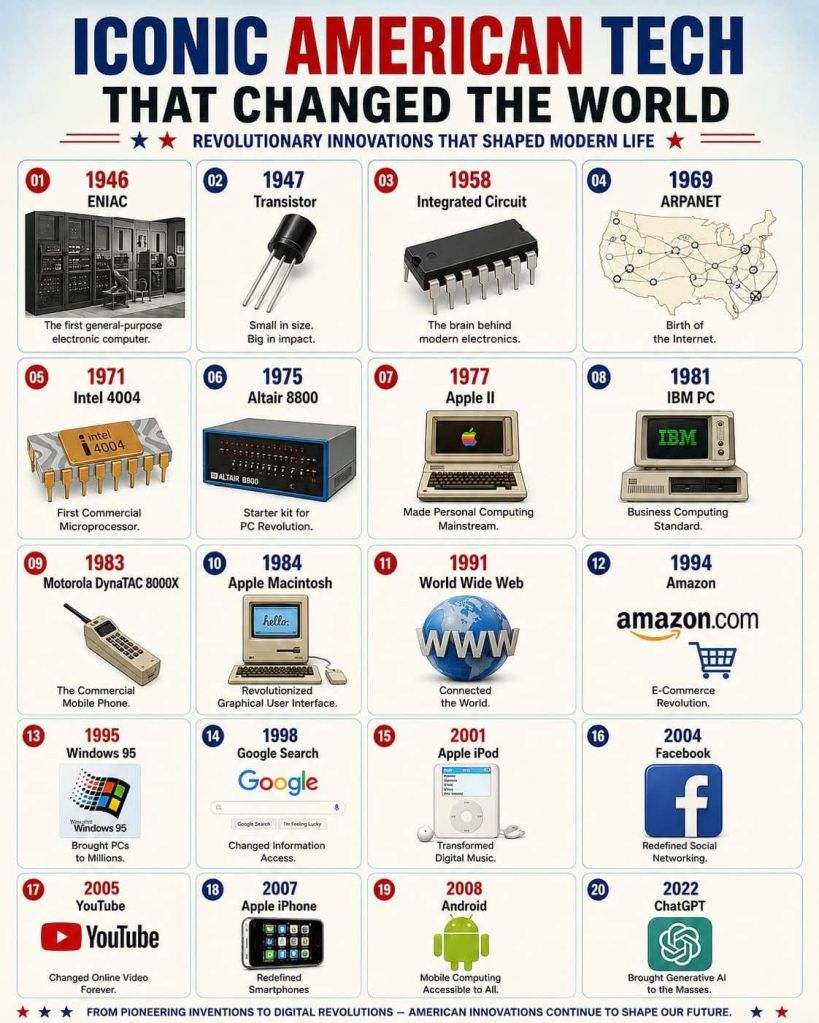
The Great Enrichment
09 Oct 2026 Leave a comment
in economic growth, economic history, entrepreneurship, macroeconomics Tags: The Great Enrichment
Why Mowbray donates
07 Oct 2026 1 Comment
in development economics, entrepreneurship, growth miracles, politics - New Zealand Tags: 2026 general election, China
Nick Mowbray writes: I’m aware of the criticism we receive for donating to National and ACT. I’m also aware of the false narrative that we lobby the government and expect something in return. So let me be clear: we have never lobbied the government. Less than 1% of ZURU’s revenue is in New Zealand. We…
Why Mowbray donates
The beauty premium doesn’t seem to extend to billionaires
06 Oct 2026 Leave a comment
in applied price theory, econometerics, economic history, entrepreneurship, human capital, labour economics, labour supply, poverty and inequality Tags: top 1%
There is a broad literature supporting the existence of a ‘beauty premium’ in labour markets – more attractive workers tend to earn more. There are a number of channels proposed to account for this, including confidence, social or communication skills being higher among more attractive workers, attractive workers sorting into occupations that reward attractiveness, and…
The beauty premium doesn’t seem to extend to billionaires
Urban elite obsession with supermarkets
03 Oct 2026 Leave a comment
in economics of bureaucracy, economics of regulation, entrepreneurship, income redistribution, industrial organisation, politics - New Zealand, Public Choice, rentseeking Tags: 2026 general election
Anyone who drives to Gisborne, as I have done from the north and south, will discover the roads are winding and often tedious. This means getting in produce such as groceries, incurs significant costs because of the distance and small population served. Particularly challenging for perishable meat, dairy, fruit and vegetables. The National Party’s policy […]
Urban elite obsession with supermarkets
America’s Affordability Problem Is Government
02 Oct 2026 Leave a comment
in economic growth, economic history, entrepreneurship, financial economics, history of economic thought, human capital, labour economics, labour supply, macroeconomics, poverty and inequality Tags: The Great Enrichment, top 1%

I have a series of columns (2021, 2024, 2025, and 2026). documenting that Americans are getting richer. And here’s a chart that adds additional evidence. More and more households over time are high income (over $100k) and fewer and fewer are low income (under $35k). And, yes, these numbers are adjusted for inflation. The chart was […]
America’s Affordability Problem Is Government
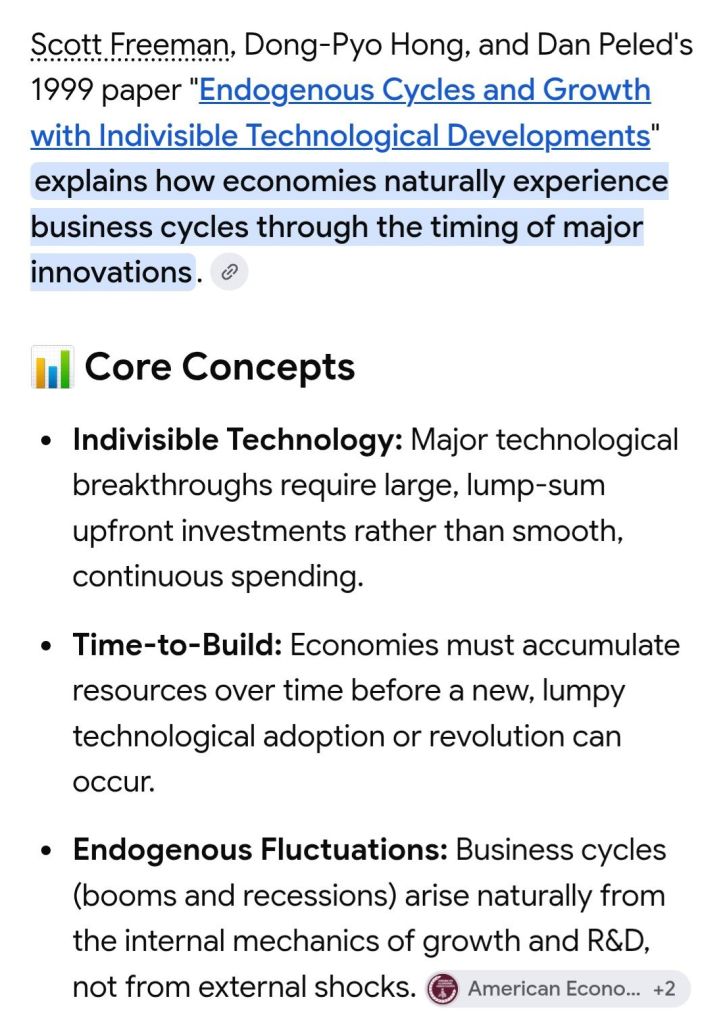
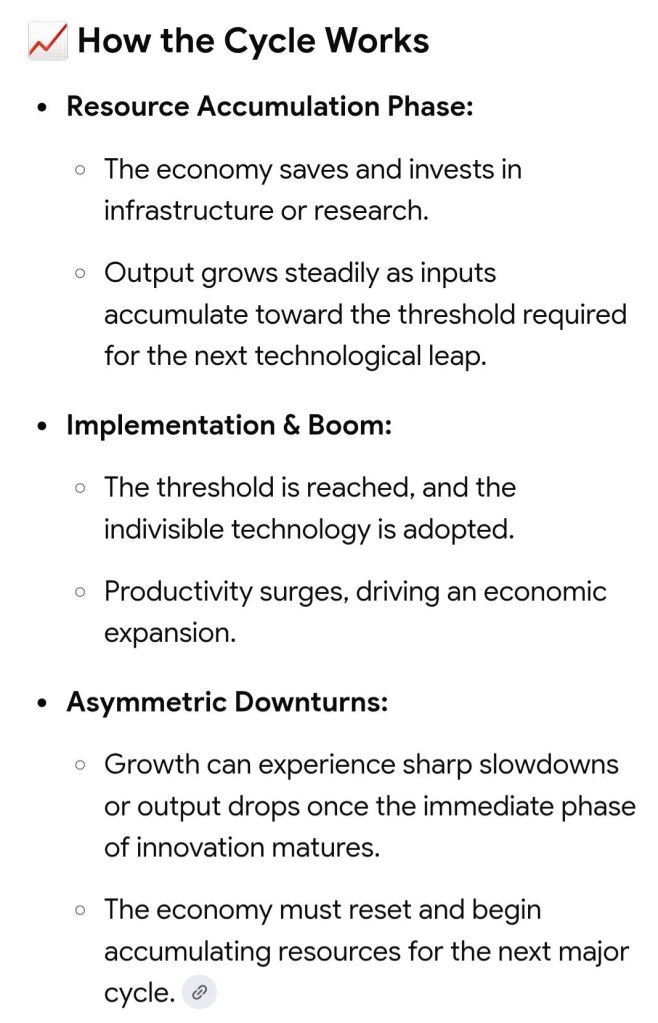
Scott Freeman and the AI boom and possible initial slowdown
30 Sep 2026 Leave a comment
in applied price theory, business cycles, economic growth, economic history, entrepreneurship, history of economic thought, labour economics, labour supply, macroeconomics, monetary economics, unemployment Tags: real business cycle theory
The U.K. Version of the Laffer Curve Strikes Again
29 Sep 2026 Leave a comment
in applied price theory, economic growth, economic history, entrepreneurship, financial economics, fiscal policy, history of economic thought, labour economics, labour supply, macroeconomics Tags: British politics, taxation and investment, taxation and labour supply

There are two reasons why I periodically write about the Laffer Curve. I want my left-leaning friends to understand to understand that higher tax rates on productive behavior will lead to less taxable income and some foregone tax revenue. I want my right-leaning friends to understand that tax cuts are only self-financing in rare cases […]
The U.K. Version of the Laffer Curve Strikes Again
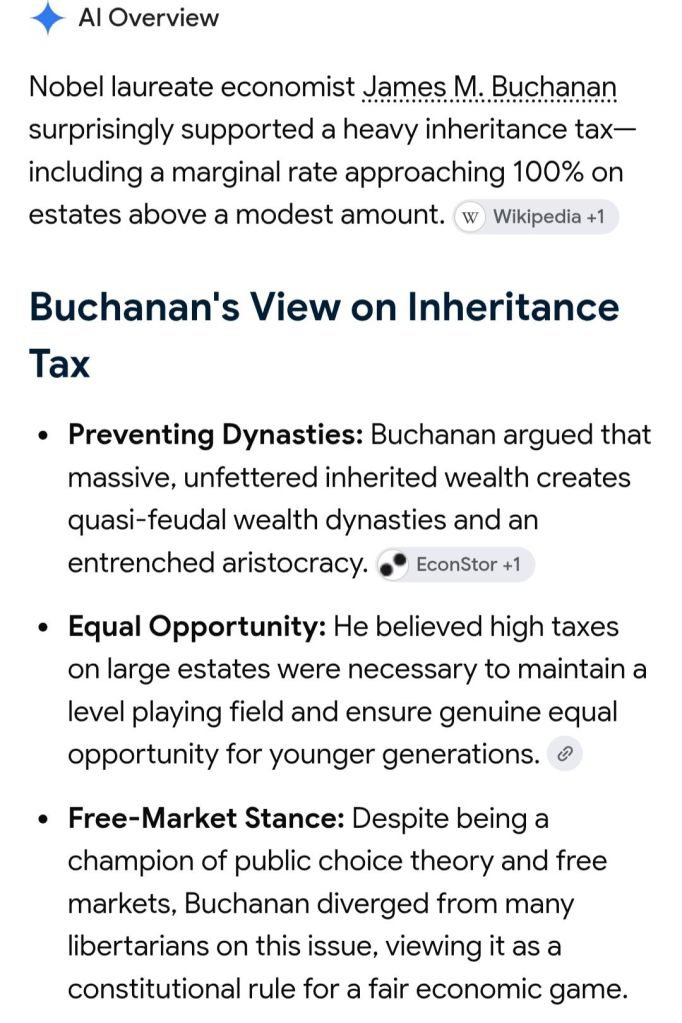
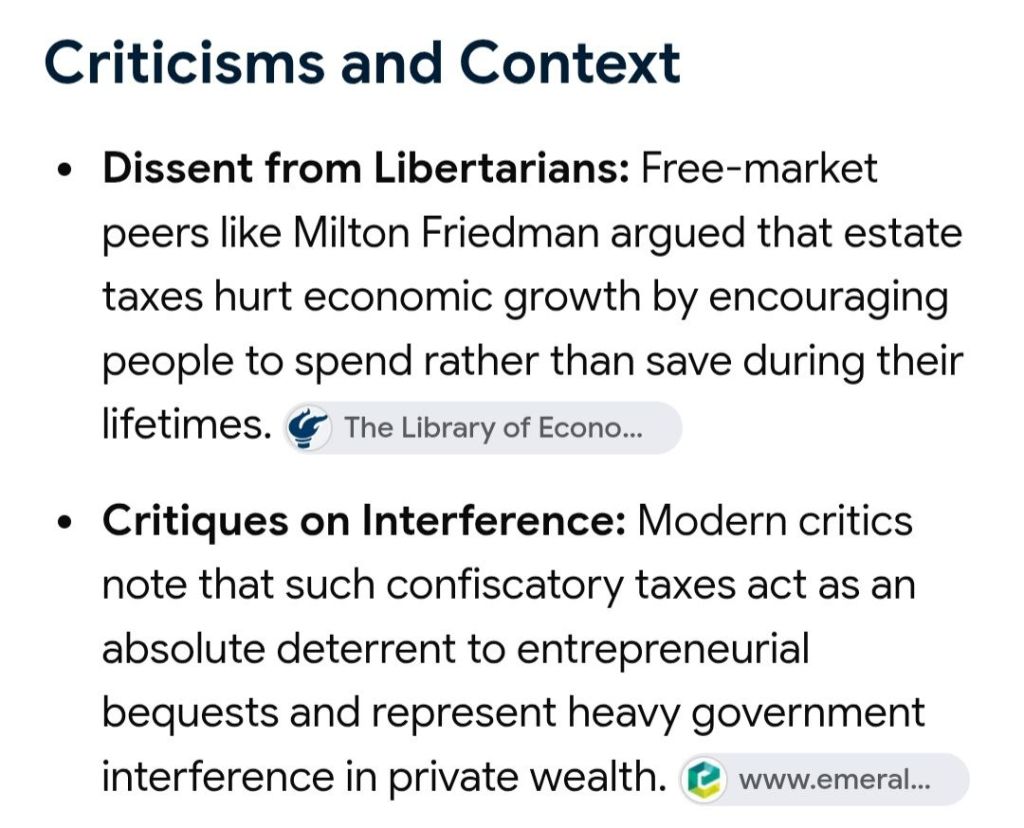
James Buchanan was an unusual neoliberal
26 Sep 2026 Leave a comment
in applied price theory, entrepreneurship, history of economic thought, human capital, income redistribution, James Buchanan, James Buchanan, labour economics, labour supply, Milton Friedman, poverty and inequality, Public Choice, public economics Tags: inheritance tax, taxation and entrepreneurship, taxation and investment
AI, Redistribution, and the Size of the Pie
22 Sep 2026 Leave a comment
in applied price theory, entrepreneurship, industrial organisation Tags: creative destruction
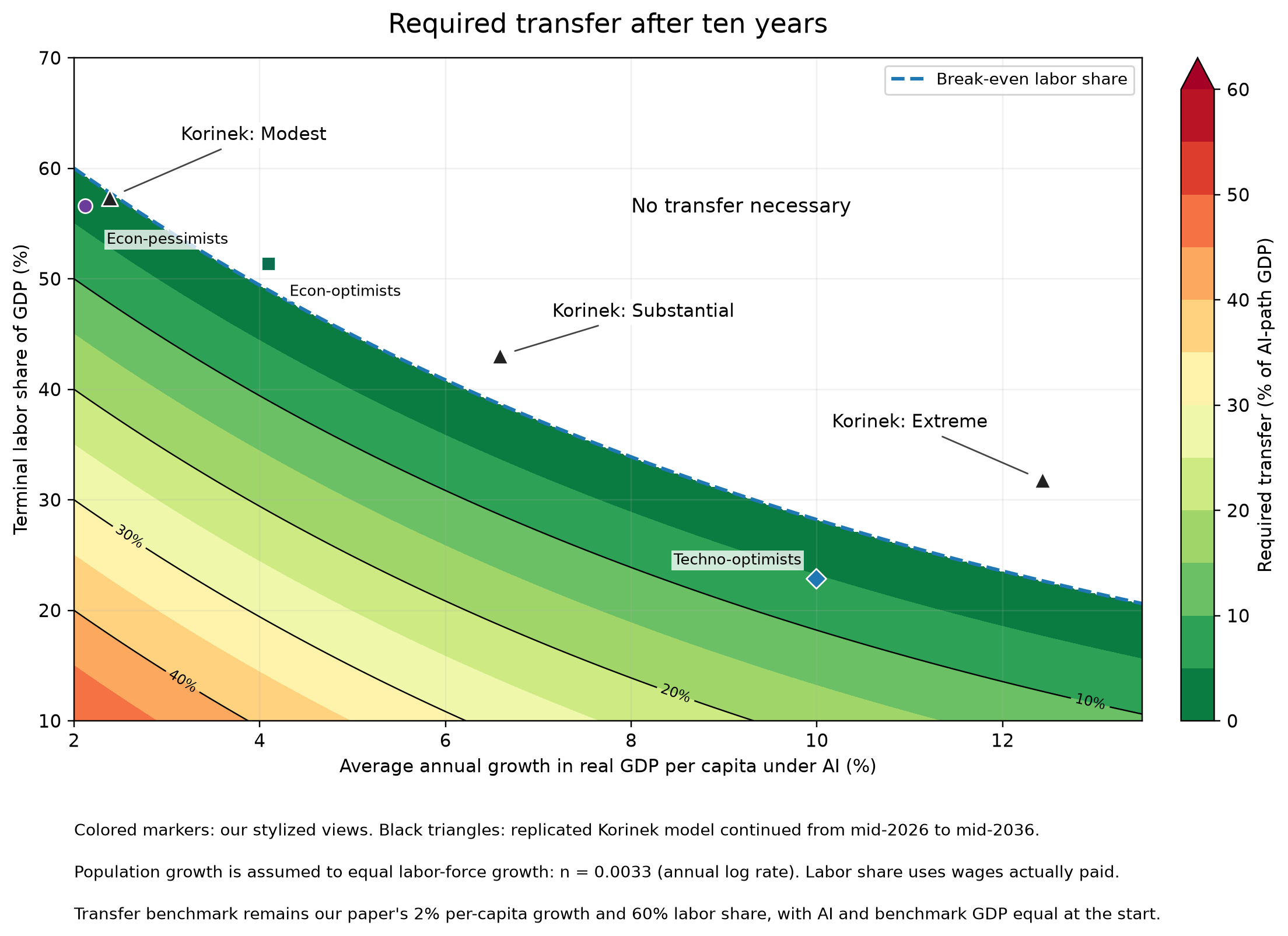
Anthropic’s economic team, including Anton Korinek and Chad Jones, have a valuable new paper, Economic Scenarios for Transformative AI. They make their assumptions explicit and provide a scenario explorer that lets you change them. How capable will AI become? How quickly will firms adopt it? Will it augment workers or automate their tasks? You can…
AI, Redistribution, and the Size of the Pie
The economics of pricing AFL Finals tickets
20 Sep 2026 Leave a comment
in applied price theory, entrepreneurship, industrial organisation, sports economics
In my ECONS101 class, we have a topic that is devoted to understanding pricing and business strategies that deviate from the ideal ‘marginal revenue equal to marginal cost’ approach to pricing for firms with market power. In particular, I focus part of the topic on firms that price below the short-run profit-maximising price for strategic…
The economics of pricing AFL Finals tickets
The Growth of Big Business: 1900-2020
18 Sep 2026 Leave a comment
in development economics, econometerics, economic history, entrepreneurship, industrial organisation, survivor principle Tags: creative destruction
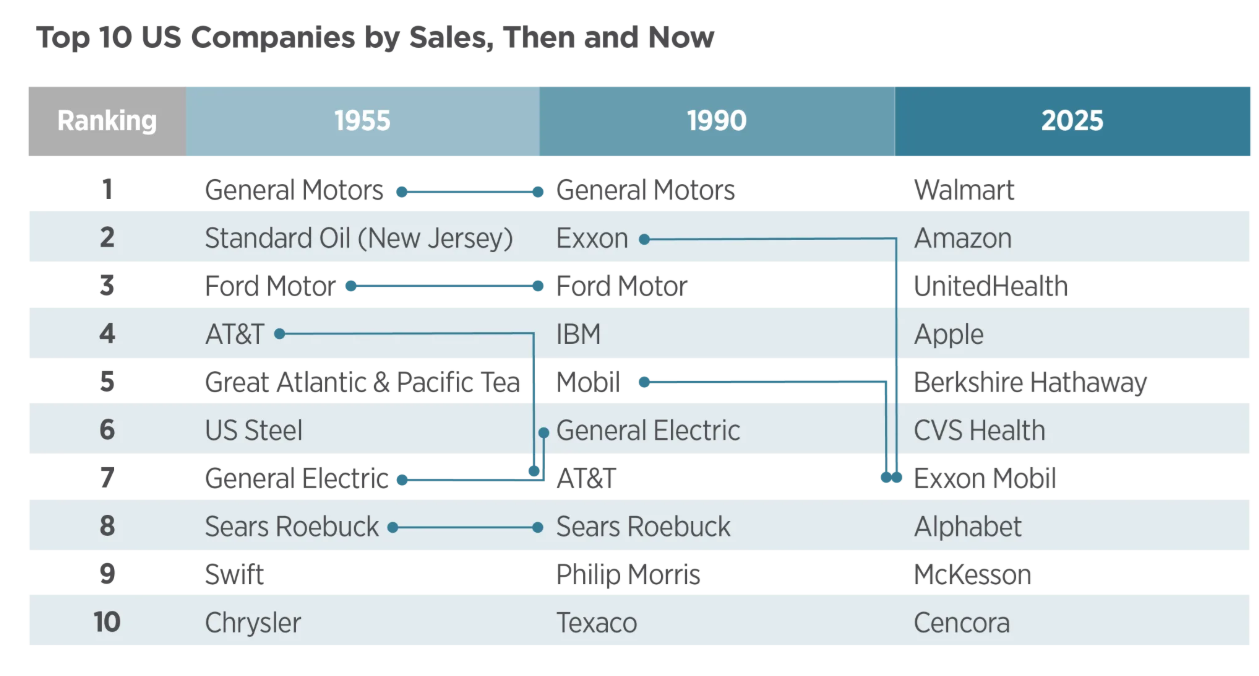
Big firms are playing a larger role in the US economy–but also in the economies of high-income countries around the world. Yueran Ma, Mengdi Zhang, and Kaspar Zimmermann compile the evidence in “Business Concentration Around the World: 1900-2020” (University of Chicago Becker-Friedman Institute for Economics, February 27, 2026, the link offers a readable overview and a followup link…
The Growth of Big Business: 1900-2020
Slow Growth: Mexico Edition
16 Sep 2026 Leave a comment
in development economics, economics of regulation, entrepreneurship, growth disasters, industrial organisation, law and economics, property rights, survivor principle Tags: Mexico
For the last eight years or so, going back before the pandemic, Mexico’s economy has been growing at 1% per year or less, which is barely faster than the population of Mexico has been growing. It is a fact of arithmetic that an upper-middle-income country, as Mexico is classified by the World Bank, will not…
Slow Growth: Mexico Edition
Surging demand
13 Sep 2026 Leave a comment
in energy economics, entrepreneurship, industrial organisation
Growth Effects of AI: Modest for a Decade or Two, At Least
13 Sep 2026 Leave a comment
in entrepreneurship Tags: creative destruction
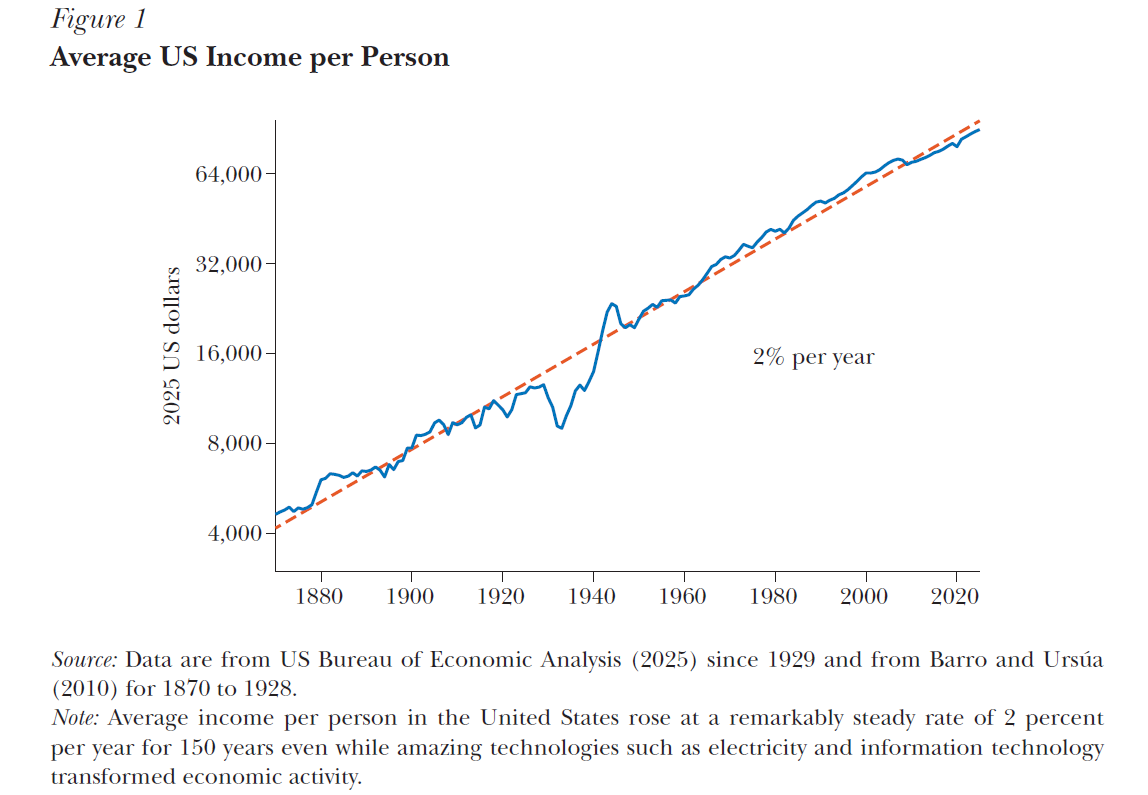
It is of course impossible to predict the effects of new AI technologies on total economic growth in a precise way, but there are strong reasons to believe that the effect will be modest for a decade or two, anyway. Charles Jones Jones explores some of the reasons in “AI and Our Economic Future,” in…
Growth Effects of AI: Modest for a Decade or Two, At Least


Recent Comments