Long-run U.S. population movements have been driven more by natural amenities than by jobs, and California, rich in both uniform and complementary climates, should be a persistent net gainer of domestic migrants. It has instead lost residents to other states every year since about 1990. This paper argues that its amenities are unchanged and that…
California in-migration and out-migration
California in-migration and out-migration
14 Oct 2026 Leave a comment
in applied price theory, econometerics, entrepreneurship, fiscal policy, human capital, labour economics, labour supply, macroeconomics, politics - USA, poverty and inequality, public economics Tags: California, taxation and entrepreneurship, taxation and investment, taxation and labour supply, top 1%
Some basics on incidence of student loan relief
05 Oct 2026 Leave a comment
in applied price theory, economics of education, labour economics, labour supply, occupational choice, poverty and inequality, Public Choice, public economics, rentseeking
Labour proposes wiping 10% off of outstanding student loan balances for domestic borrowers that are not in arrears and who have not benefitted from fees-free study. That write-down will happen on 1 April.It proposes doing it again in 2031, and each year afterwards, for borrowers in good standing who have been NZ-based over the prior…
Some basics on incidence of student loan relief
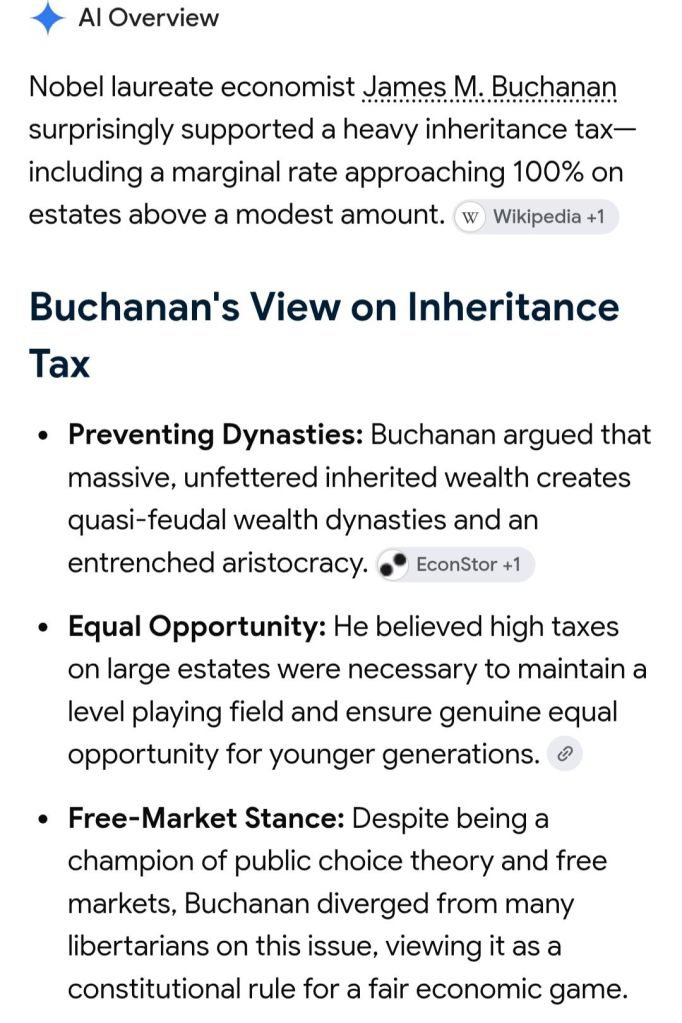
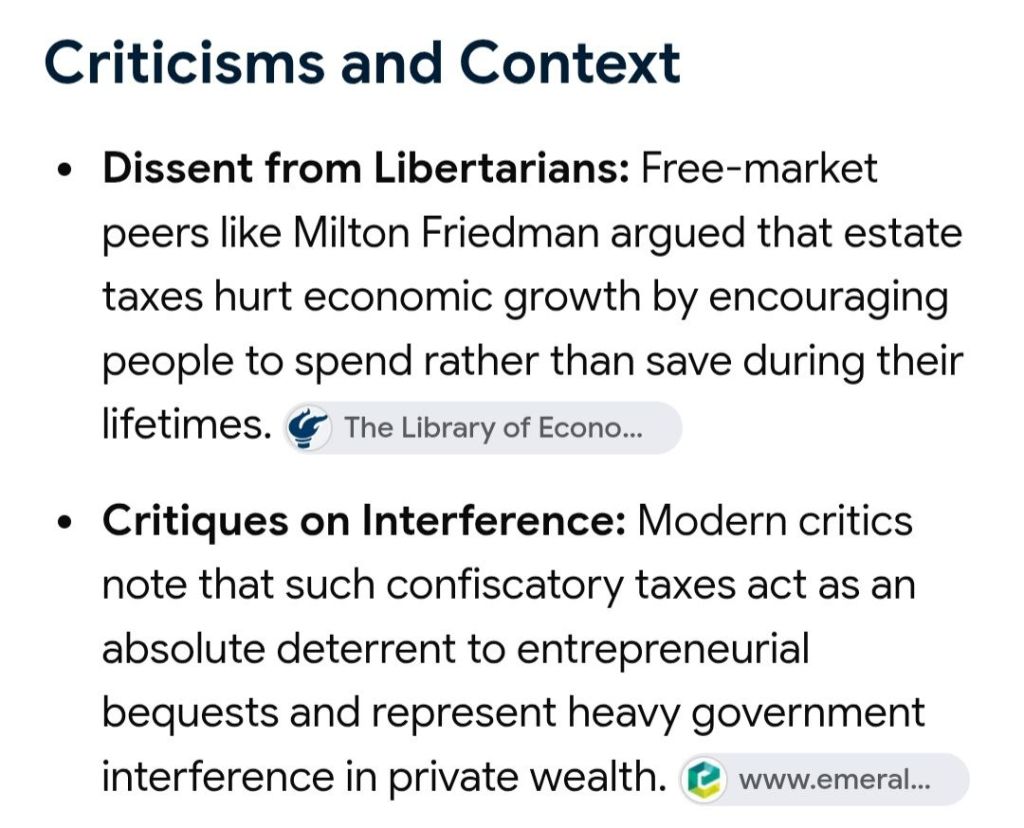
James Buchanan was an unusual neoliberal
26 Sep 2026 Leave a comment
in applied price theory, entrepreneurship, history of economic thought, human capital, income redistribution, James Buchanan, James Buchanan, labour economics, labour supply, Milton Friedman, poverty and inequality, Public Choice, public economics Tags: inheritance tax, taxation and entrepreneurship, taxation and investment
Canada Reduces the Tax Burden on New Investment
21 Sep 2026 Leave a comment
in economic growth, fiscal policy, macroeconomics, public economics Tags: Canada, taxation and investment

Until about 10 years ago, I often wrote positive columns about Canadian policy. I praised our northern neighbors for spending restraint, corporate tax reform, bank bailout policy, regulatory budgeting, the tax treatment of saving, and private air traffic control. Unfortunately, Canada then became more statist under Pierre Trudeau Justin Trudeau (understandable mistake on my part). And I […]
Canada Reduces the Tax Burden on New Investment
Report: California’s Proposed ‘Billionaire Tax’ Is Based on Bad Research
19 Sep 2026 Leave a comment
in fiscal policy, macroeconomics, Marxist economics, politics - USA, public economics Tags: California, taxation and entrepreneurship, taxation and investment

The planned wealth tax leads slightly in the polls and is already driving capital flight.
Report: California’s Proposed ‘Billionaire Tax’ Is Based on Bad Research
Rethinking keynesian fiscal stimulus | LSE Event
31 Aug 2026 Leave a comment
in budget deficits, business cycles, econometerics, economic growth, economic history, global financial crisis (GFC), great recession, history of economic thought, labour economics, macroeconomics, public economics, unemployment
Whiskey taxes, revenue and voting by members of Congress in history
25 Aug 2026 Leave a comment
in applied price theory, econometerics, history of economic thought, Public Choice, public economics
See Revenue over reason: A case for home distilling by Ben Semark of the Competitive Enterprise Institute. After an excerpt from Semark’s article, I discuss how this relates to voting by congressmen on bills during the Federalist period, the subject of my Ph. D. dissertation.Excerpt from Semark:”Creating home-brewed spirits was not a niche or commercial practice…
Whiskey taxes, revenue and voting by members of Congress in history
Part II: Demographics + Entitlements = Europe’s Doom
25 Aug 2026 Leave a comment
in economic growth, labour economics, labour supply, macroeconomics, population economics, public economics Tags: ageing society, European Union, population bust

The world’s most under-appreciated problem is demographic decline mixed with tax-and-transfer entitlement programs. Those two factors, when combined, are a massive problem. All of which is explained in my series on demographic change and fiscal crisis (see here, here, here, here, and here). Today, let’s focus on the problem in Europe, building on what I […]
Part II: Demographics + Entitlements = Europe’s Doom
Who Pays for Medicare for All?
18 Aug 2026 1 Comment
in health economics, income redistribution, Marxist economics, politics - USA, Public Choice, public economics
Plus: Democrats reckon with the rise of the DSA, Trump scales back America’s military presence abroad, and the case for letting kids play outside
Who Pays for Medicare for All?
Is America ruled by an oligarchy?
31 Jul 2026 1 Comment
in fiscal policy, income redistribution, macroeconomics, politics - New Zealand, Public Choice, public economics, rentseeking
Any time you hear claims about American government, a sanity-inducing response is to ask whether they also are true of state and local governments. Here is an excerpt from my latest piece at The Free Press: First, in people’s daily lives, they typically interact with their state and local governments more than with the feds.…
Is America ruled by an oligarchy?
New Research Further Confirms Anti-Growth Impact of Wealth Taxation
30 Jul 2026 1 Comment
in applied price theory, economic growth, entrepreneurship, fiscal policy, human capital, income redistribution, labour economics, liberalism, macroeconomics, Marxist economics, poverty and inequality, Public Choice, public economics Tags: taxation and entrepreneurship, taxation and investment, taxation and labour supply

I’ve shared multiple studies about the harmful impact of wealth taxes (see here, here, here, here, and here). Today, let’s add to the body of evidence. I’ll start by calling attention to a column I wrote in 2019 that warned how wealth taxes mean very high – even confiscatory – taxes on saving and investment. […]
New Research Further Confirms Anti-Growth Impact of Wealth Taxation
Capital Gains Can Be Labor Income
10 Jul 2026 Leave a comment
in applied price theory, fiscal policy, macroeconomics, Public Choice, public economics Tags: taxation and entrepreneurship, taxation and investment, top 1%
Zwick and Zidar argue that a substantial share of the decline in labor share can be accounted for by changing forms of pay, including pass-throughs and equtiy compensation. In particular, if an employee is paid in stock and that stock increases in value then the tax rules tend to count some of that as capital…
Capital Gains Can Be Labor Income
Callaghan failure
14 Jun 2026 Leave a comment
in applied price theory, economics of bureaucracy, industrial organisation, politics - New Zealand, Public Choice, public economics, rentseeking, survivor principle, theory of the firm Tags: industry policy, picking losers
The Post reports: Nearly a third of the Callaghan Innovation’s $149 million Covid-era research and development loan book is in arrears, including $21.5m linked to 63 failed or insolvent businesses, as the agency enters its final months before disestablishment. Callaghan Innovation – a government entity set up to make businesses around the country more innovative…
Callaghan failure
Piketty’s Eco-Marxist Utopia: Why Degrowth and Global Redistribution Will Trap the Poor in Poverty
13 Jun 2026 Leave a comment
in applied price theory, development economics, econometerics, economic growth, economic history, economics of climate change, economics of regulation, energy economics, environmental economics, environmentalism, fiscal policy, global warming, human capital, income redistribution, industrial organisation, international economics, labour economics, labour supply, macroeconomics, Public Choice, public economics Tags: climate activists, climate alarmism, regressive left
The world’s poor deserve better than another utopia designed for them by the globalist intelligentsia. They deserve cheap energy, open markets, secure property rights, and the freedom to industrialise on terms they choose for themselves. That is what worked in East Asia. It is what will work in South Asia, Africa and Latin America. And…
Piketty’s Eco-Marxist Utopia: Why Degrowth and Global Redistribution Will Trap the Poor in Poverty
Professors Behind the California Wealth Tax Threaten Possible Legal Action Against Critic
11 Jun 2026 Leave a comment
in income redistribution, law and economics, politics - USA, Public Choice, public economics Tags: taxation and entrepreneurship, taxation and investment

There is an interesting controversy brewing in California after four California university professors threatened a political candidate, Richard Lucas, for…
Professors Behind the California Wealth Tax Threaten Possible Legal Action Against Critic


Recent Comments