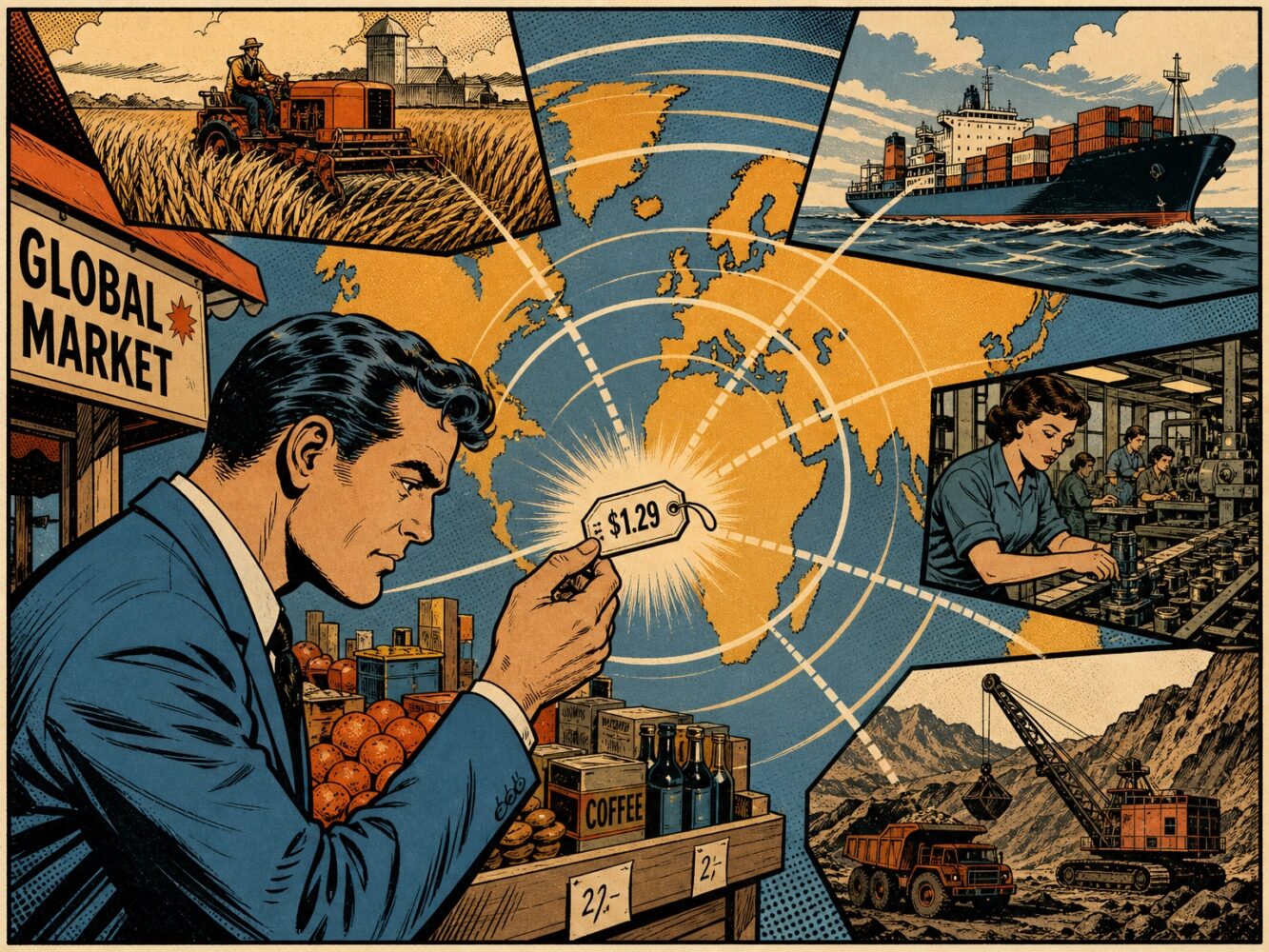
The wealth and technological sophistication of modern society are readily apparent. Less visible, but no less remarkable, is its ability to coordinate the actions of billions of people who know almost nothing about one another’s circumstances. Every day we make decisions without possessing most of the information on which those decisions ultimately depend. We purchase…
The Post reports: Nearly a third of the Callaghan Innovation’s $149 million Covid-era research and development loan book is in arrears, including $21.5m linked to 63 failed or insolvent businesses, as the agency enters its final months before disestablishment. Callaghan Innovation – a government entity set up to make businesses around the country more innovative…
Regarding the pervasive problem of cost overruns (defined as government programs and projects that wind up costing far more than initial estimates), I’ve always appreciated this image sent by a reader. It nicely captures a key reason for cost overruns, which is that there is no bottom-line incentive for bureaucrats and politicians to monitor costs. […]
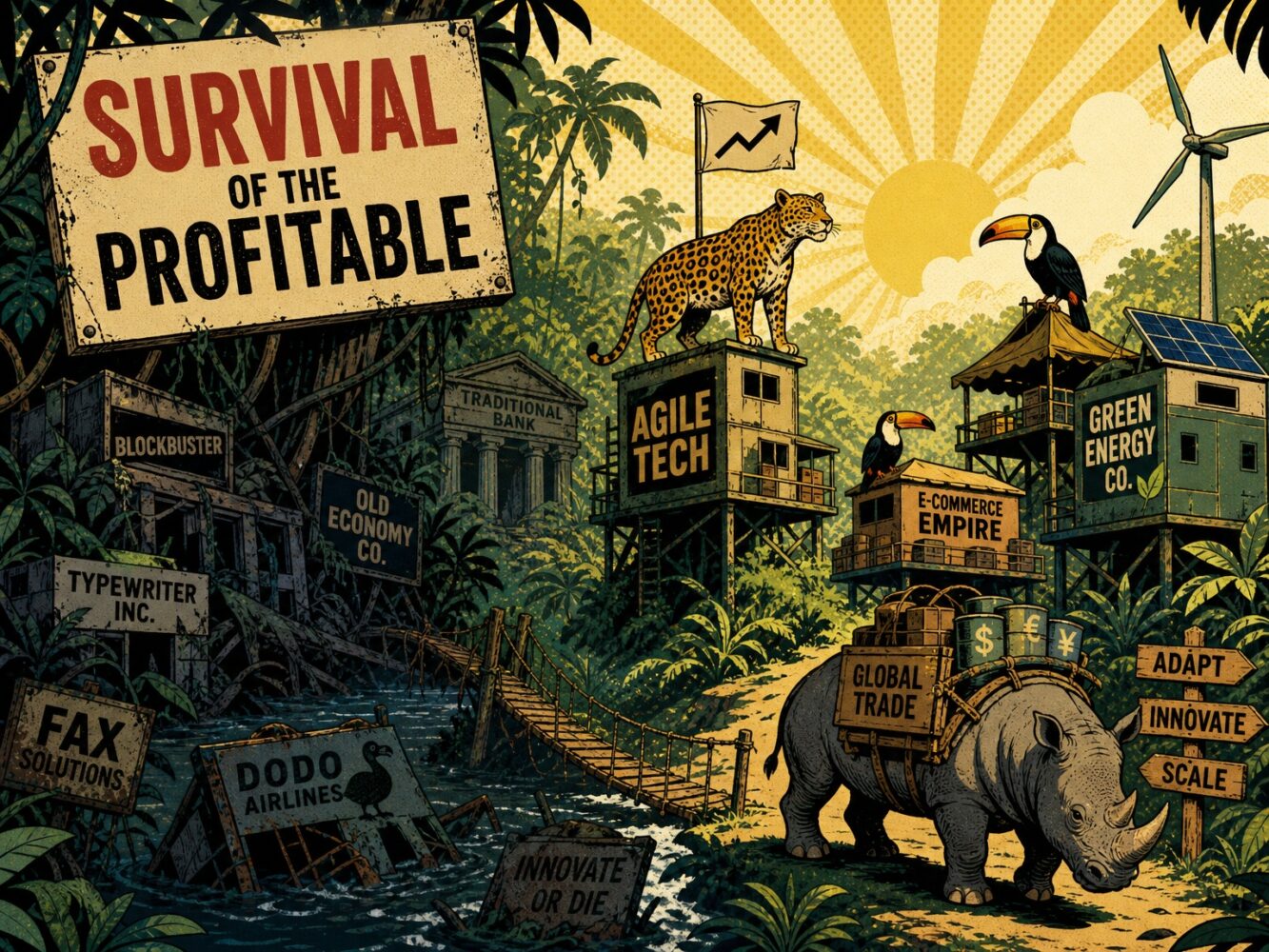
One of the most persistent criticisms of law & economics is that it rests on unrealistic assumptions. Economic models often assume firms maximize profits, investors respond rationally to incentives, and market participants systematically adjust their behavior in predictable ways. Critics frequently point to these assumptions as evidence that economic analysis is detached from reality. Real…
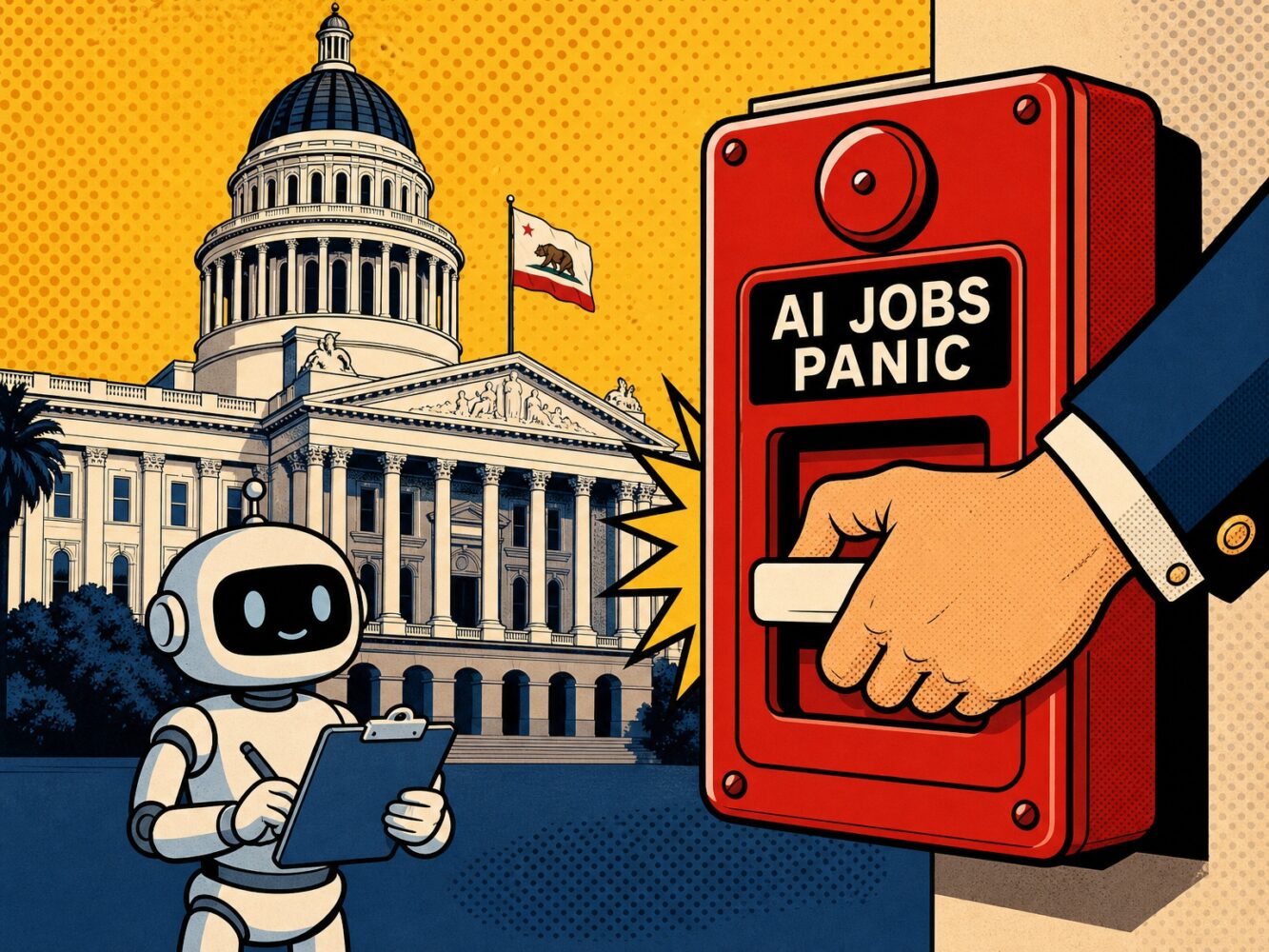
California has seen the future of work, and Sacramento’s first instinct is to convene 14 task forces about it. Gov. Gavin Newsom signed Executive Order N-6-26 today, setting California’s workforce agencies in motion on directives involving research reviews, revisions to the state’s Worker Adjustment and Retraining Notification (WARN) Act, studies of new safety-net programs, a…
In our textbook, Modern Principles, Tyler and I write: Imagine how difficult it would be to get a date if every date required marriage? In the same way, it’s more difficult to find a job when every job requires a long-term commitment from the employer. In two new excellent pieces, Brian Albrecht and Pieter Garicano…
Ask anyone in Australia’s competition law community what transformed the economy, and you will hear a familiar story. Australia was once a cartelised, complacent place where businesses divided up markets and consumers paid the price. Then came the Trade Practices Act in 1974, and competition law forced firms to compete. This is not a fringe […]
Eric Crampton writes – A lot of changes are coming in competition policy. Last week, the government announced a package of reforms that, overall, set the Commerce Commission on a more activist tack. One proposed reform will align New Zealand more closely with Australia’s regime, guarding against so-called ‘killer acquisitions’.
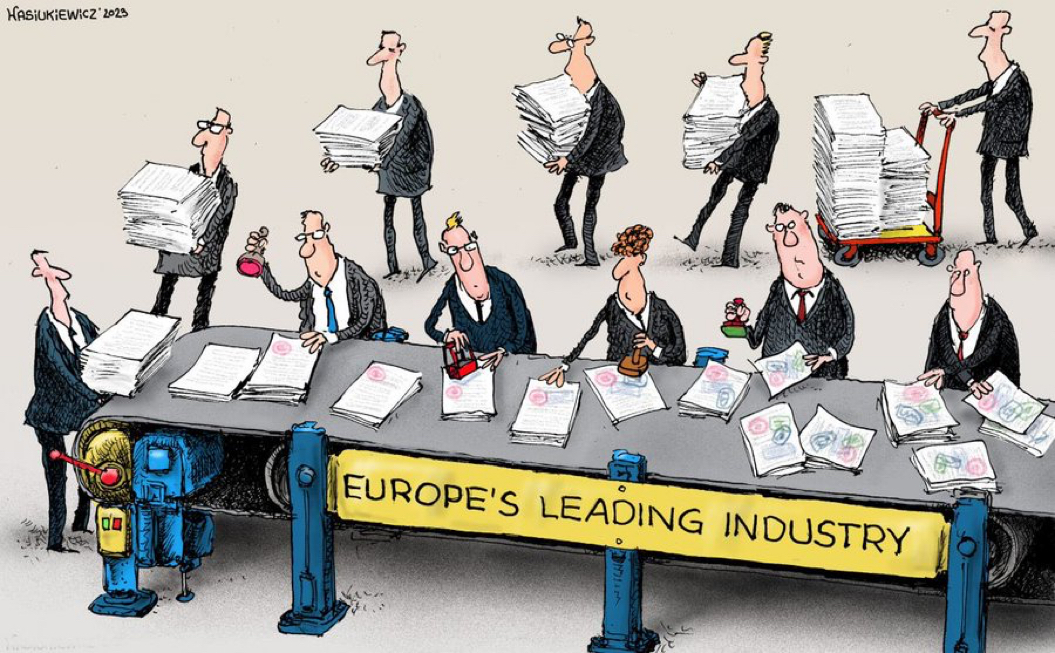
I have a special page for humor involving Europe, but I have not added to it since sharing some Brexit humor in 2016. Let’s being the process of catching up with some amusing cartoons and memes mocking our government-loving cousins on the other side of the Atlantic Ocean. I’ve made the serious point that bureaucrats […]
Targeting big existing businesses may be tempting to politicians, but ensuring market openness will do more good Eric Crampton writes – It’s fair to say that economists like competition. It’s also fair to say that when politicians start talking about competition, economists ought to get a little bit nervous.
The case is straightforward: Google pays firms like Apple billions of dollars to make its search engine the default. (N.B. I would rephrase this as Apple charges Google billions of dollars to make its search engine the default–a phrasing which matters if you want to understand what is really going on. But set that aside […]
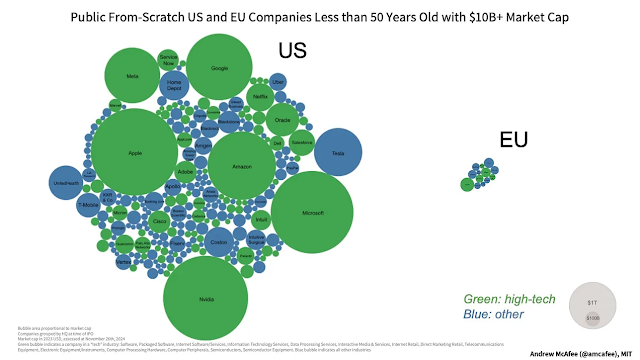
Over at the Geek Way, Andrew McAfee has created a startling visualization related to entrepreneurship in the US and EU. The Draghi Report on EU competitiveness is generating a small buzz among economists. One startling claim is thatthere is no EU company with a market capitalisation over EUR 100 billion that has been set up…
TweetHere’s my just-published remembrance, in Public Choice, of my late teacher, dissertation advisor, co-author, and friend, Bob Ekelund. Three slices: The only textbook assigned for the course was Milton Friedman’s Price Theory. From some younger members of Auburn’s economics faculty, I heard a few cocktail-lubricated complaints that core theory courses in a modern economics Ph.D.…
Enough is enough. Former PMs Helen Clark and Jacinda Ardern should come clean about how they were the Chief Architects of the omni-shambles that has become our health system. They should take responsibility for the folks who suffered from long waiting lists and declining health-care quality, some of whom didn’t make it. The person who…
Why Evolution is True is a blog written by Jerry Coyne, centered on evolution and biology but also dealing with diverse topics like politics, culture, and cats.
In Hume’s spirit, I will attempt to serve as an ambassador from my world of economics, and help in “finding topics of conversation fit for the entertainment of rational creatures.”



Recent Comments