Jeff Bezos tweeted: Yes, the United States has the most progressive tax system in the world. The top 1% pay 40% of taxes, the bottom 50% pay 3% of taxes. We can make it even more progressive by zeroing out taxes on the bottom half. It’s a small amount of the total tax revenue but…
Liberal Economists Score an Own Goal Against Bezos
Liberal Economists Score an Own Goal Against Bezos
25 May 2026 Leave a comment
in applied price theory, fiscal policy, James Buchanan, labour economics, labour supply, macroeconomics, Public Choice, public economics
What does it cost to vote your conscience? Geoffrey Brennan
04 Aug 2022 Leave a comment
in applied price theory, comparative institutional analysis, constitutional political economy, Gordon Tullock, James Buchanan, Public Choice Tags: expressive voting
What is Public Choice Theory? Geoffrey Brennan
03 Aug 2022 Leave a comment
in applied price theory, comparative institutional analysis, constitutional political economy, Gordon Tullock, James Buchanan, Public Choice, public economics Tags: expressive voting, rational ignorance
What should public service economists do?
05 Oct 2020 Leave a comment
in comparative institutional analysis, constitutional political economy, economics of bureaucracy, history of economic thought, James Buchanan, James Buchanan, Public Choice, public economics Tags: The fatal conceit
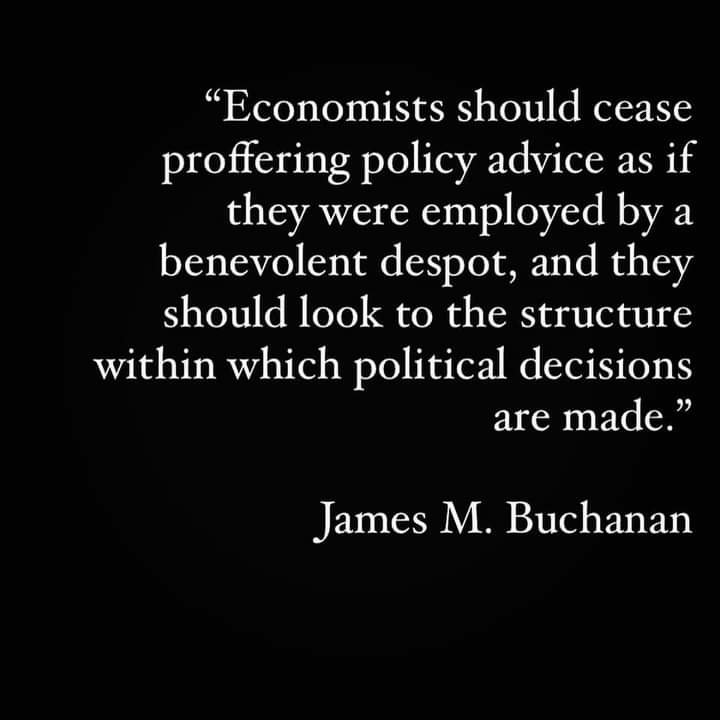
Good summary
25 Jun 2020 Leave a comment
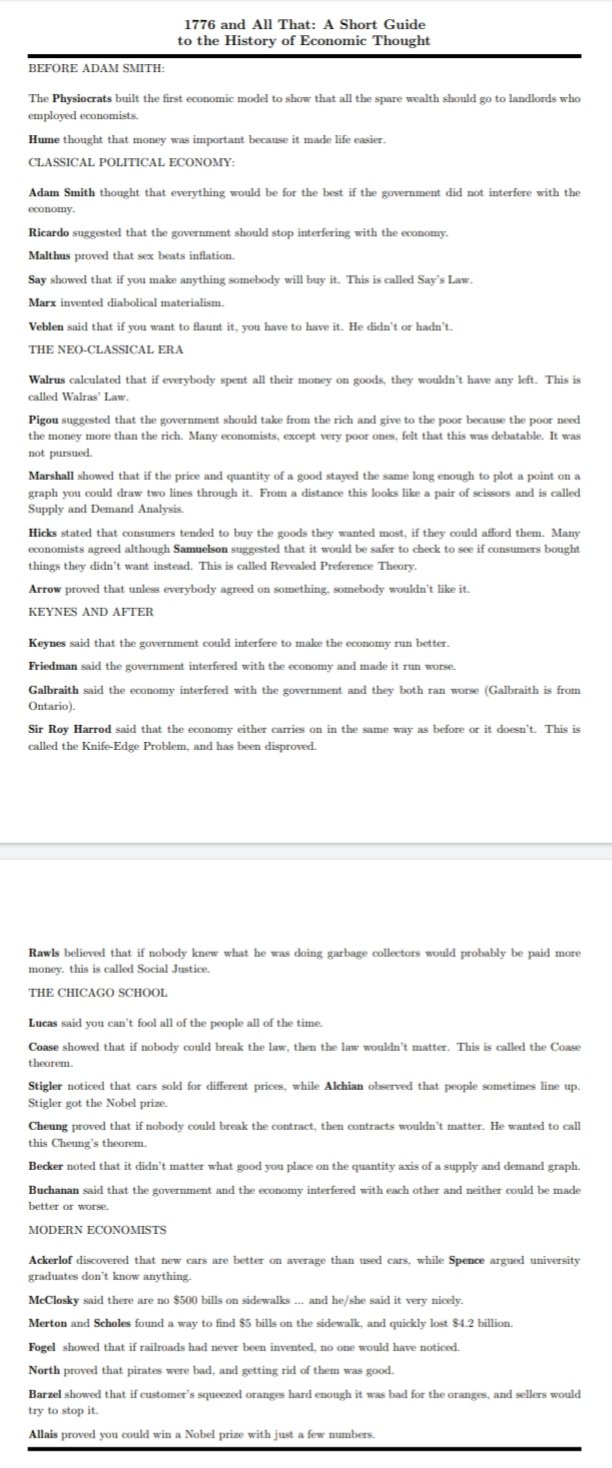
in Adam Smith, Alfred Marshall, applied price theory, applied welfare economics, Armen Alchian, Austrian economics, comparative institutional analysis, constitutional political economy, economic history, economics of crime, economics of regulation, history of economic thought, industrial organisation, James Buchanan, James Buchanan, labour economics, law and economics, Marxist economics, Milton Friedman, property rights, Public Choice, Rawls and Nozick, Robert E. Lucas, Ronald Coase, Ronald Coase, theory of the firm
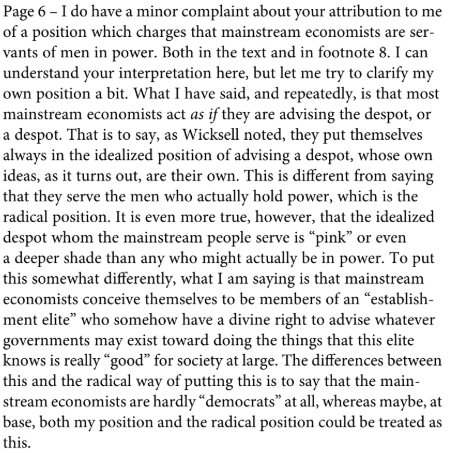
James Buchanan on economic advisors as establishment intellectuals
21 Mar 2020 Leave a comment
in applied welfare economics, constitutional political economy, economics of bureaucracy, economics of education, James Buchanan, Public Choice
From https://books.google.co.nz/books?id=92xzxQEACAAJ&pg=PA3&source=gbs_toc_r&cad=3#v=onepage&q&f=false
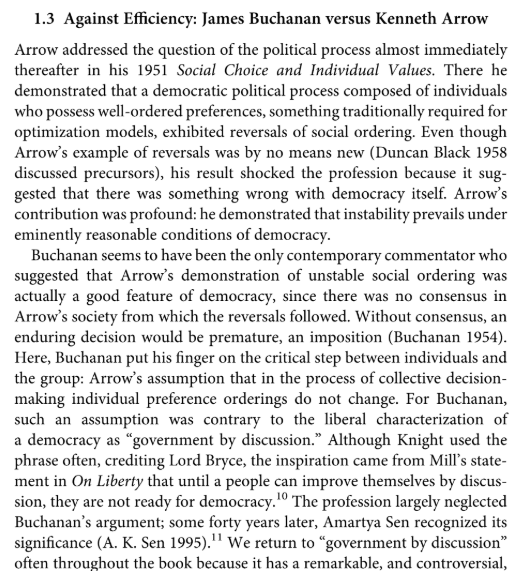
James Buchanan on highly undemocratic Arrow’s Impossibility Theorem
19 Mar 2020 Leave a comment
in applied welfare economics, constitutional political economy, history of economic thought, James Buchanan, Public Choice
From https://books.google.co.nz/books?id=92xzxQEACAAJ&pg=PA3&source=gbs_toc_r&cad=3#v=onepage&q&f=false
The Myth of the Rational Voter: Why Democracies Choose Bad Policies – Annual Casey-McIlvane Lecture
24 Feb 2020 1 Comment
in comparative institutional analysis, constitutional political economy, economics of bureaucracy, economics of education, economics of information, economics of regulation, environmental economics, financial economics, industrial organisation, international economics, James Buchanan, labour economics, law and economics, macroeconomics, Marxist economics, politics - USA, Public Choice, public economics, rentseeking Tags: rational ignorance, rational irrationality
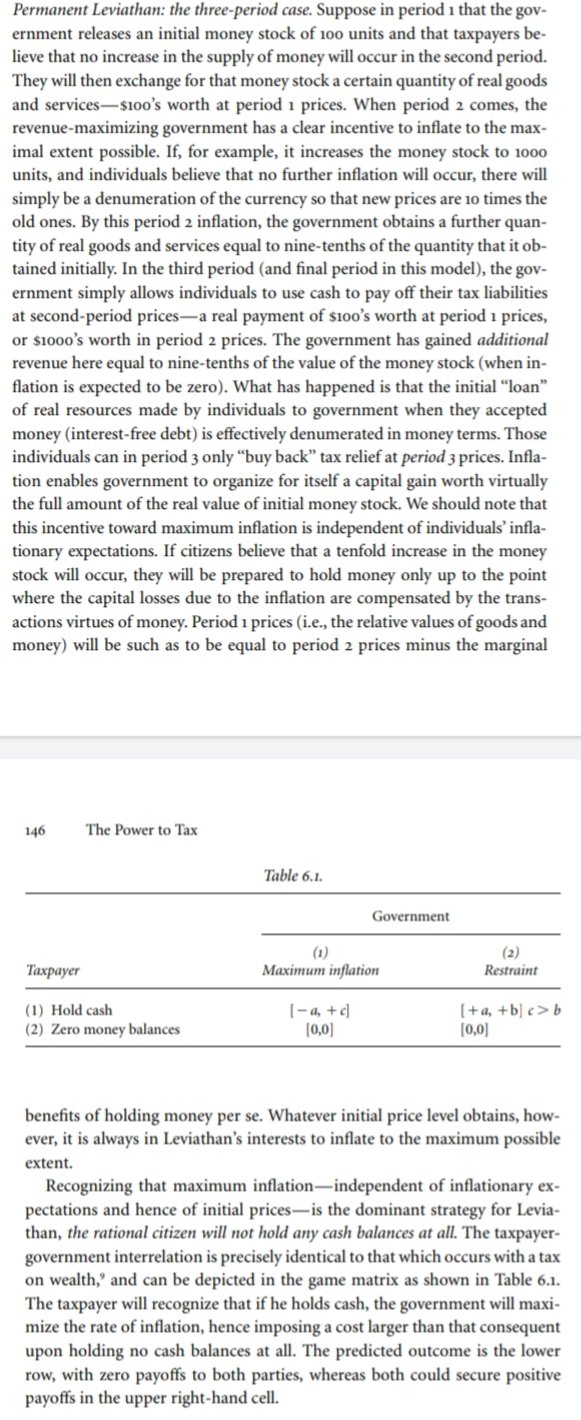
Brennan and Buchanan explain modern monetary theory in The Power to Tax (1980)
03 Jan 2020 Leave a comment
 Utopia, you are standing in it!
Recent Comments