TweetMegan McArdle writes insightfully about California’s pending proposal to soak the rich. Three slices: These days, legislators generally don’t enact tax hikes so confiscatory that they trigger an immediate, obvious response. They adjust income tax rates by a few percentage points, fiddle with the deductions or impose new levies on some tiny portion of the…
Some Links
Some Links
26 Oct 2026 Leave a comment
in applied price theory, entrepreneurship, fiscal policy, human capital, income redistribution, labour economics, labour supply, macroeconomics, politics - USA, poverty and inequality, Public Choice Tags: California, taxation and entrepreneurship, taxation and investment
World Cup pay gap: Here’s why it’s justified | FACTUAL FEMINIST
20 Oct 2026 Leave a comment
in applied price theory, discrimination, gender, industrial organisation, labour economics, labour supply, poverty and inequality, sports economics Tags: gender wage gap
Some Progressives Tried To Abolish the Tipped Minimum Wage. Now They’re Backtracking.
19 Oct 2026 Leave a comment
in applied price theory, economics of regulation, labour economics, minimum wage, politics - USA, poverty and inequality Tags: offsetting behavior, regressive left, unintended consequences
Policymakers across the country are confronting the unfortunate—and predictable—economic results of prohibiting restaurants from paying servers a lower base wage supplemented by tips.
Some Progressives Tried To Abolish the Tipped Minimum Wage. Now They’re Backtracking.
California in-migration and out-migration
14 Oct 2026 Leave a comment
in applied price theory, econometerics, entrepreneurship, fiscal policy, human capital, labour economics, labour supply, macroeconomics, politics - USA, poverty and inequality, public economics Tags: California, taxation and entrepreneurship, taxation and investment, taxation and labour supply, top 1%
Long-run U.S. population movements have been driven more by natural amenities than by jobs, and California, rich in both uniform and complementary climates, should be a persistent net gainer of domestic migrants. It has instead lost residents to other states every year since about 1990. This paper argues that its amenities are unchanged and that…
California in-migration and out-migration
Pay parity
12 Oct 2026 Leave a comment
in discrimination, economics of regulation, gender, human capital, labour economics, labour supply, liberalism, Marxist economics, politics - New Zealand, poverty and inequality Tags: gender wage gap
Bruce Logan writes – On many issues, it’s hard to discern where Labour and National differ. However, one issue highlights a real difference: the demand for pay equity. Labour supports it; see the Equal Pay Act Amendment 2020. National, at least for now, opposes it; see the Equal Pay Amendment Act 2025. But first, to […]
Pay parity
The U.S. Poverty Rate Fell To 10.2%, The Lowest On Record; Median Income Also Reaches All-Time High While Inequality Unchanged
10 Oct 2026 Leave a comment
in politics - USA, labour economics, poverty and inequality Tags: child poverty, family poverty
Every year around this time the U.S. Census Bureau releases its report on incomes and poverty for the previous year. The first year we have an official poverty rate for is 1959.See Income, Poverty and Health Insurance Coverage in the United States: 2025. This is the press release from the U.S. Census Bureau. Excerpts:”The U.S. Census…
The U.S. Poverty Rate Fell To 10.2%, The Lowest On Record; Median Income Also Reaches All-Time High While Inequality Unchanged
Selfish Reasons to Have More Kids: 15th-Anniversary Edition
08 Oct 2026 Leave a comment
in economics of education, human capital, labour economics, poverty and inequality Tags: behavioral genetics
Greetings from Yellowstone!Selfish Reasons to Have More Kids is the only book I ever wrote that definitely improved the world a lot. A lower-bound estimate is that several hundred extra babies were born as a result — a social value of over a billion dollars. Now a new edition of the book, shipping November 17,…
Selfish Reasons to Have More Kids: 15th-Anniversary Edition
Marianne Bertrand, laureate of the Jean-Jacques Laffont Prize 2019
08 Oct 2026 Leave a comment
in applied price theory, discrimination, econometerics, economic history, economics of education, gender, human capital, labour economics, labour supply, occupational choice, poverty and inequality Tags: gender wage gap
Welfare missing from 2026 election
07 Oct 2026 Leave a comment
in labour economics, labour supply, liberalism, Marxist economics, politics - New Zealand, poverty and inequality, welfare reform Tags: 2026 general election
Lindsay Mitchell writes – Welfare is markedly missing from 2026 election campaign issues.There’s been far more debate about Super: its cost, means-testing and the age of eligibility. New Zealand is an outlier. Australia, the UK and the US have a qualifying age of 67. Whether NZ joins must be decided. Super isn’t sustainable. But what […]
Welfare missing from 2026 election
Labour is reneging on its pay equity promise
07 Oct 2026 Leave a comment
in discrimination, gender, labour economics, labour supply, politics - New Zealand, poverty and inequality, Public Choice, rentseeking, unions Tags: 2026 general election, gender wage gap
Bryce Edwards writes – Chris Hipkins has described the coalition’s decision to cancel pay equity claims under urgency as “probably the most reprehensible thing I have seen in my time as a member of Parliament”. He accused ministers of “robbing Paula to pay Paul” and of “sacrificing equal pay for women in order to balance […]
Labour is reneging on its pay equity promise
The beauty premium doesn’t seem to extend to billionaires
06 Oct 2026 Leave a comment
in applied price theory, econometerics, economic history, entrepreneurship, human capital, labour economics, labour supply, poverty and inequality Tags: top 1%
There is a broad literature supporting the existence of a ‘beauty premium’ in labour markets – more attractive workers tend to earn more. There are a number of channels proposed to account for this, including confidence, social or communication skills being higher among more attractive workers, attractive workers sorting into occupations that reward attractiveness, and…
The beauty premium doesn’t seem to extend to billionaires
Some basics on incidence of student loan relief
05 Oct 2026 Leave a comment
in applied price theory, economics of education, labour economics, labour supply, occupational choice, poverty and inequality, Public Choice, public economics, rentseeking
Labour proposes wiping 10% off of outstanding student loan balances for domestic borrowers that are not in arrears and who have not benefitted from fees-free study. That write-down will happen on 1 April.It proposes doing it again in 2031, and each year afterwards, for borrowers in good standing who have been NZ-based over the prior…
Some basics on incidence of student loan relief
Rainbow requirements and Treaty obligations: the HR issues that impede productivity but enhance diversity
03 Oct 2026 Leave a comment
in discrimination, economics of regulation, gender, human capital, labour economics, labour supply, law and economics, poverty and inequality, property rights Tags: employment law
Bob Edlin writes – PoO noted a Newsroom report headed Major export and construction firms warn against legal definition of women. The report draws attention to objections raised to the Legislation (Definitions of Woman and Man) Amendment Bill, which aims to amend the Legislation Act to define “woman” as “an adult human biological female” and […]
Rainbow requirements and Treaty obligations: the HR issues that impede productivity but enhance diversity
America’s Affordability Problem Is Government
02 Oct 2026 Leave a comment
in economic growth, economic history, entrepreneurship, financial economics, history of economic thought, human capital, labour economics, labour supply, macroeconomics, poverty and inequality Tags: The Great Enrichment, top 1%

I have a series of columns (2021, 2024, 2025, and 2026). documenting that Americans are getting richer. And here’s a chart that adds additional evidence. More and more households over time are high income (over $100k) and fewer and fewer are low income (under $35k). And, yes, these numbers are adjusted for inflation. The chart was […]
America’s Affordability Problem Is Government
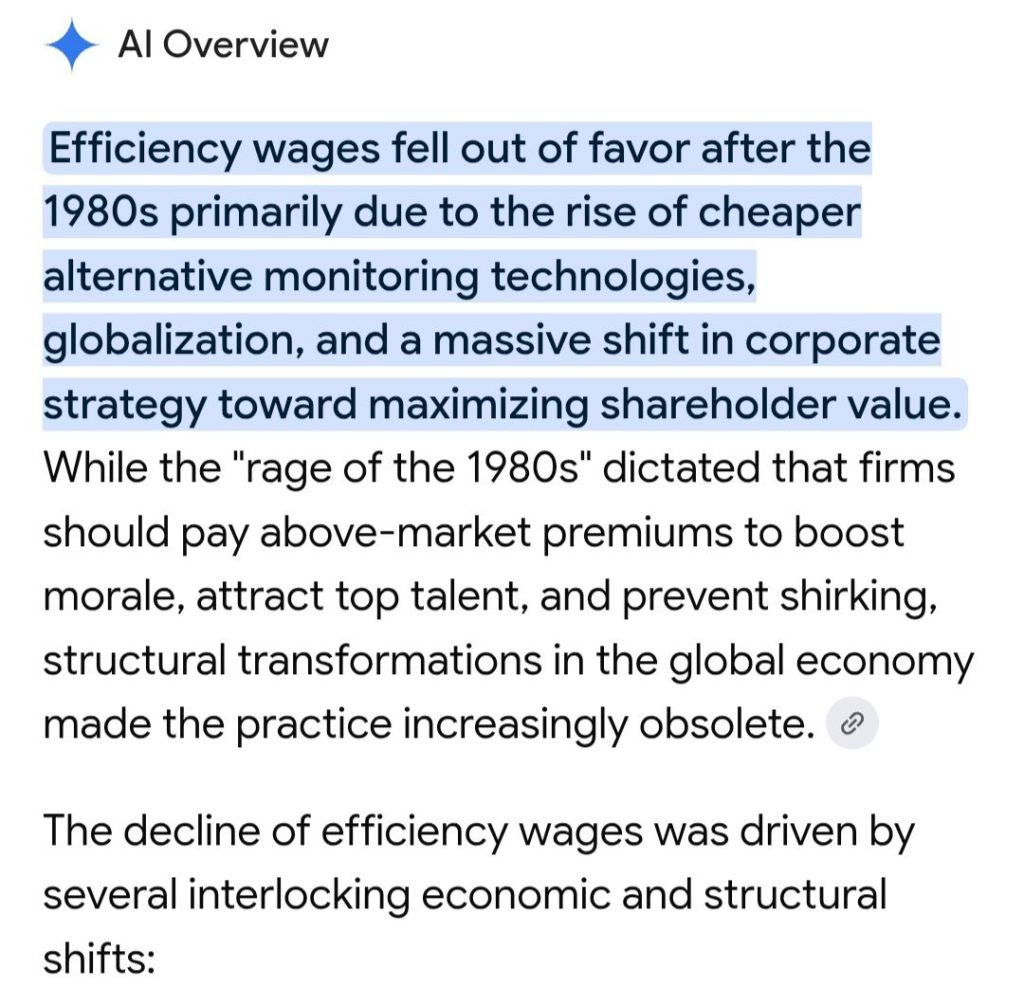
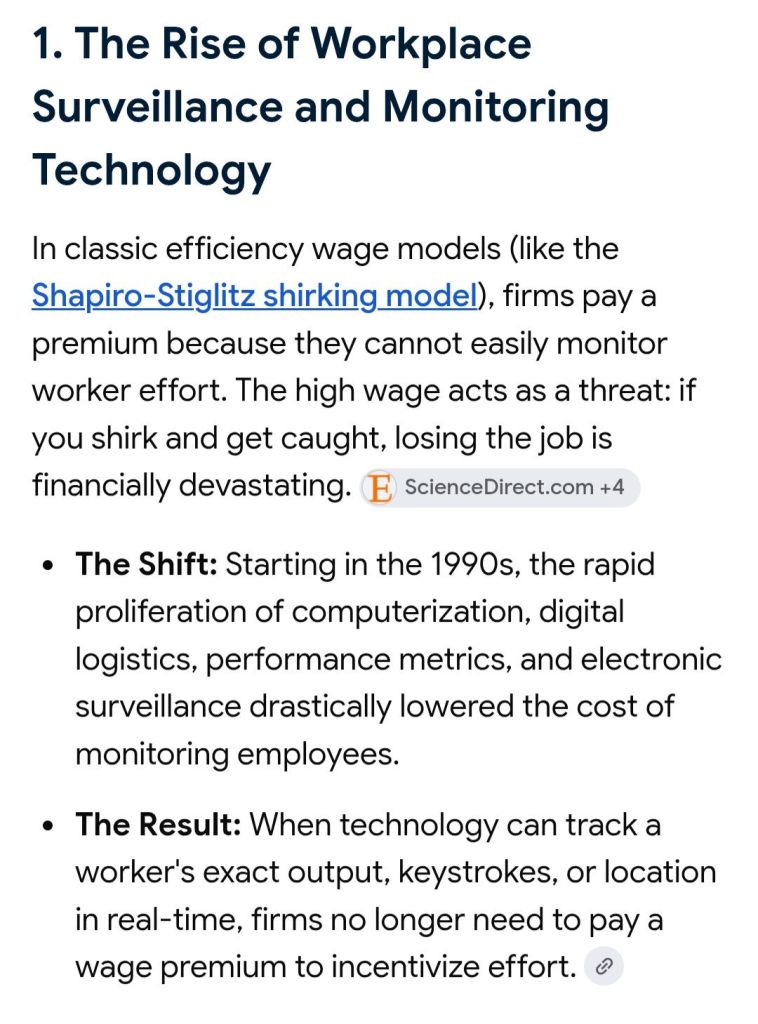
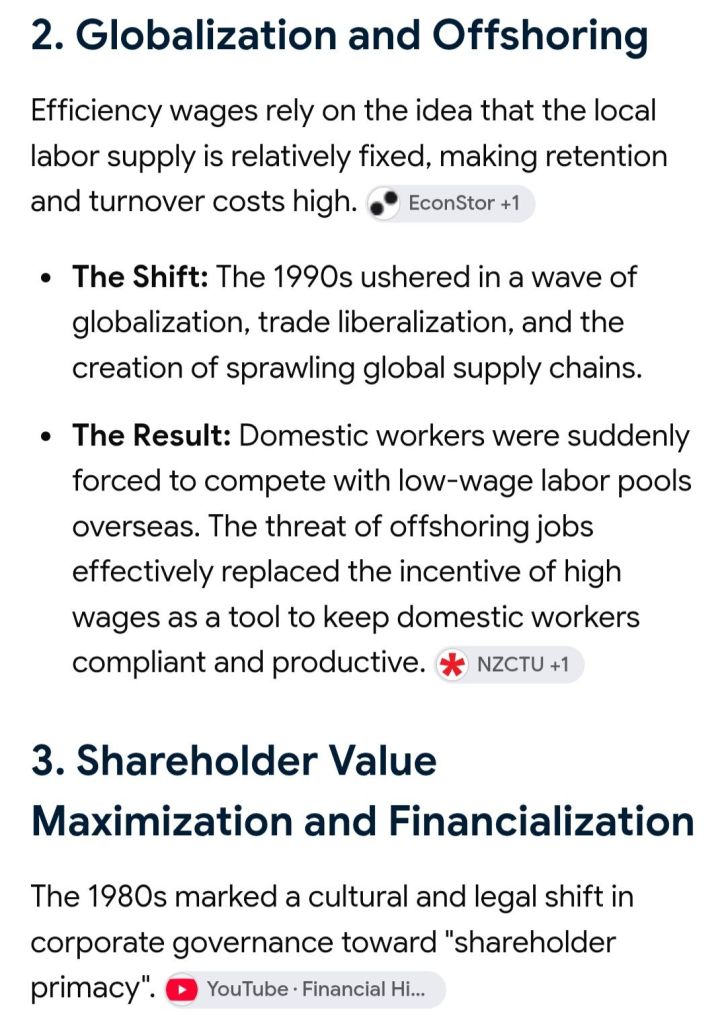
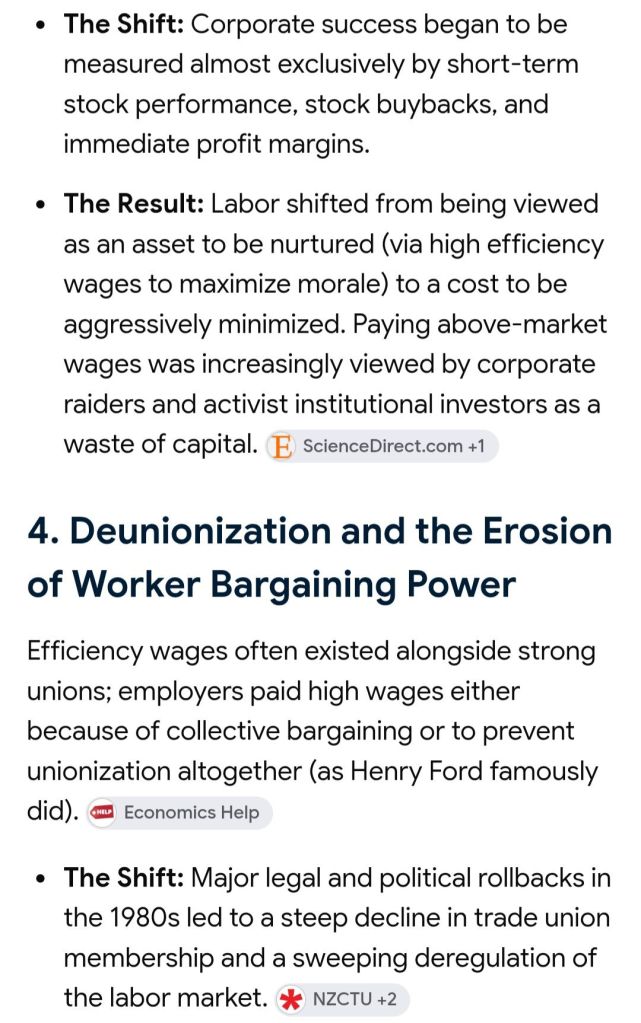
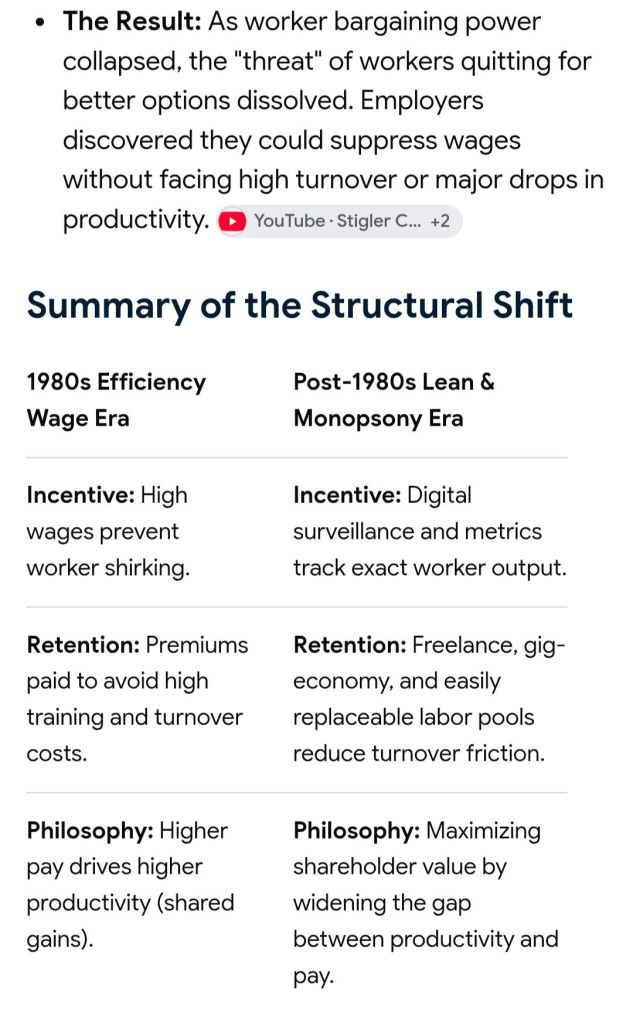
Why did efficiency wages fall out of favour – AI explanation part 1
29 Sep 2026 Leave a comment
in applied price theory, economic history, history of economic thought, human capital, industrial organisation, international economics, labour economics, labour supply, occupational choice, poverty and inequality, survivor principle, unemployment Tags: efficiency wage


Recent Comments