Defining the Unemployment Rate
22 Oct 2026 Leave a comment
in business cycles, history of economic thought, labour economics, labour supply, macroeconomics, unemployment
An updated version of our Marginal Revolution University (MRU) video on defining the unemployment rate. Free to use for anyone but goes best, of course, with Modern Principles of Economics, the best principles of economics textbook. The post Defining the Unemployment Rate appeared first on Marginal REVOLUTION.
Defining the Unemployment Rate
Michael Woodford, Nobel Laureate
13 Oct 2026 Leave a comment
in labour economics, macroeconomics, history of economic thought, monetarism, business cycles, unemployment, monetary economics
I think of Michael Woodford as the kind of economist who studies something very specific very intensively and tries to get it just right. But in his case he is not studying something small and irrelevant, he is studying “monetary policy.” I think of him as the economist who put monetary policy and “monetarism” —…
Michael Woodford, Nobel Laureate
The Nobel Prize Goes to Robert Hall and Michael Woodford
13 Oct 2026 Leave a comment
in business cycles, history of economic thought, labour economics, macroeconomics, monetarism, monetary economics, unemployment
Twenty-five years ago Tyler told me he thought Robert Hall should win the Nobel. He has been a contender for so long today’s award was a surprise! Hall has an unusual number of unexpectedly creative papers. His best known is on consumption. Start with the textbook Keynesian model: Y = C + I + G…
The Nobel Prize Goes to Robert Hall and Michael Woodford
Robert E. Hall, Nobel Laureate
13 Oct 2026 1 Comment
in business cycles, economic growth, fiscal policy, history of economic thought, labour economics, macroeconomics, monetarism, monetary economics, unemployment
Alex has already covered this, I will add a few remarks. First, every Bob Hall paper is interesting! Only a handful of economists can say the same. Every paper has an idea, and some sort of novel contribution. His lesser-known papers can be as thought-provoking as the more famous ones. Here is Bob on scholar.google.com. …
Robert E. Hall, Nobel Laureate
Sargent on moderate inflations
11 Oct 2026 Leave a comment
in labour economics, macroeconomics, history of economic thought, monetarism, inflation targeting, economic history, fiscal policy, budget deficits, business cycles, unemployment, monetary economics Tags: monetary policy
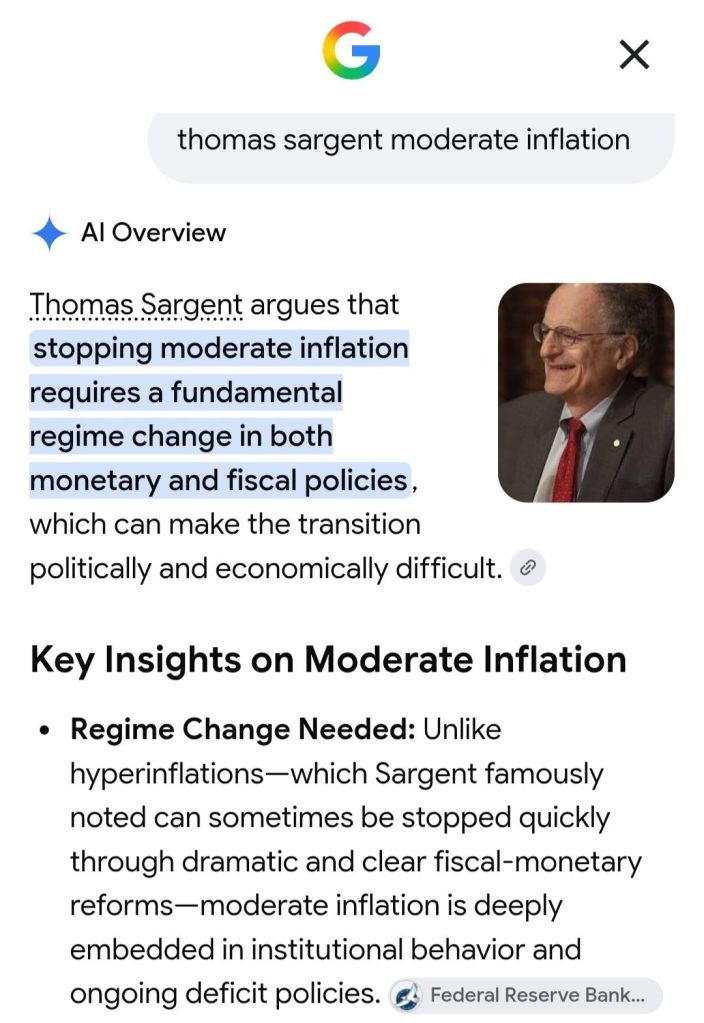
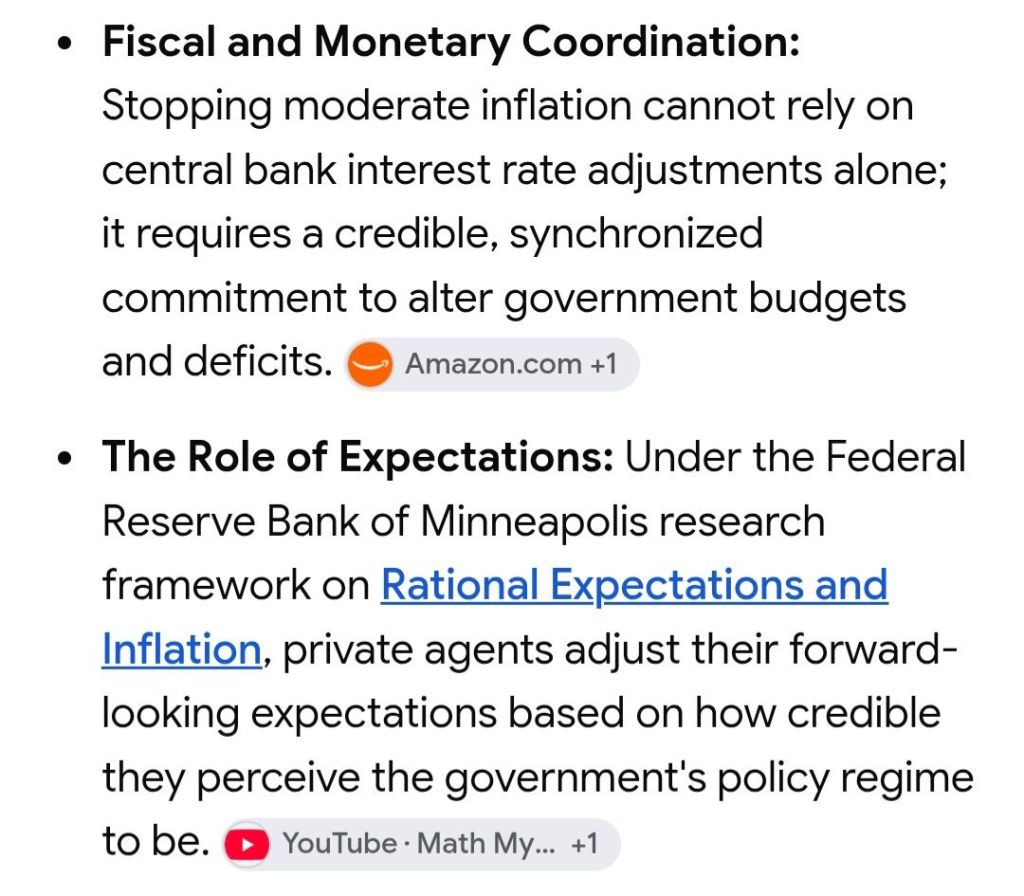
Sargent on moderate inflations
04 Oct 2026 Leave a comment
in budget deficits, business cycles, economic history, fiscal policy, history of economic thought, labour economics, labour supply, macroeconomics, monetarism, monetary economics, unemployment Tags: monetary policy
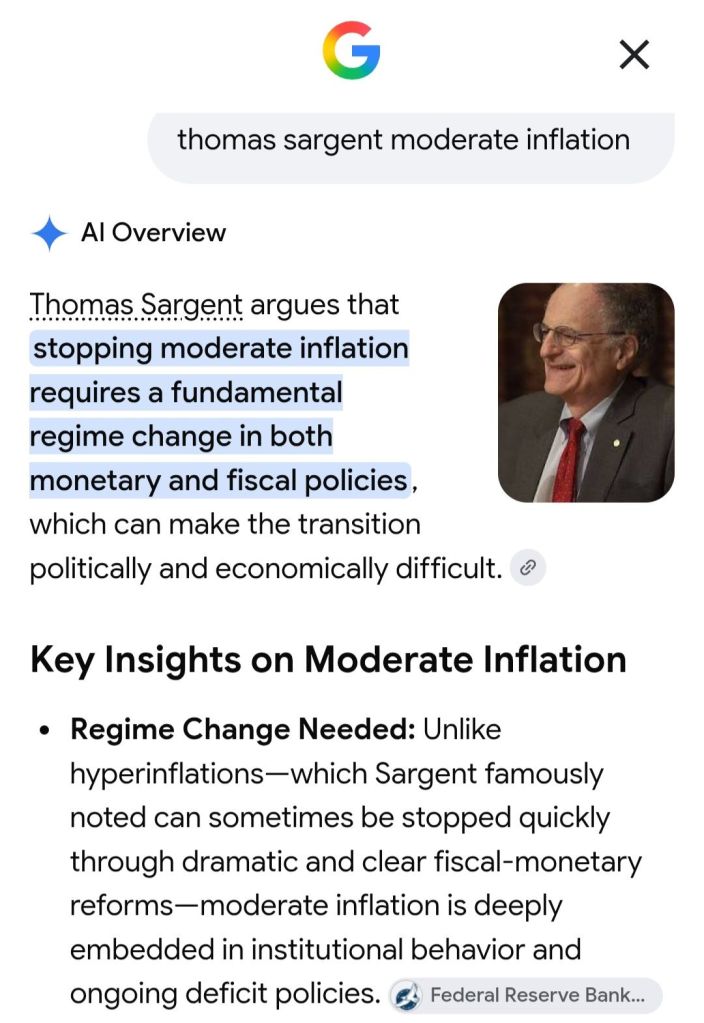
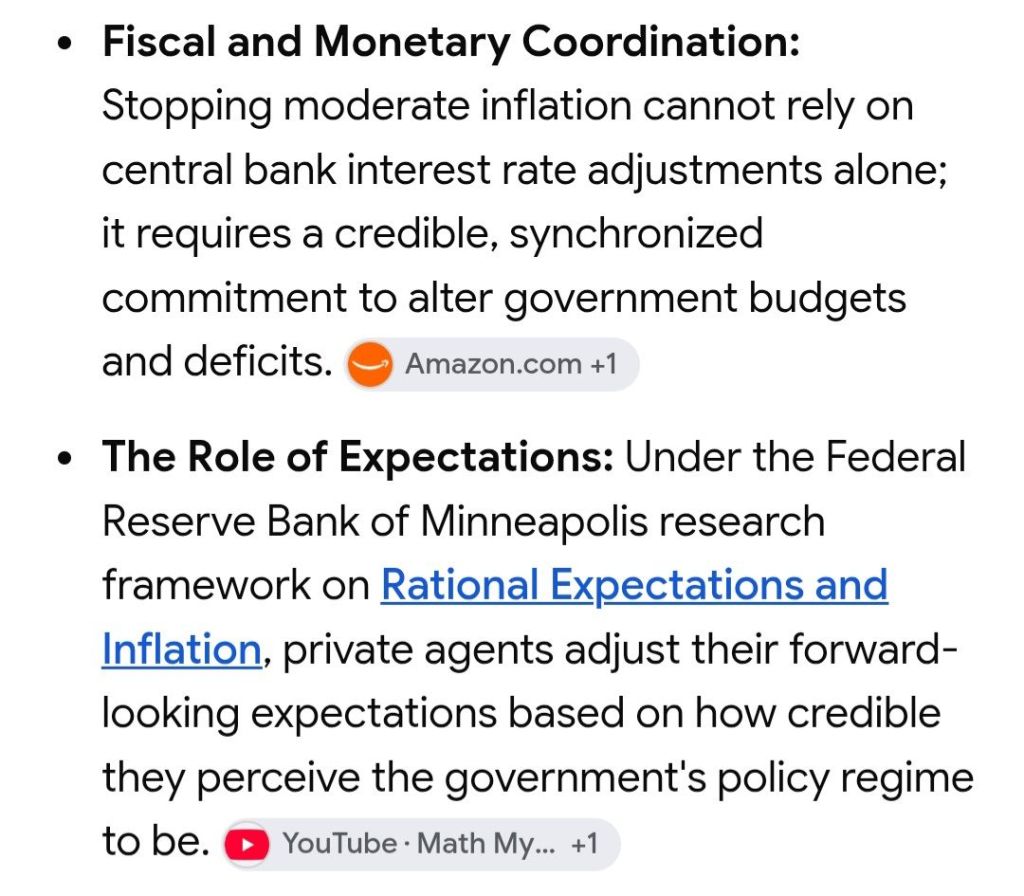
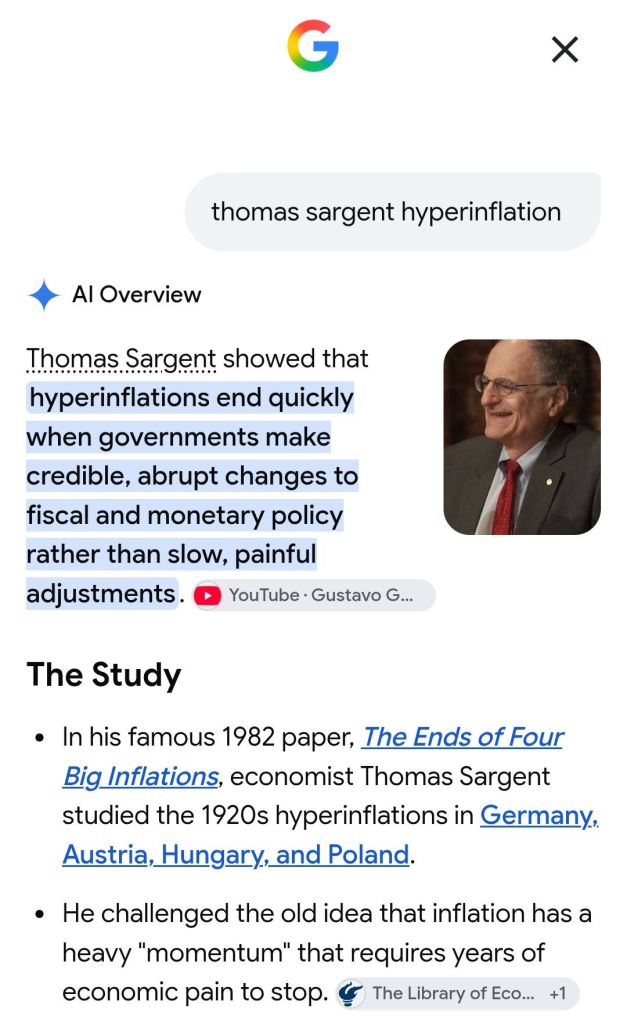
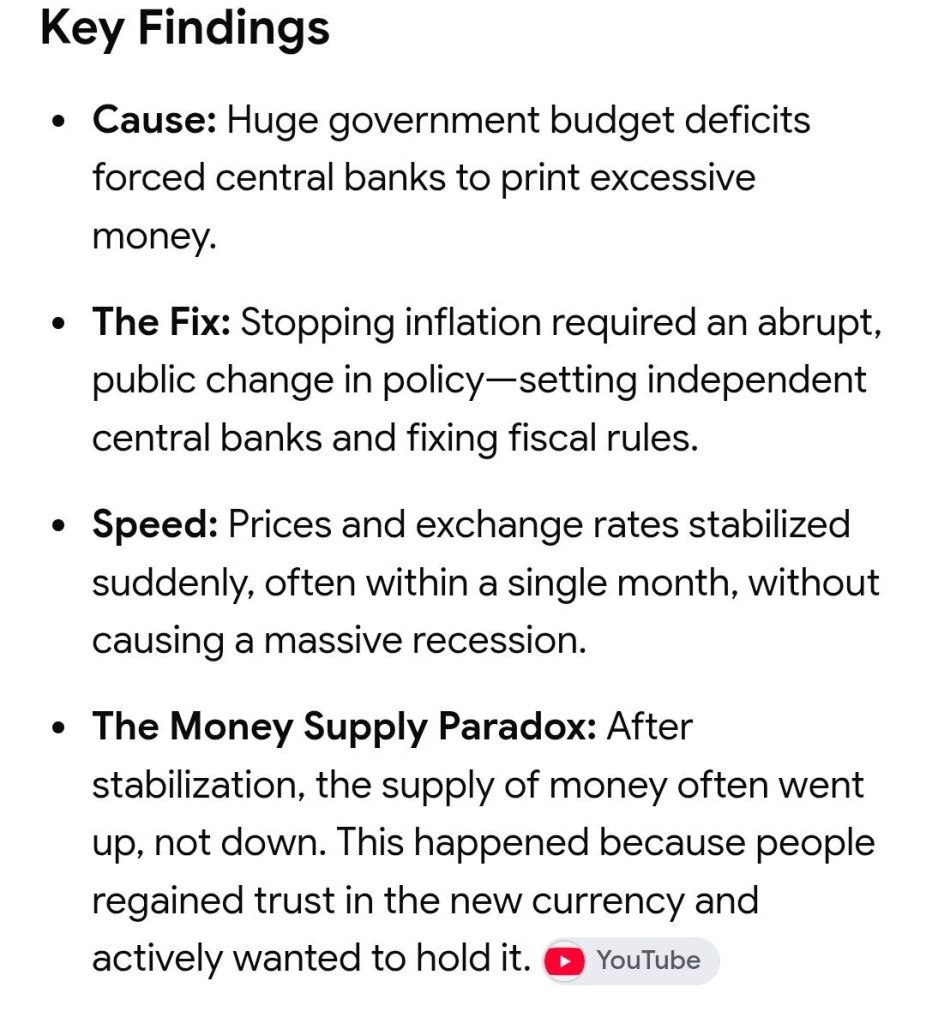
Sargent on hyperinflation
02 Oct 2026 Leave a comment
in budget deficits, business cycles, economic history, fiscal policy, history of economic thought, labour economics, labour supply, macroeconomics, monetarism, monetary economics, unemployment Tags: hyperinflation, monetary policy
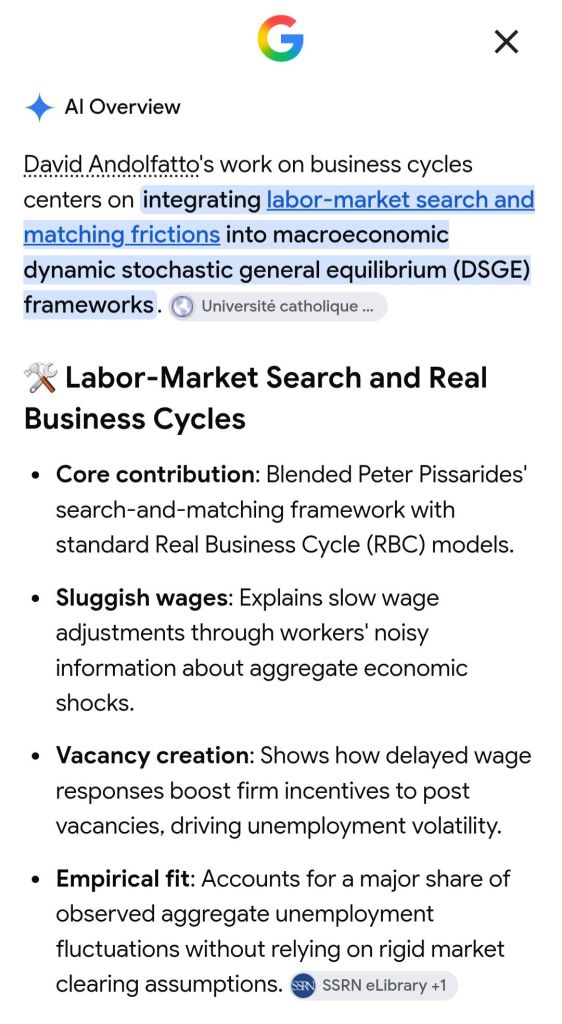
Andolfatto on business cycles
01 Oct 2026 Leave a comment
in business cycles, history of economic thought, job search and matching, labour economics, labour supply, macroeconomics, unemployment
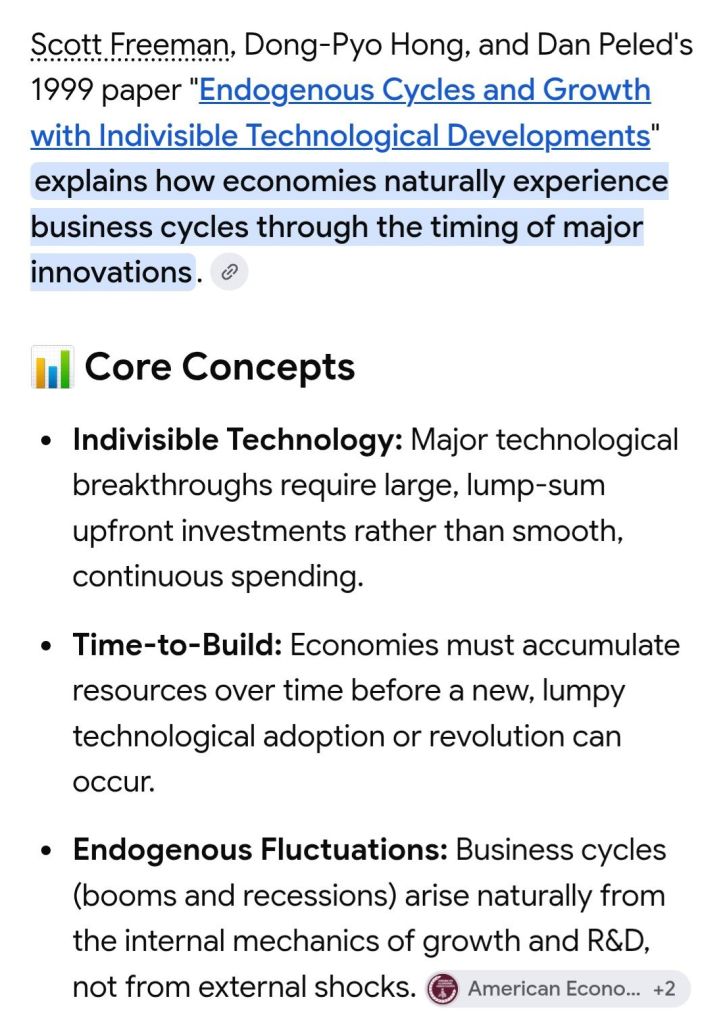
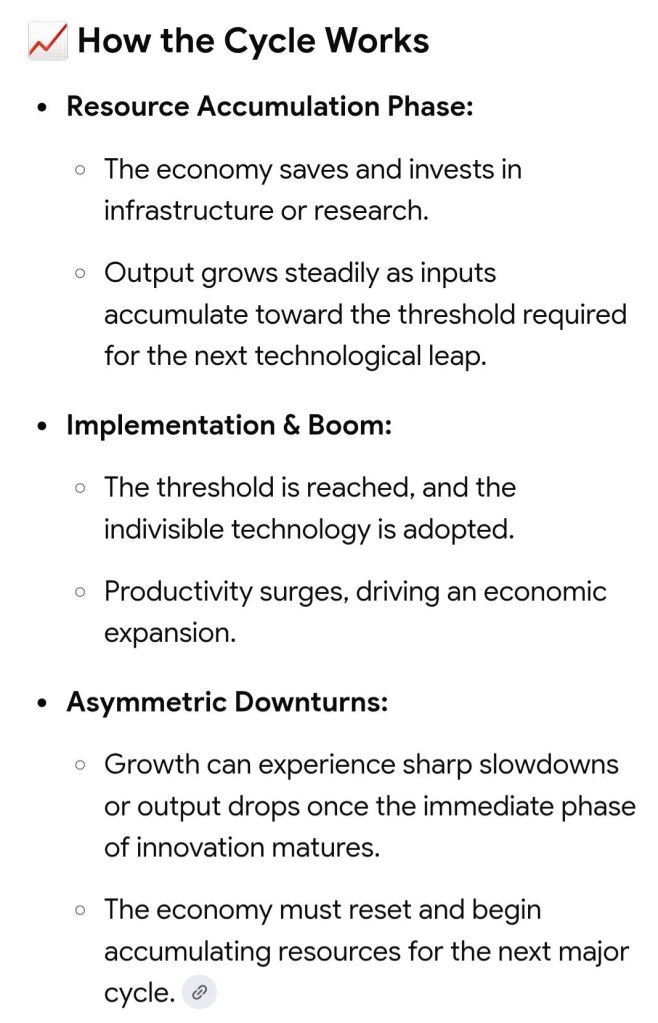
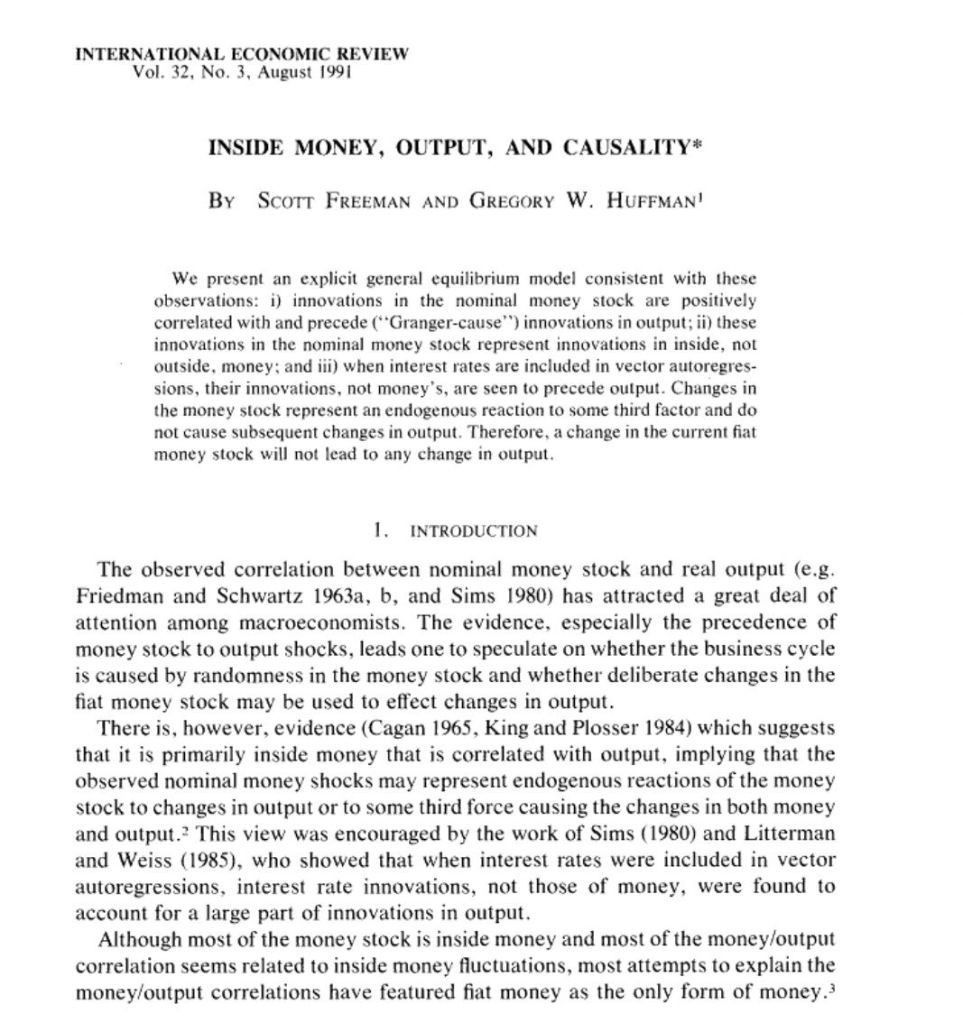
Scott Freeman and the AI boom and possible initial slowdown
30 Sep 2026 Leave a comment
in applied price theory, business cycles, economic growth, economic history, entrepreneurship, history of economic thought, labour economics, labour supply, macroeconomics, monetary economics, unemployment Tags: real business cycle theory
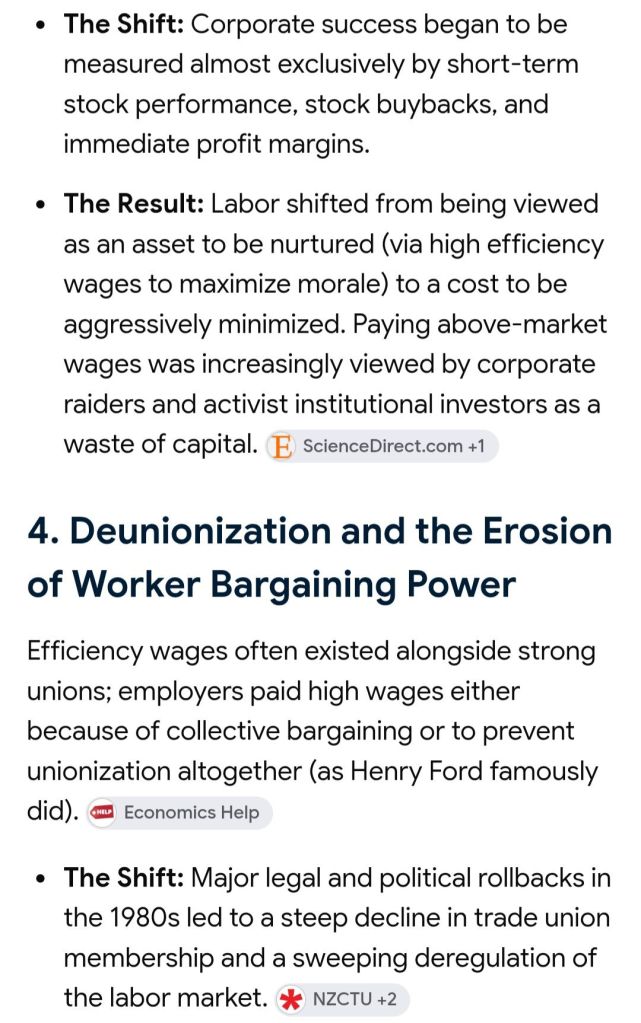
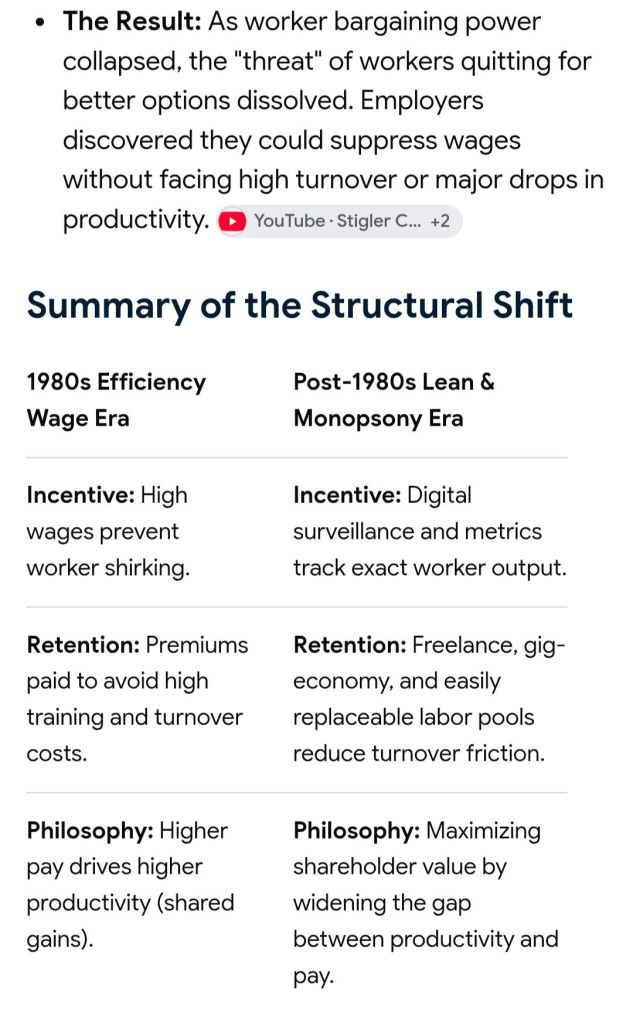
Why did efficiency wages fall out of favour – AI explanation part 1
29 Sep 2026 Leave a comment
in applied price theory, economic history, history of economic thought, human capital, industrial organisation, international economics, labour economics, labour supply, occupational choice, poverty and inequality, survivor principle, unemployment Tags: efficiency wage
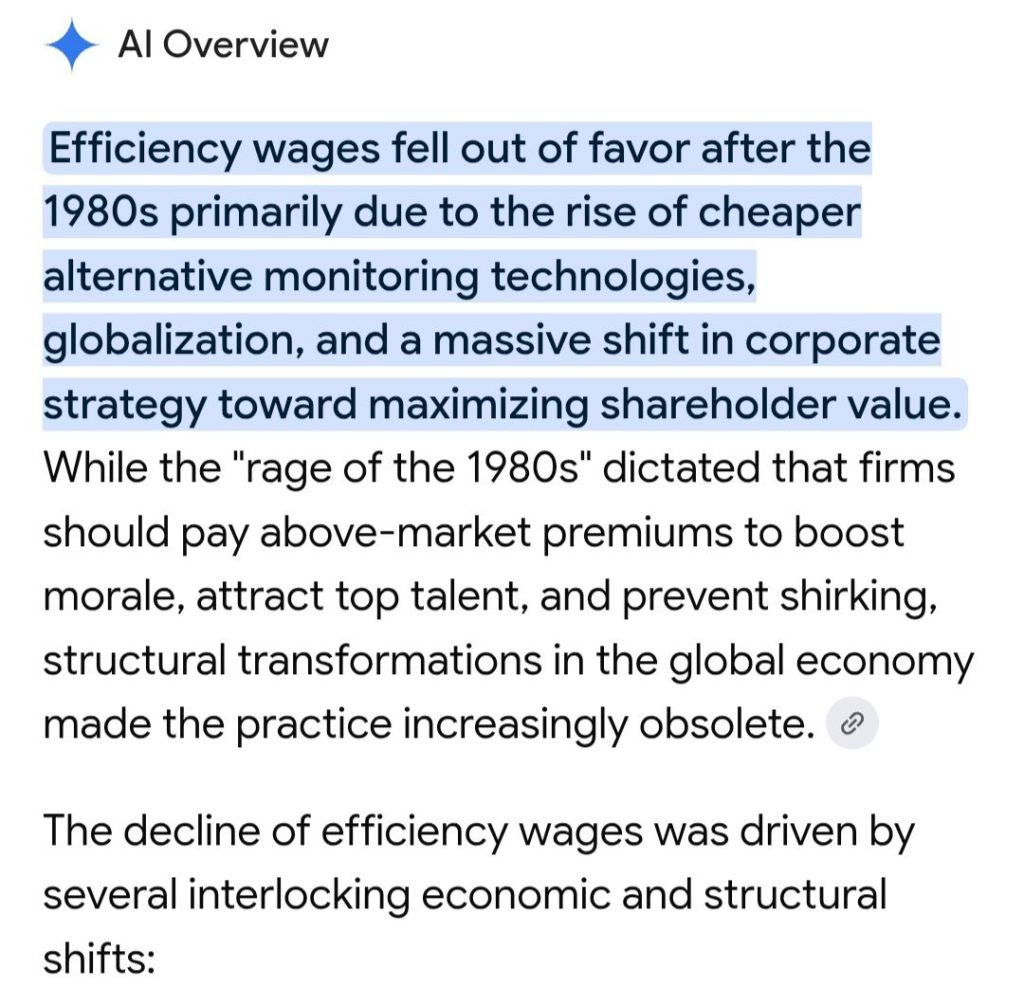
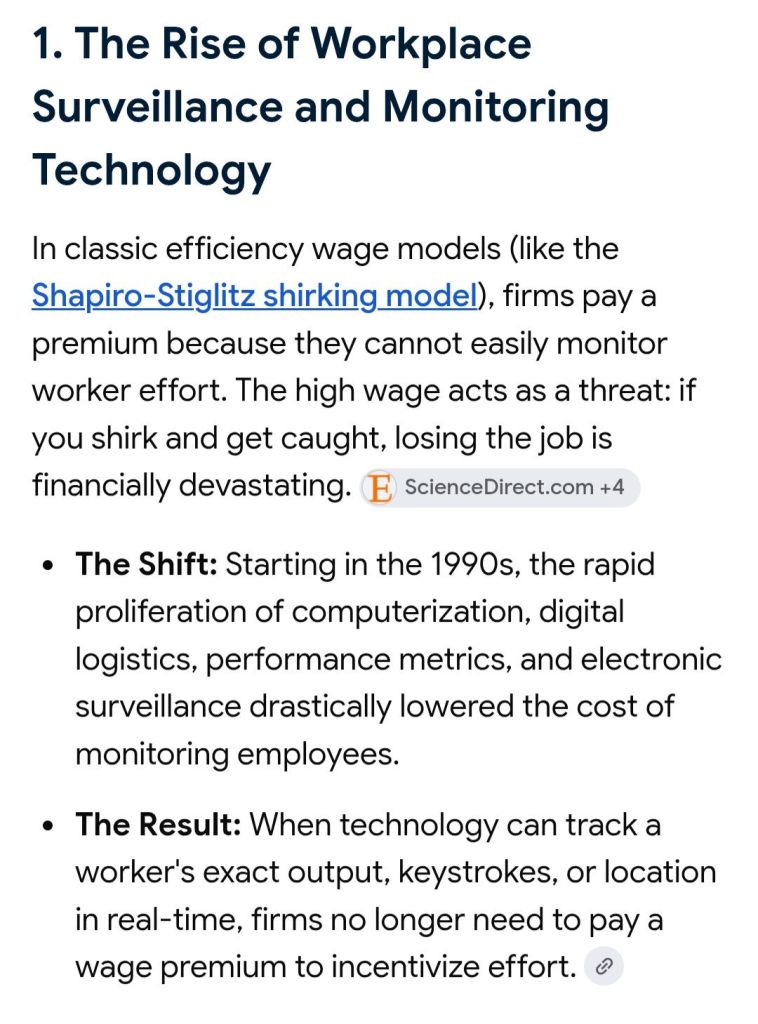
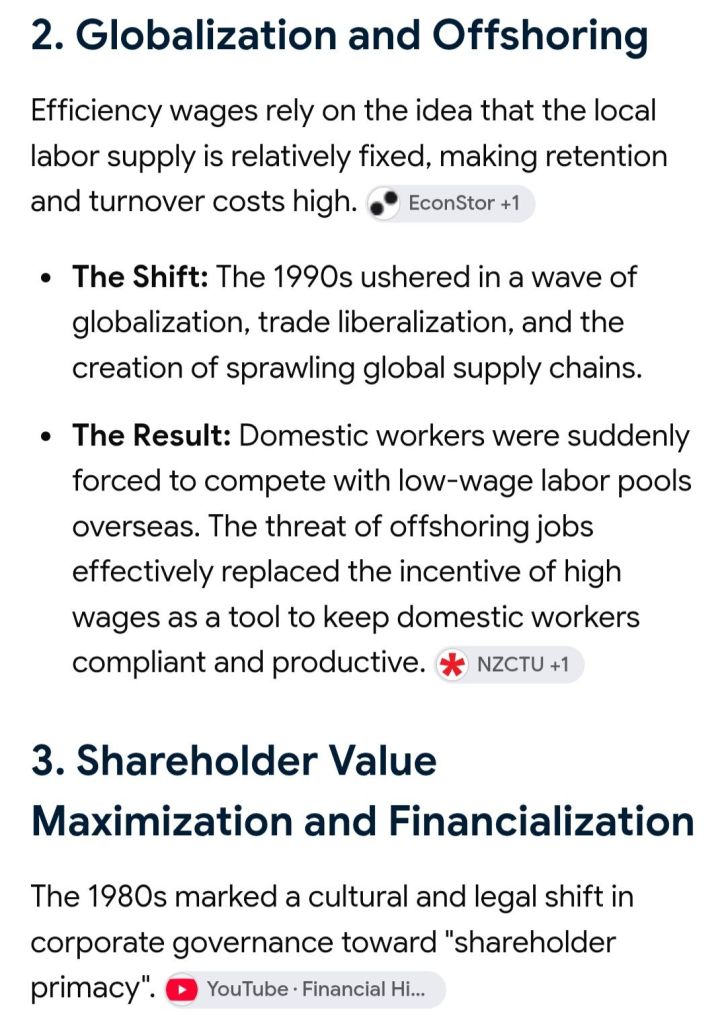
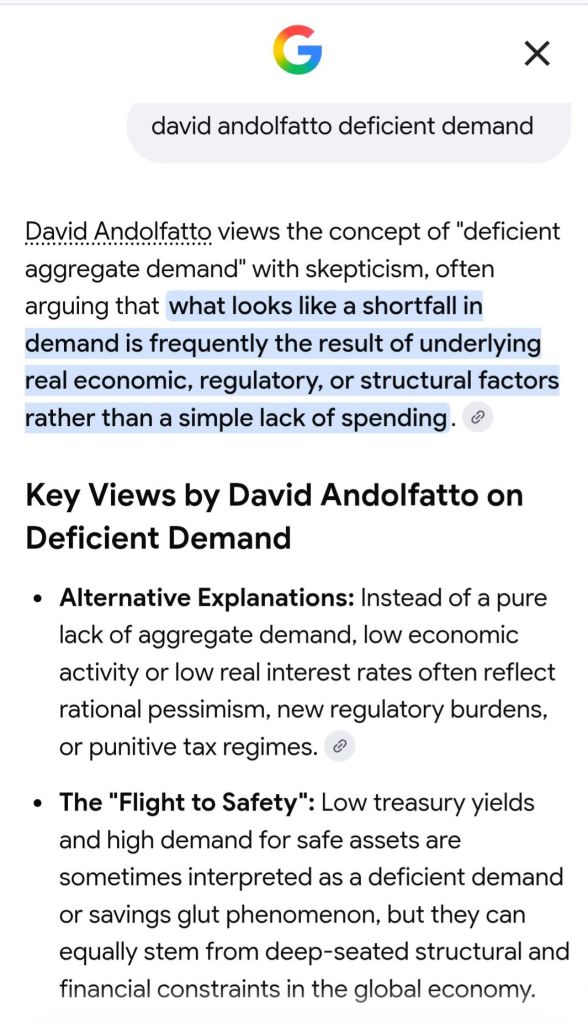
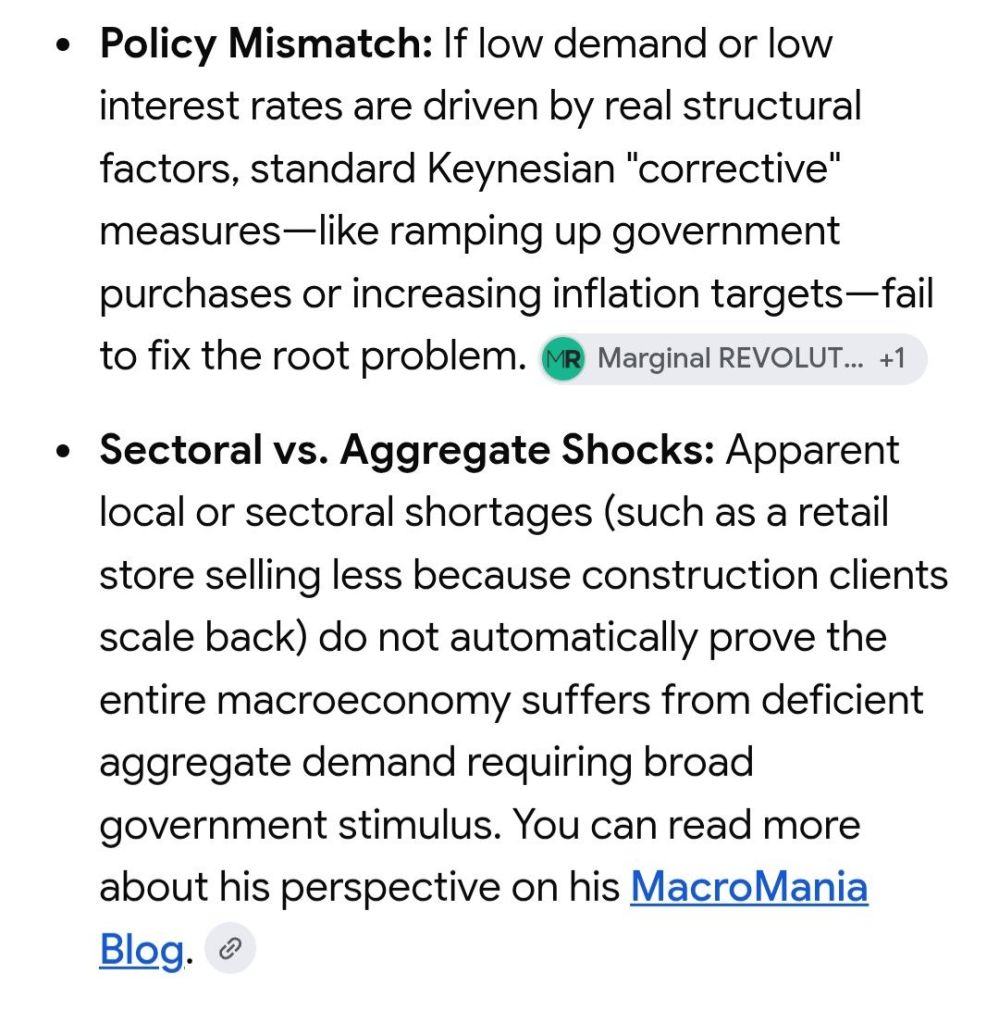
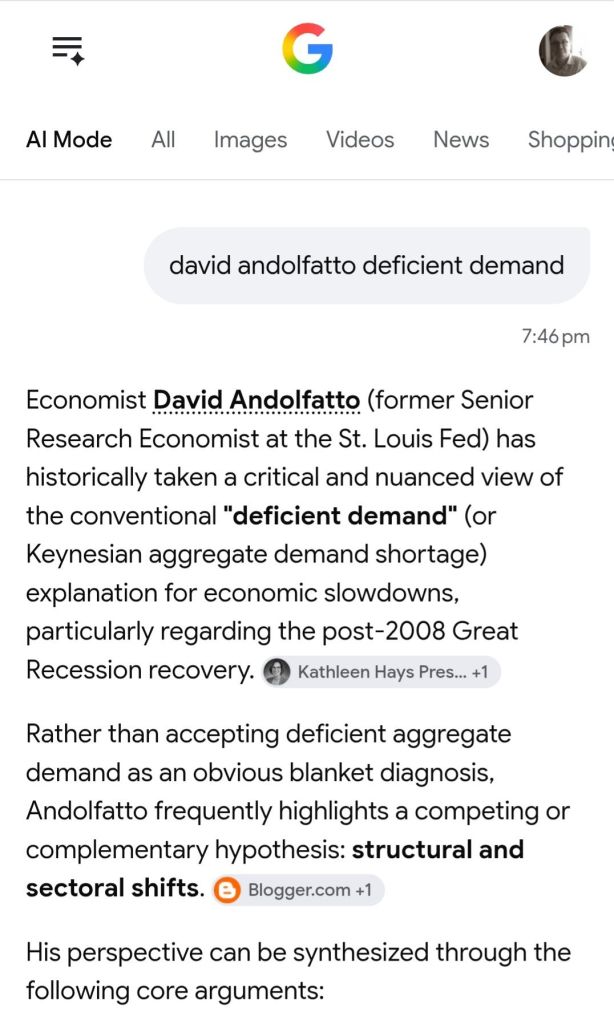
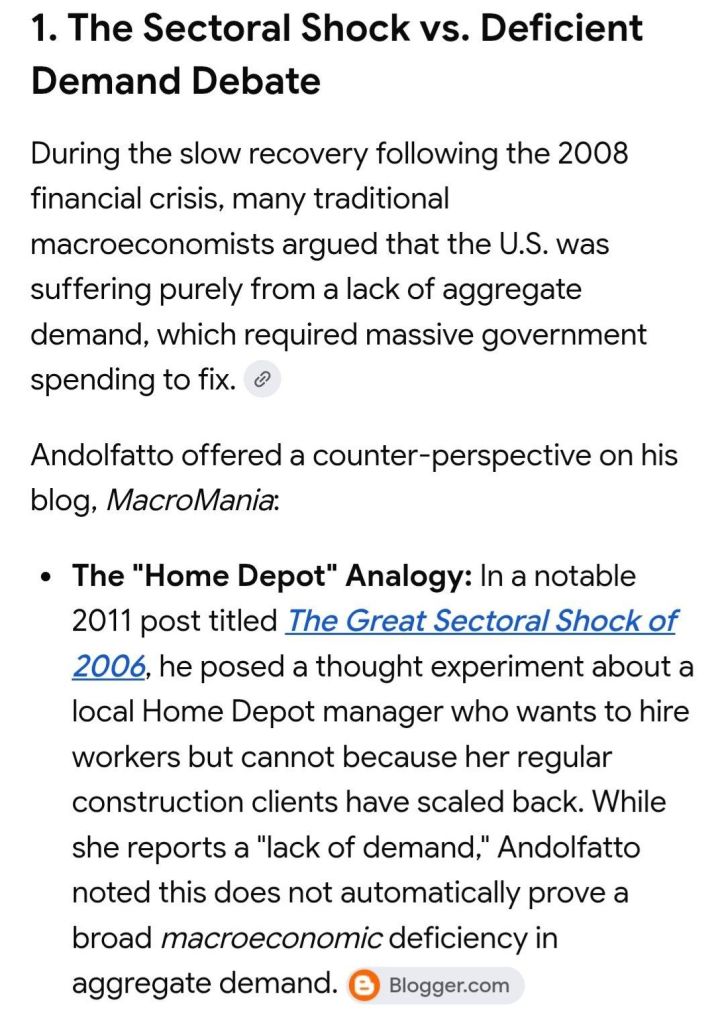
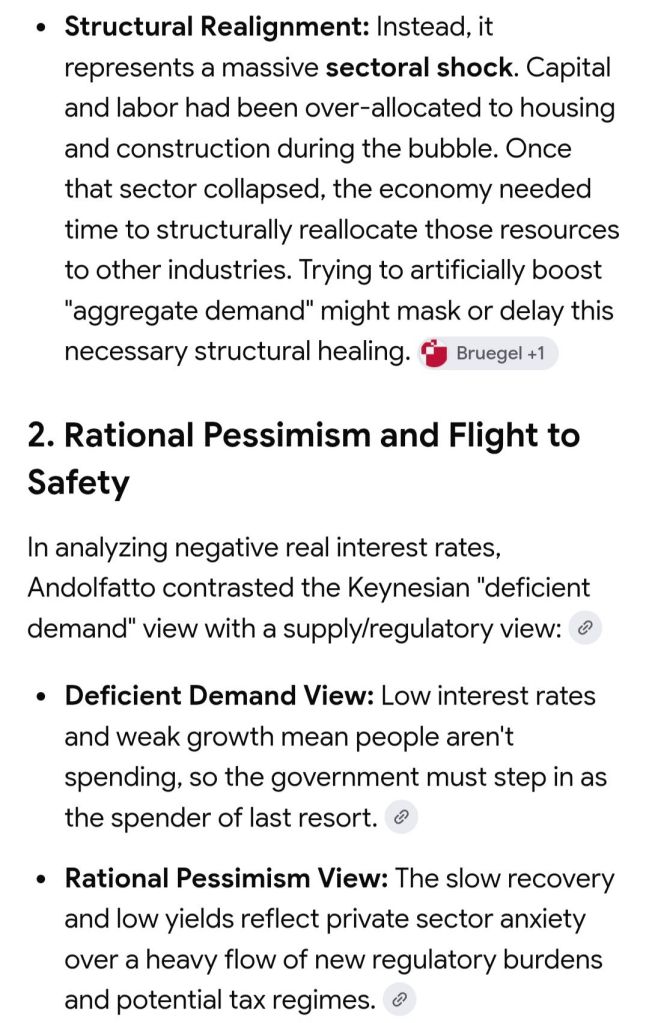
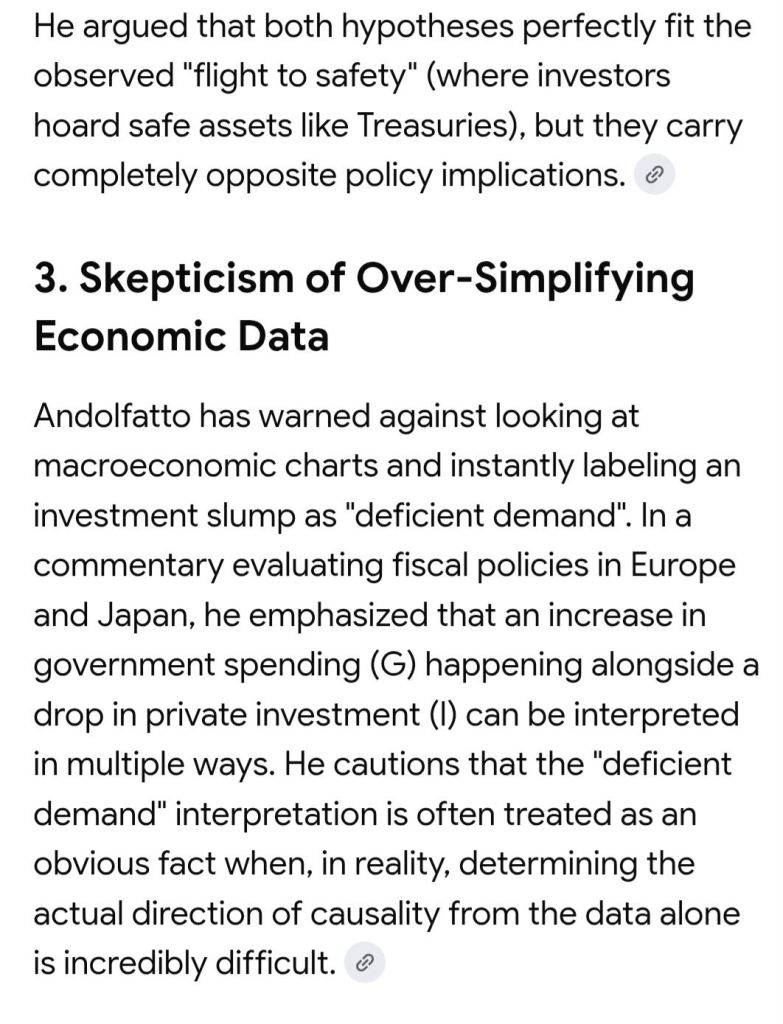
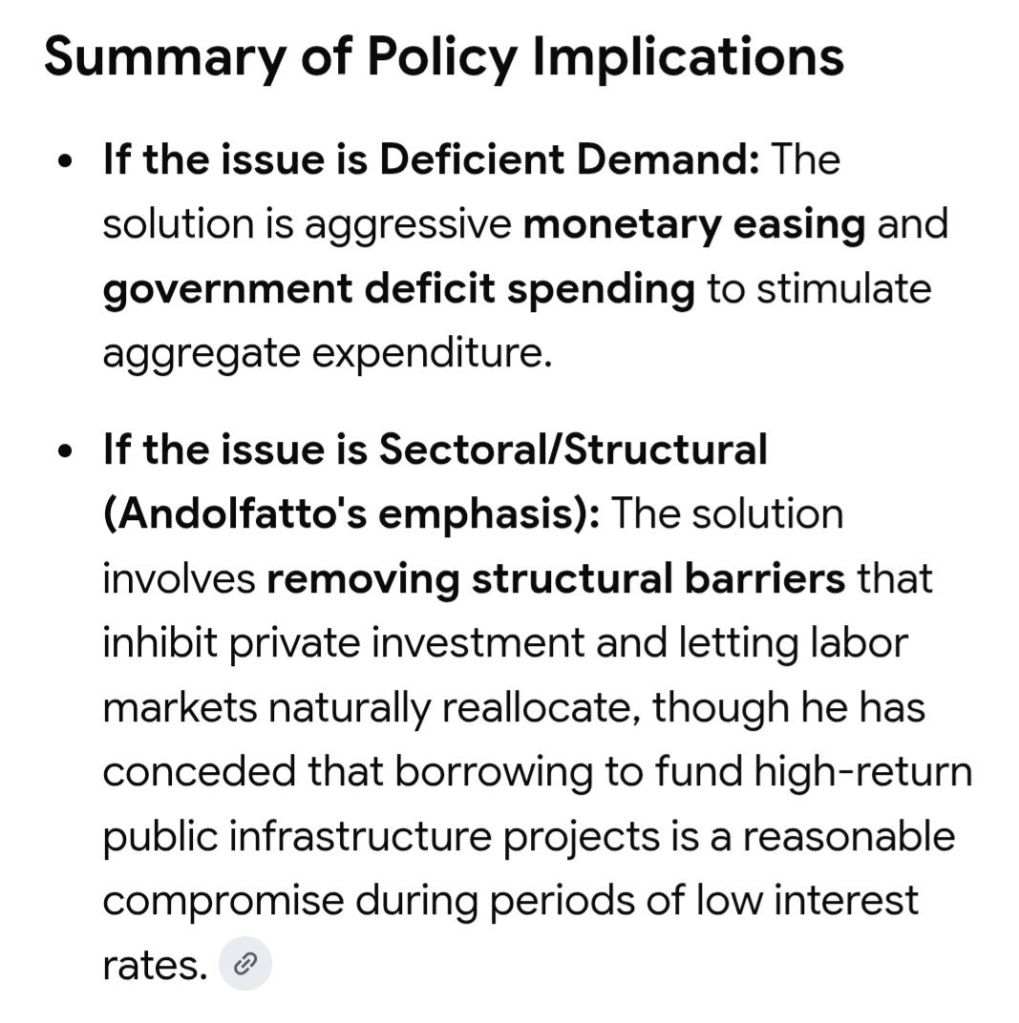
Two AI summaries of @Dandolfa on deficient demand
26 Sep 2026 Leave a comment
in budget deficits, business cycles, fiscal policy, history of economic thought, job search and matching, labour economics, labour supply, macroeconomics, monetary economics, unemployment Tags: monetary policy
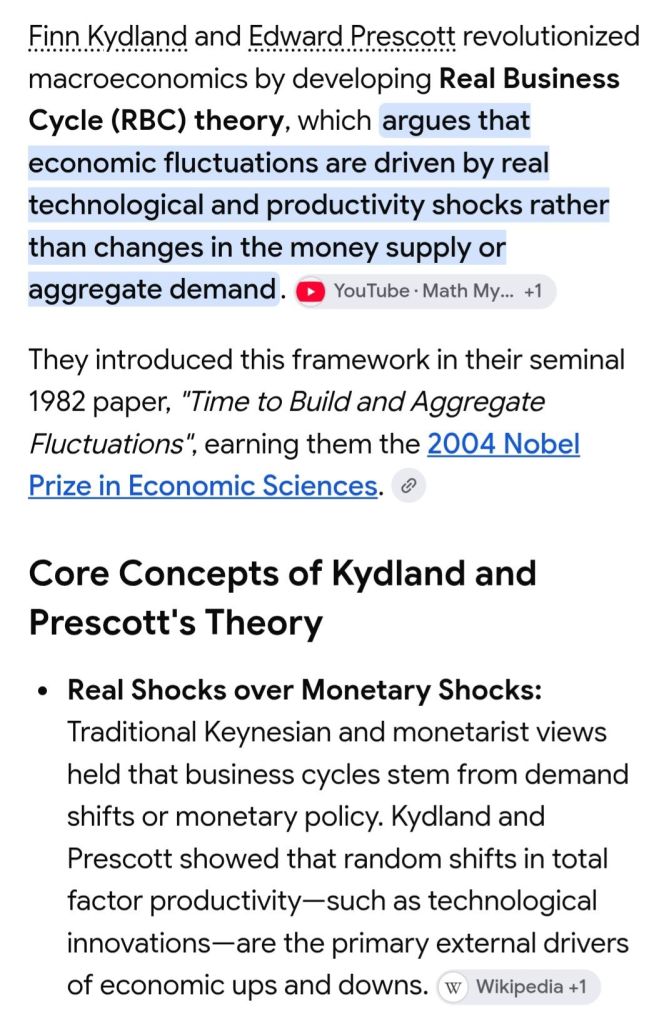
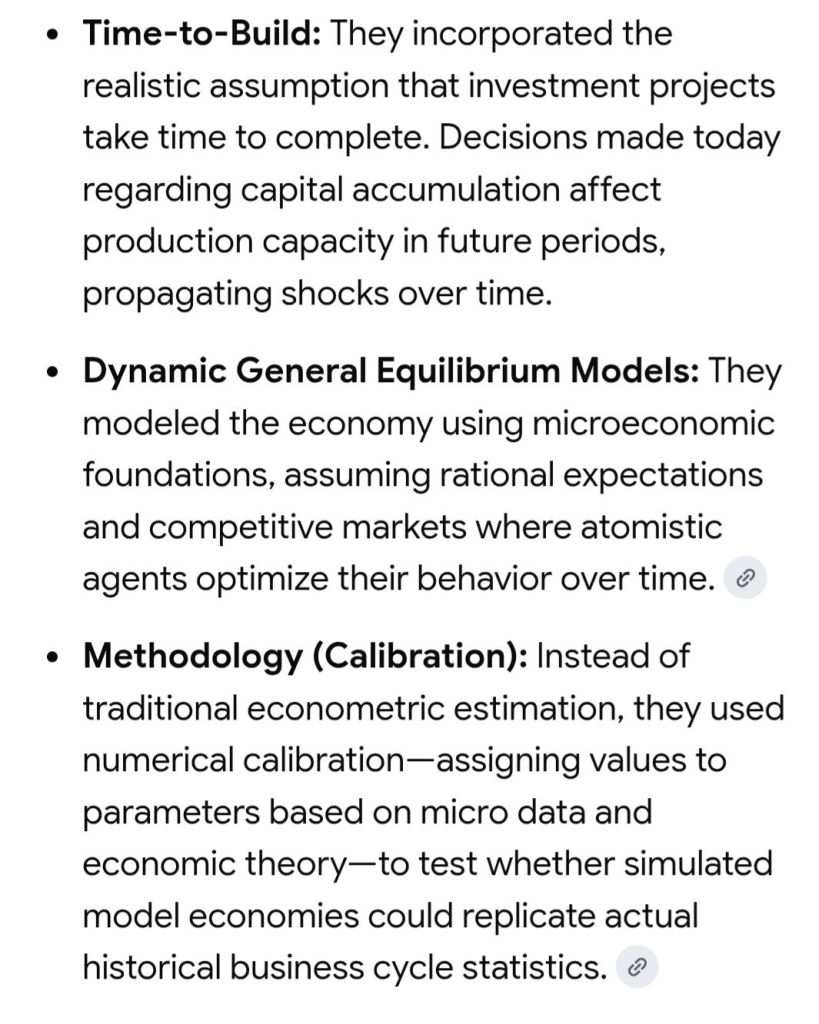
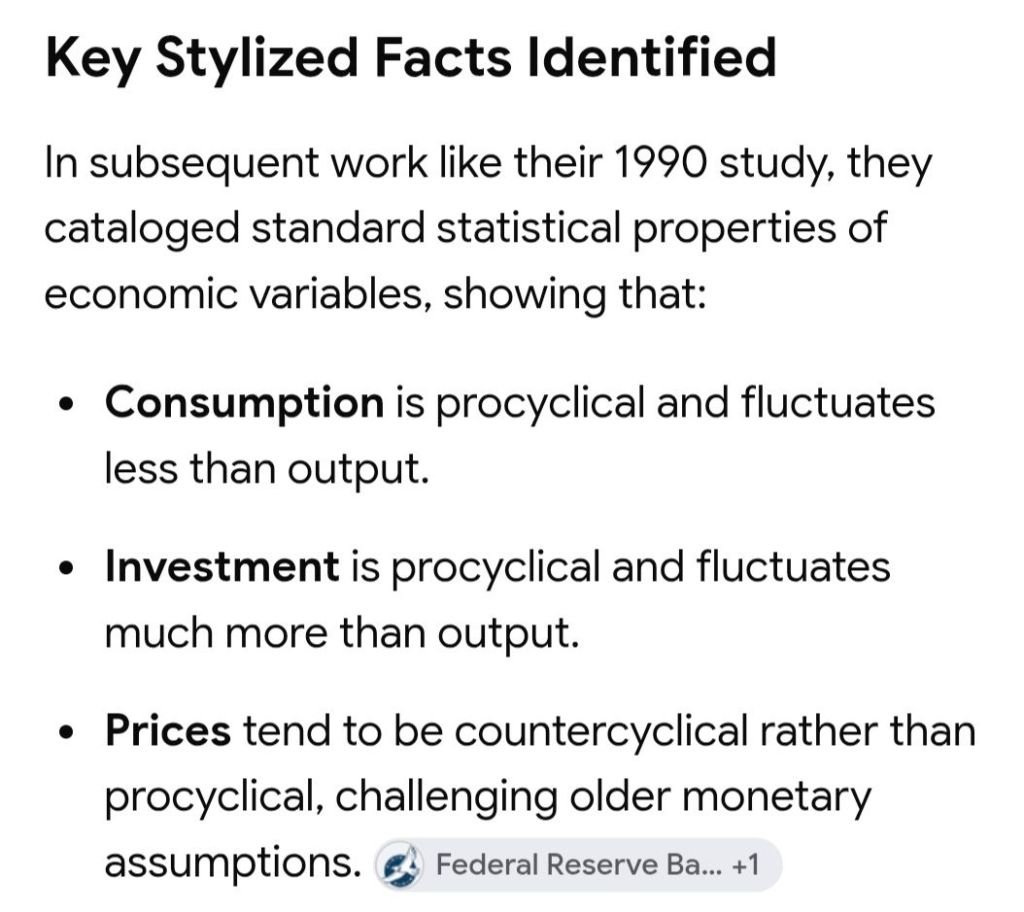
Prescott and Kydland on business cycles
24 Sep 2026 Leave a comment
in business cycles, econometerics, economic history, Edward Prescott, history of economic thought, labour economics, labour supply, macroeconomics, monetary economics, unemployment
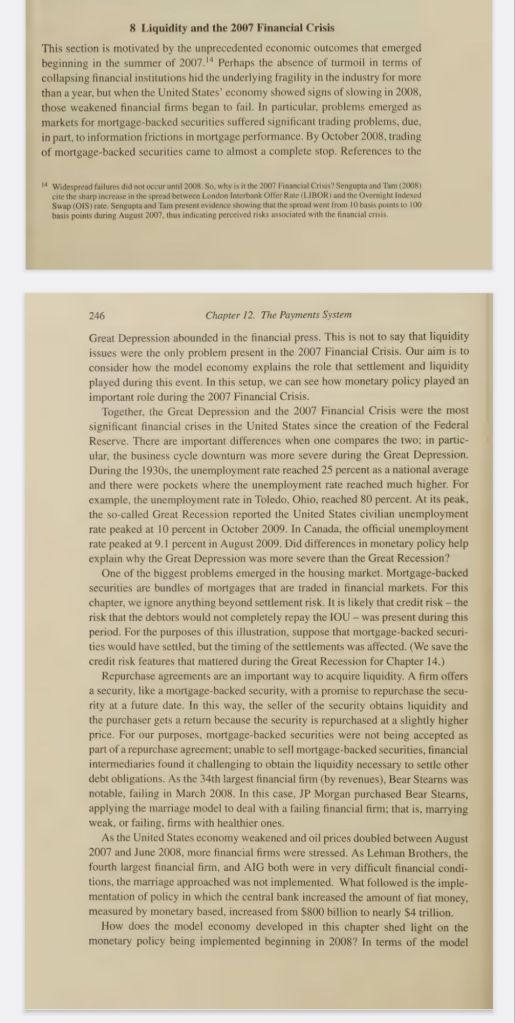
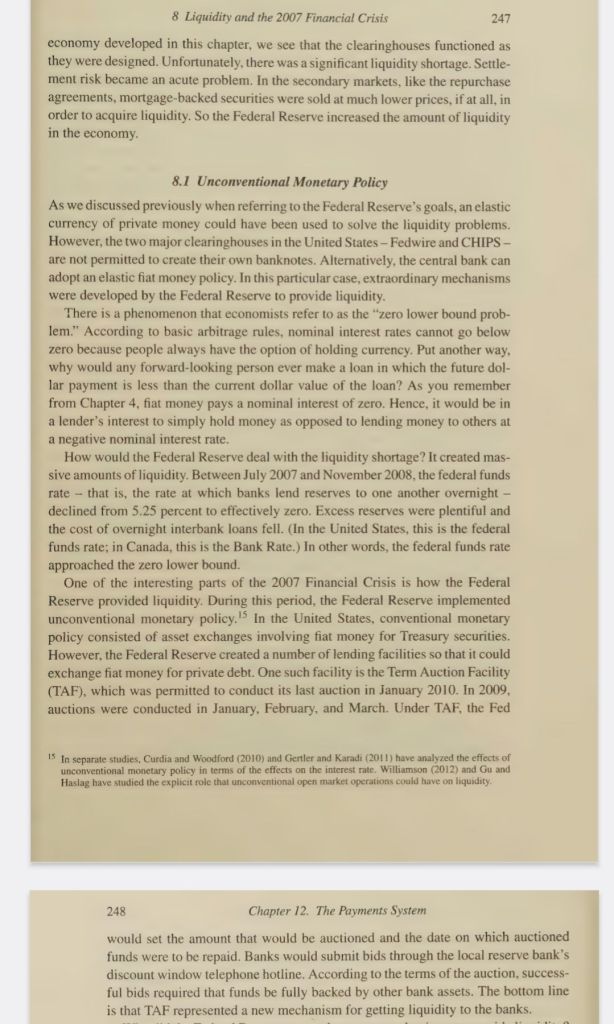
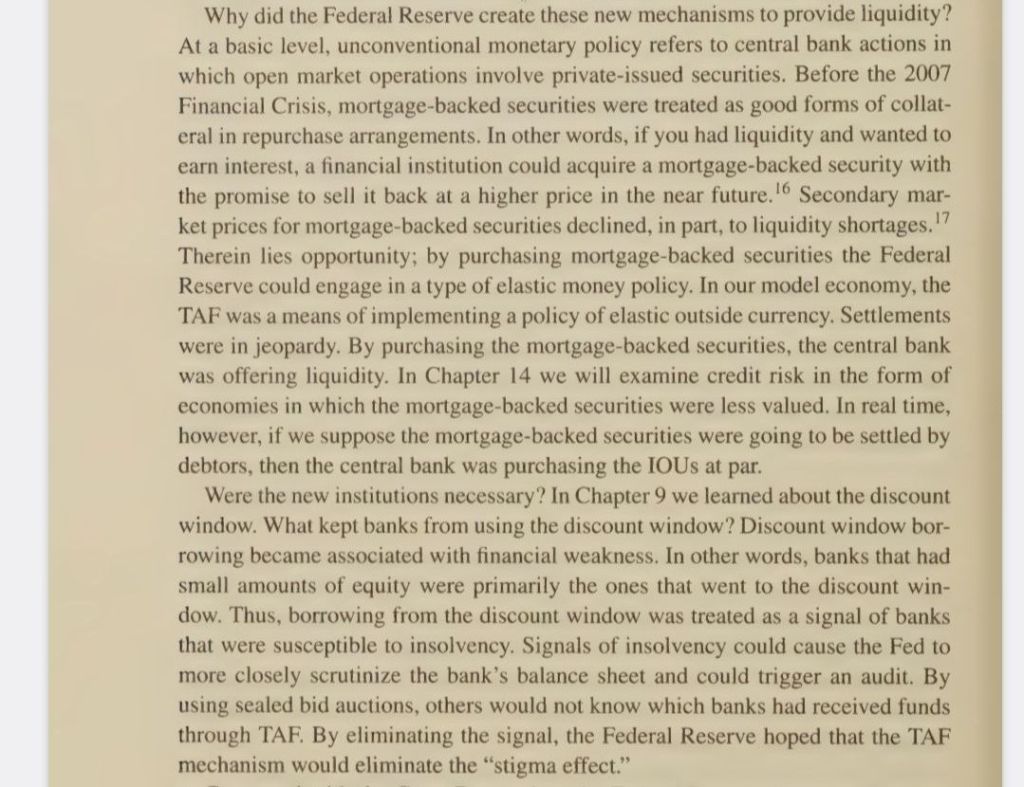
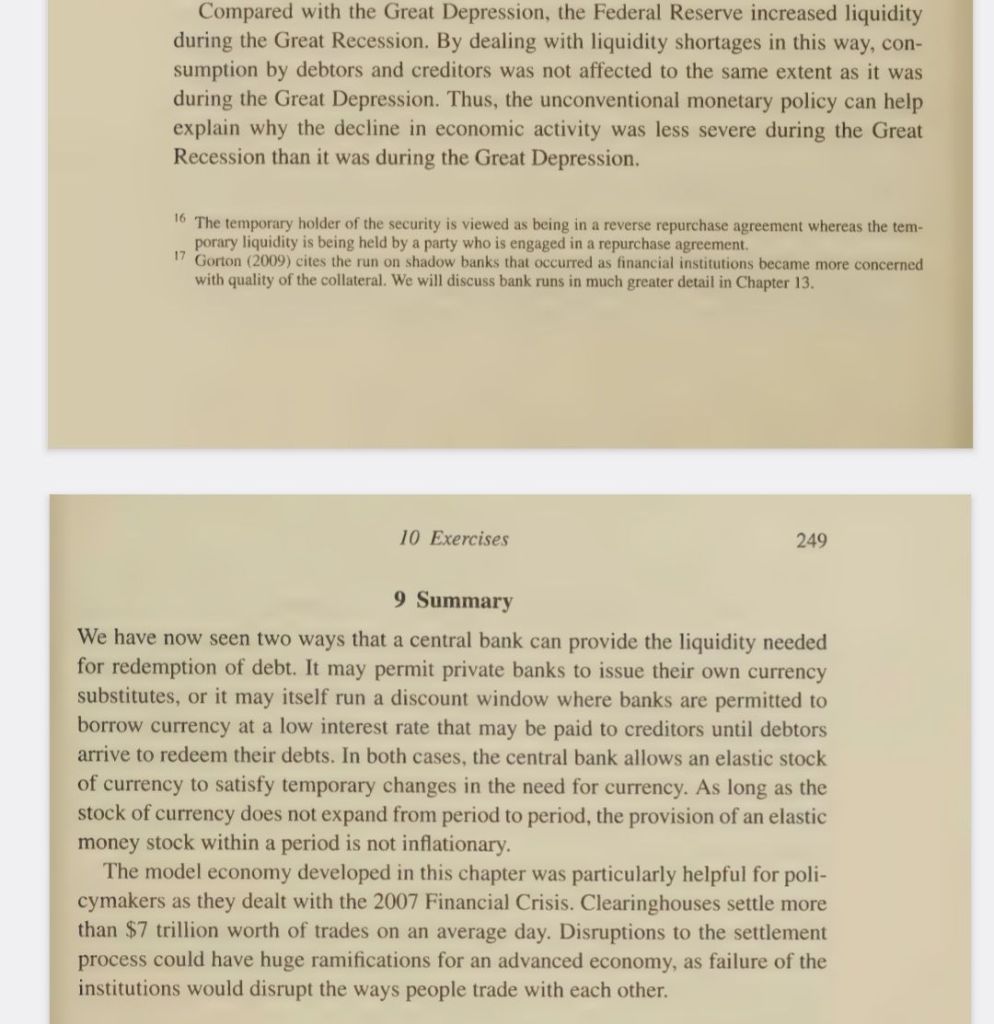
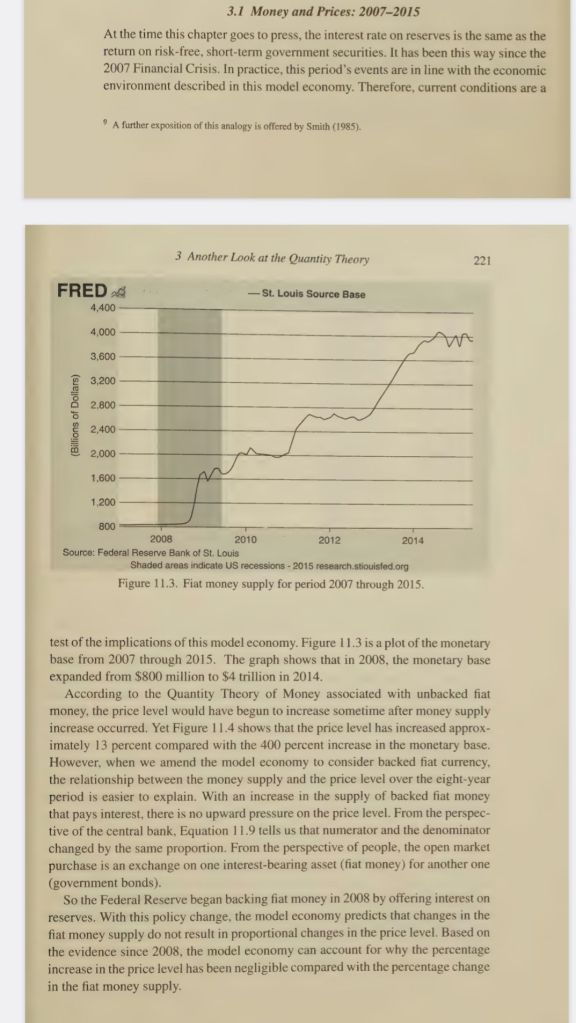
Scott Freeman’s textbook on the GFC
22 Sep 2026 Leave a comment
in applied price theory, budget deficits, business cycles, economic history, fiscal policy, global financial crisis (GFC), great depression, great recession, history of economic thought, labour economics, macroeconomics, monetarism, monetary economics, unemployment Tags: monetary policy


Recent Comments