
The Great Enrichment
09 Oct 2026 Leave a comment
in economic growth, economic history, entrepreneurship, macroeconomics Tags: The Great Enrichment
America’s Affordability Problem Is Government
02 Oct 2026 Leave a comment
in economic growth, economic history, entrepreneurship, financial economics, history of economic thought, human capital, labour economics, labour supply, macroeconomics, poverty and inequality Tags: The Great Enrichment, top 1%

I have a series of columns (2021, 2024, 2025, and 2026). documenting that Americans are getting richer. And here’s a chart that adds additional evidence. More and more households over time are high income (over $100k) and fewer and fewer are low income (under $35k). And, yes, these numbers are adjusted for inflation. The chart was […]
America’s Affordability Problem Is Government
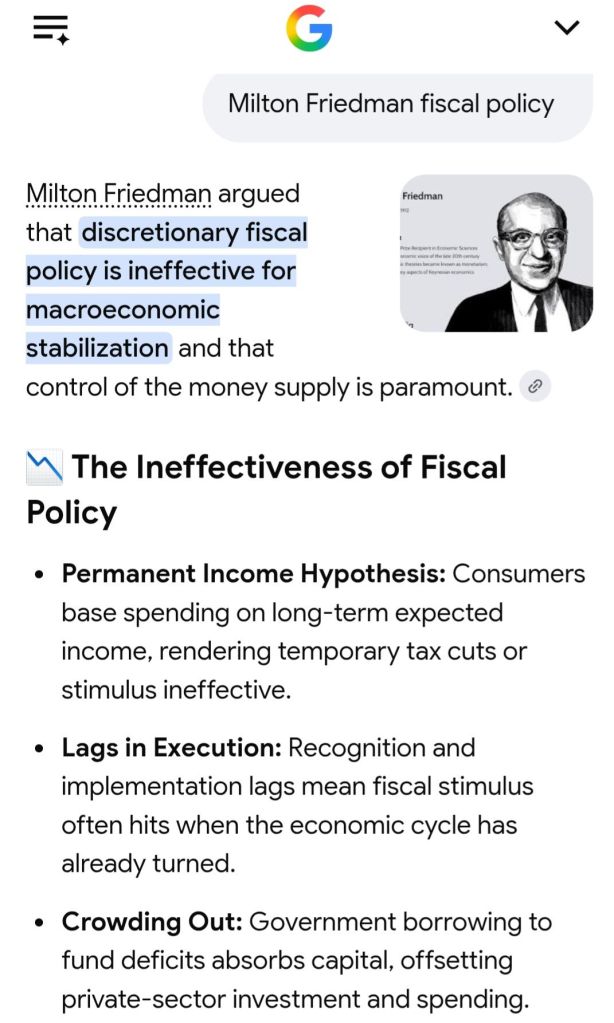
Friedman on fiscal policy
30 Sep 2026 Leave a comment
in budget deficits, business cycles, economic growth, fiscal policy, history of economic thought, macroeconomics, Milton Friedman, monetarism, monetary economics
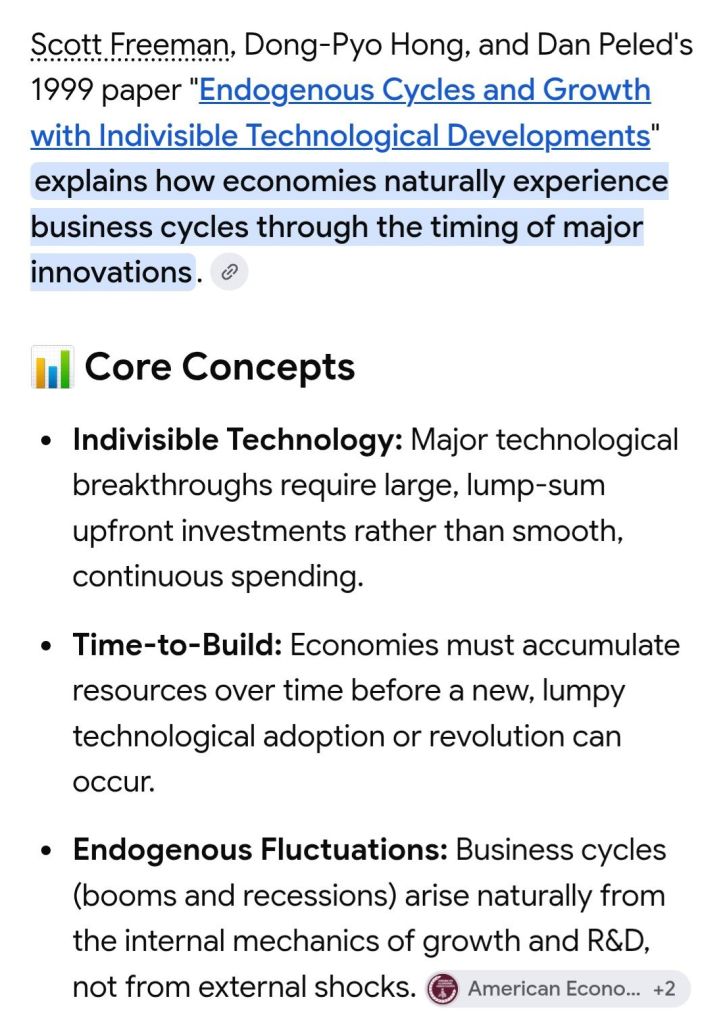
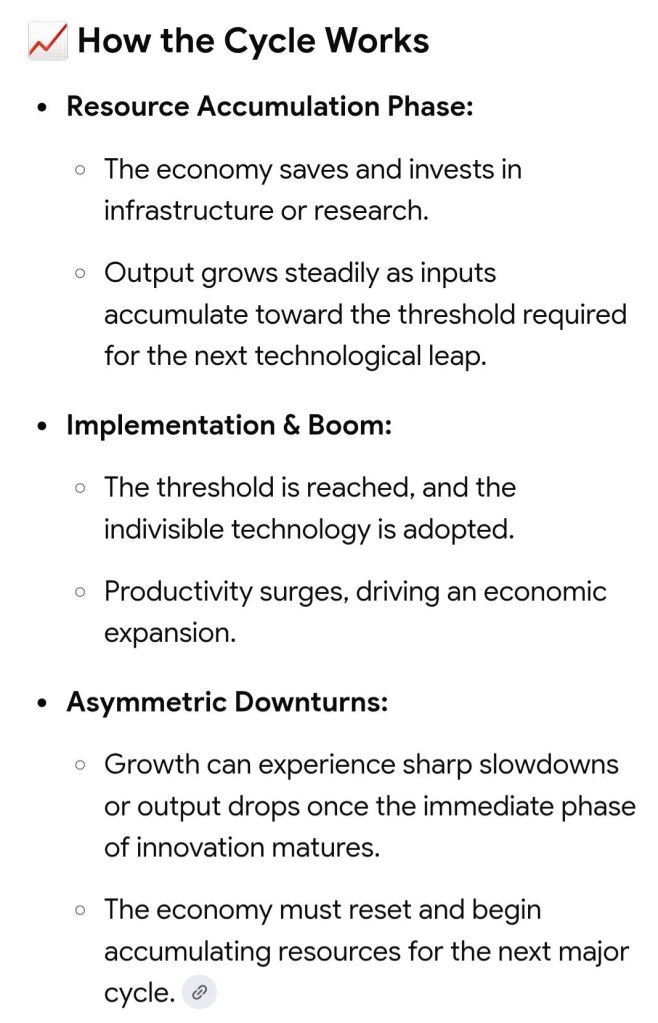
Scott Freeman and the AI boom and possible initial slowdown
30 Sep 2026 Leave a comment
in applied price theory, business cycles, economic growth, economic history, entrepreneurship, history of economic thought, labour economics, labour supply, macroeconomics, monetary economics, unemployment Tags: real business cycle theory
The U.K. Version of the Laffer Curve Strikes Again
29 Sep 2026 Leave a comment
in applied price theory, economic growth, economic history, entrepreneurship, financial economics, fiscal policy, history of economic thought, labour economics, labour supply, macroeconomics Tags: British politics, taxation and investment, taxation and labour supply

There are two reasons why I periodically write about the Laffer Curve. I want my left-leaning friends to understand to understand that higher tax rates on productive behavior will lead to less taxable income and some foregone tax revenue. I want my right-leaning friends to understand that tax cuts are only self-financing in rare cases […]
The U.K. Version of the Laffer Curve Strikes Again
Real GDP Per Capita and the Standard of Living
28 Sep 2026 Leave a comment
in applied price theory, economic growth, macroeconomics
We are freshening up some of our videos with updated data so now is a good time to remind everyone that Modern Principles of Economics is best principles of economics textbook; great videos, clear writing and excellent applications and examples! The post Real GDP Per Capita and the Standard of Living appeared first on Marginal…
Real GDP Per Capita and the Standard of Living
UK productivity higher than we had thought
22 Sep 2026 Leave a comment
in economic growth, macroeconomics
UK productivity rose at almost twice the pace previously estimated in the decade after the 2008 global financial crisis, according to new official figures that make Britain look much less of an international outlier. Output per hour worked, the main measure of labour productivity, grew by an average of 1.3 per cent per year between…
UK productivity higher than we had thought
Canada Reduces the Tax Burden on New Investment
21 Sep 2026 Leave a comment
in economic growth, fiscal policy, macroeconomics, public economics Tags: Canada, taxation and investment

Until about 10 years ago, I often wrote positive columns about Canadian policy. I praised our northern neighbors for spending restraint, corporate tax reform, bank bailout policy, regulatory budgeting, the tax treatment of saving, and private air traffic control. Unfortunately, Canada then became more statist under Pierre Trudeau Justin Trudeau (understandable mistake on my part). And I […]
Canada Reduces the Tax Burden on New Investment
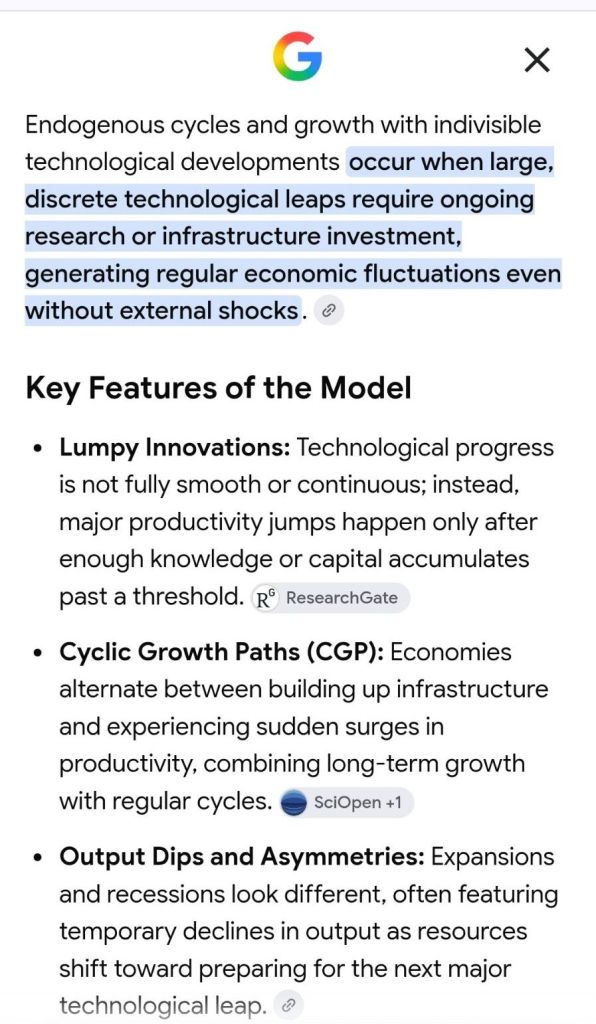
Scott Freeman on Endogenous Cycles and Growth with Indivisible Technological Developments
21 Sep 2026 Leave a comment
in applied price theory, business cycles, economic growth, history of economic thought, macroeconomics, monetary economics
Scott Freeman on monetarism again
20 Sep 2026 Leave a comment
in business cycles, econometerics, economic growth, economic history, history of economic thought, macroeconomics, monetarism, monetary economics Tags: monetary policy
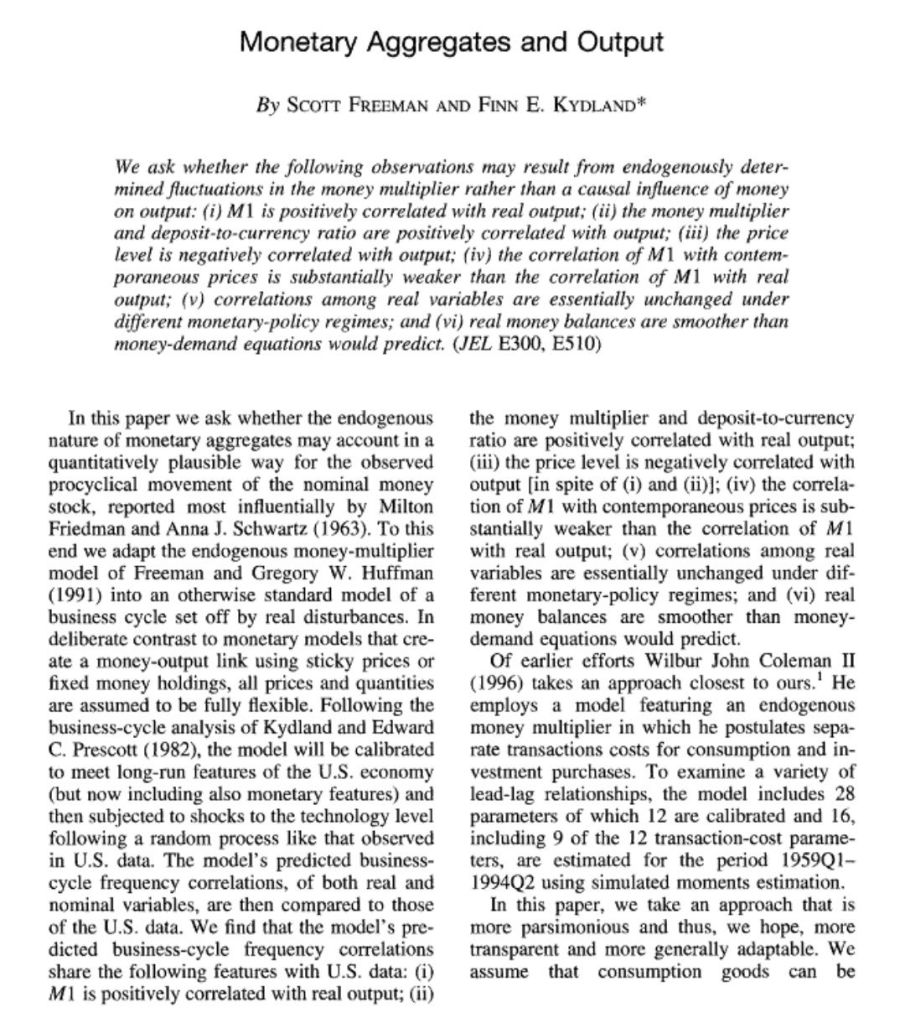
News drives business cycles
19 Sep 2026 Leave a comment
in macroeconomics, economic growth, history of economic thought, business cycles, monetary economics
How to Make Life Better for the Middle Class (and Everyone Else)
14 Sep 2026 Leave a comment
in applied price theory, economic growth, economic history, macroeconomics, politics - USA Tags: The Great Enrichment
I have a four-part series (here, here, here, and here) documenting that Americans are getting richer over time, yet many people feel pessimism and dissatisfaction. This Kite & Key video helps to explain this seeming contradiction. If you don’t want to watch a 10-minute video, here are two charts that summarize the message. This first […]
How to Make Life Better for the Middle Class (and Everyone Else)
The Pro-Growth Impact of Deregulation
12 Sep 2026 Leave a comment
in applied price theory, economic growth, economic history, economics of regulation, entrepreneurship, macroeconomics Tags: European Union

Regulation adds “clutter” to an economy, sort of akin to creating an obstacle course that workers and businesses have to navigate in order to be productive. In other words, red tape makes it harder to be profitable. And that reduces incentives to invest. And every economic theory agrees that less investment means less prosperity. That’s […]
The Pro-Growth Impact of Deregulation
Economic Scenarios for Transformative AI
10 Sep 2026 Leave a comment
in applied price theory, economic growth, industrial organisation, macroeconomics Tags: creative destruction
By Anton Korinek, Charles I. Jones, Szymon Sacher, Tess Cotter, and Peter McCrory, a strong line-up from Anthropic. They are sober, reasoned, scientific, and (for the most part) dynamically consistent. Here is the paper, here is the abstract: This paper presents a framework for assessing the economic consequences of AI between 2026 and 2030. In…
Economic Scenarios for Transformative AI


Recent Comments