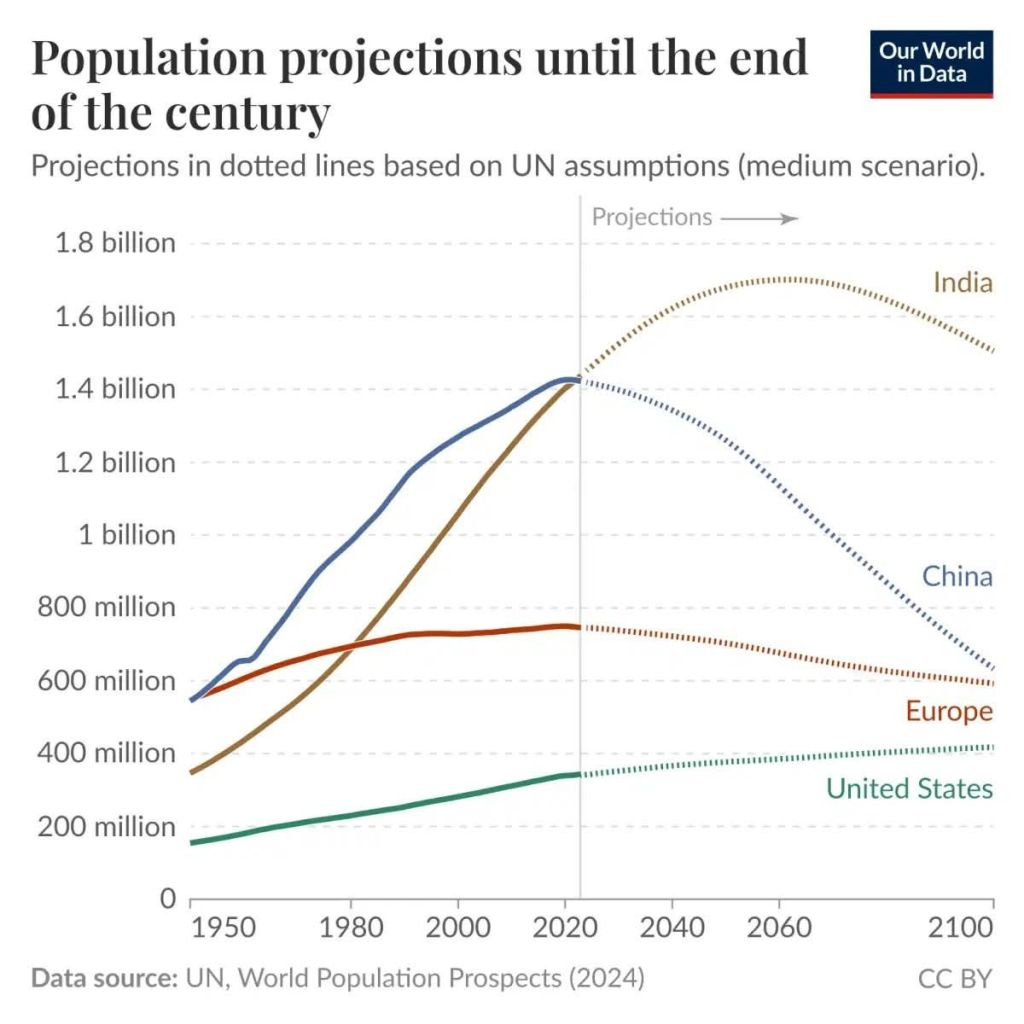
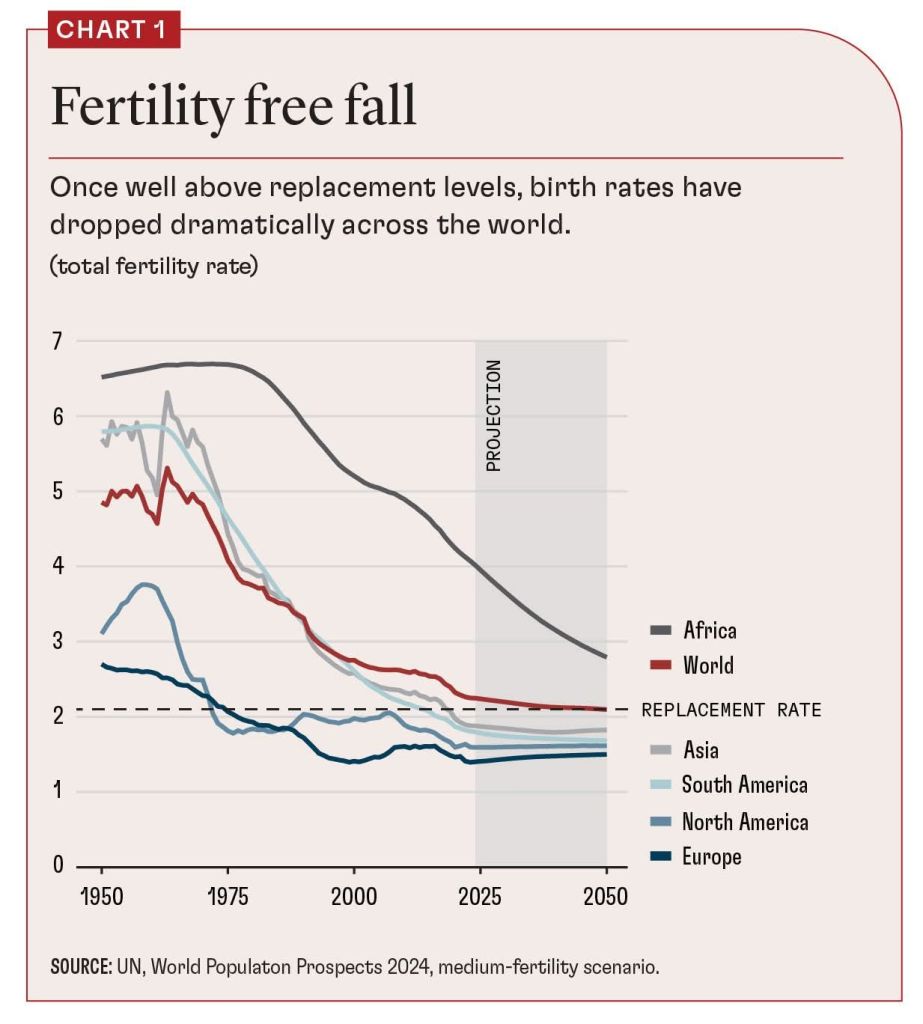
The world’s most under-appreciated problem is demographic decline mixed with tax-and-transfer entitlement programs. Those two factors, when combined, are a massive problem. All of which is explained in my series on demographic change and fiscal crisis (see here, here, here, here, and here). Today, let’s focus on the problem in Europe, building on what I […]
Lyric Waiwiri-Smith at The Spinoff asked me what I thought the options might be for dealing with rising superannuation costs. Her story’s here, along with comment from Max Rashbrooke and Shamubeel Eaqub. My most-preferred option is ongoing increases in immigration rates, coupled with shifting to CPI-indexation of super benefits and indexing the age of eligibility to healthy…
The Herald reports: Labour leader Chris Hipkins says he is open to discussing whether New Zealand’s superannuation should be means-tested. Hipkins told Newstalk ZB’s Kerre Woodham he would not want full means-testing of the country’s pension but added “there are questions”. “I don’t want to do this on a unilateral basis, I think these need to…
Demography is the study of the structure of human populations, including factors like births, deaths, aging, as well as health and economic factors. Some demographic changes happen slowly, over decades, but in a predicable way. For example, if you want to look at projections for the year 2050 of the ratio of the US working-age…
If you want to know why I’m pessimistic about Europe (particularly compared to the U.S.), this chart is a good example. It shows that many European nations have enormous long-run liabilities for their Social Security systems. It’s an understatement to observe that Spain, Austria, and Italy have very grim fiscal futures. Keep in mind that […]
I have a five-part series (here, here, here, here, and here) explaining that demographic decline will lead to fiscal crisis. The main takeaway is that entitlement programs are a ticking time bomb, and I castigate politicians who want to kick the can down the road (or make a bad situation even worse). This is a global problem, not merely an American problem, as […]
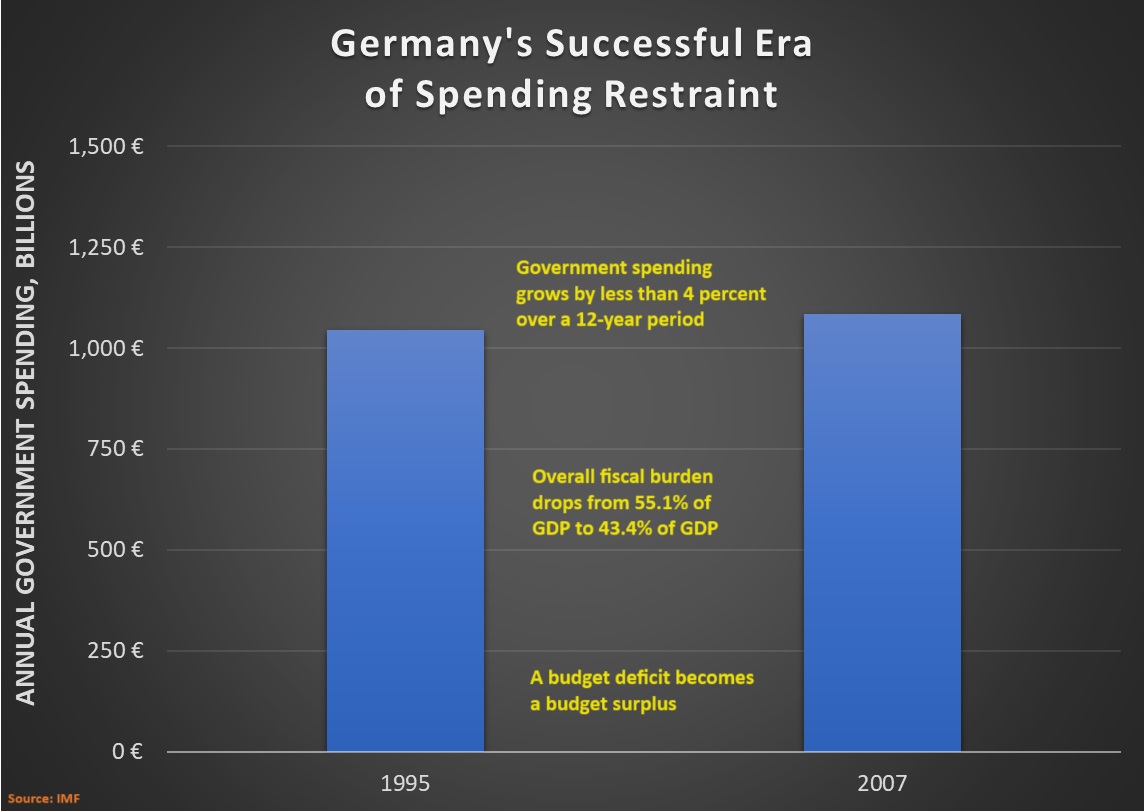
A lot has happened if you look at the past 100 years of German economic policy. Hyperinflation leading to Hitler’s National Socialists taking power. An impressive free-market revival after World War II. A growing welfare state after the imposition of a value-added tax in the 1960s. Some semi-impressive spending restraint starting in the mid-1990s. Very […]
I often get asked when the United States will suffer a Greek-style fiscal crisis. My answer is always “I don’t know,” though I freely admit we are heading in that direction. My lack of specificity isn’t merely because economists are lousy forecasters. I tell people it’s all about investor sentiment, and it’s hard to know […]
A guest post by Michael Littlewood: As New Zealand’s population ages and, in particular, as the proportion of over-65s increases, the cost of New Zealand Superannuation (NZS) is rising. We know that and it doesn’t help us understand the issues to create headlines that catastrophise the expected costs. The pensions payable in the future, public […]
Why Evolution is True is a blog written by Jerry Coyne, centered on evolution and biology but also dealing with diverse topics like politics, culture, and cats.
In Hume’s spirit, I will attempt to serve as an ambassador from my world of economics, and help in “finding topics of conversation fit for the entertainment of rational creatures.”







Recent Comments