Celebrating humanity's flourishing through the spread of capitalism and the rule of law
26 Sep 2026 Leave a comment
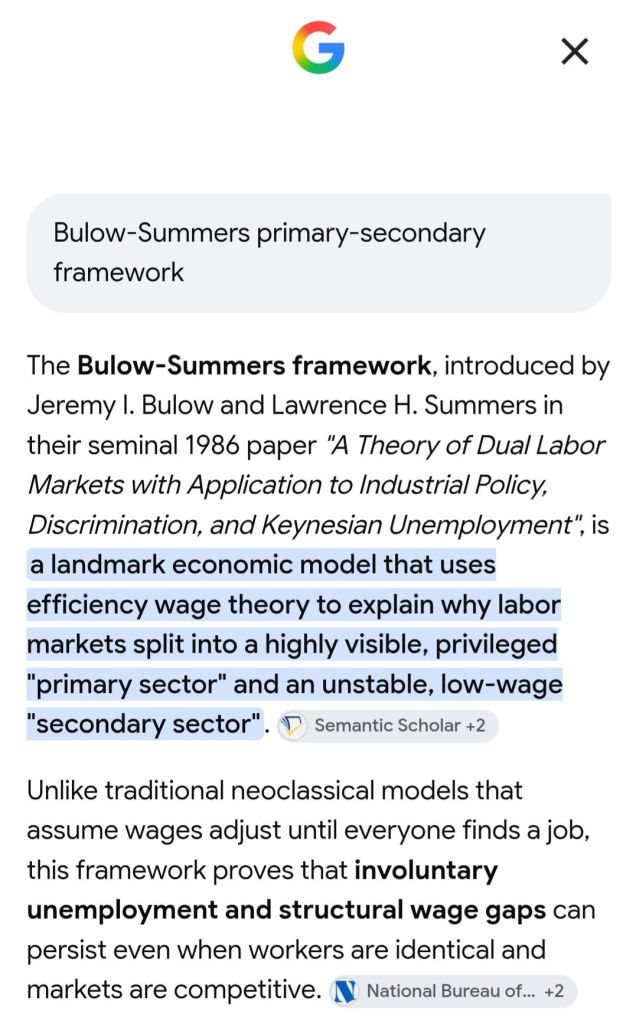
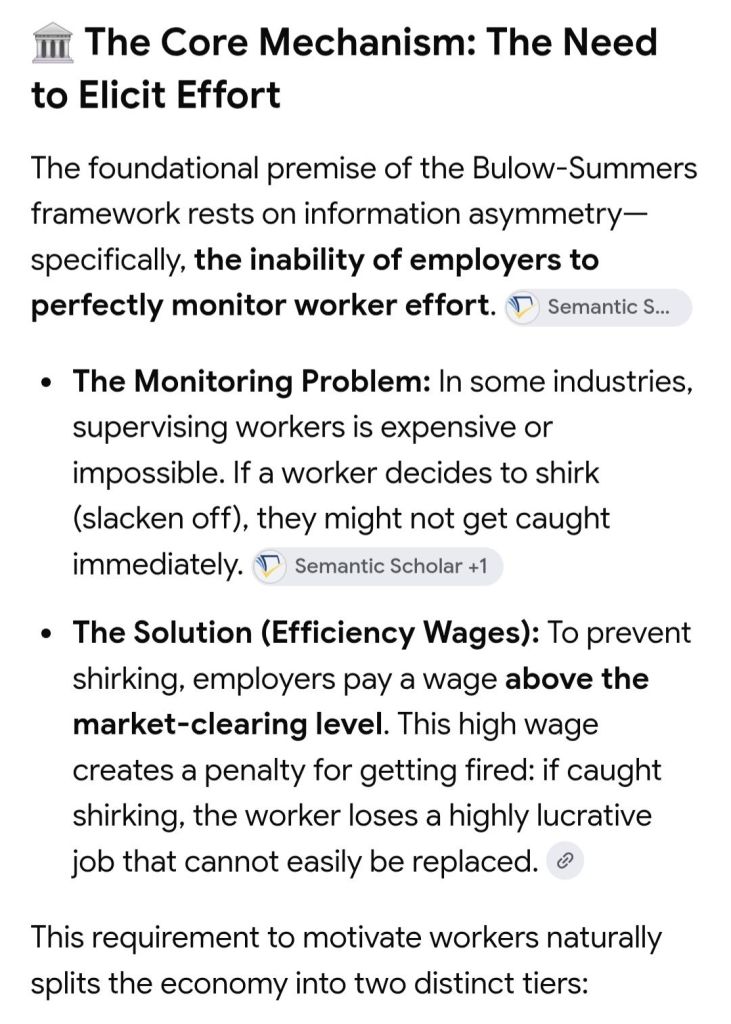
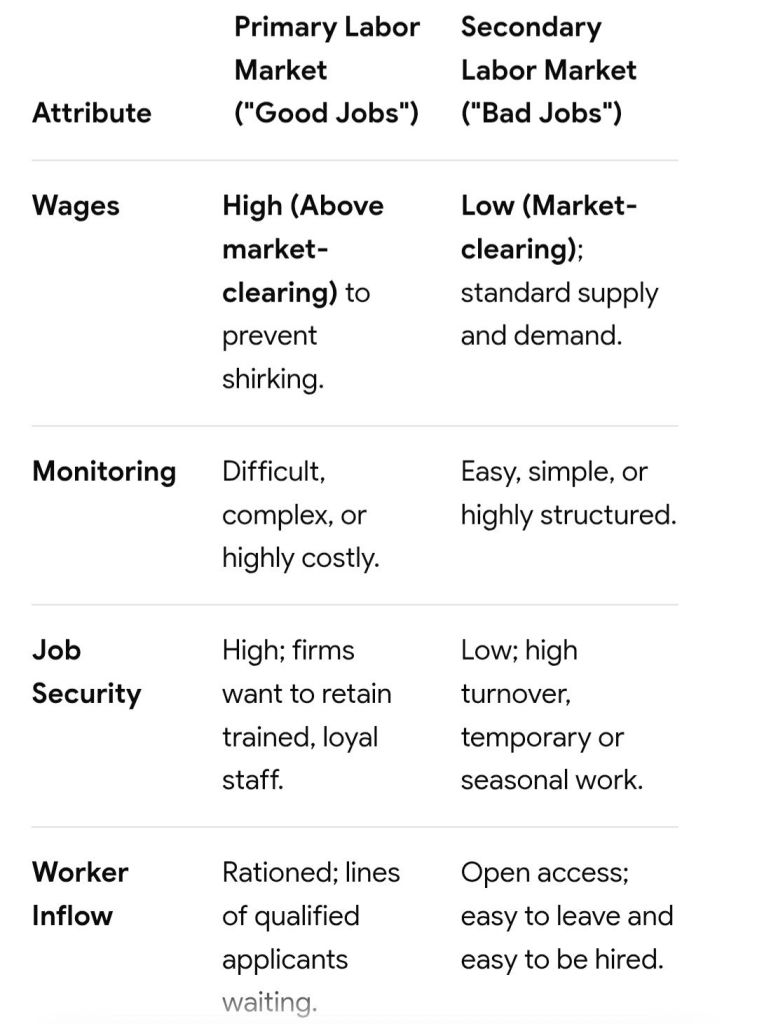
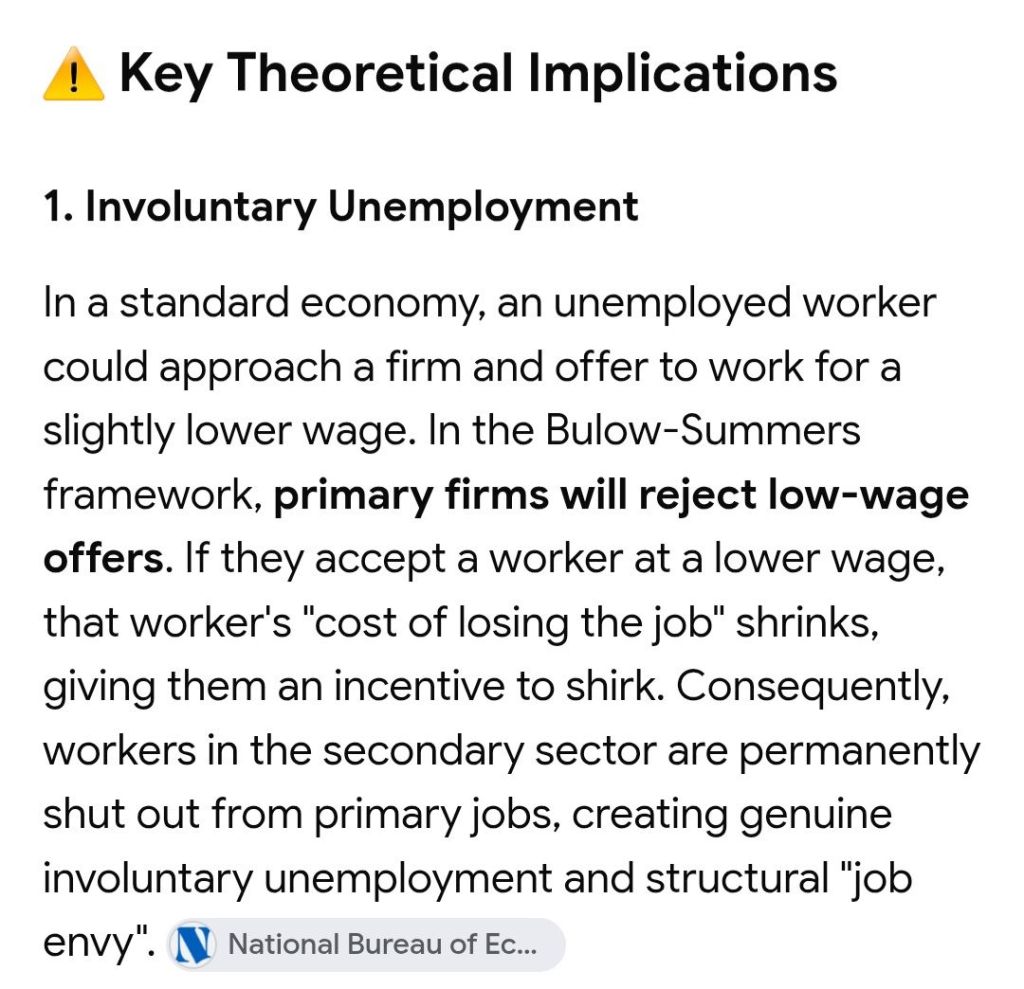
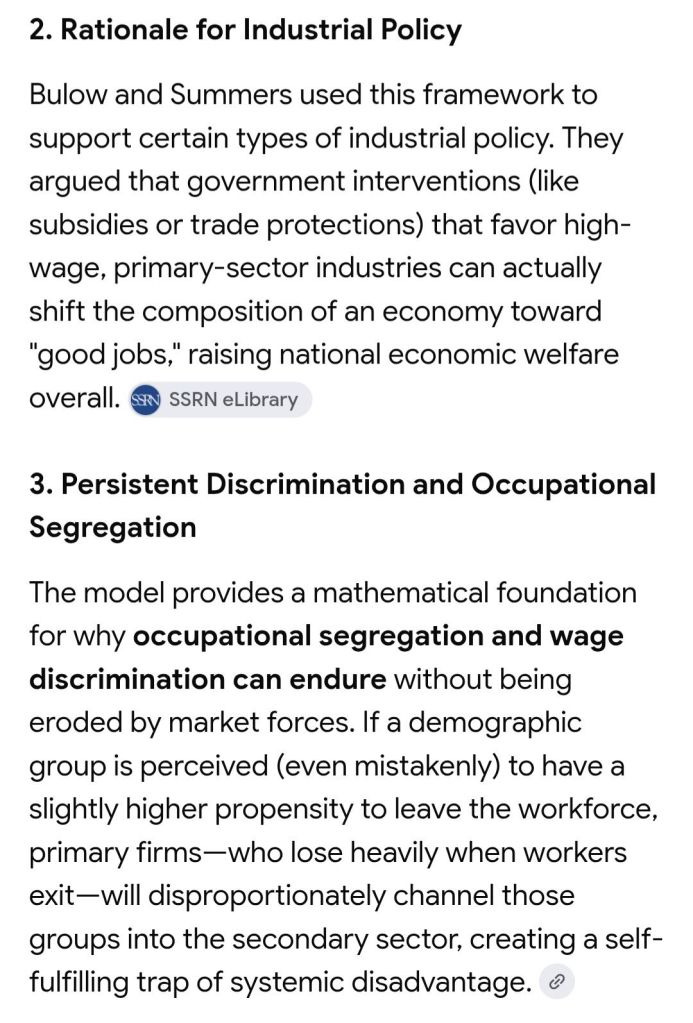
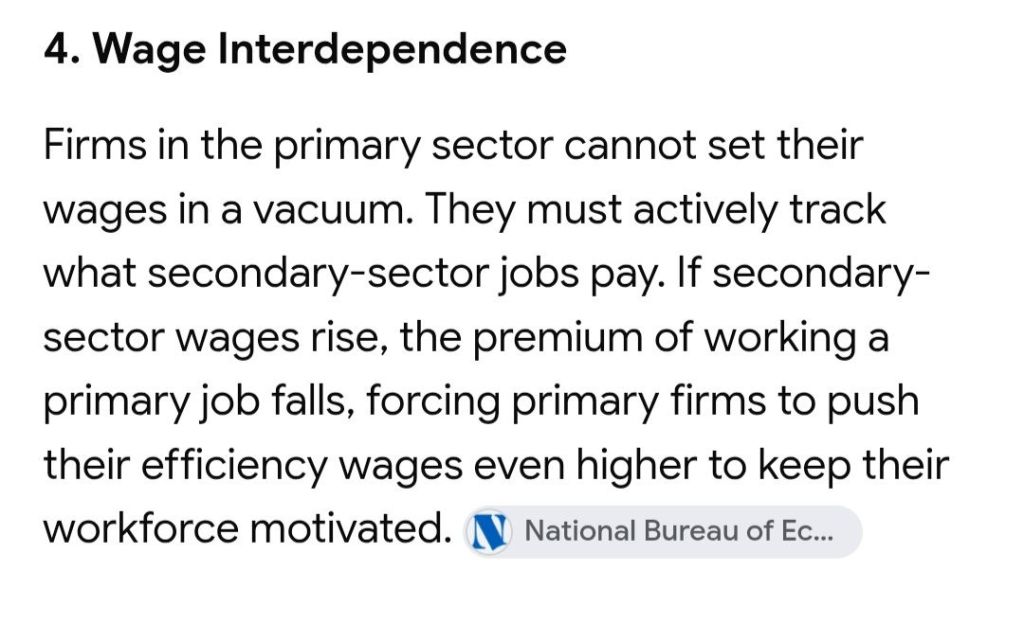
in applied price theory, economics of information, history of economic thought, industrial organisation, labour economics, labour supply, personnel economics, poverty and inequality Tags: dual labour markets, efficiency wage
23 Sep 2026 Leave a comment
in applied price theory, economics of information, economics of regulation
I’ve got a new paper out with the IEA about a growing trend in the British economy: command capitalism. Download it for free.
The rise of command capitalism
18 Sep 2026 Leave a comment
in economics of climate change, economics of information, energy economics, environmental economics, environmentalism, global warming Tags: climate alarmism
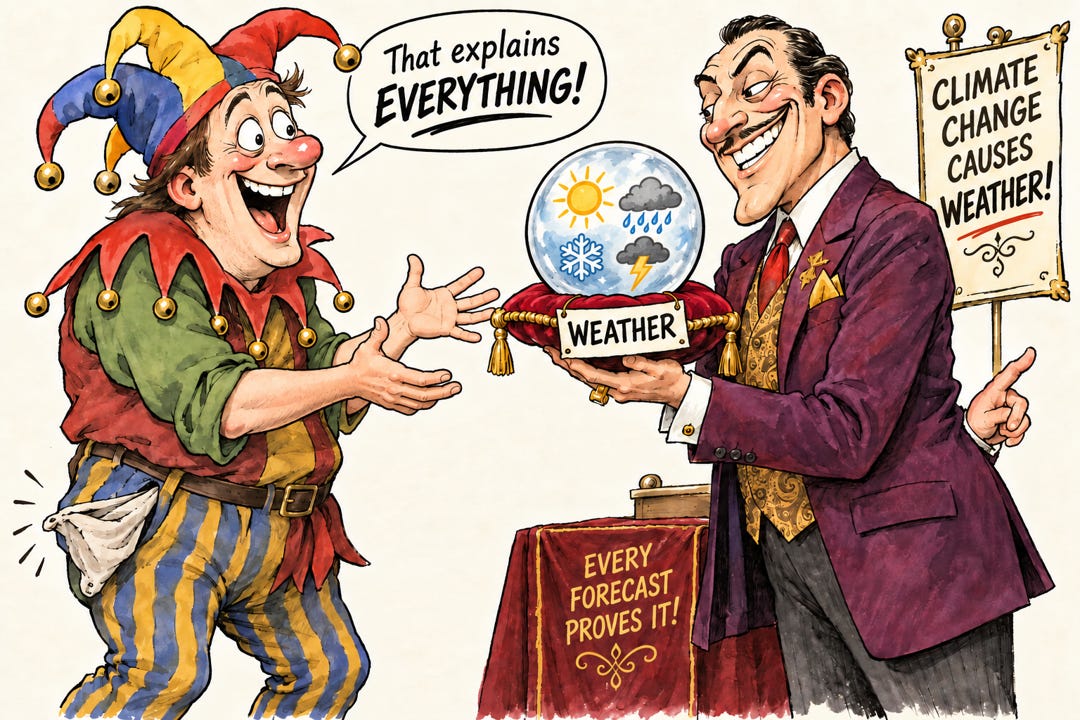
How a turnkey method attributes any trend to climate change
Taking Us for Fools
13 Sep 2026 Leave a comment
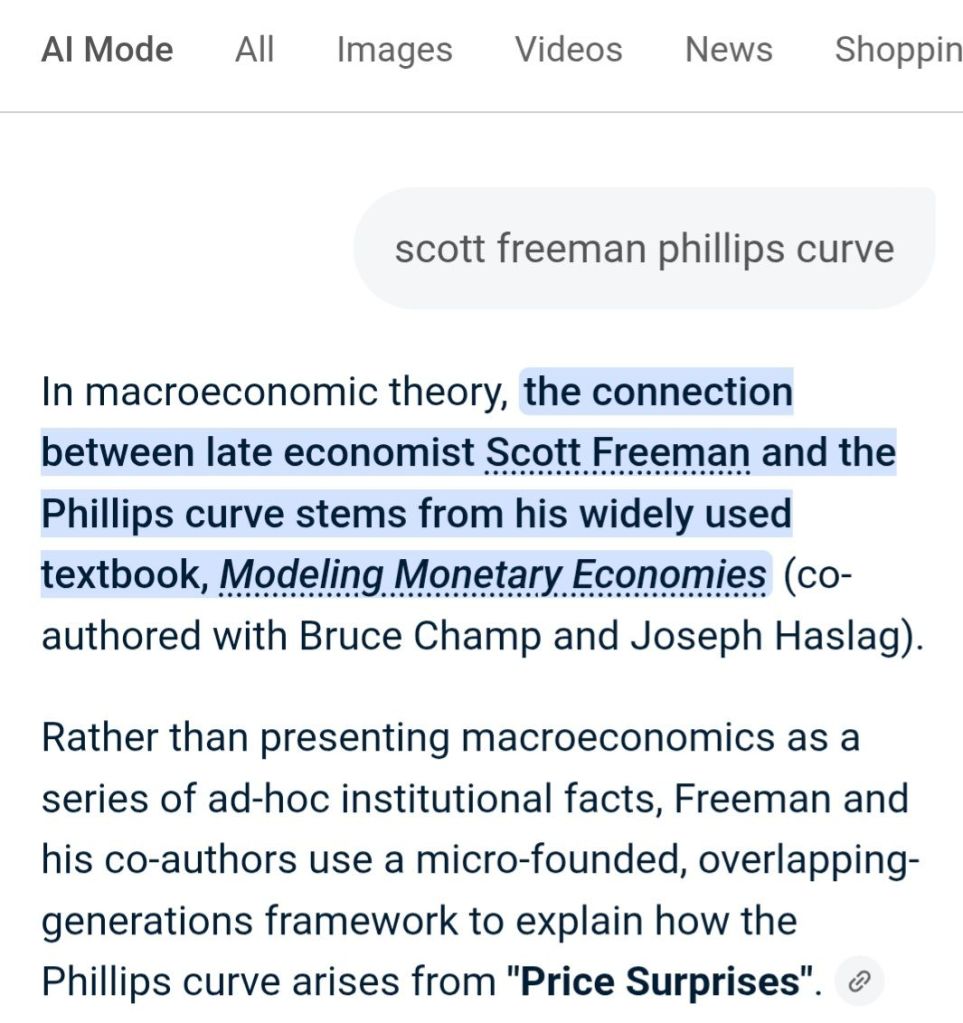
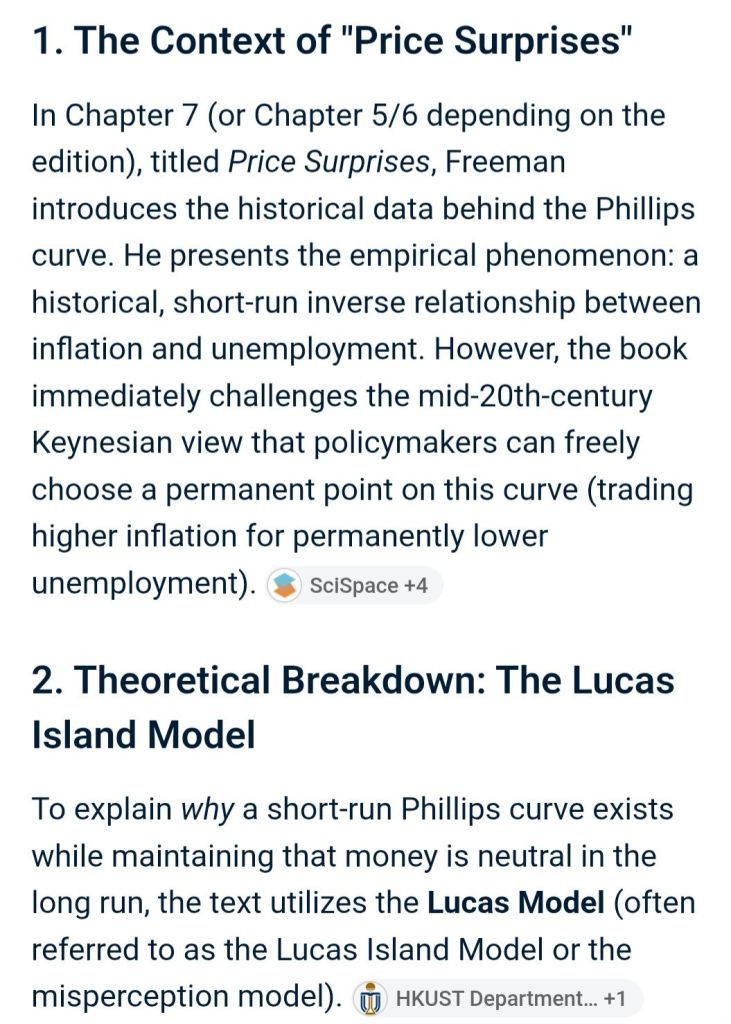
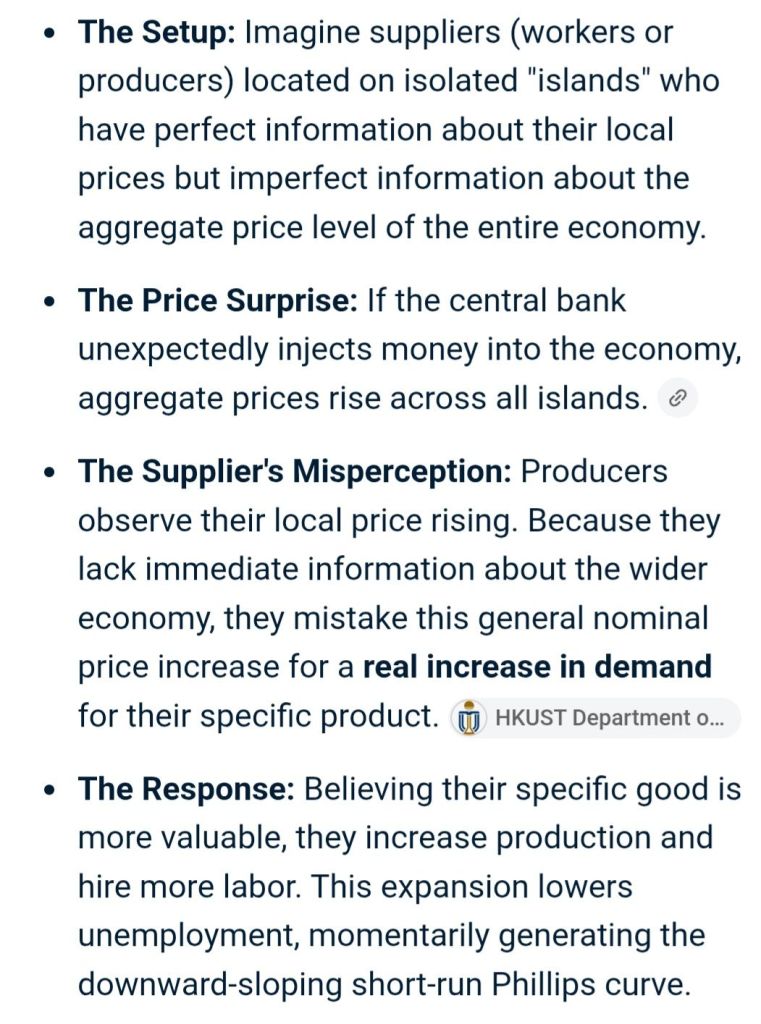
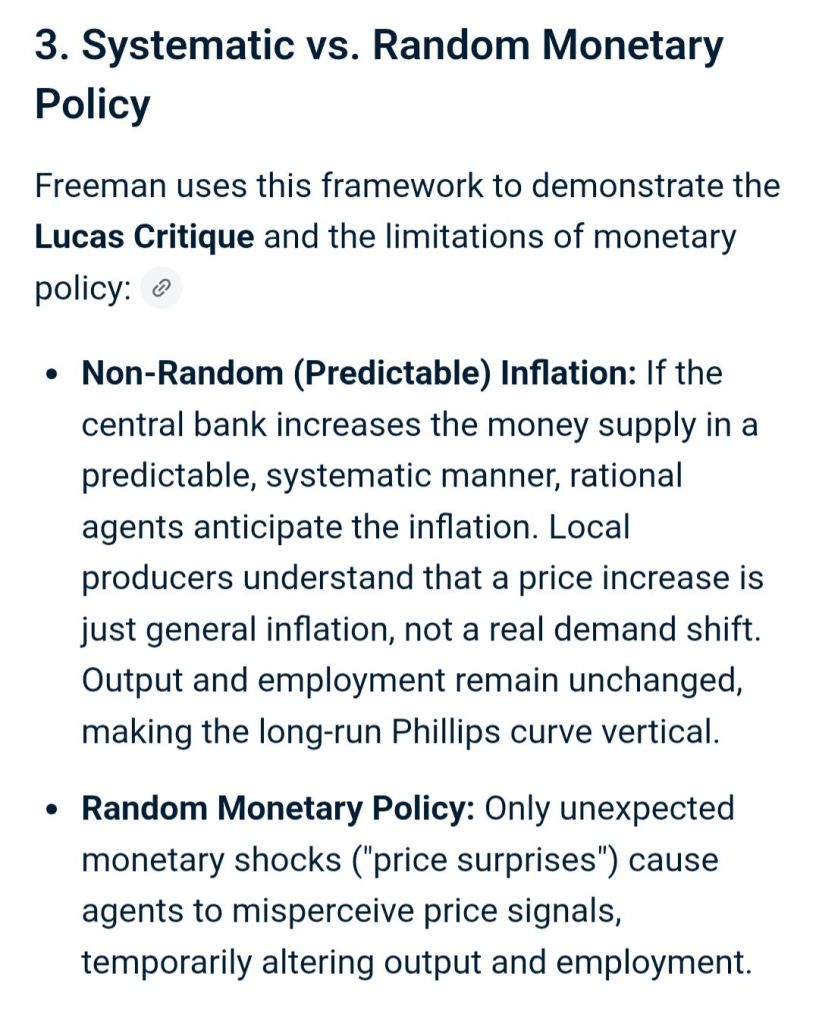
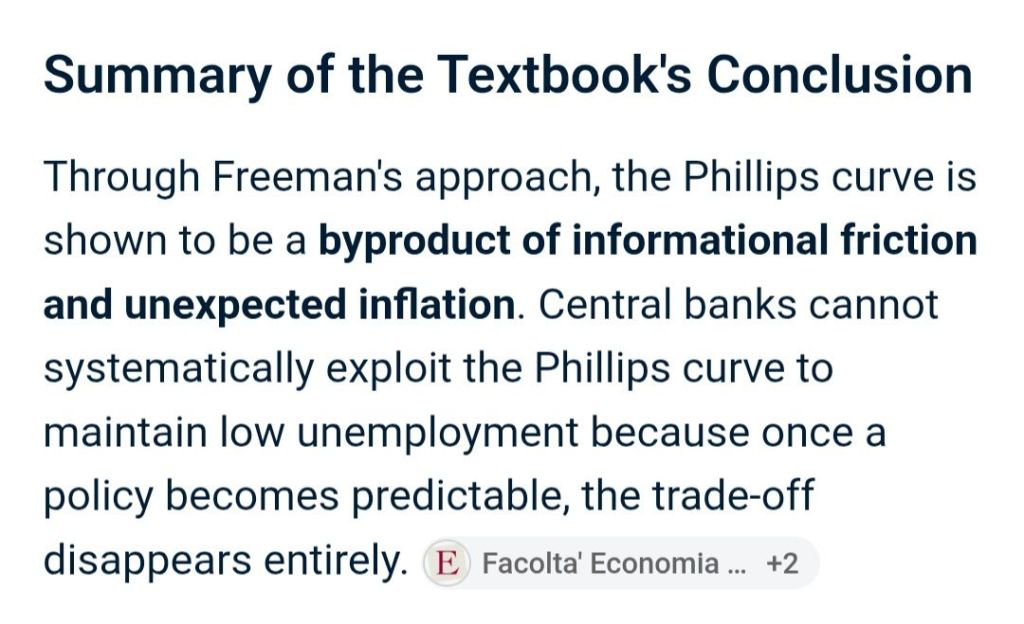
in applied price theory, business cycles, economics of information, history of economic thought, labour economics, labour supply, macroeconomics, Milton Friedman, monetarism, monetary economics, Robert E. Lucas, unemployment
11 Sep 2026 Leave a comment
in applied price theory, economics of information, economics of regulation, history of economic thought, industrial organisation, law and economics, property rights

Economists and lawyers know that almost every contract is incomplete. Contracts routinely omit or leave undefined important terms, and they rarely anticipate every circumstance that might frustrate performance. The reason is simple: It makes little sense to spend $1,000 drafting a provision that has an expected value of only $100. Parties therefore leave lower-value contingencies…
‘Incomplete Contracts and the Theory of Contract Design,’ by Robert Scott and George Triantis
11 Sep 2026 Leave a comment
in applied price theory, economics of information, economics of regulation, industrial organisation, international economic law, international economics, politics - Australia, politics - New Zealand, regulation
Bilateral, plurilateral, and multilateral are words that New Zealand’s civil service love. There is nothing that can’t be improved by doing it in concert with others. Sometimes there’s good reason for just doing stuff. New Zealand made the right decision when it unilaterally slashed all of its tariffs. It also progressed all the other trade agreements that helped…
The case for unilateral recognition
09 Sep 2026 Leave a comment
in economics of information, economics of media and culture
07 Sep 2026 Leave a comment
in economics of education, economics of information, energy economics, entrepreneurship, industrial organisation
Eric Levitz, via Matt Yglesias. The post America is still poised for a data center boom appeared first on Marginal REVOLUTION.
America is still poised for a data center boom
01 Sep 2026 Leave a comment
in applied price theory, Austrian economics, economics of information, entrepreneurship, F.A. Hayek, history of economic thought, industrial organisation, Ludwig von Mises, market efficiency, Ronald Coase, Ronald Coase, Ronald Coase, theory of the firm
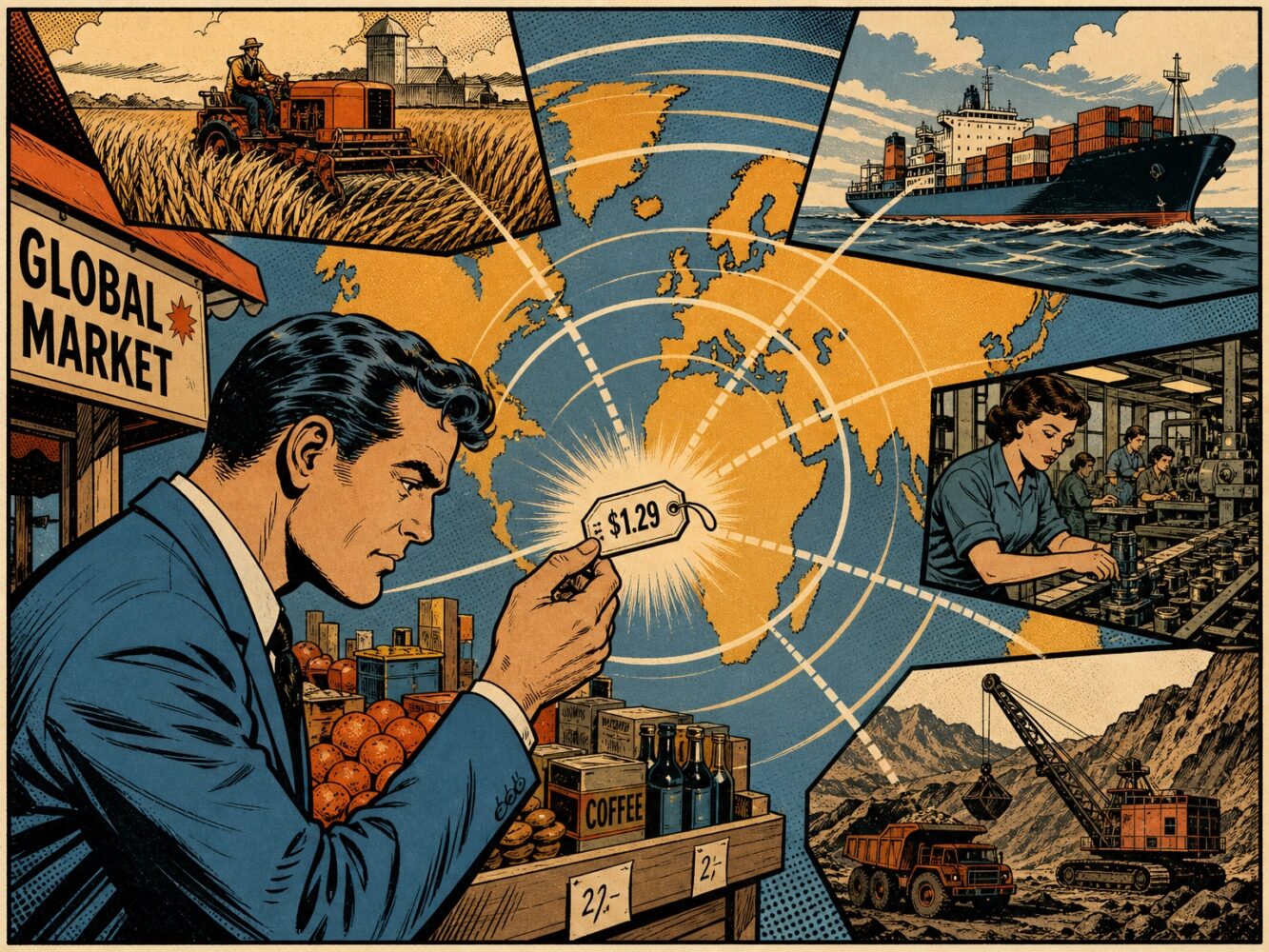
The wealth and technological sophistication of modern society are readily apparent. Less visible, but no less remarkable, is its ability to coordinate the actions of billions of people who know almost nothing about one another’s circumstances. Every day we make decisions without possessing most of the information on which those decisions ultimately depend. We purchase…
‘The Use of Knowledge in Society,’ by Friedrich A. Hayek
29 Aug 2026 1 Comment
in applied price theory, economics of information, politics - USA Tags: signaling
Vice signalling is the opposite of virtue signalling, although it is not nearly as established as a technical term. Political scientists are more likely to discuss transgressive signalling, norm violation, incivility, performative transgression, or out-group hostility. Research on populism, for example, explicitly treats deliberate breaches of conventional standards of political behaviour as part of a political style. A […]
Vice signalling
13 Aug 2026 1 Comment
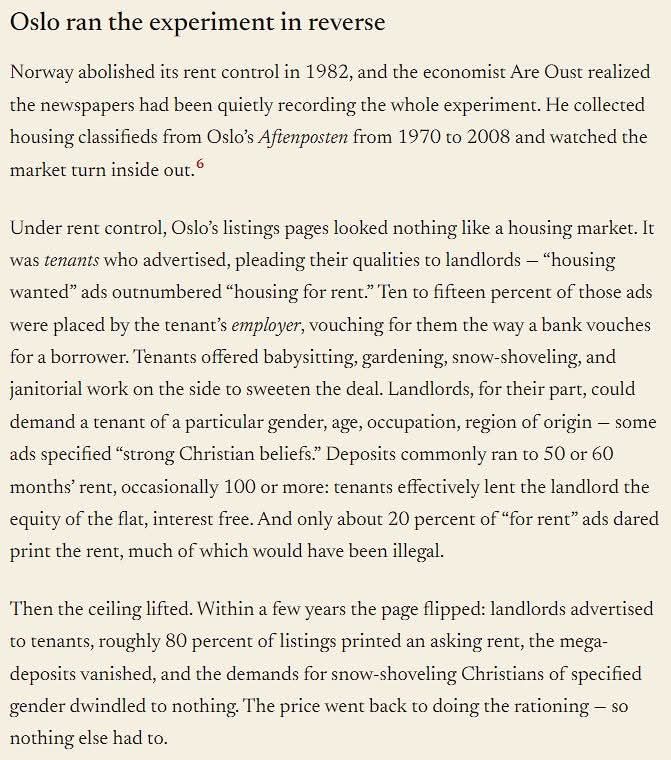
in applied price theory, econometerics, economic history, economics of information, economics of regulation, law and economics, property rights Tags: offsetting behavior, rent control, unintended consequences
25 Jul 2026 Leave a comment
in applied price theory, economics of information, economics of regulation, human capital, income redistribution, labour economics, labour supply, occupational choice, occupational regulation, politics - USA, Public Choice, rentseeking

The potential benefit of having the government require that certain jobs require an official license is quality control and protection. Personally, I rather like knowing that my nurse or doctor or dentist has gone through courses and training. The potential cost is that requirement to have a government license can become a way for those…
Occupational Licensing: US and International
Celebrating humanity's flourishing through the spread of capitalism and the rule of law
Celebrating humanity's flourishing through the spread of capitalism and the rule of law
Celebrating humanity's flourishing through the spread of capitalism and the rule of law
Celebrating humanity's flourishing through the spread of capitalism and the rule of law
Celebrating humanity's flourishing through the spread of capitalism and the rule of law
Celebrating humanity's flourishing through the spread of capitalism and the rule of law
Celebrating humanity's flourishing through the spread of capitalism and the rule of law
A History of the Alt-Right
Econ Prof at George Mason University, Economic Historian, Québécois
Celebrating humanity's flourishing through the spread of capitalism and the rule of law
Scholarly commentary on law, economics, and more
Beatrice Cherrier's blog
Celebrating humanity's flourishing through the spread of capitalism and the rule of law
Celebrating humanity's flourishing through the spread of capitalism and the rule of law
Celebrating humanity's flourishing through the spread of capitalism and the rule of law
Why Evolution is True is a blog written by Jerry Coyne, centered on evolution and biology but also dealing with diverse topics like politics, culture, and cats.
Celebrating humanity's flourishing through the spread of capitalism and the rule of law
A rural perspective with a blue tint by Ele Ludemann
DPF's Kiwiblog - Fomenting Happy Mischief since 2003
Celebrating humanity's flourishing through the spread of capitalism and the rule of law
The world's most viewed site on global warming and climate change
Tim Harding's writings on rationality, informal logic and skepticism
A window into Doc Freiberger's library
Let's examine hard decisions!
Commentary on monetary policy in the spirit of R. G. Hawtrey
Thoughts on public policy and the media
Celebrating humanity's flourishing through the spread of capitalism and the rule of law
Politics and the economy
A blog (primarily) on Canadian and Commonwealth political history and institutions
Reading between the lines, and underneath the hype.
Economics, and such stuff as dreams are made on
"The British constitution has always been puzzling, and always will be." --Queen Elizabeth II
Celebrating humanity's flourishing through the spread of capitalism and the rule of law
Celebrating humanity's flourishing through the spread of capitalism and the rule of law
WORLD WAR II, MUSIC, HISTORY, HOLOCAUST
Undisciplined scholar, recovering academic
Celebrating humanity's flourishing through the spread of capitalism and the rule of law
Res ipsa loquitur - The thing itself speaks
In Hume’s spirit, I will attempt to serve as an ambassador from my world of economics, and help in “finding topics of conversation fit for the entertainment of rational creatures.”
Researching the House of Commons, 1832-1868
Articles and research from the History of Parliament Trust
Reflections on books and art
Posts on the History of Law, Crime, and Justice
Celebrating humanity's flourishing through the spread of capitalism and the rule of law
Exploring the Monarchs of Europe
Cutting edge science you can dice with


Recent Comments