Vice signalling is the opposite of virtue signalling, although it is not nearly as established as a technical term. Political scientists are more likely to discuss transgressive signalling, norm violation, incivility, performative transgression, or out-group hostility. Research on populism, for example, explicitly treats deliberate breaches of conventional standards of political behaviour as part of a political style. A […]
Vice signalling
Vice signalling
29 Aug 2026 1 Comment
in applied price theory, economics of information, politics - USA Tags: signaling
Bet On It Book Club: For a New Liberty, Chapter 7
28 Mar 2026 Leave a comment
in applied price theory, economics of bureaucracy, economics of education, human capital, labour economics, libertarianism, Murray Rothbard, Public Choice Tags: signaling
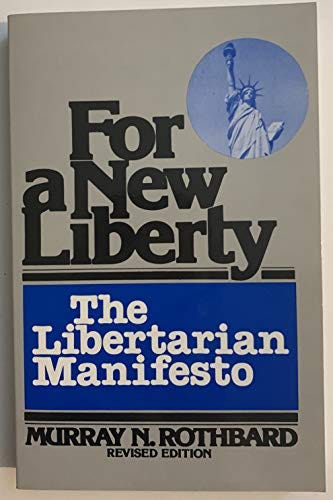
SummaryIn this chapter, Rothbard makes the case for the abolition of public schooling. While he somewhat surprisingly views Friedman’s voucher system as “a great improvement over the present system in permitting a wider range of parental choice and enabling the abolition of the public school system,” Rothbard will settle for nothing less than the separation…
Bet On It Book Club: For a New Liberty, Chapter 7
Book Nook Reading Notes on *Selfish Reasons to Have More Kids*
22 Mar 2025 Leave a comment
in economics of crime, economics of education, human capital, labour economics, labour supply, law and economics, occupational choice, poverty and inequality Tags: College premium, signaling
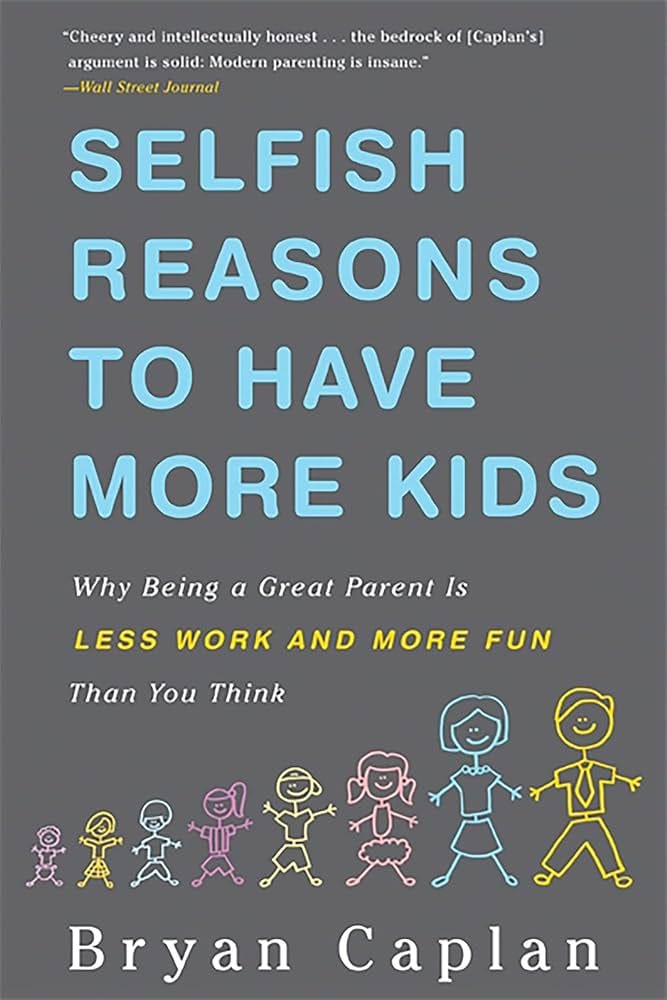
Bet On It reader Dan Barrett wrote these notes for his Book Nook book club on my Selfish Reasons to Have More Kids: Why Being a Great Parent Is Less Work and More Fun Than You Think. Dan’s idea:I’m organizing reading groups packaged as the Book Nook to help colleagues (1) guide their own learning…
Book Nook Reading Notes on *Selfish Reasons to Have More Kids*
Selfishly Speaking, Who Should Skip College?
20 Feb 2025 Leave a comment
in applied price theory, economics of education, economics of information, human capital, James Buchanan, labour economics, labour supply, occupational choice Tags: adverse selection, asymmetric information, College premium, signaling

The central thesis of my The Case Against Education is that actually-existing education is a terrible waste of taxpayer money. Since signaling, not building human capital, is the main function of education, the main effect of government subsidies is credential inflation. In economic jargon, my claim is that education has a low (indeed, negative) social…
Selfishly Speaking, Who Should Skip College?
Genetic Insurance
28 Feb 2024 Leave a comment
in applied price theory, economics of information, entrepreneurship, health economics Tags: adverse selection, health insurance, moral hazard, screening, self-selection, signaling
Genetic testing identifies disease risk, enabling individuals to dodge environmental triggers, optimize treatments, and improve planning. Yet, the fear of increased insurance premiums deters many from undergoing tests. Genetic testing offers societal benefits but also presents significant distributional challenges. To address this, my 1994 paper proposed the idea of genetic insurance. For a small fee […]
Genetic Insurance
Self-selection explained
15 Feb 2024 Leave a comment
in labour economics, labour supply, occupational choice, unemployment Tags: adverse selection, asymmetric information, moral hazard, screening, self-selection, signaling
*The Case Against Education* Makes the WSJ
01 Feb 2024 Leave a comment
in applied price theory, econometerics, economics of education, economics of information, human capital, labour economics, labour supply, occupational choice, poverty and inequality Tags: screening, signaling

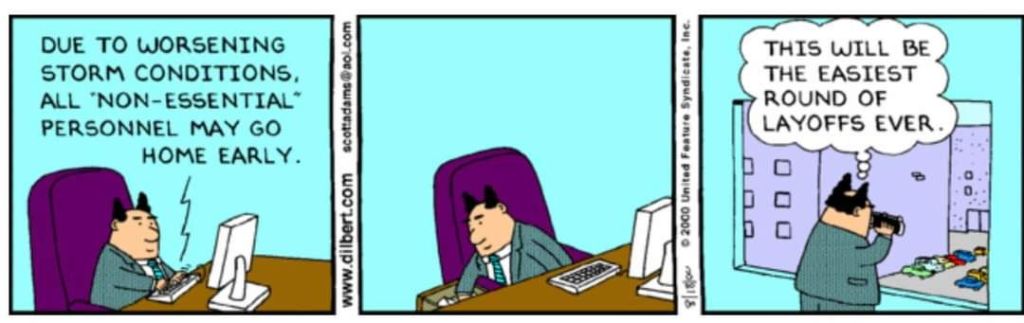
Douglas Belkin, who has an admirably adversarial publication record on higher ed, spotlights my The Case Against Education in his latest piece in The Wall Street Journal:One result of this transactional attitude has been a sharp increase in cheating. College is one of the few products whose consumers try to get as little out of…
*The Case Against Education* Makes the WSJ
Econ Duel: Is Education Signaling or Skill Building?
11 Nov 2023 Leave a comment
in economics of education, economics of information, human capital, labour economics, labour supply, occupational choice Tags: signaling
Bryan Caplan – The Case Against Education
18 Aug 2021 Leave a comment
in applied price theory, applied welfare economics, economics of education, economics of information, human capital, labour economics, labour supply, occupational choice, personnel economics Tags: adverse selection, asymmetric information, screening, signaling
What’s wrong with education? A Symposium featuring Bryan Caplan & Miguel Urquiola
16 Dec 2020 Leave a comment
in economics of education, economics of information, human capital, labour economics, labour supply, occupational choice, personnel economics, poverty and inequality, unemployment Tags: signaling
Adam Smith and religion
21 Aug 2020 Leave a comment
in Adam Smith, comparative institutional analysis, David Friedman, economics of education, history of economic thought, human capital, industrial organisation, labour economics, labour supply, occupational choice, poverty and inequality, property rights Tags: moral hazard, signaling
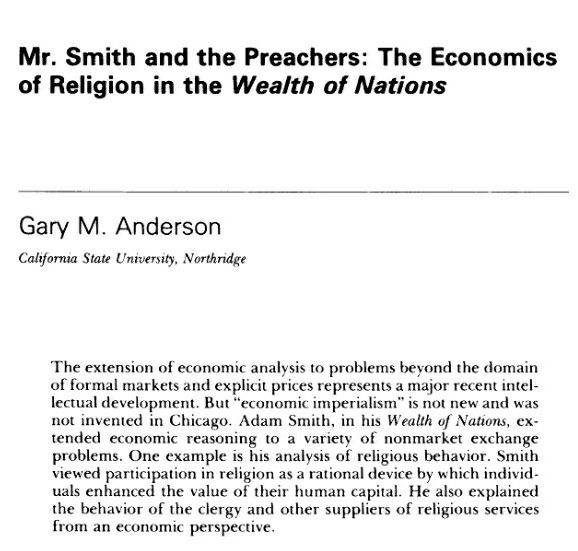
JPE 1988
Bryan Caplan – education is signaling
20 Jun 2020 Leave a comment
in economics of education, economics of information, human capital, labour economics, labour supply, occupational choice, personnel economics Tags: adverse selection, asymmetric information, moral hazard, screening, signaling
.@Bryan_Caplan’s best presentation of the case against education
18 Mar 2020 Leave a comment
in applied price theory, applied welfare economics, comparative institutional analysis, economics of education, economics of information, history of economic thought, human capital, income redistribution, industrial organisation, labour economics, labour supply, managerial economics, occupational choice, organisational economics, personnel economics, Public Choice, public economics, rentseeking, survivor principle Tags: adverse selection, asymmetric information, College premium, graduate premium, screening, self-selection, signaling
Why so many jobs now require a college degree | reTHINK TANK
17 Feb 2020 Leave a comment
in economics of education, economics of information, human capital, labour economics, labour supply, managerial economics, occupational choice, organisational economics, personnel economics Tags: adverse selection, asymmetric information, graduate premium, signaling


Recent Comments