TweetMegan McArdle writes insightfully about California’s pending proposal to soak the rich. Three slices: These days, legislators generally don’t enact tax hikes so confiscatory that they trigger an immediate, obvious response. They adjust income tax rates by a few percentage points, fiddle with the deductions or impose new levies on some tiny portion of the…
Some Links
Some Links
26 Oct 2026 Leave a comment
in applied price theory, entrepreneurship, fiscal policy, human capital, income redistribution, labour economics, labour supply, macroeconomics, politics - USA, poverty and inequality, Public Choice Tags: California, taxation and entrepreneurship, taxation and investment
Brazil’s economic problems, in a nutshell
26 Oct 2026 Leave a comment
in budget deficits, development economics, economic growth, economic history, fiscal policy, growth disasters, labour economics, macroeconomics, welfare reform Tags: Brazil
It would take true Milei-like ardour to slice through Brazil’s economic troubles. These are caused by a gnarly mix of high public spending, stubborn inflation and low saving. The result is a crippling cost of capital. Some analysts put Brazil’s real interest rate, the BCB’s policy rate adjusted for next year’s expected inflation, at 9% or…
Brazil’s economic problems, in a nutshell
Will bystander economies be able to finance their governments?
24 Oct 2026 Leave a comment
in applied price theory, budget deficits, economic growth, entrepreneurship, fiscal policy, macroeconomics, Public Choice, public economics Tags: creative destruction
From Jesús Fernández-Villaverde: Will AI poison the public finances of many modern states? There is a real risk that it will. Yesterday, I circulated a new paper, “Saving for the Machines,” which makes a simple point. Building the AI transformation will require enormous investment. The only way to induce agents to save for that investment…
Will bystander economies be able to finance their governments?
The Economic Consequences of Different Ways of Propping Up Social Security
24 Oct 2026 Leave a comment
in fiscal policy, income redistribution, macroeconomics, politics - USA, Public Choice, public economics Tags: social insurance
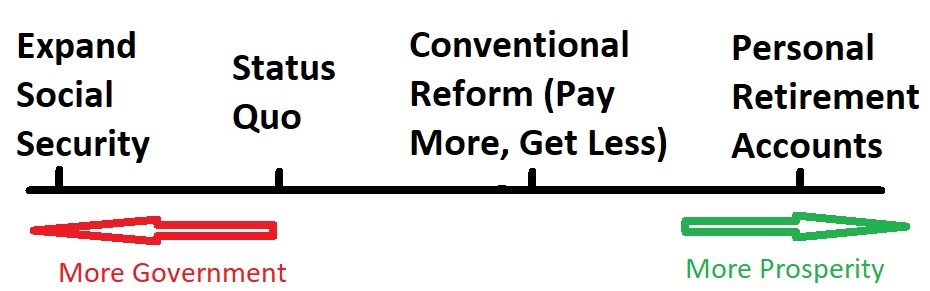
My Ph.D. dissertation last century was about Australia’s system of personal retirement accounts, so I have a long-time interest in how to fix America’s Social Security system. Which leads me to a good news-bad news situation. The good news is that politicians will probably be forced to deal with Social Security at some point in […]
The Economic Consequences of Different Ways of Propping Up Social Security
SIEPR Economic Summit 2026 | California Wealth Tax
22 Oct 2026 Leave a comment
in applied price theory, economic growth, economic history, entrepreneurship, fiscal policy, history of economic thought, human capital, income redistribution, labour economics, labour supply, macroeconomics, Public Choice, public economics Tags: California, taxation and entrepreneurship, taxation and investment
California in-migration and out-migration
14 Oct 2026 Leave a comment
in applied price theory, econometerics, entrepreneurship, fiscal policy, human capital, labour economics, labour supply, macroeconomics, politics - USA, poverty and inequality, public economics Tags: California, taxation and entrepreneurship, taxation and investment, taxation and labour supply, top 1%
Long-run U.S. population movements have been driven more by natural amenities than by jobs, and California, rich in both uniform and complementary climates, should be a persistent net gainer of domestic migrants. It has instead lost residents to other states every year since about 1990. This paper argues that its amenities are unchanged and that…
California in-migration and out-migration
Robert E. Hall, Nobel Laureate
13 Oct 2026 1 Comment
in business cycles, economic growth, fiscal policy, history of economic thought, labour economics, macroeconomics, monetarism, monetary economics, unemployment
Alex has already covered this, I will add a few remarks. First, every Bob Hall paper is interesting! Only a handful of economists can say the same. Every paper has an idea, and some sort of novel contribution. His lesser-known papers can be as thought-provoking as the more famous ones. Here is Bob on scholar.google.com. …
Robert E. Hall, Nobel Laureate
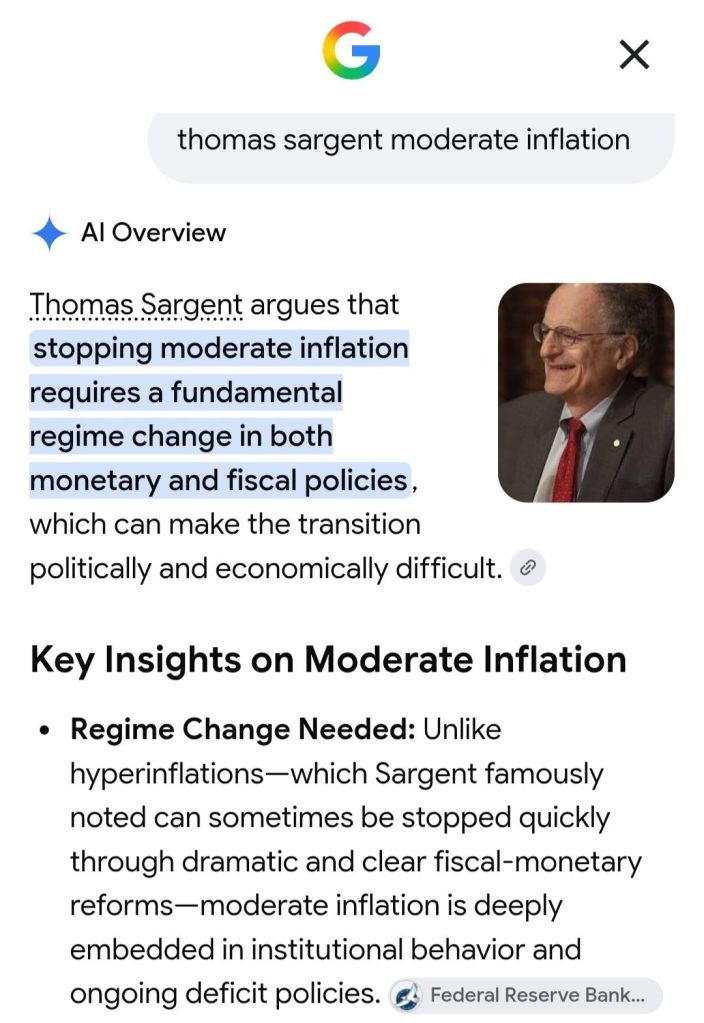
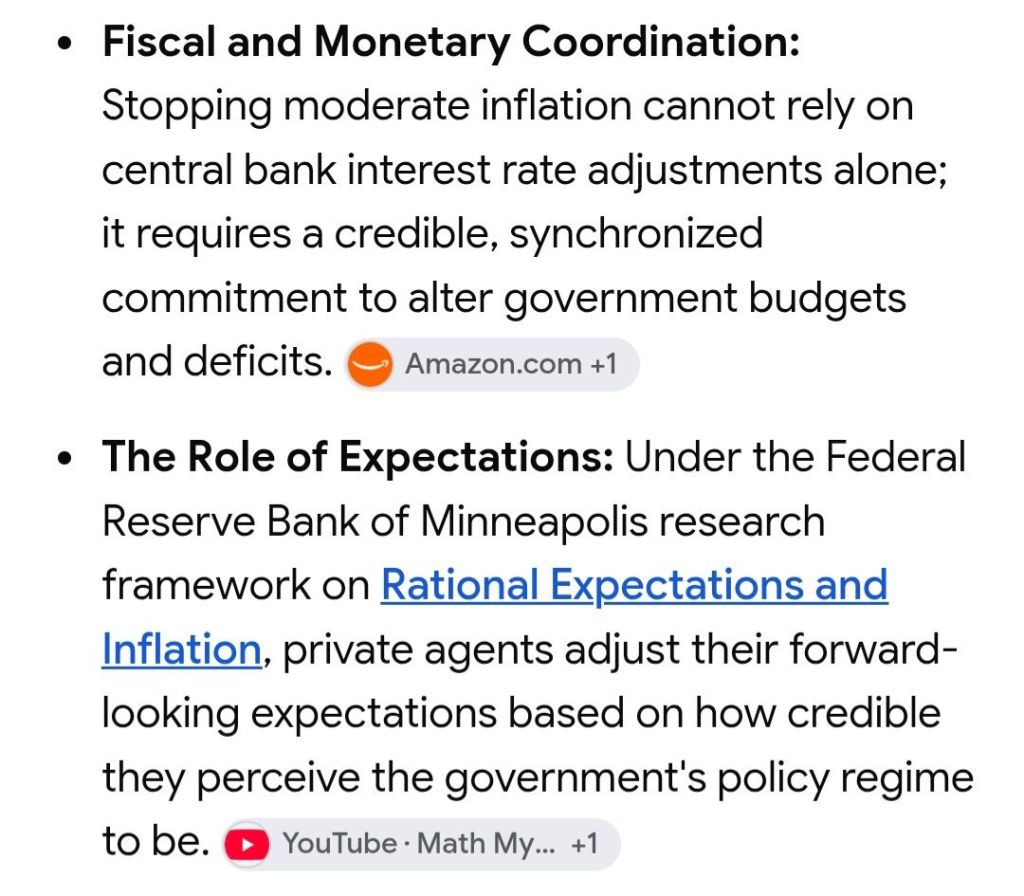
Sargent on moderate inflations
11 Oct 2026 Leave a comment
in labour economics, macroeconomics, history of economic thought, monetarism, inflation targeting, economic history, fiscal policy, budget deficits, business cycles, unemployment, monetary economics Tags: monetary policy
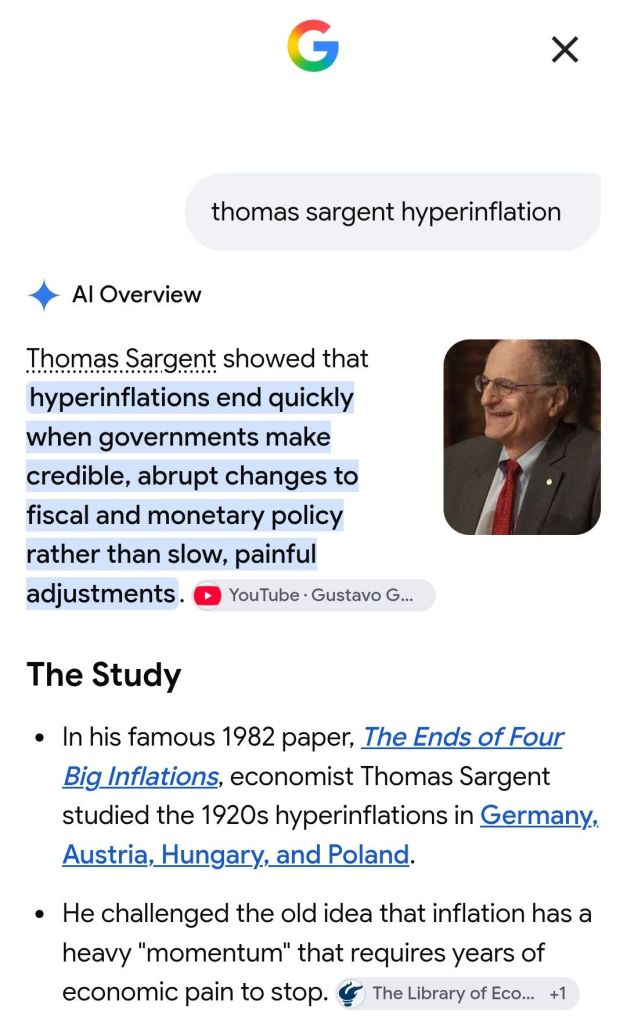
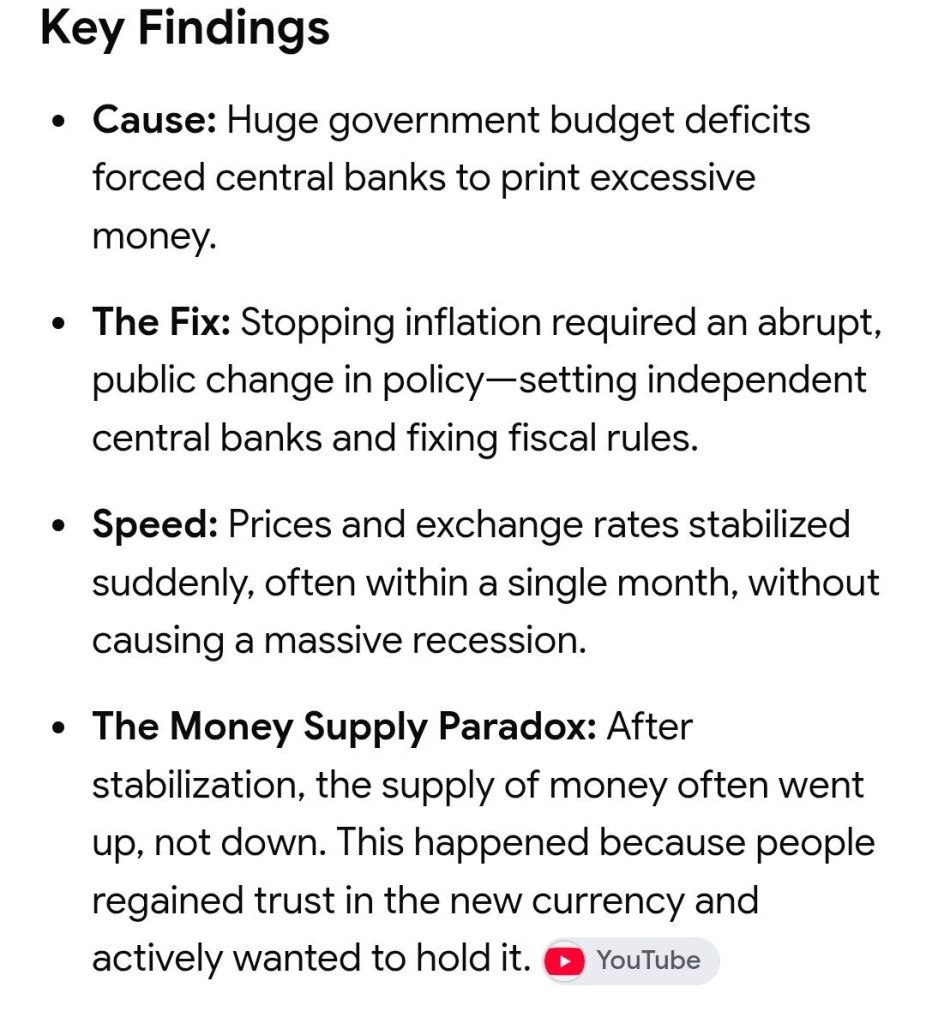
Sargent on hyperinflation
07 Oct 2026 Leave a comment
in budget deficits, business cycles, economic history, fiscal policy, history of economic thought, macroeconomics, monetarism, monetary economics Tags: hyperinflation, monetary policy
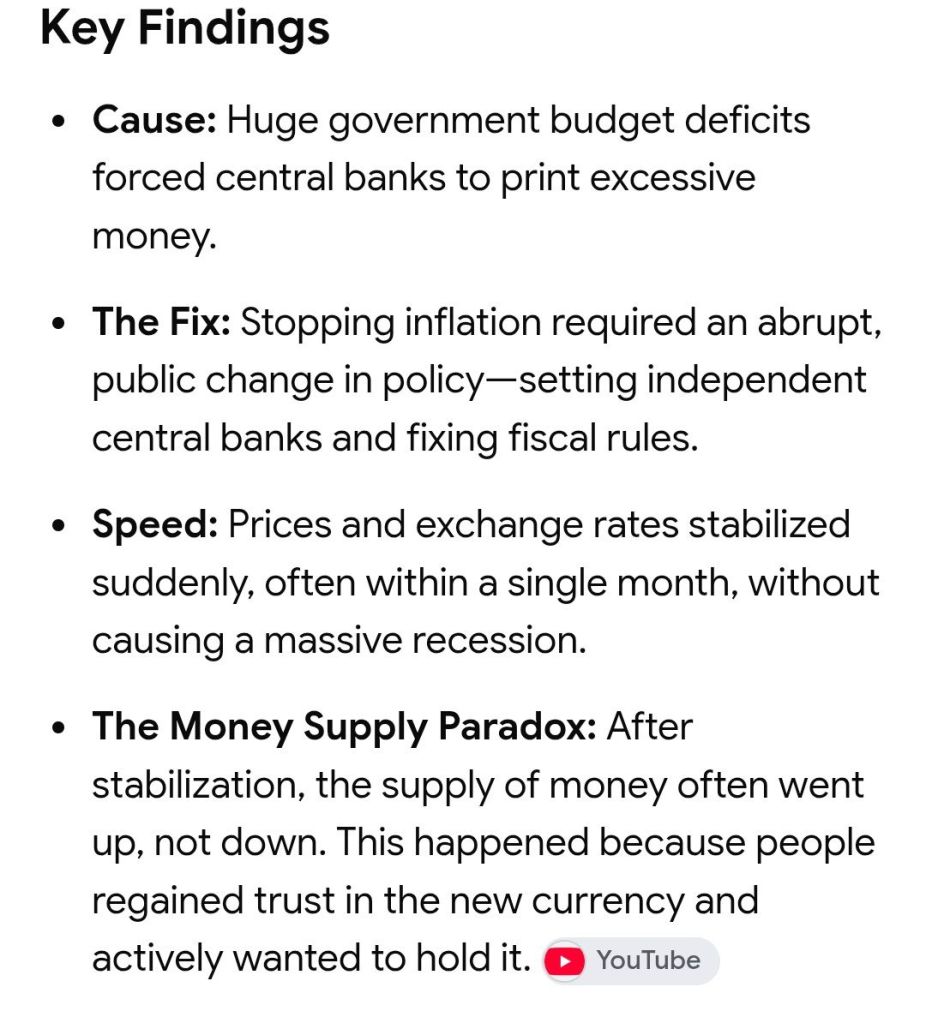
Sargent on moderate inflations
04 Oct 2026 Leave a comment
in budget deficits, business cycles, economic history, fiscal policy, history of economic thought, labour economics, labour supply, macroeconomics, monetarism, monetary economics, unemployment Tags: monetary policy
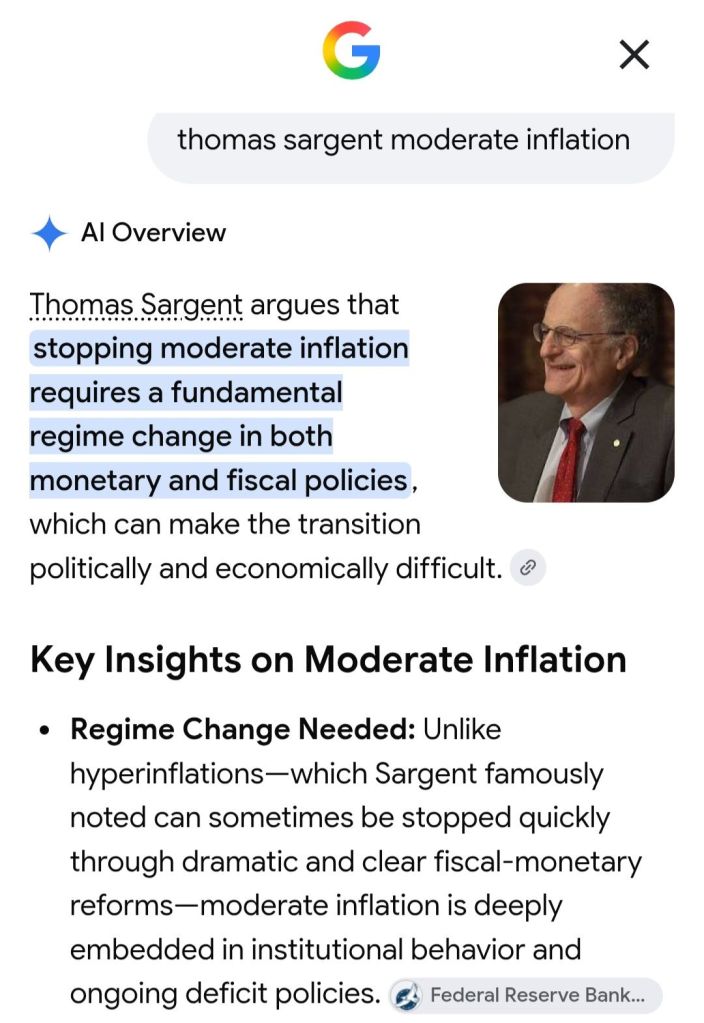
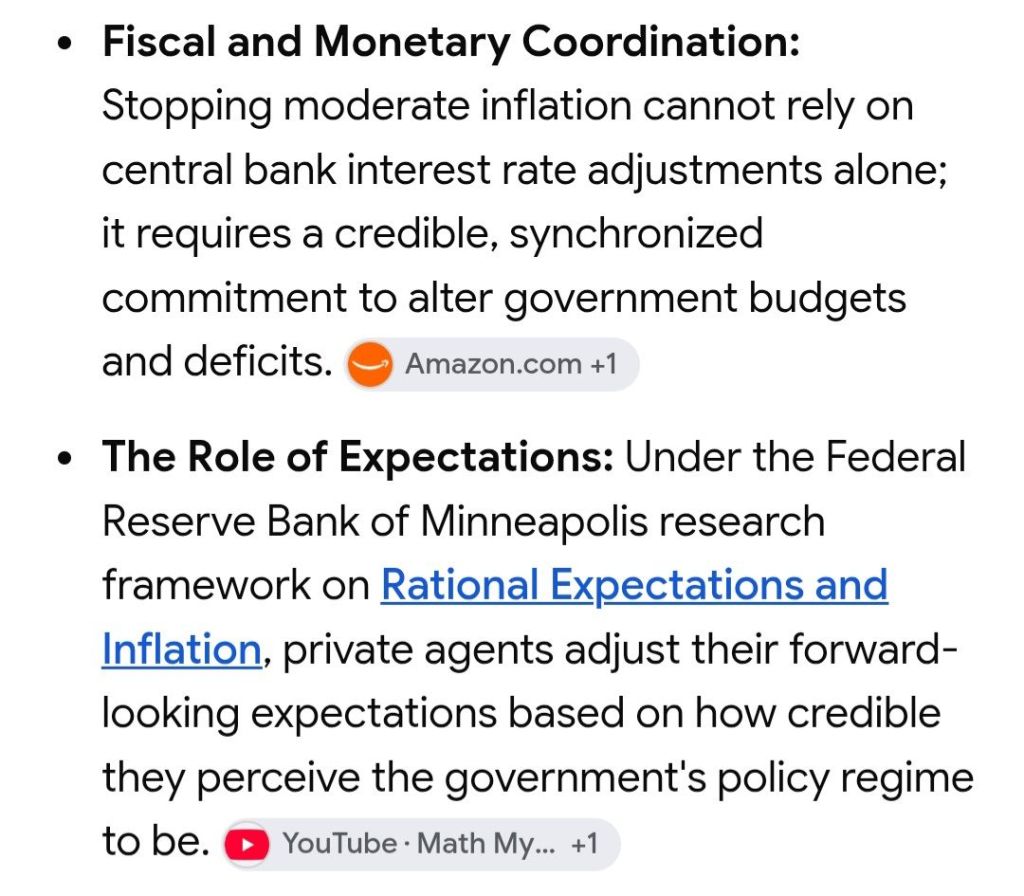
Sargent on hyperinflation
02 Oct 2026 Leave a comment
in budget deficits, business cycles, economic history, fiscal policy, history of economic thought, labour economics, labour supply, macroeconomics, monetarism, monetary economics, unemployment Tags: hyperinflation, monetary policy
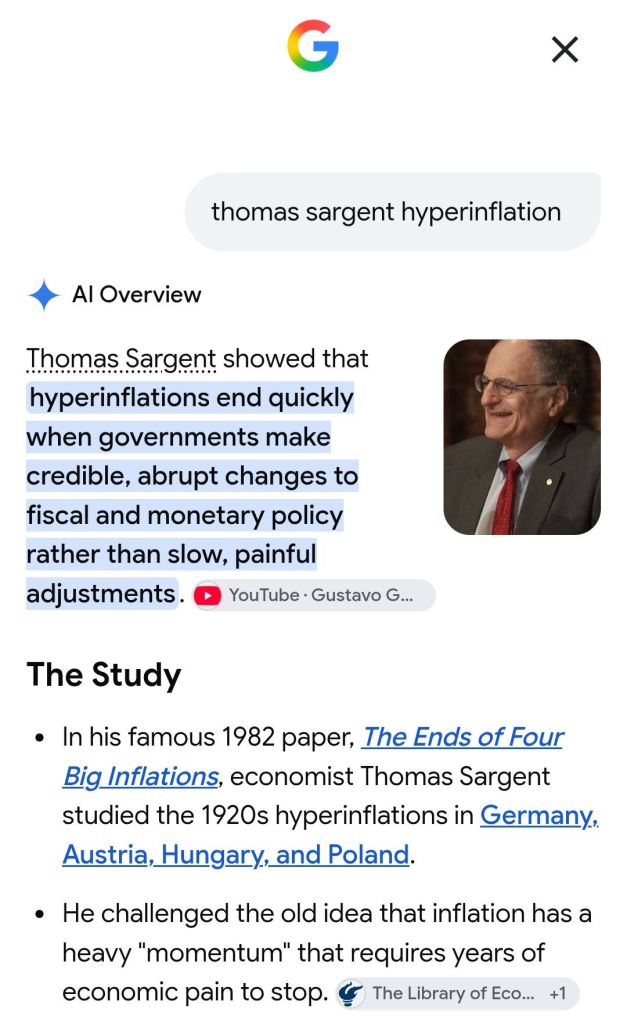
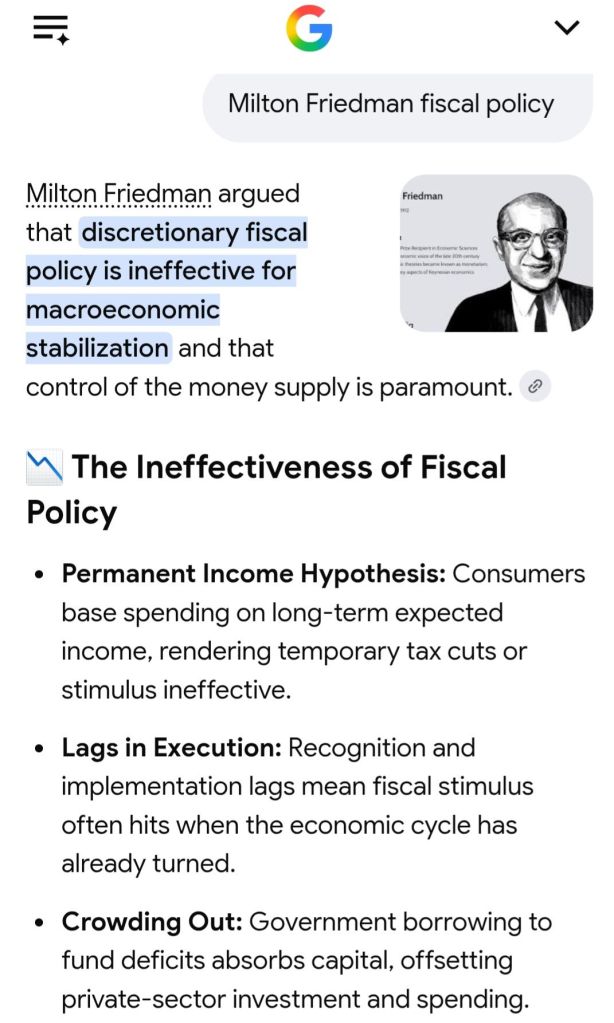
Friedman on fiscal policy
30 Sep 2026 Leave a comment
in budget deficits, business cycles, economic growth, fiscal policy, history of economic thought, macroeconomics, Milton Friedman, monetarism, monetary economics
The U.K. Version of the Laffer Curve Strikes Again
29 Sep 2026 Leave a comment
in applied price theory, economic growth, economic history, entrepreneurship, financial economics, fiscal policy, history of economic thought, labour economics, labour supply, macroeconomics Tags: British politics, taxation and investment, taxation and labour supply

There are two reasons why I periodically write about the Laffer Curve. I want my left-leaning friends to understand to understand that higher tax rates on productive behavior will lead to less taxable income and some foregone tax revenue. I want my right-leaning friends to understand that tax cuts are only self-financing in rare cases […]
The U.K. Version of the Laffer Curve Strikes Again
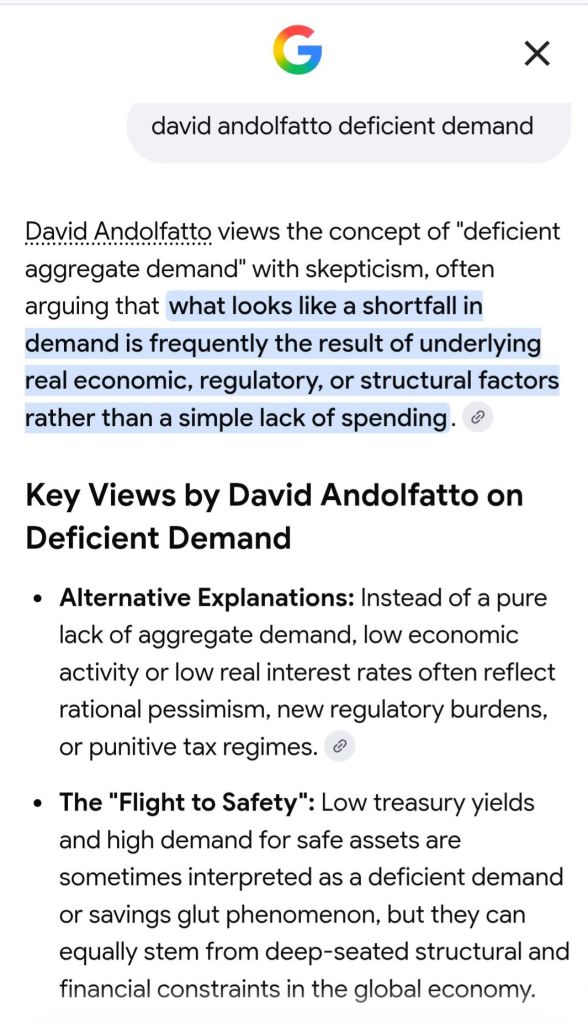
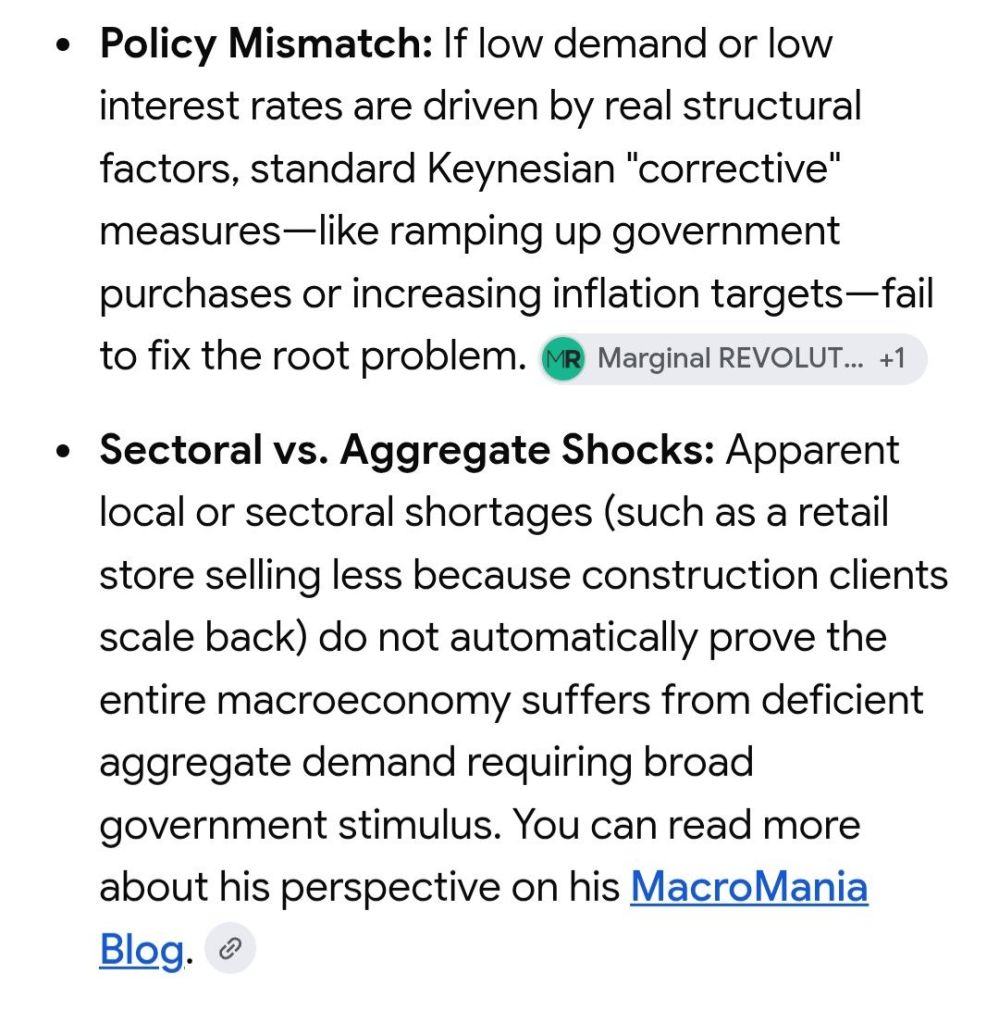
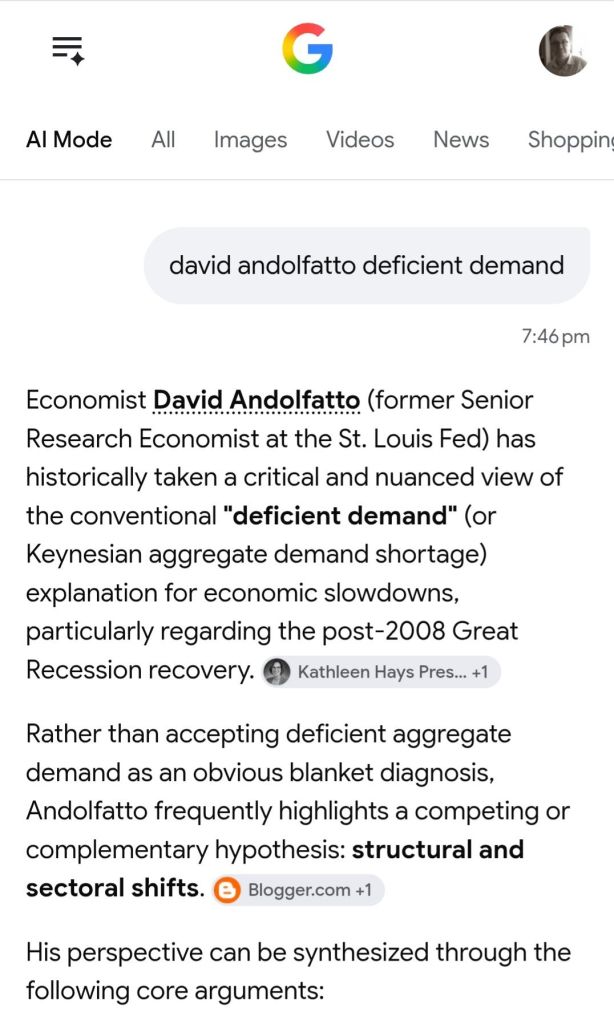
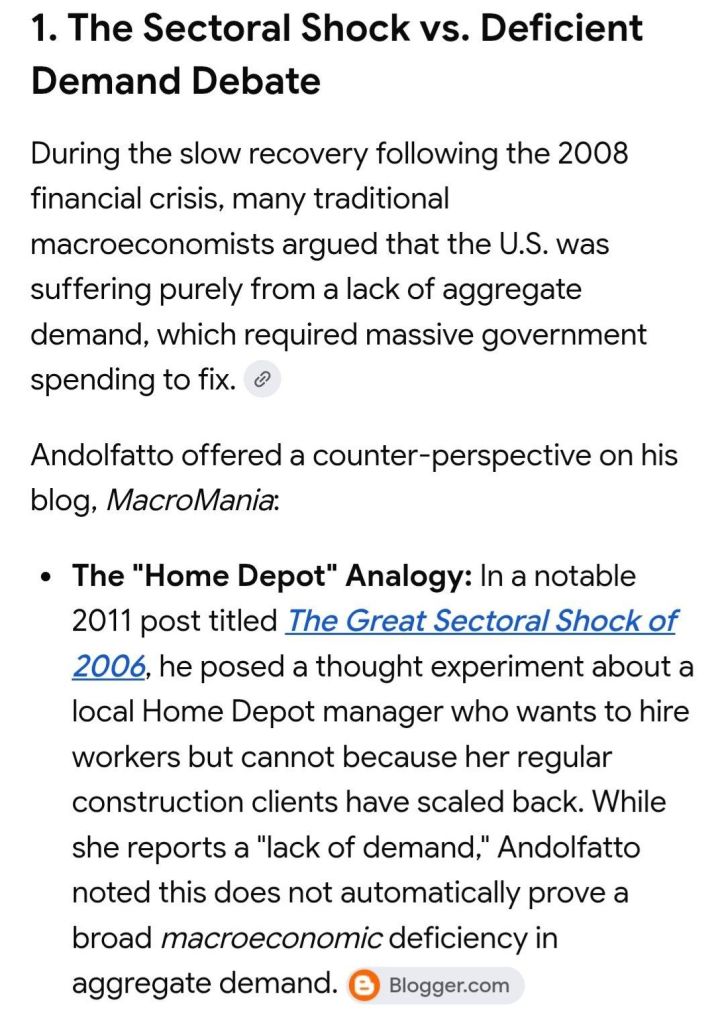
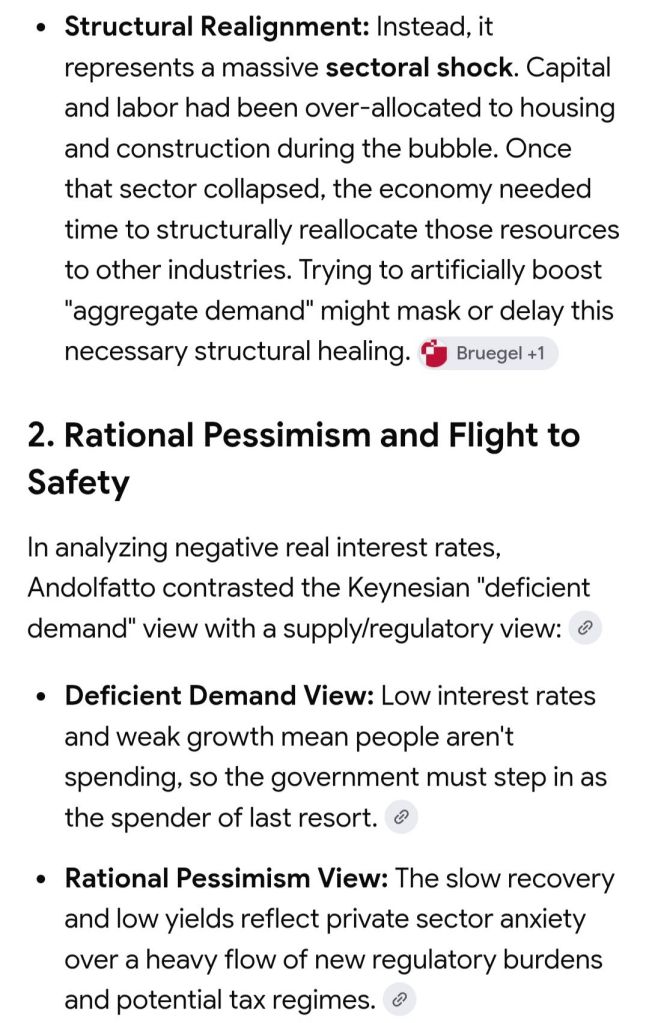
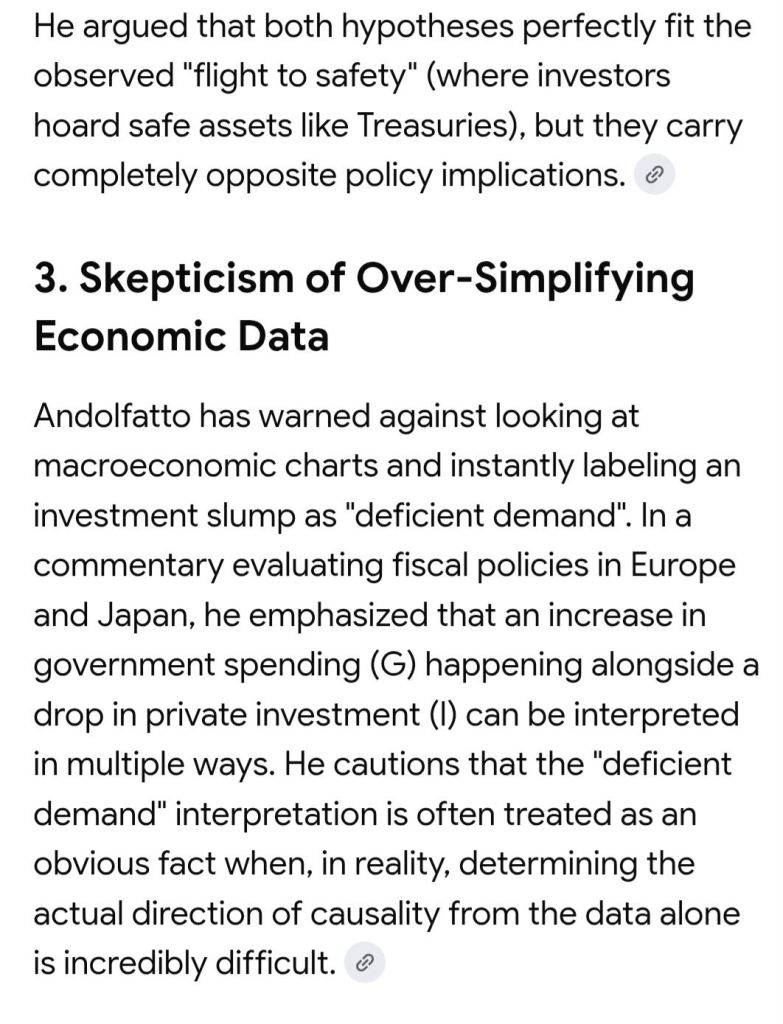
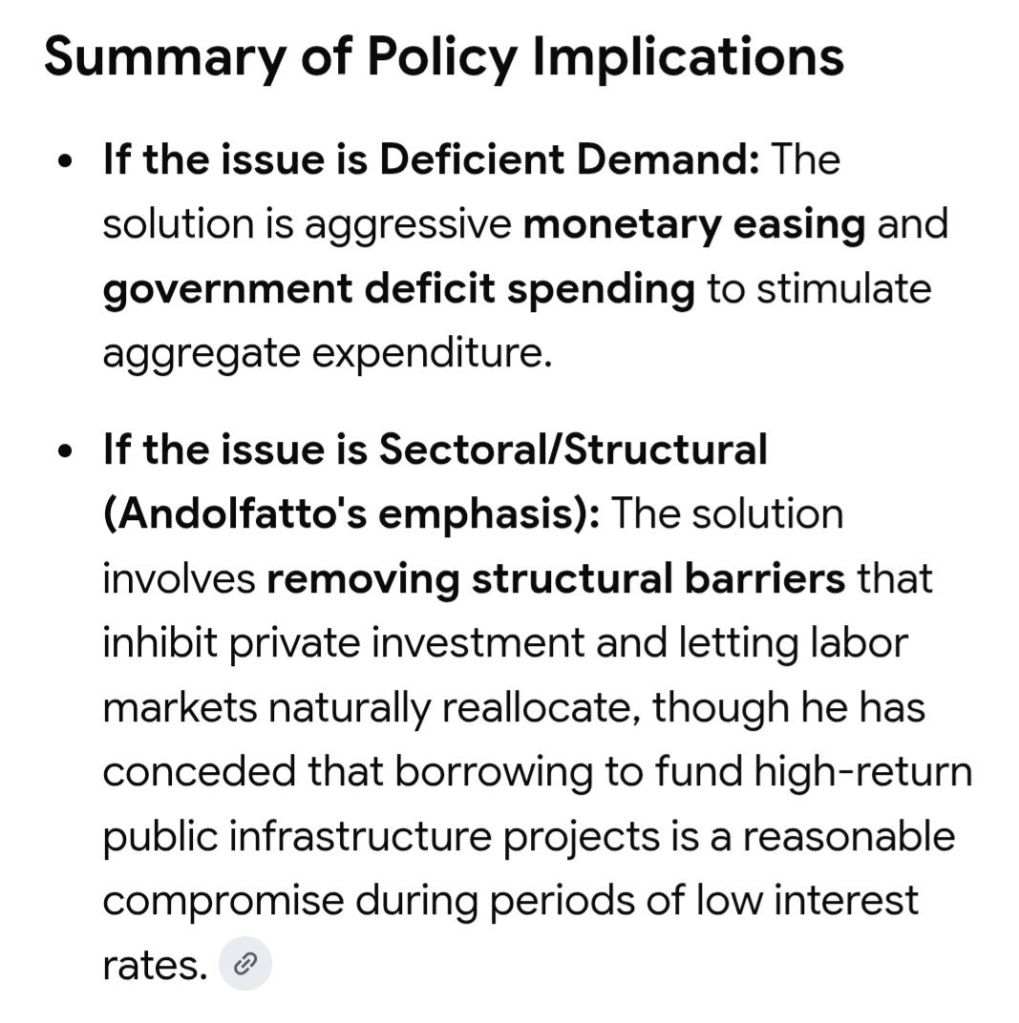
Two AI summaries of @Dandolfa on deficient demand
26 Sep 2026 Leave a comment
in budget deficits, business cycles, fiscal policy, history of economic thought, job search and matching, labour economics, labour supply, macroeconomics, monetary economics, unemployment Tags: monetary policy
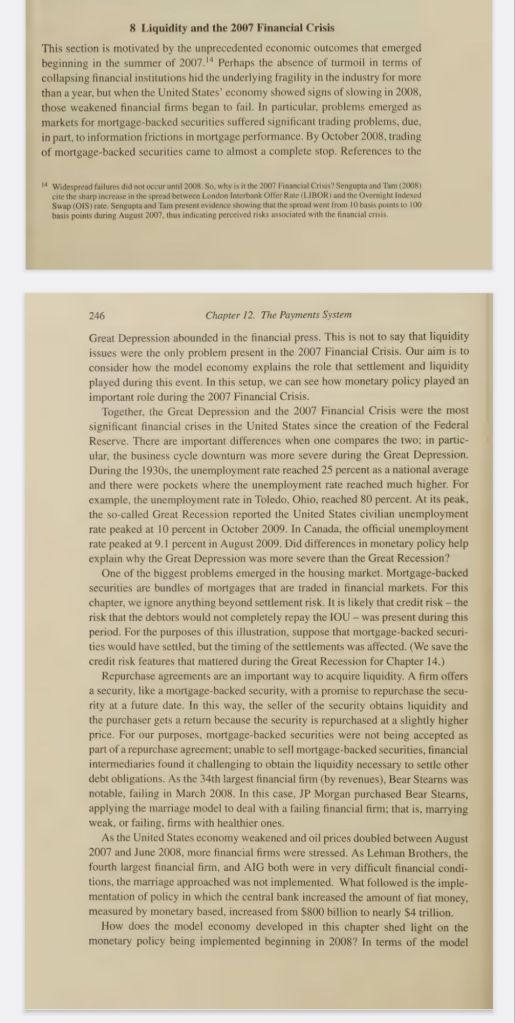
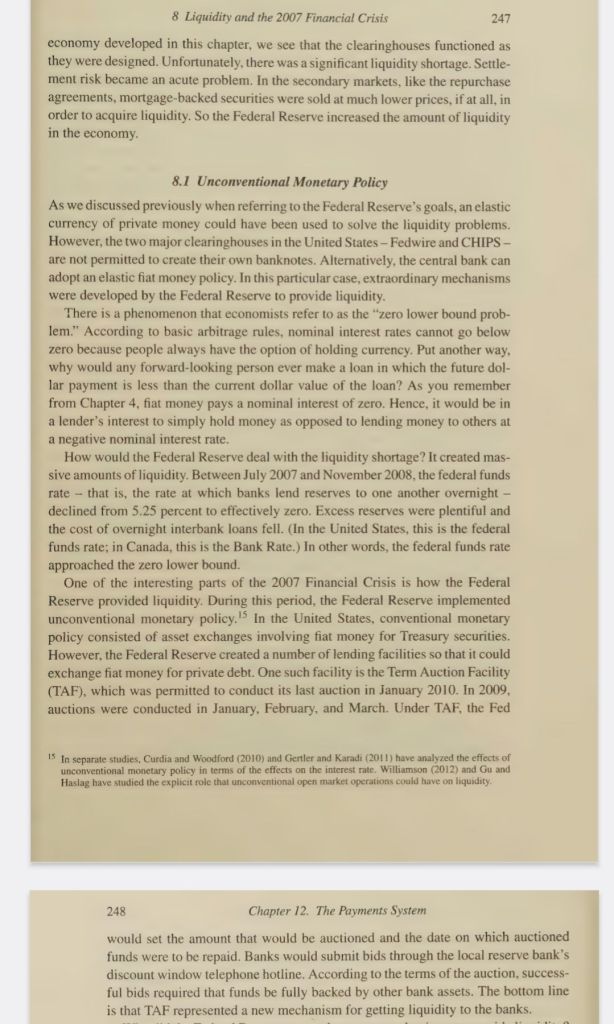
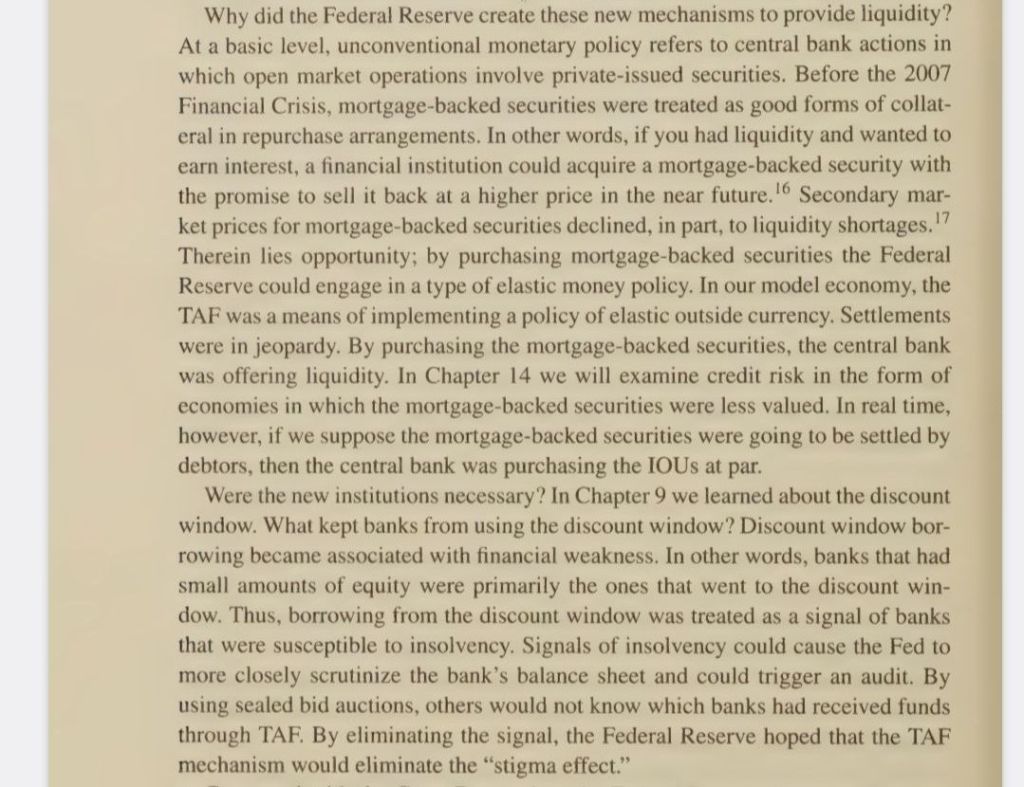
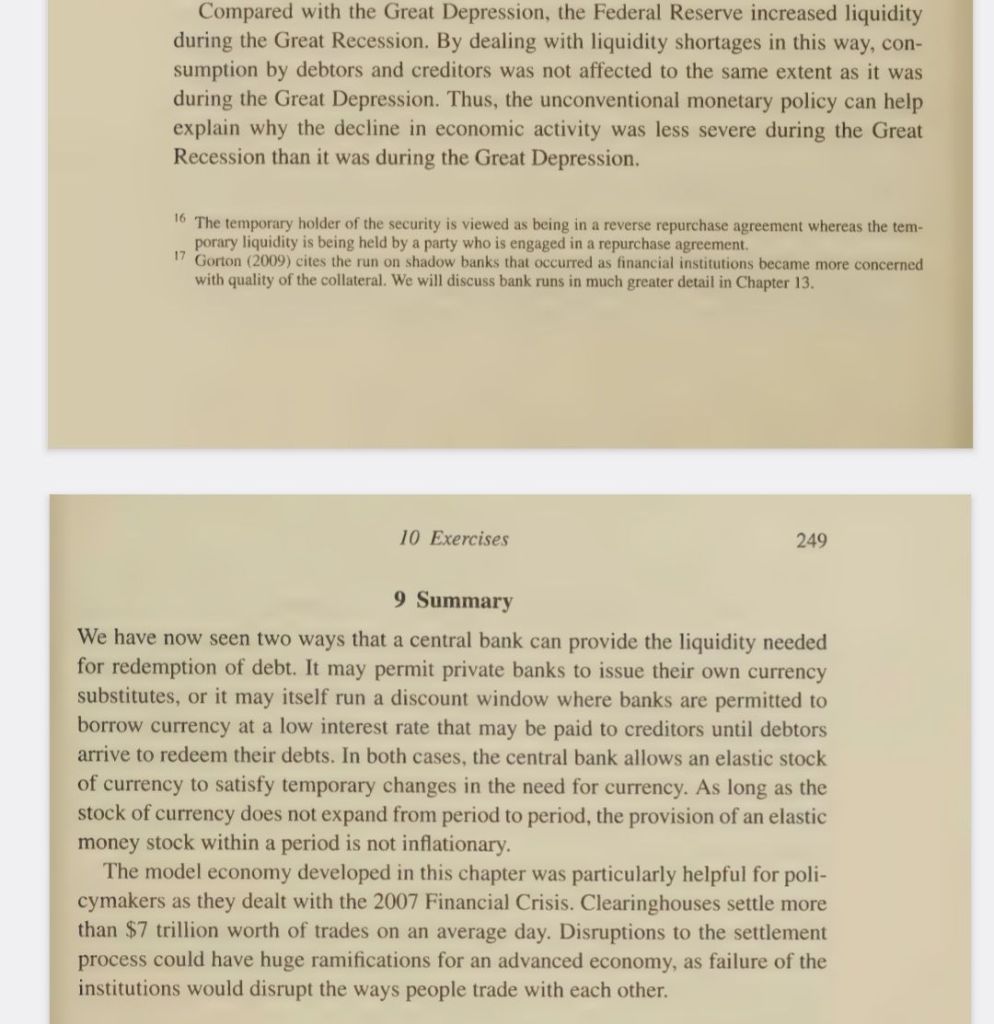
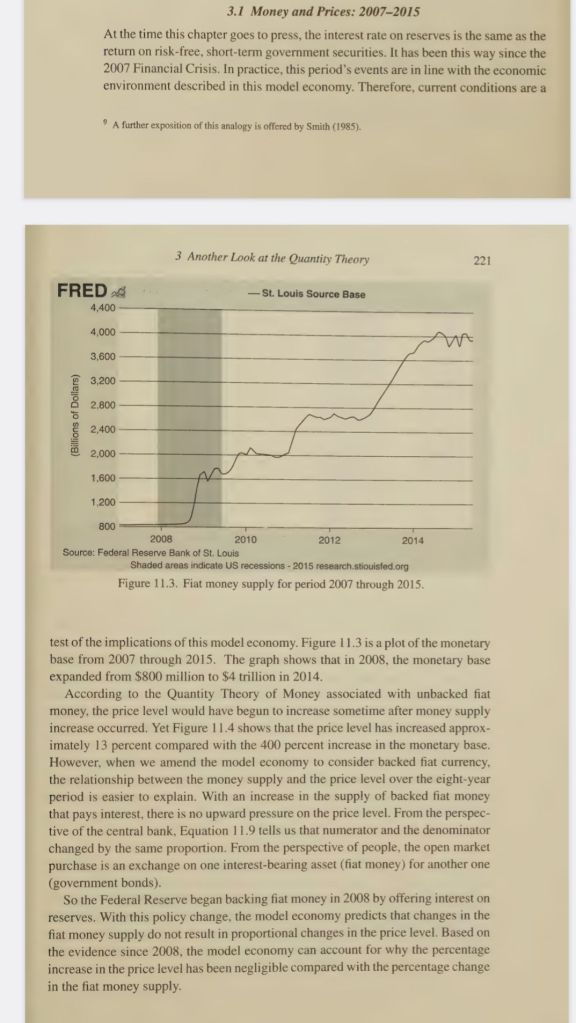
Scott Freeman’s textbook on the GFC
22 Sep 2026 Leave a comment
in applied price theory, budget deficits, business cycles, economic history, fiscal policy, global financial crisis (GFC), great depression, great recession, history of economic thought, labour economics, macroeconomics, monetarism, monetary economics, unemployment Tags: monetary policy


Recent Comments