
The willingness to pay of buyers is the fundamental constraint on wages, conditions, and job amenities including reduced hours of work. Entrepreneurs will not pay no more for inputs – be it labour, land, machinery, or raw materials – than they expect to recoup later on from the sale of their final product (Hicks 1932; Hamermesh 1996).
Wages reflect the value the employee adds to the sales of the firm. The value of what an employee adds is set by the consumers who buy or abstain from buying the output of the firm.
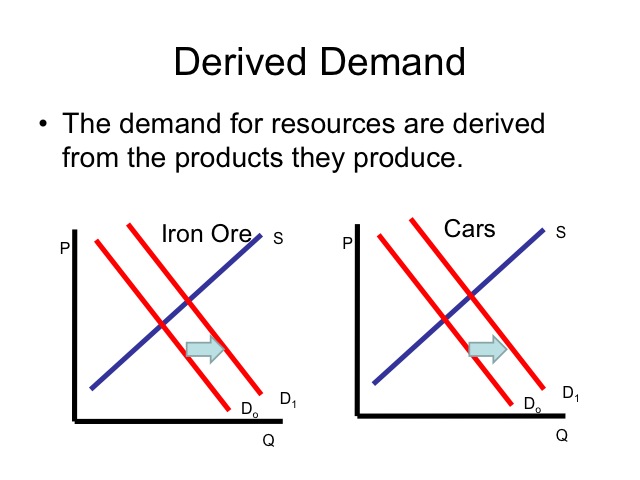
The prices that the final consumer will pay or refuse to pay for products assigns to each kind of labour used in its production a maximum profitable wage. An employer cannot pay higher wages or provide more generous working conditions if buyers are not willing to pay more to cover the extra cost of this (Hicks 1932; Stigler 1987). A profit minded employer cannot grant favours to employees at the expense of customers.

Employers compete for the services of workers who are seeking a range of jobs in industry and occupational labour markets in the areas in which they live. An employer who offers wages, working hours and conditions below what others are paying for the extra value added by a worker will experience higher staff turnover as employees quit to more rewarded jobs elsewhere (Stigler 1987).
These less alert employers will also struggle to recruit and retain the types of workers that are the most profitable for that firm to employ unless they pay the going rate. Rivalry with other sellers sets the maximum on what an employer can profitably pay in wages and survive.
Competition from other employers sets a minimum in wages, hours, working conditions and job amenities to recruit and retain a profitable workforce. Wages are demarked both by what consumers are willing to pay for what the firm produces and by what wages that rival employers are offering in comparable jobs (Stigler 1987).
 Utopia, you are standing in it!
Recent Comments