Gordon Tullock long ago asked why is the rent seeking industry is so small relative to its potential gains. The lobbying industry is small as are lobbying expenditures and political donations relative to the billions potentially and actually handed out to successful rent seekers.
There is no reason why these resources should receive a higher return than resources invested in other activities, hence the rectangle, which represented the return on them should more or less equal the amount of resources invested. In other words, the social waste from rent seeking was much greater than the previous studies indicated
The relatively low investments made by successful rent seeking firms prepared to the rents successfully captured is the Tullock paradox.
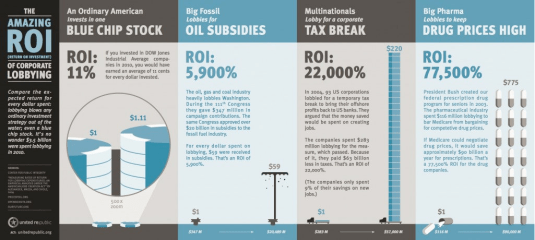
Source: 22roi-img-superJumbo.jpg (1024×460) via The lobbyists themselves state the “Tullock paradox”.
The three major explanations for the Tullock paradox are:
- Voters punish politicians who take large bribes, or live lavish lifestyles. This makes it hard for politicians to demand large bribes from rent-seekers.
- Competition between different politicians eager to offer favours to rent-seekers may bid down the cost of rent-seeking.
- Lack of trust between the rent-seekers and the politicians, due to the inherently underhanded nature of the deal and the unavailability of both legal recourse and reputational incentives to enforce compliance with political deals, pushes down the price that politicians can demand for favours.
Gordon Tullock in the late 1990s suggested the main reason for the low amount of spending on rent seeking is most rent seeking is actually by voters themselves at the ballot box.
 Utopia, you are standing in it!

Recent Comments