There have been studies of both elections affecting the fighting wars, and how troop deployments and furloughs are manipulated to affect elections. Regular Army and reservists from states and electorates that are hotly contested at the next election are kept away from the firing line.
Goff and Tollison (1987) studied how assignments to combat or non-combat positions wan influenced by political considerations during the Vietnam war. Casualties across U.S. states were a function of the political influence, especially in military affairs, of a state’s House and Senate delegations to Congress and the Senate.
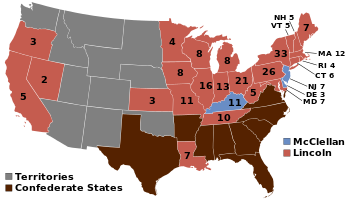
Political influence on which troops were put into combat positions was not new as shown by Anderson and Tollison’s 1991 study of the electoral college is a battlefield during the American civil war. Their primary empirical finding was that electoral votes per capita are a strong explainer of casualties across Union states, all else equal. Lincoln would dispatch and withdraw troops from the frontline on the basis of electoral considerations, including who was needed back home to vote in the 1864 presidential election:
Northern causalities [during the Civil War] were partly determined by electoral votes in 1864… Given that the Northern troops were organized by states and that President Lincoln sought to be re-elected, . . . [t]roops from close states were much less likely to suffer causalities . . . [based on the logic that] . . . dead men cannot vote
 Utopia, you are standing in it!
Recent Comments