A great summary of the rise and fall of the Labour governments in the 1970s. The fall of the Callaghan government in 1979 by one vote is the stuff of history and intrigue.

 In the 20th century, the two governments with the smallest winning majorities were Labour. The election of February 1974 was, in effect, a draw. Both major parties saw their share of the popular vote fall, and the Tories were some 200,000 votes ahead of Labour. However, with 301 seats to 296, Labour were the largest party in the Commons. Heath tried to broker a deal but, wisely one might feel, neither the Liberals under Jeremy Thorpe, nor the now separate Ulster Unionists, would not play ball.
Harold Wilson thus formed a minority government. Wilson had won a tiny majority in 1964, as explained here; in 1966, he went to the country and won a handsome victory. In October 1974, he tried the same trick. In some ways it was a result very similar to Cameron’s. Labour had a majority of 3, and polled 3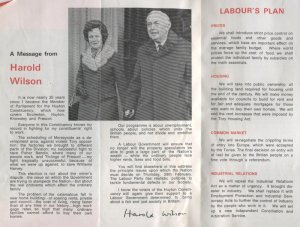 9% of the popular vote…
View original post 734 more words
 Utopia, you are standing in it!
Recent Comments