Thatcher was able to implement her policies because the Labour Party of the 1980s failed to offer a credible alternative government. In the 1983 general election, Labour ran on policy such as
- leaving the European Economic Community,
- abolishing the House of Lords,
- abandoning the United Kingdom‘s nuclear deterrent by cancelling Trident and removing cruise missiles.
After barely upholding the social democratic alliance in 1983, British labour did slightly better after four more years of Maggie Thatcher. Labour won 30% of the vote in 1987, up from 27%. in 1983 The social democratic alliance drop down from 25% to 22%
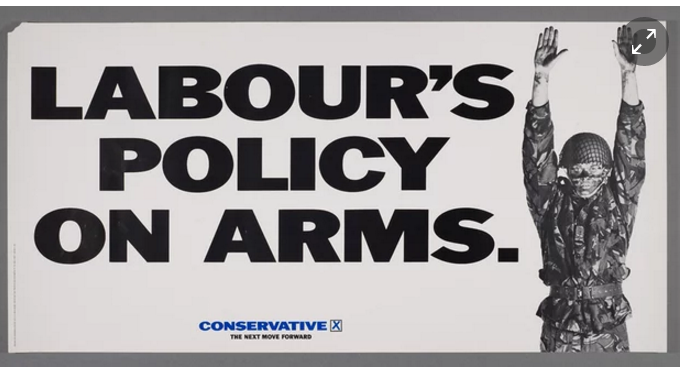
One reason was clever responses are national security in the 1987 election such as this
On 24 May, Kinnock was interviewed by David Frost and claimed that Labour’s alternative defence strategy in the event of a Soviet attack would be “using the resources you’ve got to make any occupation totally untenable”.
In a speech two days later Mrs. Thatcher attacked Labour’s defence policy as a programme for “defeat, surrender, occupation, and finally, prolonged guerrilla fighting… I do not understand how anyone who aspires to Government can treat the defence of our country so lightly.”
In 1992, Labour still lost the election by a landslide despite 13 years of Thatcher good and ended its commitment to unilateral nuclear disarmament, high taxes and old-style nationalisation. Go left, go left so damaged the labour brand that a new generation of leaders was required.
The British electorate had every chance to vote for a hard left Labour in the 1980s. It rejected it resoundingly and almost voted in the social democratic alliance as the main opposition party.
 Utopia, you are standing in it!
Recent Comments