
Charles was moved to Hurst Castle at the end of 1648, and thereafter to Windsor Castle. In January 1649, the Rump House of Commons indicted him on a charge of treason, which was rejected by the House of Lords. The idea of trying a king was a novel one. The Chief Justices of the three common law courts of England – Henry Rolle, Oliver St John and John Wilde – all opposed the indictment as unlawful.
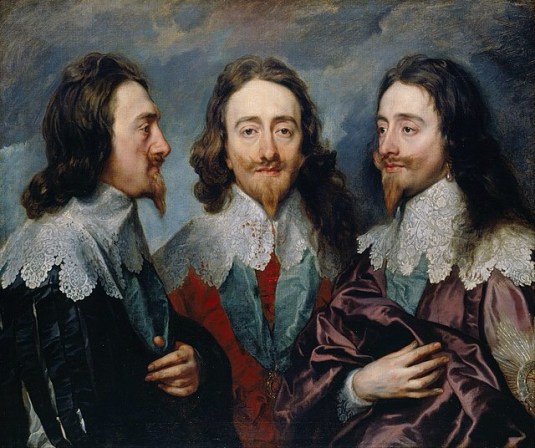
The Rump Commons declared itself capable of legislating alone, House of Lords passed a bill creating a separate court for Charles’s trial, and declared the bill an act without the need for royal assent. The High Court of Justice established by the Act consisted of 135 commissioners, but many either refused to serve or chose to stay away. Only 68 (all firm Parliamentarians) attended Charles’s trial on charges of high treason and “other high…
View original post 557 more words
 Utopia, you are standing in it!
Recent Comments