
Emperor or Empress of India, shortened to King-Emperor or Queen-Empress, was a title used by British monarchs from 1 May 1, 1876 (with the Royal Titles Act 1876) to June 22, 1948. The image of the Emperor or Empress was used to signify British authority—his or her profile, for instance, appearing on currency, in government buildings, railway stations, courts, on statues etc. “God Save the King” (or, alternatively, “God Save the Queen”) was the former national anthem of British India.
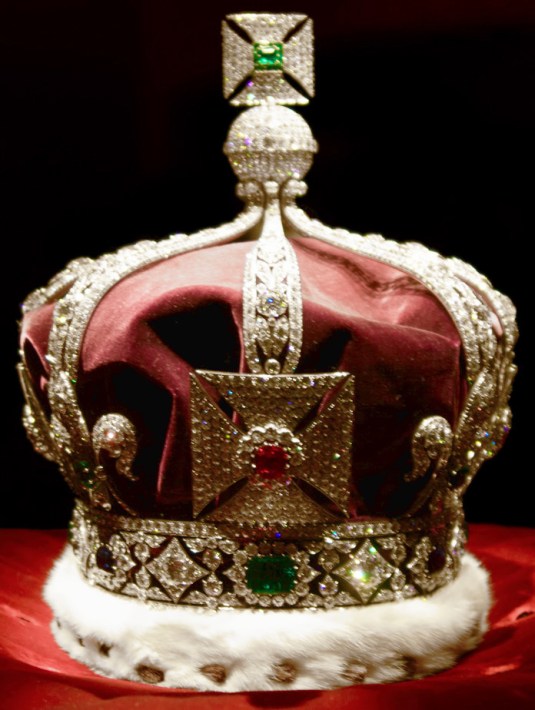
Imperial Crown of India
Oaths of allegiance were made to the Emperor or Empress and the lawful successors by the governors-general, princes, governors, commissioners in India in events such as imperial durbars.
The title was officially dropped on June 22, 1948, when, under the Indian Independence Act 1947, George VI became King of the new dominions of India and Pakistan. The monarchies of both nations were abolished upon the establishment…
View original post 869 more words
 Utopia, you are standing in it!
Recent Comments