

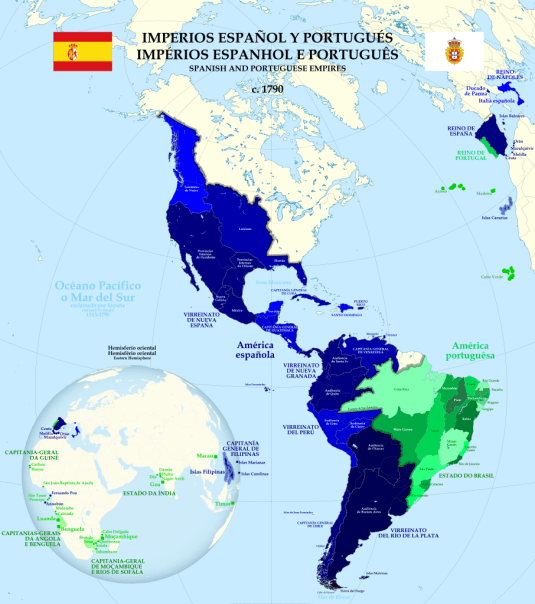
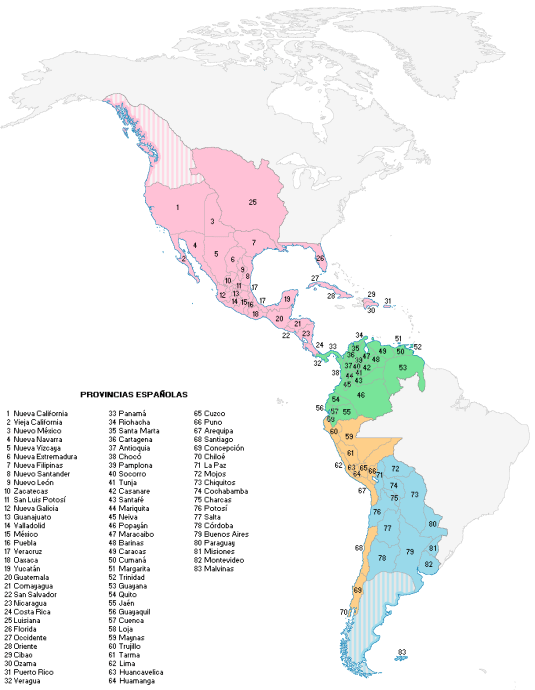
The final century and a half of Spanish colonial rule brought additional changes to the Andean political, social, and economic systems that had emerged during the age of Viceroy Toledo. From 1650 to 1750, the South American empire experienced declining mining production and tax revenues, which, from the perspective of the government in Spain, resulted in a century of depression and decline. At the same time, because the weaker imperial government intruded less on the lives of Andeans, the same century brought prosperity to local elites, who retained more resources to maintain a gracious lifestyle. Less exploitation also brought relief to indigenous populations, whose numbers finally began to recover in the 1700s. Only during the last decades of the eighteenth century did a new royal dynasty, the Bourbons, attempt to redress the empire’s loss of authority and revenue. By creating a more modern, activist state, the Bourbon monarchs, especially Charles…
View original post 3,737 more words
 Utopia, you are standing in it!
Recent Comments