
Scholars generally concur, however, in relating an evolutionary process to the institutions and principles eventualy forming and constituting the empire, describing it as a gradual assumption of the imperial title and role of the emperor and the empire itself over the lands under its authority.
Let us delve deeper into the creation of the empire. First some background information leading to the rule of Charlemagne.
From the time of Roman Emperor Constantine I (r. 306–337), the Roman emperors had, with very few exceptions, taken on a role as promoters and defenders of Christianity. The reign of Constantine established a precedent for the position of the Christian emperor in the Church.
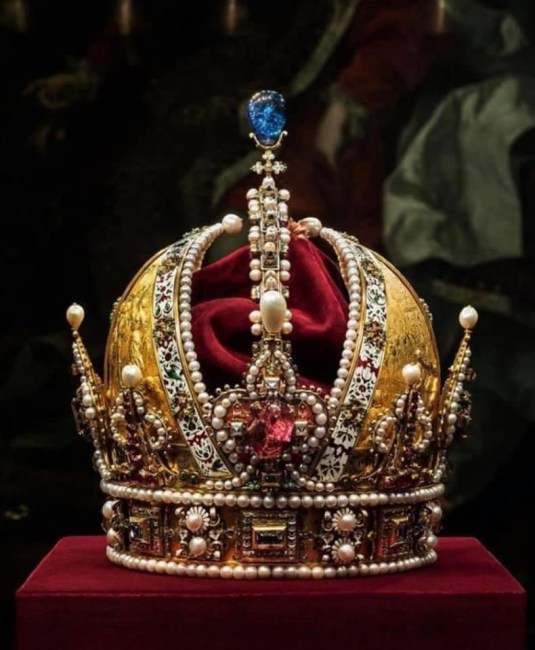 Roman Emperors considered themselves responsible to the gods for the spiritual health of their subjects, and after Constantine and his conversation to Christianity, the Emperors believed they had a duty to help the Church define and maintain orthodoxy. The emperor’s…
View original post 1,171 more words
 Utopia, you are standing in it!
Recent Comments