Essential Nozick: Income redistribution is incompatible with liberty
11 Oct 2021 Leave a comment
in applied price theory, applied welfare economics, comparative institutional analysis, constitutional political economy, entrepreneurship, history of economic thought, human capital, industrial organisation, labour economics, labour supply, poverty and inequality, Rawls and Nozick, survivor principle
David Friedman on Triple-V: Consequentialism, Foreign Policy, Unschooling, more…
11 Oct 2021 Leave a comment
in applied price theory, applied welfare economics, comparative institutional analysis, constitutional political economy, David Friedman, defence economics, economics of crime, environmental economics, law and economics, property rights
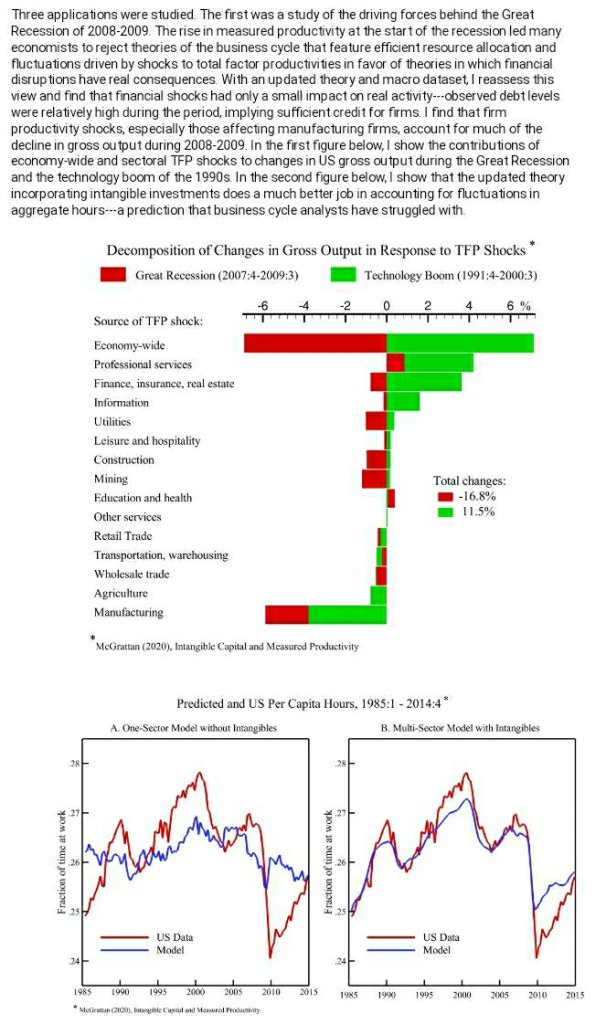
Ellen McGrattan on the Great Recession
11 Oct 2021 Leave a comment
in applied price theory, business cycles, economic growth, economic history, economics of education, Edward Prescott, entrepreneurship, financial economics, global financial crisis (GFC), great recession, history of economic thought, human capital, industrial organisation, labour economics, labour supply, macroeconomics, occupational choice, survivor principle Tags: real business cycles
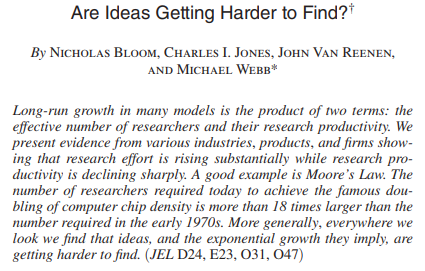
Economic growth arises from people creating ideas
11 Oct 2021 Leave a comment
in applied price theory, econometerics, economic growth, economic history, economics of education, macroeconomics
The Court of Star Chamber’s Record(s) and Reports
10 Oct 2021 Leave a comment

Posted by Krista J. Kesselring, 10 October 2021.

A new collection of essays on the Court of Star Chamber and its records is out now, freely available online thanks to the Open Access provisions of its publishers. Many historians and literary scholars draw upon Star Chamber’s records as sources or texts, as shown to good effect by contributors to the new book. Some of the essays in the volume suggest, too, that we should look not just through our archives but at them.[1] This post briefly follows up on this suggestion and expands upon the Introduction’s observation that ‘the record’ meant something quite particular for the people who produced the legal documents we use.

Anyone who works with the documentary relics of the past has had occasion to bemoan the fires, floods, wars, and other such ravages…
View original post 2,209 more words
Climate change tipping points may be too simple a concept, say researchers
10 Oct 2021 Leave a comment

 Earth and climate – an ongoing controversy
Many of Earth’s complex systems ‘may be more resilient than currently thought’, in the words of the study. Makes a change from claims that various climate nasties lurk just round the corner if this or that is allowed to happen.
– – –
We regularly hear warnings that climate change may lead to ‘tipping points’: irreversible situations where savanna can quickly change into desert, or the warm gulf stream current can simply stop flowing, says Phys.org.
These cautions often refer to spatial patterns as early-warning signals of tipping points. An international team of ecologists and mathematicians has studied these patterns and come to a surprising conclusion.
“Yes, we need to do everything we can to stop climate change,” the authors said in full agreement with the recent IPCC report. “But the Earth is much more resilient than previously thought. The concept of…
View original post 136 more words
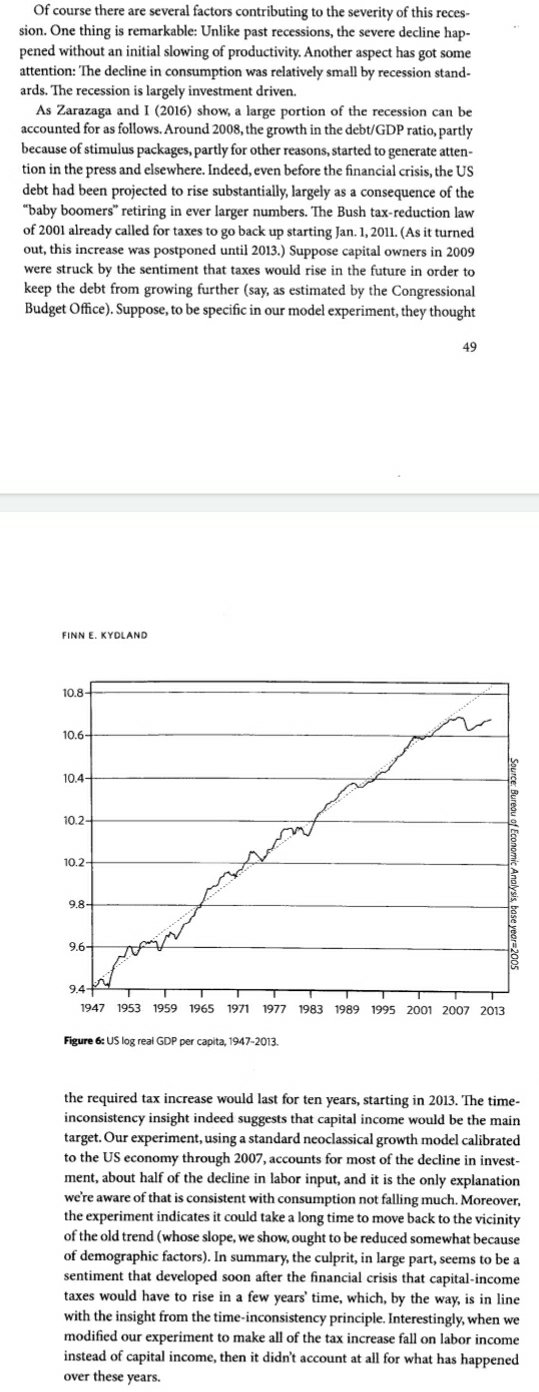
Fiscal sentiment and the Great Recession
10 Oct 2021 Leave a comment
in applied price theory, budget deficits, business cycles, economic growth, economic history, entrepreneurship, Euro crisis, financial economics, fiscal policy, global financial crisis (GFC), great recession, history of economic thought, income redistribution, labour economics, labour supply, macroeconomics, Public Choice, public economics Tags: taxation and entrepreneurship, taxation and investment, taxation and labour supply
Glenn C. Loury – Preserving the American Project: The Bias Narrative vs. the Development Narrative
09 Oct 2021 Leave a comment
in applied price theory, discrimination, economics of crime, economics of education, economics of information, human capital, labour economics, labour supply, law and economics, occupational choice, poverty and inequality, welfare reform Tags: racial discrimination
Fiscal and Monetary Policy in the wake of COVID: Eric Leeper
09 Oct 2021 Leave a comment
in applied price theory, budget deficits, business cycles, economic growth, economic history, financial economics, fiscal policy, macroeconomics, monetary economics Tags: monetary policy
Why Nations Fail by James Robinson
09 Oct 2021 Leave a comment
in applied price theory, comparative institutional analysis, constitutional political economy, development economics, economic history, economics of bureaucracy, growth disasters, growth miracles, history of economic thought, income redistribution, industrial organisation, labour economics, labour supply, Public Choice, rentseeking Tags: Age of Discovery, age of empires, economics of colonialism
Legacy of Liberty with David Friedman
09 Oct 2021 Leave a comment
in applied price theory, applied welfare economics, comparative institutional analysis, constitutional political economy, David Friedman, economics of crime, economics of education, law and economics, property rights
Essential UCLA School of Economics: The Nirvana Fallacy
09 Oct 2021 Leave a comment
in applied price theory, applied welfare economics, comparative institutional analysis, economics of bureaucracy, economics of information, economics of regulation, Public Choice, public economics
Edward C. Prescott money in the production function
09 Oct 2021 Leave a comment
in applied price theory, applied welfare economics, business cycles, economic growth, Edward Prescott, financial economics, history of economic thought, inflation targeting, macroeconomics, monetary economics Tags: real business cycles
Total Recall – or why Trump arose
09 Oct 2021 Leave a comment

With the recently concluded recall election in California that resulted in a thumping win by Governor Newsom, I was intrigued to find an old book review that covered the aftermath of a previous recall election in the state in 2003 against Governor Gray Davis.
That election resulted in a loss for Davis and more importantly a win for the former actor and Republican, Arnold Schwarzenegger, who would go on to win election in his own right and was Governor for two consecutive terms (eight years), the maximum mandated. In 2012 he published a memoir of that time, Total Recall (the title of one his hit movies). In the same way, he titled himself The Governator, after his most famous movie role as The Terminator.
I’m less interested in the review itself or the book than some of the tidbits that fell out of it (and some that did not) regarding…
View original post 464 more words


Recent Comments