David Friedman: What is Anarcho-Capitalism? | Robinson’s Podcast #160
12 Jan 2024 Leave a comment
in applied price theory, applied welfare economics, comparative institutional analysis, constitutional political economy, David Friedman, development economics, economics of climate change, economics of crime, energy economics, environmental economics, global warming, law and economics, liberalism, libertarianism, Marxist economics, property rights, Public Choice, Rawls and Nozick
40 years on
08 Jan 2024 Leave a comment
in applied price theory, applied welfare economics, comparative institutional analysis, economic growth, economic history, fiscal policy, inflation targeting, international economics, labour economics, macroeconomics, monetary economics, politics - New Zealand
Why Britain’s economy is failing
04 Jan 2024 Leave a comment
in applied price theory, applied welfare economics, economics of regulation, energy economics, environmental economics, global warming Tags: British politics, land supply, zoning
In the past five years, the number of applications to connect to the electricity grid — many of them for solar energy generation and storage — has increased tenfold, with waits of up to 15 years. The underinvestment is restricting the flow of cheap energy from Scottish wind farms to population centers in England and adding to […]
Why Britain’s economy is failing
04 Jan 2024 Leave a comment
in applied welfare economics, economic history, environmental economics, global warming Tags: climate alarmism
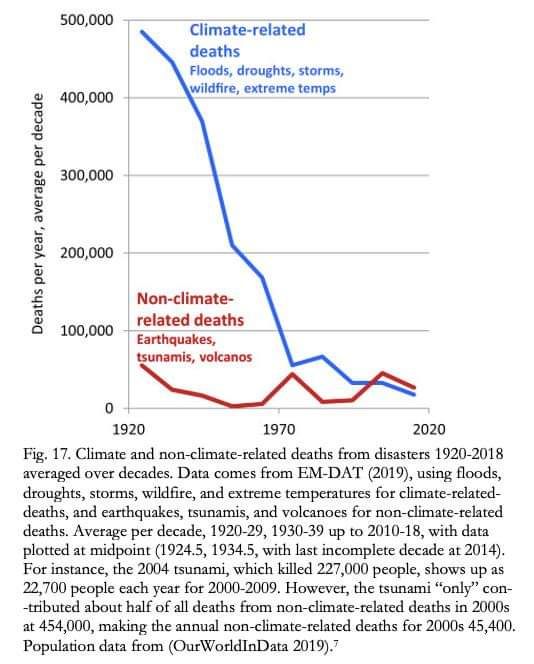
📸 Look at this post on Facebook
https://www.facebook.com/share/vgwUyVUuHEtTgyif/?mibextid=RXn8sy
From Now To 2100 Emission Reduction Policy Costs Greatly Exceed Any Net Benefit from Averted Warming
20 Dec 2023 Leave a comment
in applied price theory, applied welfare economics, development economics, econometerics, economic history, energy economics, environmental economics, global warming, growth disasters, growth miracles Tags: climate alarmism
The benefits of not meeting Paris Accord emissions-reduction targets outweigh the costs associated even with worst-case-scenario global warming throughout the 21st century.
From Now To 2100 Emission Reduction Policy Costs Greatly Exceed Any Net Benefit from Averted Warming
David Seymour: Treaty principles, Pharmac, and being minister for regula…
26 Nov 2023 Leave a comment
in applied price theory, applied welfare economics, economics of education, economics of regulation, entrepreneurship, health economics, law and economics, politics - New Zealand, property rights, public economics
AASLE 2021 Bob Gregory Lecture – Claudia Goldin
23 Nov 2023 Leave a comment
in applied price theory, applied welfare economics, discrimination, econometerics, economic history, economics of education, economics of information, gender, health and safety, human capital, labour economics, labour supply, occupational choice Tags: gender wage gap, sex discrimination
My Chris Williamson Interview
23 Nov 2023 Leave a comment
in applied price theory, applied welfare economics, discrimination, economic history, economics of education, gender, health and safety, human capital, labour economics, labour supply, liberalism, occupational choice, poverty and inequality Tags: gender wage gap, sex discrimination
Several good friends warned me not to publish Don’t Be a Feminist. I appreciate their concern, but I’m glad I kept my own counsel. Here’s my interview with Chris Williamson on the book and beyond. Apparently he’s kind of a big deal…
My Chris Williamson Interview
Roland Fryer on Race, Diversity, and Affirmative Action
11 Nov 2023 Leave a comment
in applied price theory, applied welfare economics, comparative institutional analysis, discrimination, economic history, economics of education, human capital, labour economics, labour supply, occupational choice, poverty and inequality Tags: affirmative action, racial discrimination
Self Imposed Energy Poverty Coming to Canada
08 Nov 2023 Leave a comment
in applied price theory, applied welfare economics, econometerics, energy economics, environmental economics, global warming Tags: Canada

Jock Finlayson describes how climate change policies are depleting Canadians’ financial means in his article Millions of Canadians May Face ‘Energy Poverty’. Excerpts in italics with my bolds and added images. The term “energy poverty” is not yet part of day-to-day political debate in Canada, but that’s likely to change in the next few years. […]
Self Imposed Energy Poverty Coming to Canada
Reflections on the TCU Capitalism versus Socialism Debate
08 Nov 2023 Leave a comment
in applied price theory, applied welfare economics, comparative institutional analysis, constitutional political economy, development economics, economic growth, economic history, economics of bureaucracy, growth disasters, growth miracles, income redistribution, industrial organisation, labour economics, law and economics, liberalism, libertarianism, Marxist economics, poverty and inequality, privatisation, property rights, Public Choice, public economics Tags: economics of socialism, Sweden

Two days ago at Texas Christian University, I debated Scott Sehon, chair of Bowdoin College’s Philosophy Department, on Capitalism versus Socialism. (Video forthcoming eventually). My opening statement was a slight variation on the one I wrote for an earlier debate on the same topic with Elizabeth Bruenig. Sehon’s opening statement was adapted from his Socialism:…
Reflections on the TCU Capitalism versus Socialism Debate
The Case Against Affordable Housing
06 Nov 2023 Leave a comment
in applied price theory, applied welfare economics, econometerics, economic history, urban economics Tags: affordable housing
Affordable housing projects aren’t making housing more affordable. In fact, says a new study by an MIT economist, construction of new subsidized housing displaces new unsubsidized housing for little net gain in the housing supply. Specifically, the study found, ten new subsidized housing units resulted in eight fewer unsubsidized units. … Continue reading →
The Case Against Affordable Housing
Liberal Hypocrisy is Fueling American Inequality. Here’s How. | NYT Opinion well worth watching
04 Nov 2023 Leave a comment
in applied price theory, applied welfare economics, comparative institutional analysis, economics of bureaucracy, economics of education, economics of regulation, income redistribution, labour economics, labour supply, law and economics, liberalism, Marxist economics, politics - USA, property rights, Public Choice, public economics, rentseeking, urban economics Tags: housing affordability, top 1%, zoning
The Limited Effects of Taxes on Sugar-Sweetened Beverages
04 Nov 2023 Leave a comment
in applied price theory, applied welfare economics, health economics Tags: nanny state, sugar taxes
Here’s the case for imposing a tax on sugar-sweetened beverages: 1) Obesity is a major public health problem, through its effects on diabetes, cardiovascular diseases, asthma, certain cancers, and mental health; 2) Consumption of sugar-sweetened beverages is an outsized contributor to obesity; 3) Taxing sugar-sweetened beverages will raise the cost that consumers pay, and thus…
The Limited Effects of Taxes on Sugar-Sweetened Beverages


Recent Comments