George Stigler 50 Years Later: Part 2 – Advancing The Theory of Economic Regulation
05 Aug 2021 Leave a comment
in applied welfare economics, behavioural economics, comparative institutional analysis, economics of bureaucracy, economics of information, economics of regulation, history of economic thought, income redistribution, law and economics, Public Choice, rentseeking, Sam Peltzman
Cass Sunstein Simpler
03 Aug 2021 Leave a comment
in behavioural economics, economics of bureaucracy, economics of information, economics of regulation, industrial organisation, law and economics, Public Choice Tags: The fatal conceit
Oliver Hart, Incomplete Contracts and Control
28 Jul 2021 Leave a comment
in applied price theory, applied welfare economics, behavioural economics, comparative institutional analysis, economics of information, economics of regulation, financial economics, industrial organisation, law and economics, property rights, Ronald Coase, theory of the firm
ECON2175 2111 Lecture 3 – Were People from the Past Irrational Morons?
24 Jan 2021 Leave a comment
in applied price theory, Austrian economics, behavioural economics, economic history, economics of information
Why conspiracy theories are rational to believe
12 Sep 2020 Leave a comment
in applied price theory, applied welfare economics, behavioural economics, comparative institutional analysis, economics of education, economics of information, economics of media and culture, politics - Australia, politics - New Zealand, politics - USA, Public Choice Tags: cognitive psychology, conspiracy theorists, political psychology
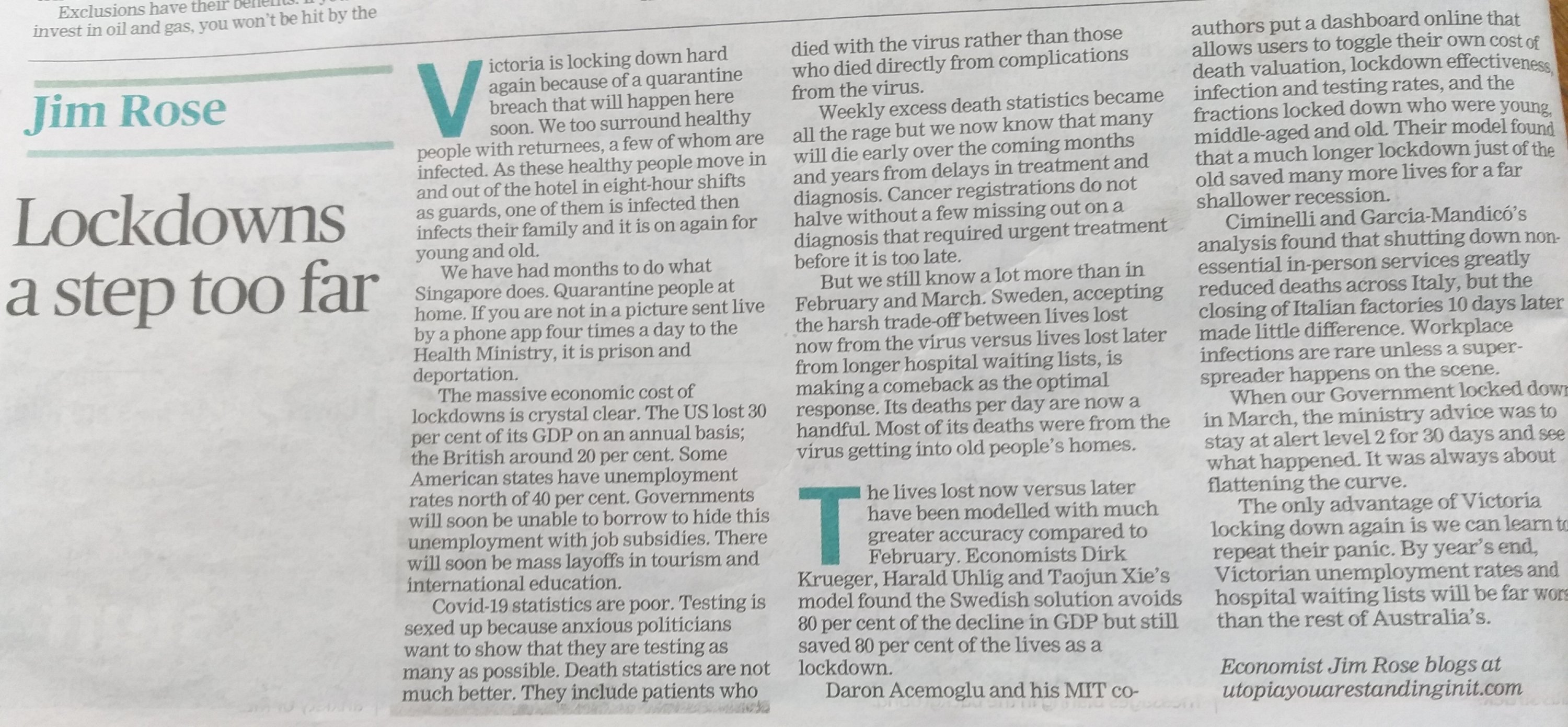
How many lockdowns are one too many? #COVID19 op-ed in @DomPost
07 Aug 2020 Leave a comment
in applied welfare economics, behavioural economics, economics of bureaucracy, health economics, law and economics, politics - Australia, politics - New Zealand, politics - USA, Public Choice Tags: economics of pandemics, offsetting behaviour, pessimism bias, The fatal conceit, unintended consequences
theory of conflict by Thomas C Schelling 2016
17 Apr 2020 Leave a comment
in applied price theory, behavioural economics, comparative institutional analysis, defence economics, economics of crime, economics of education, economics of information, labour economics, law and economics, property rights, Public Choice Tags: game theory, Thomas Schelling
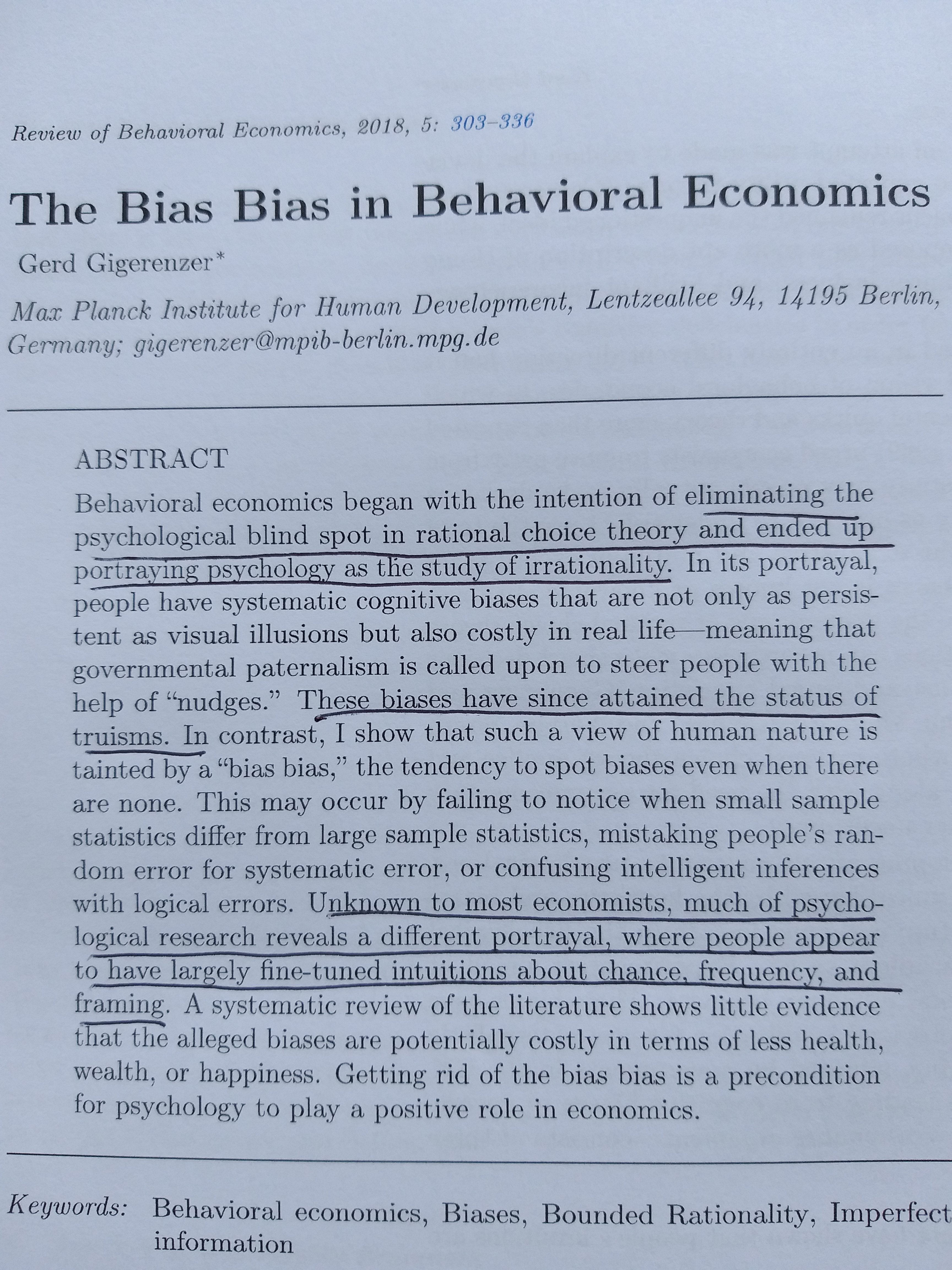
Escaping Paternalism: Rationality, Behavioral Economics, and Public Policy
18 Feb 2020 Leave a comment
in behavioural economics, economics of information Tags: nudges
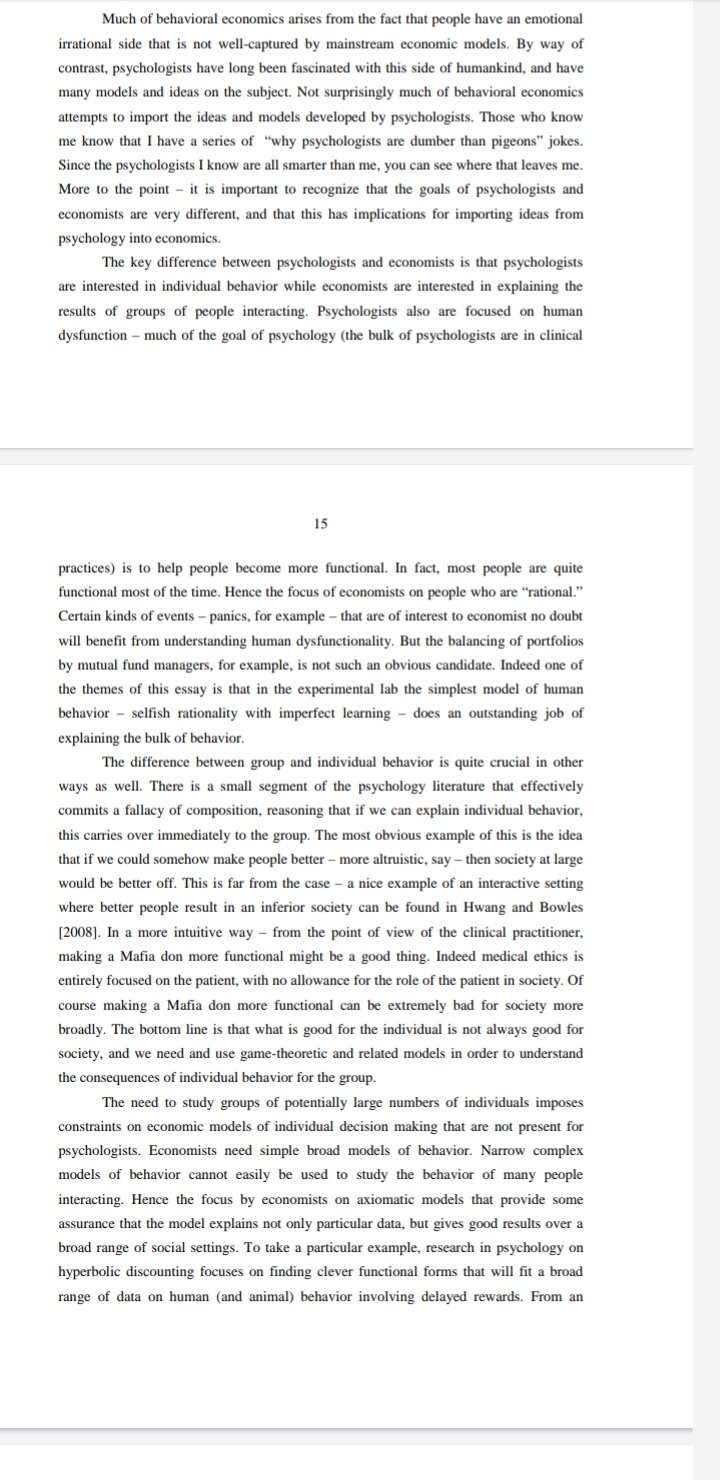
David Levine on psychology and economics
17 Nov 2019 Leave a comment
in applied price theory, behavioural economics, economics of information Tags: methodology of economics
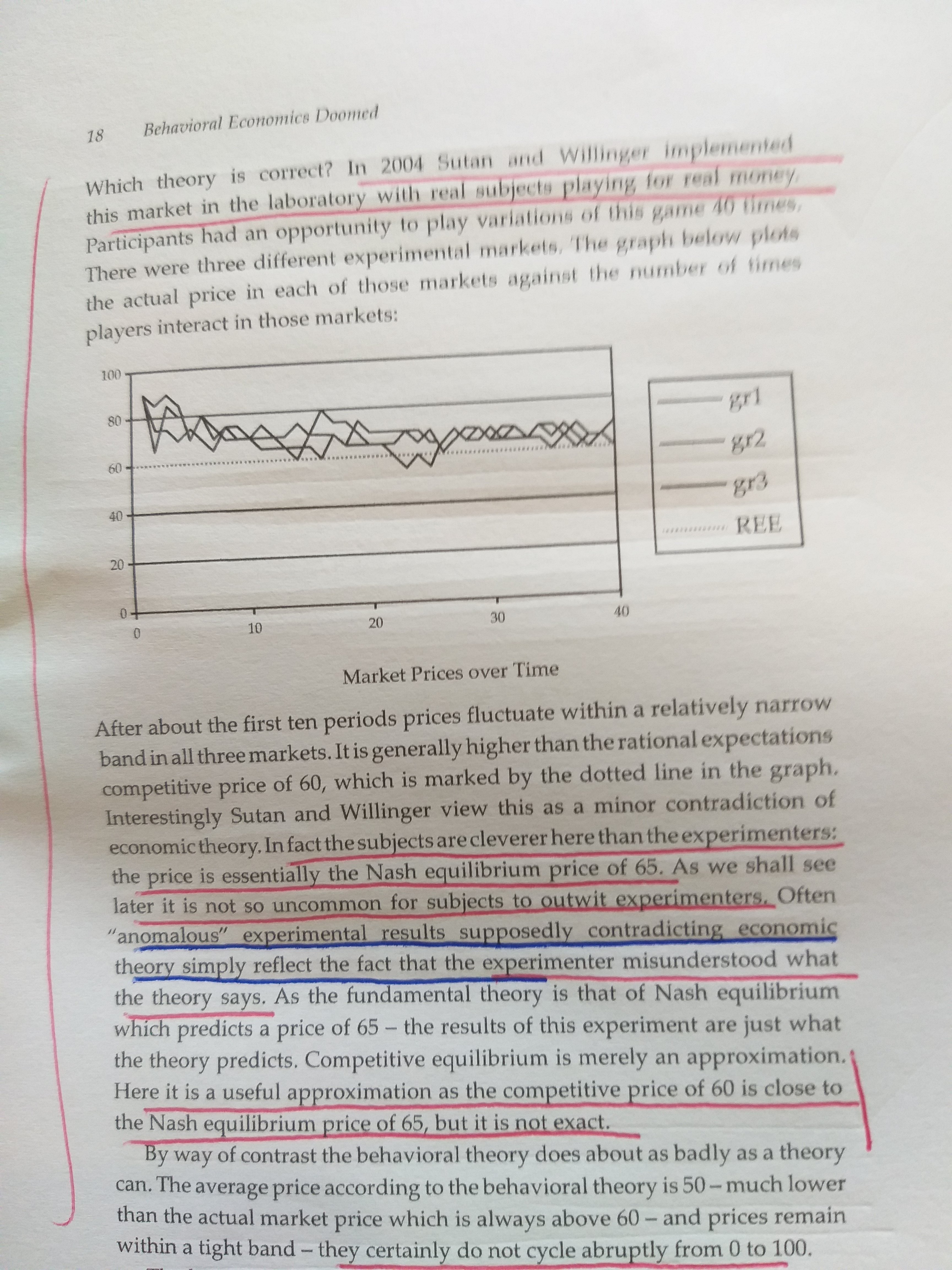
When the lab rats are smarter
12 Nov 2019 Leave a comment
in applied price theory, behavioural economics, econometerics, economics of information, experimental economics, industrial organisation Tags: The fatal conceit
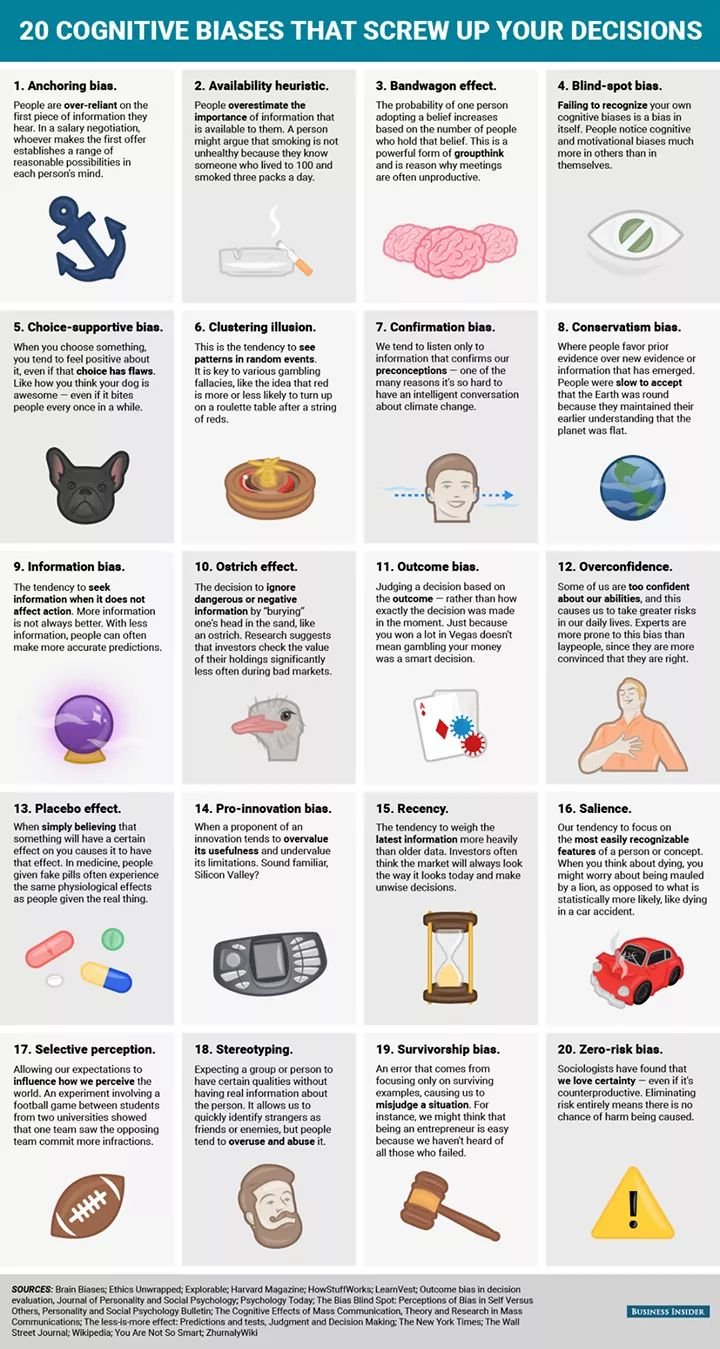
You wonder why we aren’t all still hunter gatherers if these biases are as bad as behavioural economists say
13 Sep 2019 Leave a comment
in behavioural economics, economics of education, economics of information Tags: cognitive psychology
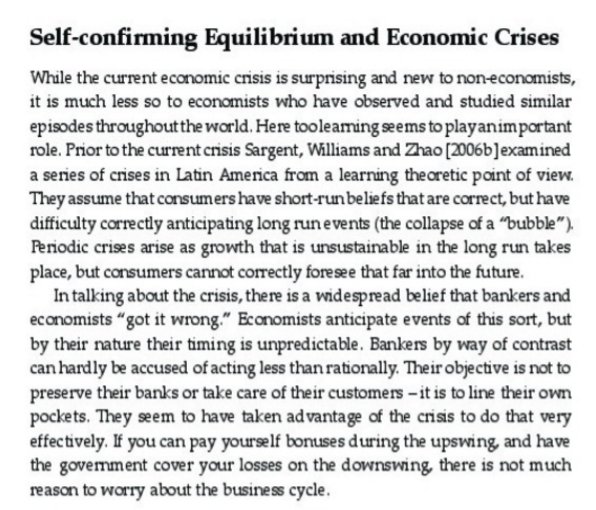
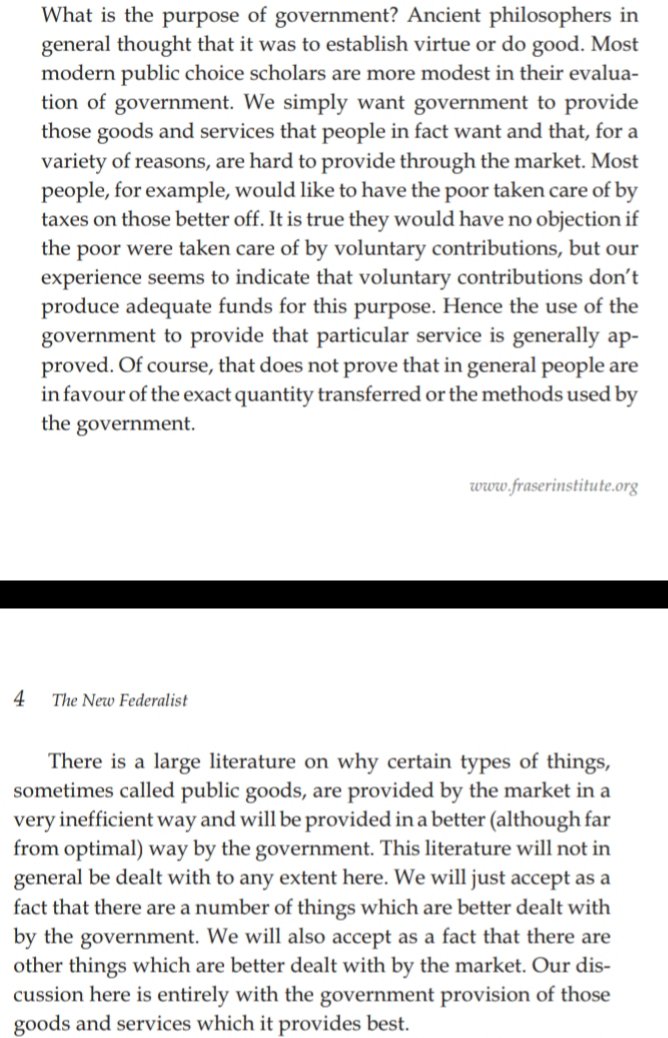
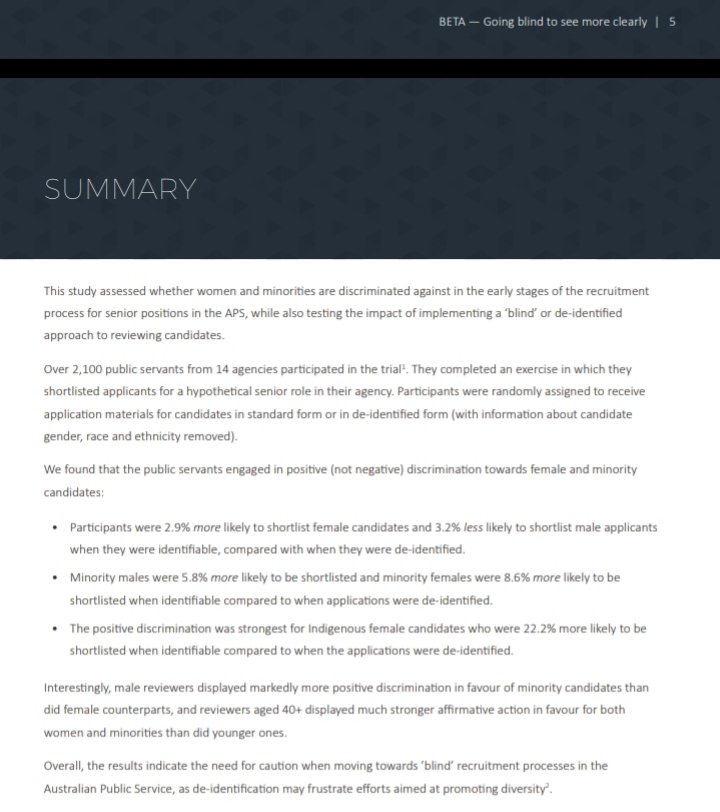
Blind recruitment is sexist and shockingly racist @NZHumanRights @NZTreasury
12 Aug 2019 Leave a comment
in behavioural economics, discrimination, economics of bureaucracy, economics of information, gender, human capital, labour economics, labour supply, law and economics, managerial economics, organisational economics, personnel economics, politics - Australia, politics - New Zealand, politics - USA, Public Choice, public economics Tags: political correctness, racial discrimination, regressive left, sex discrimination, The fatal conceit
 Utopia, you are standing in it!
Recent Comments