Angus Deaton Understanding and misunderstanding randomized controlled trials
16 Oct 2019 Leave a comment
in applied price theory, applied welfare economics, comparative institutional analysis, development economics, econometerics, economics of bureaucracy, economics of crime, economics of education, economics of information, growth disasters, health economics, labour economics, labour supply, law and economics, managerial economics, organisational economics, personnel economics, Public Choice, public economics, theory of the firm Tags: offsetting behaviour, The fatal conceit, The pretence to knowledge, unintended consequences
35 years later: Diamond-Dybvig model of bank runs
16 Oct 2019 Leave a comment
in applied price theory, applied welfare economics, business cycles, comparative institutional analysis, economic growth, economic history, global financial crisis (GFC), great depression, great recession, income redistribution, industrial organisation, law and economics, macroeconomics, monetary economics, property rights, Public Choice, rentseeking, survivor principle Tags: bank panics, bank runs, deposit insurance
Deirdre McCloskey on why liberalism works
16 Oct 2019 Leave a comment
in applied price theory, comparative institutional analysis, constitutional political economy, development economics, economic growth, economic history, economics of bureaucracy, economics of education, economics of regulation, entrepreneurship, growth disasters, growth miracles, health economics, human capital, income redistribution, industrial organisation, international economics, labour economics, law and economics, macroeconomics, Marxist economics, poverty and inequality, property rights, Public Choice, public economics, Rawls and Nozick, rentseeking, survivor principle Tags: The Great Enrichment
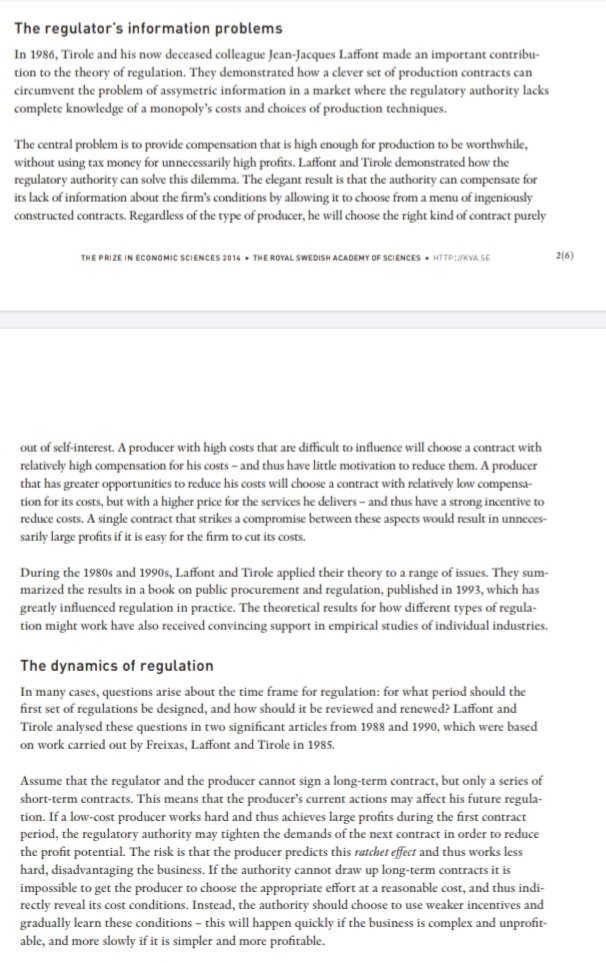
Tirole on the difficulties of network and utility regulation. Tradeoff between high cost, low profit firms v. low cost, high profit firms
16 Oct 2019 Leave a comment
@WorldBank was said to fight world poverty one staff member at a time. Is one field research grant at a time to reconfirm the obvious any better?
15 Oct 2019 Leave a comment
in applied price theory, applied welfare economics, comparative institutional analysis, development economics, econometerics, economics of education, growth disasters, growth miracles, health economics Tags: The fatal conceit

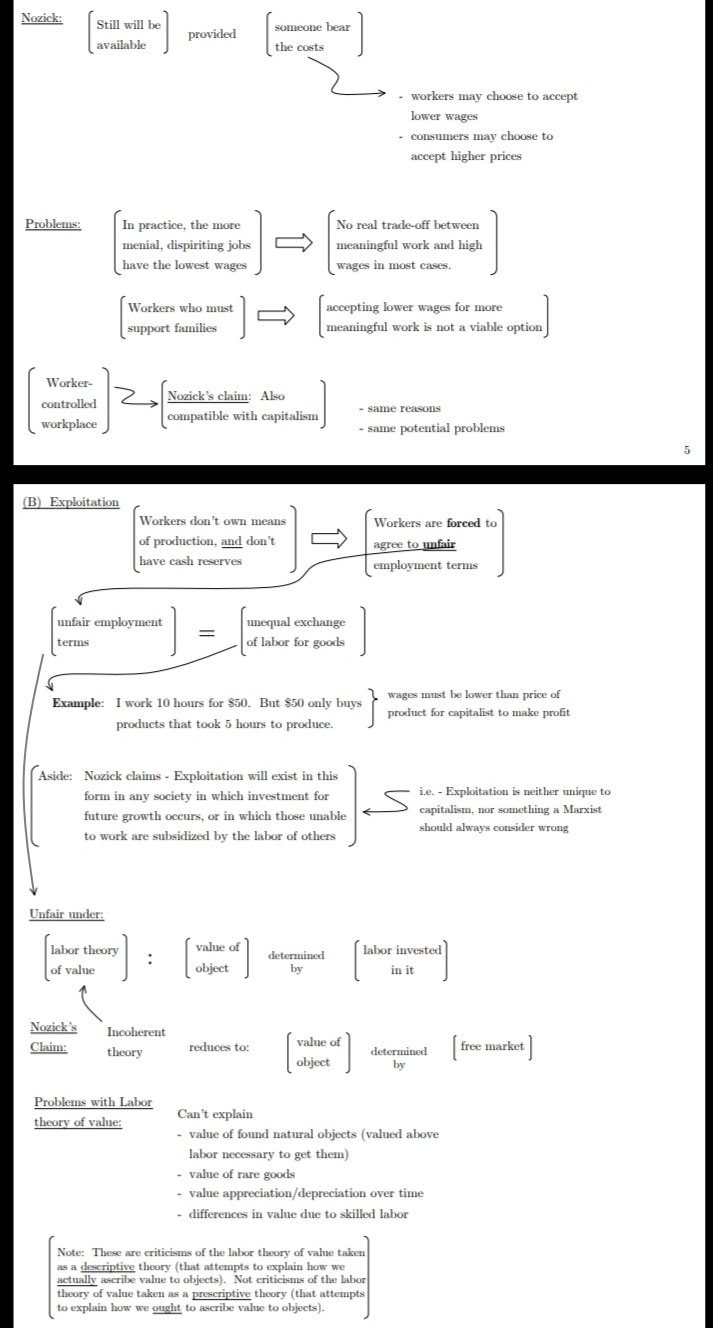
Richard Epstein | Simple Rules for Open Markets
15 Oct 2019 Leave a comment
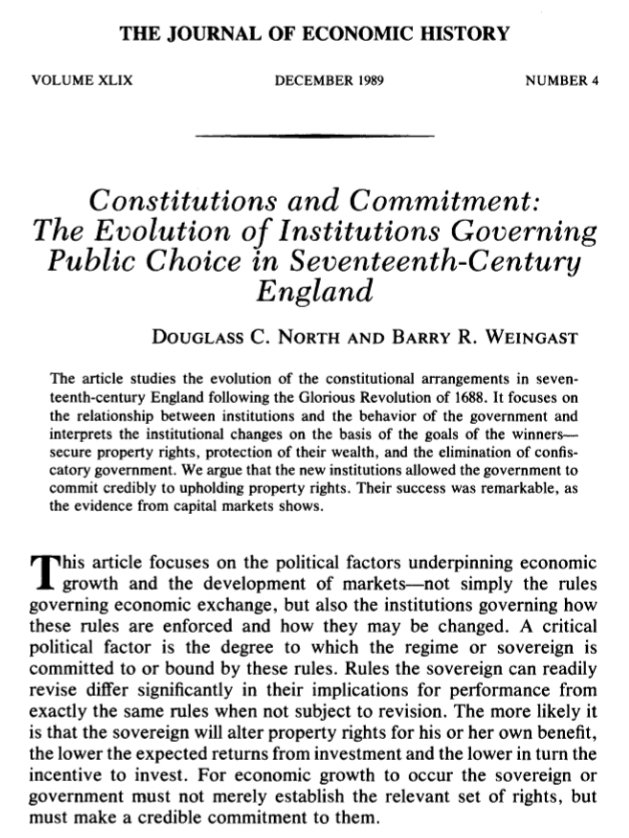
in comparative institutional analysis, constitutional political economy, law and economics, Richard Epstein Tags: The fatal conceit
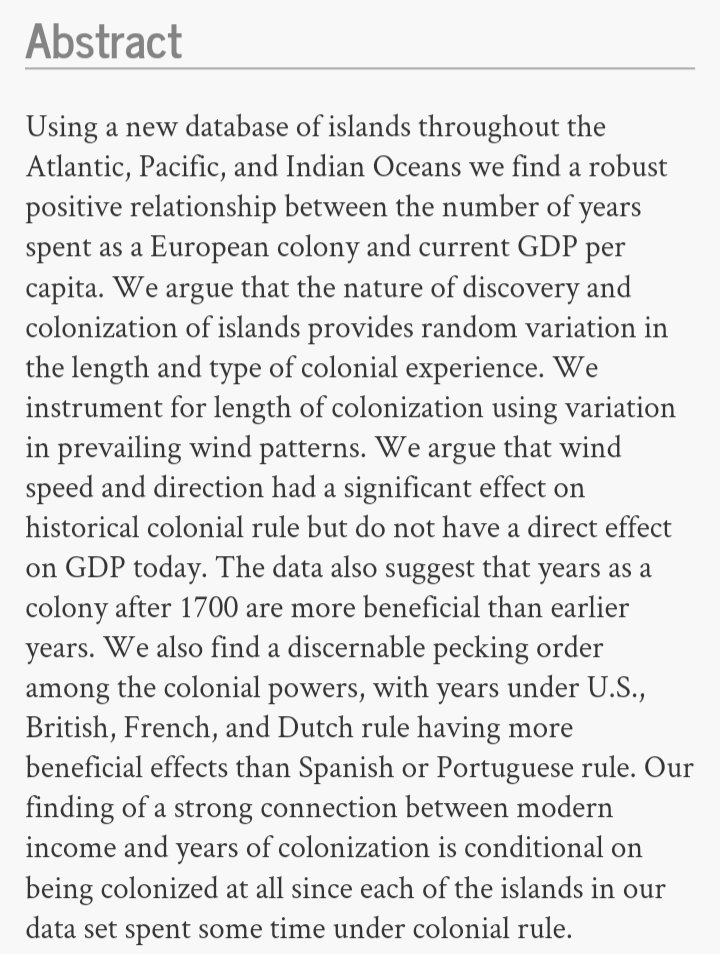
Colonialism and Modern Income: Islands as Natural Experiments by James Feyrer and Bruce Sacerdote
11 Oct 2019 Leave a comment
in comparative institutional analysis, constitutional political economy, defence economics, development economics, economic history, economics of bureaucracy, economics of crime, economics of education, economics of regulation, growth disasters, growth miracles, human capital, income redistribution, industrial organisation, international economic law, International law, law and economics, property rights, Public Choice, public economics, rentseeking Tags: Age of Discovery, age of empires, Age of exploration, British empire, economics of colonialism


James Robinson: Balance of Power: State Society, and the Narrow Corridor to Liberty
07 Oct 2019 Leave a comment
in comparative institutional analysis, constitutional political economy, defence economics, development economics, economic history, economics of bureaucracy, economics of crime, growth disasters, growth miracles, income redistribution, law and economics, property rights, Public Choice, rentseeking Tags: The Great Enrichment
WHAT DEMOCRATIC SOCIALISM DOES TO ECONOMIC PROSPERITY
06 Oct 2019 Leave a comment
in applied price theory, comparative institutional analysis, constitutional political economy, economic growth, economic history, economics of education, economics of regulation, fiscal policy, income redistribution, industrial organisation, labour economics, macroeconomics, Marxist economics, politics - USA, Public Choice Tags: Sweden


Recent Comments