Cancelled for Defending Colonialism – Bruce Gilley
23 Jan 2021 Leave a comment
in comparative institutional analysis, constitutional political economy, defence economics, development economics, economic history, economics of bureaucracy, growth disasters, growth miracles, income redistribution, international economic law, International law, law and economics, laws of war, property rights, Public Choice, public economics, war and peace Tags: economics of colonialism
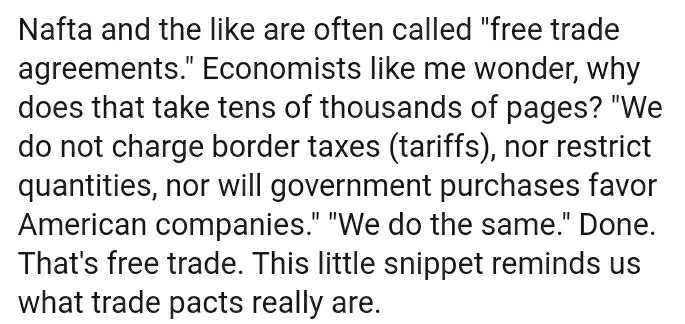
What should be in free trade agreements?
07 Jan 2021 Leave a comment
in applied price theory, applied welfare economics, comparative institutional analysis, constitutional political economy, economics of bureaucracy, economics of regulation, income redistribution, industrial organisation, international economics, law and economics, politics - New Zealand, Public Choice, public economics, rentseeking Tags: customs unions, preferential trade agreements
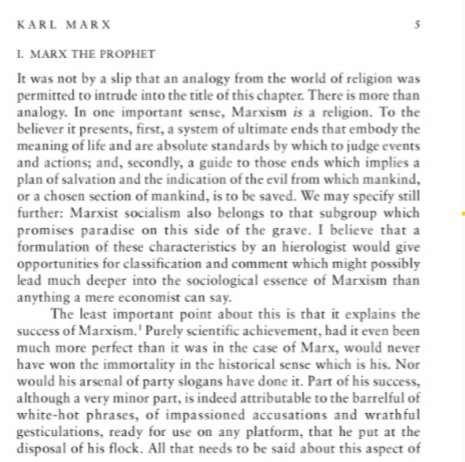
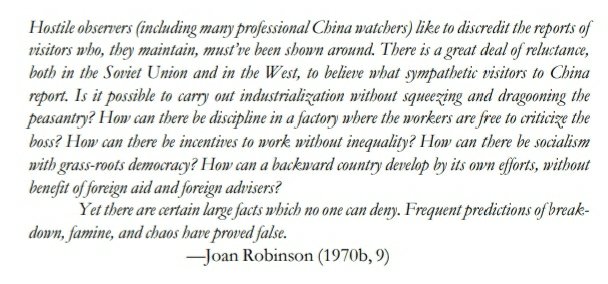
Anti-science @Greenpeace @NZGreens @Greens @AOC @BernieSanders
26 Oct 2020 Leave a comment
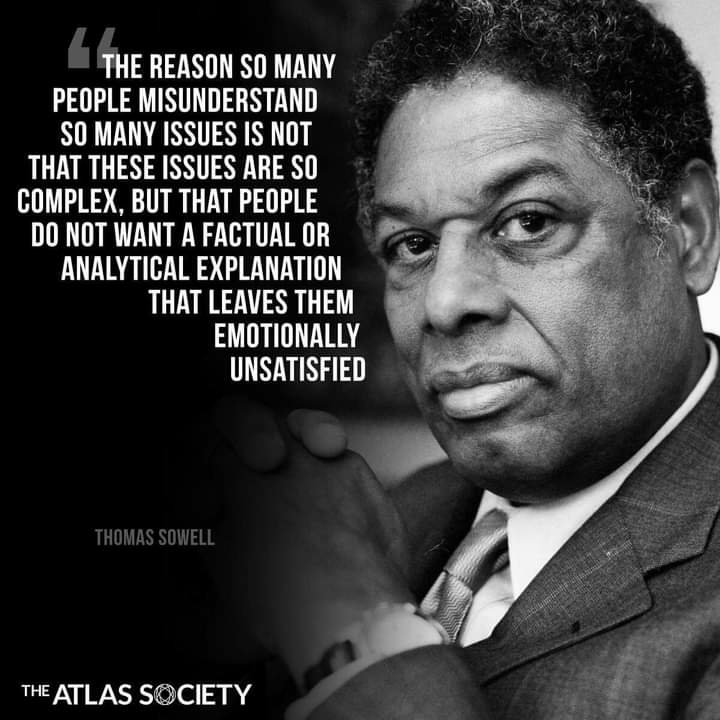
in applied price theory, applied welfare economics, comparative institutional analysis, constitutional political economy, development economics, economic history, economics of bureaucracy, economics of crime, economics of education, economics of information, economics of media and culture, economics of regulation, energy economics, environmental economics, environmentalism, financial economics, global warming, history of economic thought, income redistribution, industrial organisation, labour economics, law and economics, macroeconomics, Marxist economics, Public Choice, rentseeking, Thomas Sowell Tags: Anti-Science left, conjecture and refutation, offsetting behaviour, philosophy of science, The fatal conceit, unintended consequences, useful idiots
Robert E. Lucas Jr. What was the industrial revolution
23 Oct 2020 Leave a comment
in applied welfare economics, comparative institutional analysis, constitutional political economy, development economics, economic growth, economic history, economics of bureaucracy, economics of education, history of economic thought, human capital, income redistribution, industrial organisation, labour economics, labour supply, law and economics, macroeconomics, occupational choice, occupational regulation, poverty and inequality, property rights, Public Choice, public economics, rentseeking, Robert E. Lucas Tags: industrial revolution
David Friedman – Market Failure: An Argument both for and Against Government
20 Oct 2020 Leave a comment
in applied price theory, applied welfare economics, comparative institutional analysis, constitutional political economy, David Friedman, economic history, economics of crime, economics of regulation, history of economic thought, industrial organisation, labour economics, law and economics, property rights, Public Choice, public economics Tags: government failure, market failure
The Classical Liberal Constitution
19 Oct 2020 Leave a comment
in comparative institutional analysis, constitutional political economy, economics of bureaucracy, law and economics, politics - USA, property rights, Public Choice, Richard Epstein Tags: constitutional law
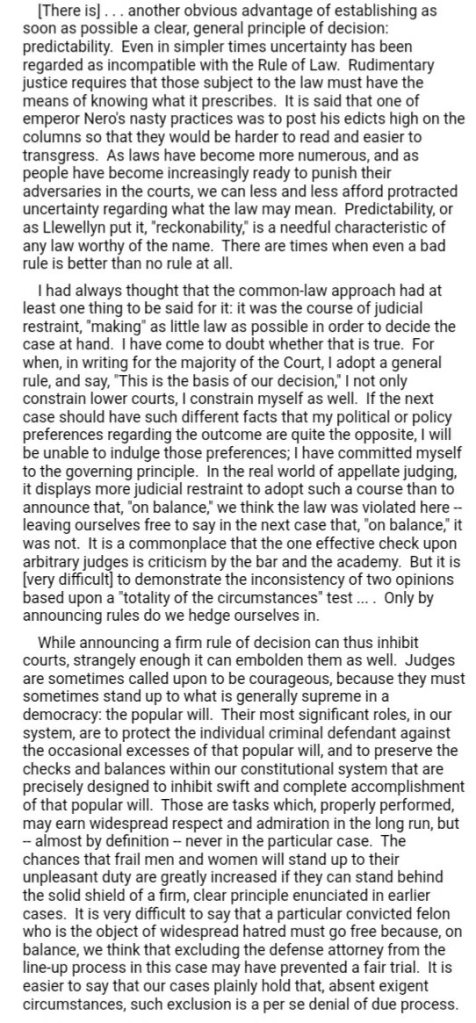
Scalia: Rule of law as a law of rules
14 Oct 2020 Leave a comment
in comparative institutional analysis, constitutional political economy, economics of bureaucracy, law and economics, politics - USA, Public Choice, rentseeking Tags: constitutional law
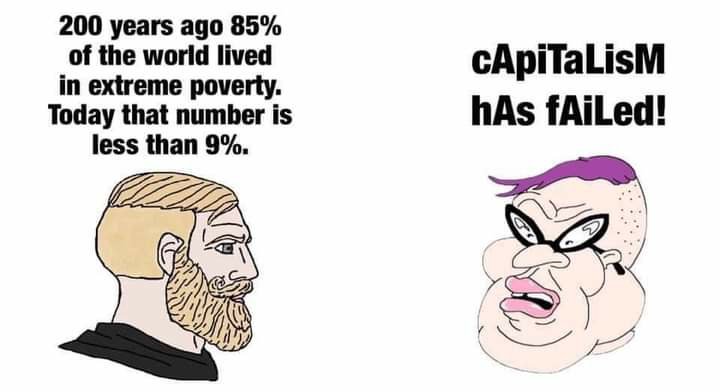
.@AOC @BernieSanders @Greens @NZGreens
12 Oct 2020 Leave a comment
in Austrian economics, comparative institutional analysis, constitutional political economy, development economics, economic growth, economic history, entrepreneurship, growth disasters, growth miracles, history of economic thought, human capital, income redistribution, industrial organisation, international economics, labour economics, labour supply, law and economics, liberalism, macroeconomics, Marxist economics, politics - Australia, politics - New Zealand, politics - USA, poverty and inequality, property rights, Public Choice, survivor principle Tags: pessimism bias, regressive left, The Great Enrichment
Religious Liberty Symposium Keynote | Richard Epstein
12 Oct 2020 Leave a comment
in comparative institutional analysis, constitutional political economy, economics of bureaucracy, income redistribution, law and economics, politics - USA, Public Choice, public economics, rentseeking Tags: constitution law
Steven Landsburg – Why is there something instead of nothing? – September 19,2020
11 Oct 2020 Leave a comment
in applied price theory, applied welfare economics, Austrian economics, comparative institutional analysis, constitutional political economy, development economics, economic history, economics of education, entrepreneurship, environmental economics, financial economics, health economics, history of economic thought, industrial organisation, international economics, labour economics, law and economics, macroeconomics, managerial economics, market efficiency, organisational economics, personnel economics, Public Choice, public economics Tags: offsetting behaviour, pessimism bias, The Great Enrichment, unintended consequences
Richard Epstein | The Case Against Reparations 2020
10 Oct 2020 Leave a comment
in applied price theory, applied welfare economics, comparative institutional analysis, constitutional political economy, economic history, income redistribution, law and economics, liberalism, libertarianism, Marxist economics, politics - USA, Public Choice, rentseeking, Richard Epstein Tags: racial discrimination
 Utopia, you are standing in it!
Recent Comments