The Myth of Scandinavian Socialism
17 Feb 2018 Leave a comment
in applied price theory, comparative institutional analysis, constitutional political economy, history of economic thought, industrial organisation, Marxist economics Tags: Sweden
Have you got all of these?
15 Feb 2018 Leave a comment
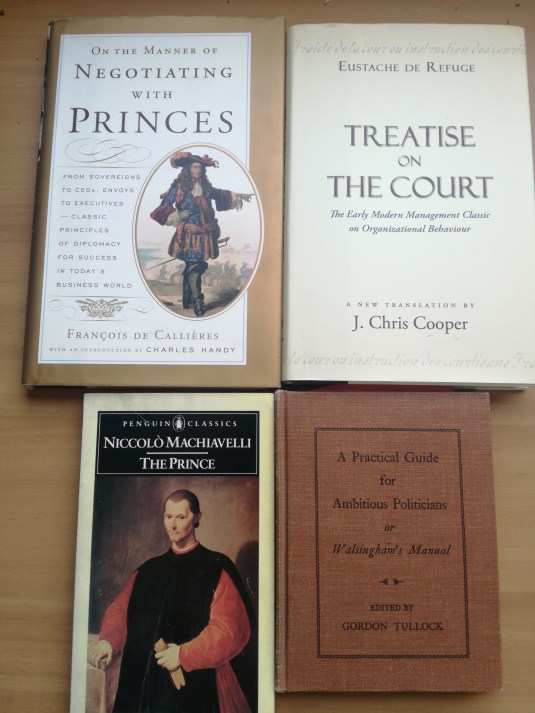
in comparative institutional analysis, constitutional political economy, economics of bureaucracy, Public Choice, rentseeking Tags: Machiavelli
Deirdre McCloskey on Liberalism, Trump and Free Trade
14 Feb 2018 Leave a comment
in applied price theory, constitutional political economy, development economics, economic history Tags: Deirdre McCloskey
At least James Buchanan cast his Svengali spell from a slightly less crappy website than the Mont Pelerin Society. Koch Brothers must not be social media savvy in their quest for global domination. The secret portal for his cabal of elected supplicants cannot be seen anywhere
13 Feb 2018 Leave a comment
in constitutional political economy, Public Choice

Why did Milton Friedman bother? James Buchanan was supposedly far more influential despite rarely looking up from his desk
13 Feb 2018 2 Comments
in constitutional political economy, history of economic thought, Public Choice
Milton Friedman invested decades of his time in being a public intellectual. Writing Capitalism and Freedom in 1962, newspaper columns from the 1960s, countless television interviews and public speeches, travelled the world, and of course his famous 1970s TV series Free to Choose. Friedman wrote a bestselling autobiography Two Lucky People and many other books for popular audiences.

If Democracy in Chains is to be believed, James Buchanan was far more influential in a dastardly Machiavelli way despite no work as a public intellectual, hardly any online video clips, a difficult writing style, and a dry way of public speaking. His only known public policy position would be his advocacy of ruinous inheritance taxes.
Other than that, Buchanan devoted himself to the technical aspects of public choice economics. As a teacher, I am told that he crammed all his lectures into 2-weeks to get back to his desk as quickly as possible without further interruption from students.
If only Milton had known. You can be immensely influential despite making no effort to publicise your views or participate in public debate or even be all that articulate. As Nancy MacLean herself noticed
There are a few reasons Buchanan has been overlooked. One is that the Koch cause does not advertise his work, preferring to tout the sunnier primers of Hayek, Friedman and even Ayn Rand when recruiting. Buchanan is the advanced course, as it were, for the already committed. Another is that Buchanan did not seek the limelight like Friedman, so few on the left have even heard of him. I myself learned of him only by serendipity, in a footnote about the Virginia schools fight.
Jordan B Peterson on “But That Wasn’t Real Communism, Socialism, or Marxism!”
31 Jan 2018 Leave a comment
in applied price theory, comparative institutional analysis, constitutional political economy, economic history, economics of bureaucracy, economics of crime, history of economic thought, law and economics, Marxist economics, Public Choice, rentseeking Tags: fall of communism, The fatal conceit
The Curley Effect: The Economics of Shaping the Electorate
30 Jan 2018 2 Comments
in constitutional political economy, politics - USA, Public Choice
Boston Mayor Curley had the rare distinction of winning his first election from prison and his last while under federal indictment for corruption which he was soon convicted of while in office.
Curley won his first election in 1904 as an alderman on the slogan “he did it for a friend”. He sat a civil service exam for a friend to get him a job. He quickly then handed out 700 patronage jobs once he once he got out of prison to serve as an alderman.
In 1945, he was re-elected mayor. Truman commuted his 6 to 18 month sentence after 5 months in 1948 at the behest of the Massachusetts congressional delegation and later (1950) granted him a full pardon.
Curley was then defeated by the acting mayor during his prison term in the subsequent Democratic party primary in part because of the high taxes under the Curley regime. Naturally, during his lame-duck period, Curley granted many tax abatements to sabotage the public finances of his successor.
Jordan Peterson: Why is Marxism so Attractive?
29 Jan 2018 Leave a comment
in applied price theory, applied welfare economics, comparative institutional analysis, constitutional political economy, economic history, economics of crime, environmental economics, history of economic thought, law and economics, Marxist economics, Public Choice, war and peace Tags: fall of communism, Nazi Germany
How to shut up a marxist (Jordan Peterson speech)
28 Jan 2018 2 Comments
in comparative institutional analysis, constitutional political economy, economic history, economics of crime, history of economic thought, income redistribution, law and economics, Marxist economics, poverty and inequality, Public Choice Tags: fall of communism, Twitter left
Alan Dershowitz to Democrats “Face it We Lost!”
27 Jan 2018 Leave a comment
in constitutional political economy, economics of crime, law and economics, politics - USA, Public Choice

William Easterly and Dambisa Moyo: Emerging economies in 2013
20 Jan 2018 Leave a comment
in applied price theory, Bill Easterly, comparative institutional analysis, constitutional political economy, development economics, economic history, economics of bureaucracy, growth disasters, growth miracles, Public Choice, rentseeking Tags: overseas aid
Africa Needs Jobs, Not Aid
17 Jan 2018 Leave a comment
in applied price theory, comparative institutional analysis, constitutional political economy, development economics, economics of bureaucracy, growth disasters, growth miracles, Public Choice, rentseeking Tags: overseas aid
James Robinson: “Why Nations Fail” | Talks at Google
14 Jan 2018 Leave a comment
in comparative institutional analysis, constitutional political economy, development economics, economic history, growth disasters, growth miracles, Public Choice, rentseeking Tags: economics of colonialism, The Great Enrichment
 Utopia, you are standing in it!
Recent Comments