As with unionism, overreach will end iwi power push Graham Adams writes – One of former Labour Prime Minister Jacinda Ardern’s most singular achievements during her tenure as premier was to push a majority of voters to the point of revulsion regarding race-based policy. Now the coalition government is orchestrating a swift counter-revolution, with […]
The collapse of Maori nationalism
The collapse of Maori nationalism
03 Oct 2024 Leave a comment
in comparative institutional analysis, constitutional political economy, economic history, economics of bureaucracy, income redistribution, law and economics, politics - New Zealand, property rights, Public Choice, rentseeking
Treaty of Waitangi legal “experts” have misunderstood its economic rationale – and endangered national prosperity
20 Sep 2024 Leave a comment
in comparative institutional analysis, constitutional political economy, development economics, economic history, history of economic thought, liberalism, politics - New Zealand, Public Choice Tags: constitutional law
Rob MacCulloch writes – The underlying aim of the Treaty of Waitangi, at least in economic terms, was to promote a higher standard of living for Māori and non-Māori alike. This article’s purpose is to argue how its words were unambiguously designed to achieve that purpose, but have since been hijacked by political operatives and NZ’s legal […]
Treaty of Waitangi legal “experts” have misunderstood its economic rationale – and endangered national prosperity
“A Symbol of Imperial Violence and Colonialism”: Activists at UPenn Deface Statue of Benjamin Franklin
19 Sep 2024 Leave a comment
in comparative institutional analysis, constitutional political economy, economic history, law and economics, liberalism, Marxist economics, politics - USA, Public Choice Tags: age of empires, economics of colonialism, free speech, political correctness, regressive left
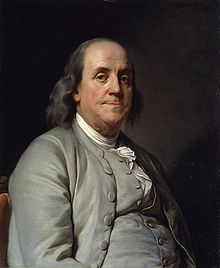
Benjamin Franklin once wrote “Love your Enemies, for they tell you your Faults.” Yet, Franklin might be a bit confused by his critics at the University of Pennsylvania. Anti-Israel activists vandalized his statue as a symbol of colonialism. The man who was instrumental in the Declaration of Independence against the British Empire is being denounced […]
“A Symbol of Imperial Violence and Colonialism”: Activists at UPenn Deface Statue of Benjamin Franklin
“A Better Deterrence”: Hillary Clinton Calls for the Arrest of Americans Spreading Disinformation
18 Sep 2024 Leave a comment
in constitutional political economy, economics of information, economics of media and culture, law and economics, liberalism, Marxist economics, politics - USA, television Tags: 2024 presidential election, free speech, political correctness, regressive left
Hillary Clinton has long been one of the most anti-free speech figures in American politics, including calling upon European officials to force Elon Musk to censor American citizens under the infamous Digital Services Act (DSA). She is now suggesting the arrest of Americans who spread what she considers disinformation. It is a crushingly ironic moment…
“A Better Deterrence”: Hillary Clinton Calls for the Arrest of Americans Spreading Disinformation
Why the @NZGreens are beside the point
31 Aug 2024 Leave a comment
in applied welfare economics, Austrian economics, comparative institutional analysis, constitutional political economy, development economics, economic growth, economic history, entrepreneurship, growth miracles, history of economic thought, human capital, income redistribution, industrial organisation, labour economics, labour supply, law and economics, liberalism, macroeconomics, Marxist economics, politics - New Zealand, poverty and inequality, property rights, Public Choice, rentseeking, technological progress Tags: child poverty, family poverty, The Great Enrichment
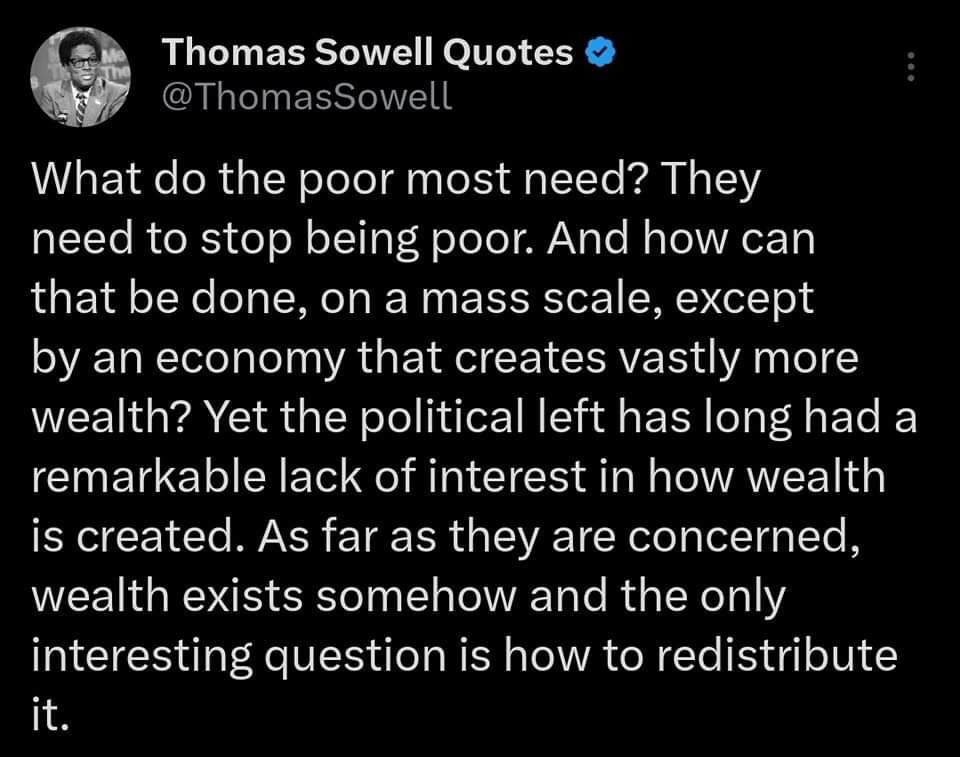
European Policies = European Stagnation
31 Aug 2024 Leave a comment
in applied price theory, applied welfare economics, Austrian economics, comparative institutional analysis, constitutional political economy, economic growth, economic history, economics of bureaucracy, entrepreneurship, human capital, income redistribution, labour economics, labour supply, liberalism, macroeconomics, Marxist economics, politics - USA, poverty and inequality, Public Choice, public economics, rentseeking, welfare reform Tags: Europe, social insurance
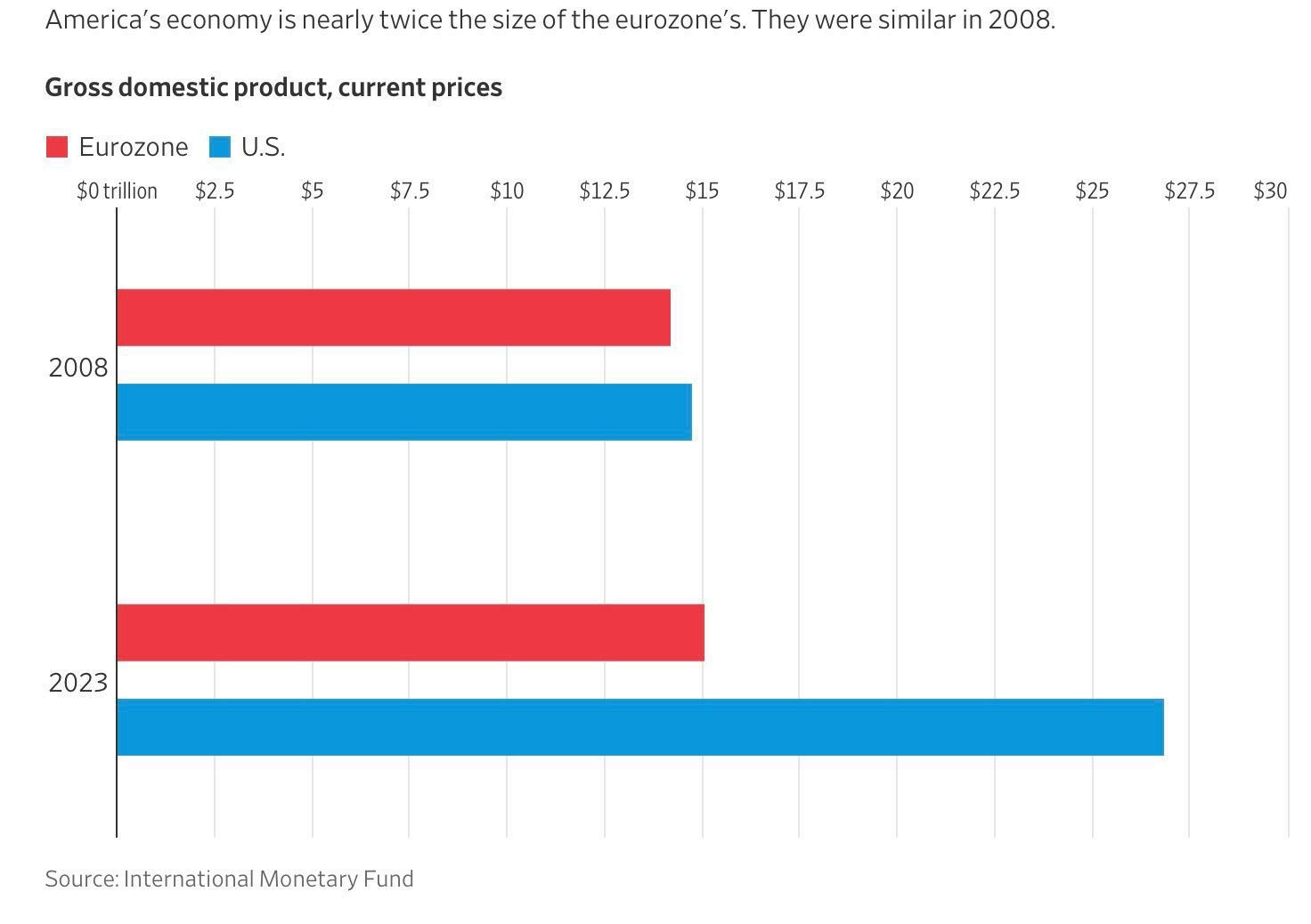
I’ve written many times about how Americans are much richer than Europeans. And I’ve also written many times that the U.S. economy has been growing faster (which shouldn’t happen according to convergence theory). There’s a simple reason for America’s superior performance. The U.S. is burdened by a medium-sized welfare state and a bad tax system […]
European Policies = European Stagnation
Guest Post: Criticising Cuba
23 Aug 2024 Leave a comment
in comparative institutional analysis, constitutional political economy, development economics, economic history, economics of crime, growth disasters, history of economic thought, law and economics, liberalism, Marxist economics, politics - New Zealand, Public Choice Tags: Cuba
A guest post by Lucy Rogers: Today (as of the time of writing) I saw Associate Professor Michael Mawson of the theology faculty at Auckland University advertise on Facebook an event hosting Professor Miguel De La Torre, a Cuban academic specialising in liberation theology. The event is to be held at the Maclaurin Chapel at […]
Guest Post: Criticising Cuba
How Chlöe Swarbrick struggled to accept the PM’s position on sovereignty
21 Aug 2024 Leave a comment
in comparative institutional analysis, constitutional political economy, economic history, law and economics, liberalism, Marxist economics, politics - New Zealand, property rights, Public Choice Tags: constitutional law
Bob Edlin writes – Historian and former Labour Government cabinet minister Michael Bassett, in an article posted here earlier today, said those who spend time on the web examining the Treaty of Waitangi will find claims there are four or even five articles when officially there have never been more than three. Bassett went on […]
How Chlöe Swarbrick struggled to accept the PM’s position on sovereignty
The (Non) Mystery of Economic Growth
13 Aug 2024 Leave a comment
in applied price theory, comparative institutional analysis, constitutional political economy, development economics, economic growth, economic history, economics of bureaucracy, growth disasters, growth miracles, income redistribution, law and economics, macroeconomics, property rights, Public Choice, rentseeking Tags: The Great Enrichment
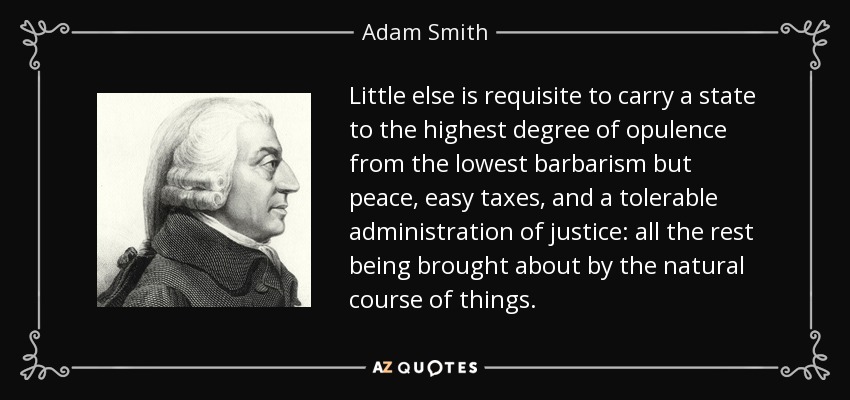
The recipe for economic growth is not complicated. You can put it in very simple terms, as Adam Smith did a few hundred years ago. Or you can develop and utilize data-heavy indexes like the ones published by the Fraser Institute and Heritage Foundation. In either case, the result will be the same. If you […]
The (Non) Mystery of Economic Growth
Jurisdiction Stripping or Court Killing? The “No Kings Act” is a Decapitation of the Constitution
08 Aug 2024 Leave a comment
in comparative institutional analysis, constitutional political economy, economics of crime, law and economics, politics - USA, property rights Tags: constitutional law

Senate Majority Leader Chuck Schumer (D., N.Y.) has introduced the “No Kings Act” with great fanfare and the support of most of his Democratic colleagues. Liberal groups have heralded the measure to legislatively reverse the ruling in Trump v. United States. It is obviously popular with the press and pundits. It is also entirely unconstitutional in […]
Jurisdiction Stripping or Court Killing? The “No Kings Act” is a Decapitation of the Constitution
Fast Takes on *Build, Baby, Build*: David Schleicher
07 Aug 2024 Leave a comment
in comparative institutional analysis, constitutional political economy, economics of bureaucracy, economics of regulation, income redistribution, law and economics, politics - USA, property rights, Public Choice, rentseeking, urban economics Tags: housing affordability, land supply
I met Yale Law’s David Schleicher when he was still a law professor at GMU. Back then, we argued about the best model of non-rigged one-party democracy, often seen in major cities… and Singapore. Since then, David’s become a powerful academic voice for YIMBY. Last month, David joined me for another Fast Take on Build,…
Fast Takes on *Build, Baby, Build*: David Schleicher
Communism still doing well in Cuba
05 Aug 2024 Leave a comment
in comparative institutional analysis, constitutional political economy, development economics, economic history, economics of bureaucracy, economics of crime, growth disasters, income redistribution, labour economics, labour supply, law and economics, Marxist economics, property rights, Public Choice, public economics Tags: Cuba
The Miami Herald reports: A stunning 10% of Cuba’s population — more than a million people — left the island between 2022 and 2023, the head of the country’s national statistics office said during a National Assembly session Friday, the largest migration wave in Cuban history. Isn’t it such a weird coincidence that the queue […]
Communism still doing well in Cuba
Don’t Mess with Texas: Fifth Circuit Rules Against the Biden Administration in Buoy Dispute on Southern Border
02 Aug 2024 Leave a comment
in comparative institutional analysis, constitutional political economy, defence economics, income redistribution, labour economics, labour supply, law and economics, liberalism, Marxist economics, politics - USA, property rights, Public Choice Tags: 2024 presidential election, economics of immigration

Texas won a big victory in the United States Court of Appeals in the long struggle over floating buoy barriers in the Rio Grande River to help block unlawful migration. In United States v. Abbott, the court ruled 11-7 in an en banc decision against the Biden Administration over the barrier. It is an interesting decision […]
Don’t Mess with Texas: Fifth Circuit Rules Against the Biden Administration in Buoy Dispute on Southern Border
Joseph Schumpeter, Capitalism and Intellectuals
01 Aug 2024 Leave a comment
in comparative institutional analysis, constitutional political economy, development economics, economic growth, economic history, history of economic thought, macroeconomics
See Socialists, Knowledge of History and Agency. These are letters to the editor of The WSJ in response to an article about socialism by Joseph Epstein. The one below reminded me of a 1992 article by Robert Samuelson in Newsweek. “Joseph Epstein’s “Socialists Don’t Know History” (op-ed, May 30, 2019) on the abysmal historical knowledge…
Joseph Schumpeter, Capitalism and Intellectuals
Tikanga, law and information asymmetry
27 Jul 2024 Leave a comment
in comparative institutional analysis, constitutional political economy, economic history, law and economics, politics - New Zealand, property rights Tags: constitutional law
Justice Joe Williams in his 2013 paper Lex Aoteoroa made a case for Māori tikanga being recognized as New Zealand’s “first law”. Tikanga existed prior to New Zealand’s development of a legal system based on the British model. Without written language pre-European Māori tikanga is not well documented. However, its customs and norms governed, for […]
Tikanga, law and information asymmetry
 Utopia, you are standing in it!
Recent Comments