“It’s a paternalistic post-colonial attitude that I just can’t stand,” Wright said of the climate evangelism that sought to force others to abandon fossil fuels and adopt largely useless technologies like solar and wind energy.
Trump’s Energy Secretary Offers Africa Freedom from Biden’s Climate Imperialism
Trump’s Energy Secretary Offers Africa Freedom from Biden’s Climate Imperialism
28 Mar 2025 Leave a comment
in development economics, economics of climate change, energy economics, environmental economics, environmentalism, global warming, politics - USA Tags: 2024 presidential election, Africa
Argentina’s DOGE
27 Mar 2025 Leave a comment
in applied price theory, development economics, economics of information, economics of regulation, growth disasters, health economics, industrial organisation, labour economics, law and economics, liberalism, Marxist economics, property rights, regulation Tags: Argentina
Cato has a good summary of Deregulation in Argentina: The end of Argentina’s extensive rent controls has resulted in a tripling of the supply of rental apartments in Buenos Aires and a 30 percent drop in price. The new open-skies policy and the permission for small airplane owners to provide transportation services within Argentina has […]
Argentina’s DOGE
What does India want – and what is New Zealand willing to give?
25 Mar 2025 Leave a comment
in applied price theory, comparative institutional analysis, development economics, economic history, economics of education, growth disasters, growth miracles, human capital, income redistribution, industrial organisation, international economic law, international economics, labour economics, labour supply, occupational choice, politics - New Zealand, poverty and inequality, Public Choice, rentseeking, survivor principle Tags: India, preferential trade agreements
Chris Trotter writes – What does India want from New Zealand? Not our dairy products, that’s for sure, it’s got plenty of those. Indeed 45 percent of the Indian population are small-scale farmers, most of them running a few head of cattle – not to eat, you understand – but to milk. If it once […]
What does India want – and what is New Zealand willing to give?
Should asylum be restricted to neighbouring countries
24 Mar 2025 1 Comment
in defence economics, development economics, economic history, labour economics, labour supply, laws of war, war and peace Tags: economics of immigration

100,000 asylum seekers a year is massive, especially when you consider the many countries one has to pass through to get to the UK. The right of asylum is an ancient right to flee a government or ruler that persecutes you. It goes back thousands of years. In the modern era the UDHR says: Everyone […]
Should asylum be restricted to neighbouring countries
The Grumpy Economist on Foreign aid: “send a person a fish every day, and he forgets how to fish.”
20 Mar 2025 Leave a comment
in applied price theory, comparative institutional analysis, development economics, economic history, growth disasters, growth miracles Tags: overseas aid
John Cochrane recommends the Economist article Aid cannot make poor countries rich. From 2004 to 2014, foreign aid increased by 75%, but it didn’t help: 2004, William Easterly: aid was just as likely to shrink the world’s poorest economies as to help them grow. 2005, World Bank: grants and loans did not move the needle…
The Grumpy Economist on Foreign aid: “send a person a fish every day, and he forgets how to fish.”
US AID, current status
11 Mar 2025 Leave a comment
in development economics, economics of bureaucracy, politics - USA, Public Choice Tags: 2024 presidential election, overseas aid
After a 6 week review we are officially cancelling 83% of the programs at USAID. The 5200 contracts that are now cancelled spent tens of billions of dollars in ways that did not serve, (and in some cases even harmed), the core national interests of the United States. In consultation with Congress, we intend for […]
US AID, current status
Bill Maher’s New Rule: Guilt by Civilization
09 Mar 2025 Leave a comment
in development economics, discrimination, economic history, economics of crime, economics of education, law and economics, liberalism, Marxist economics, politics - New Zealand, politics - USA, property rights, television, TV shows Tags: Age of Enlightenment, free speech, political correctness, regressive left, The Great Enrichment
For some reason Bill Maher’s latest comedy/news video, “New Rules: Guilt by Civilization”, is age-restricted (it must be the photo of Bianca Censori in her see-through outfit) , but you can see it by clicking either here or on the “Watch on YouTube” line below. The beginning is great, as Maher claims that the Democrats […]
Bill Maher’s New Rule: Guilt by Civilization
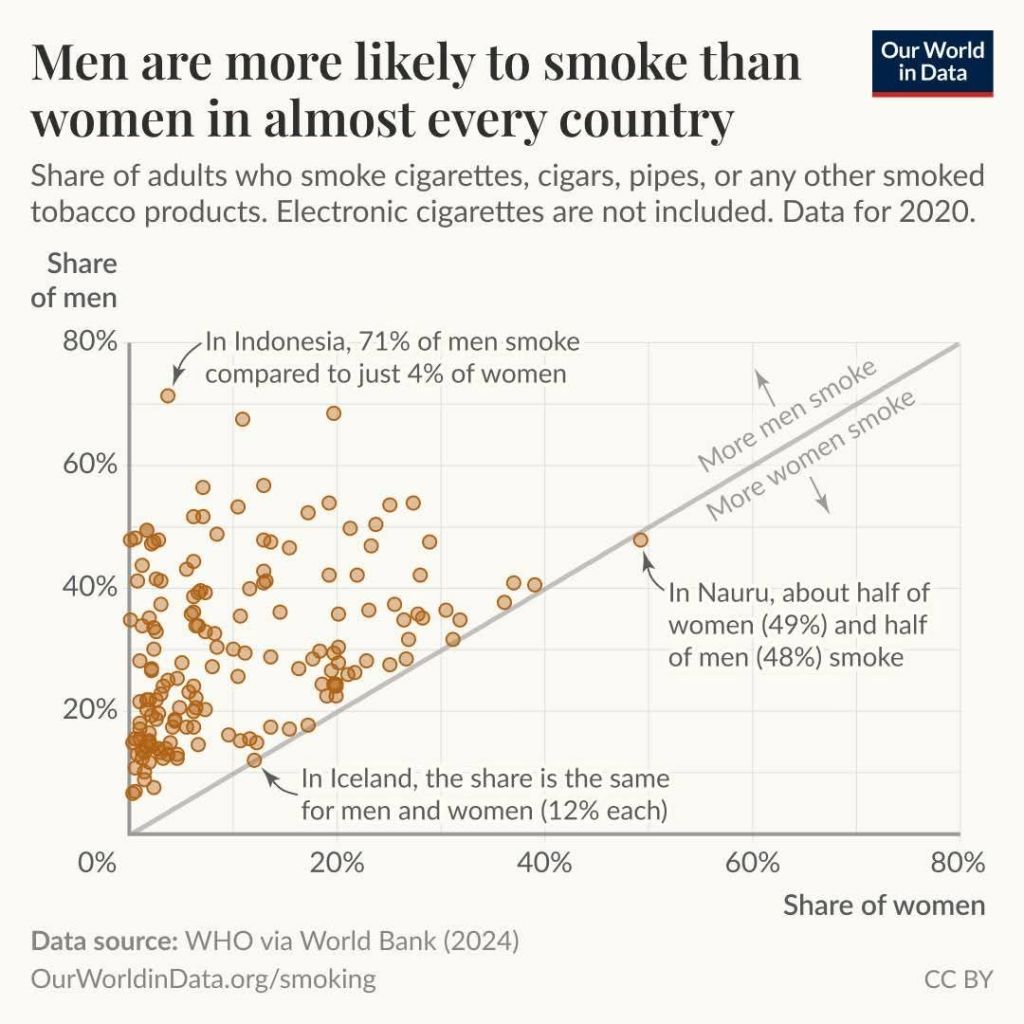
Another gender gap
28 Feb 2025 Leave a comment
in development economics, health economics Tags: economics of smoking, gender gap
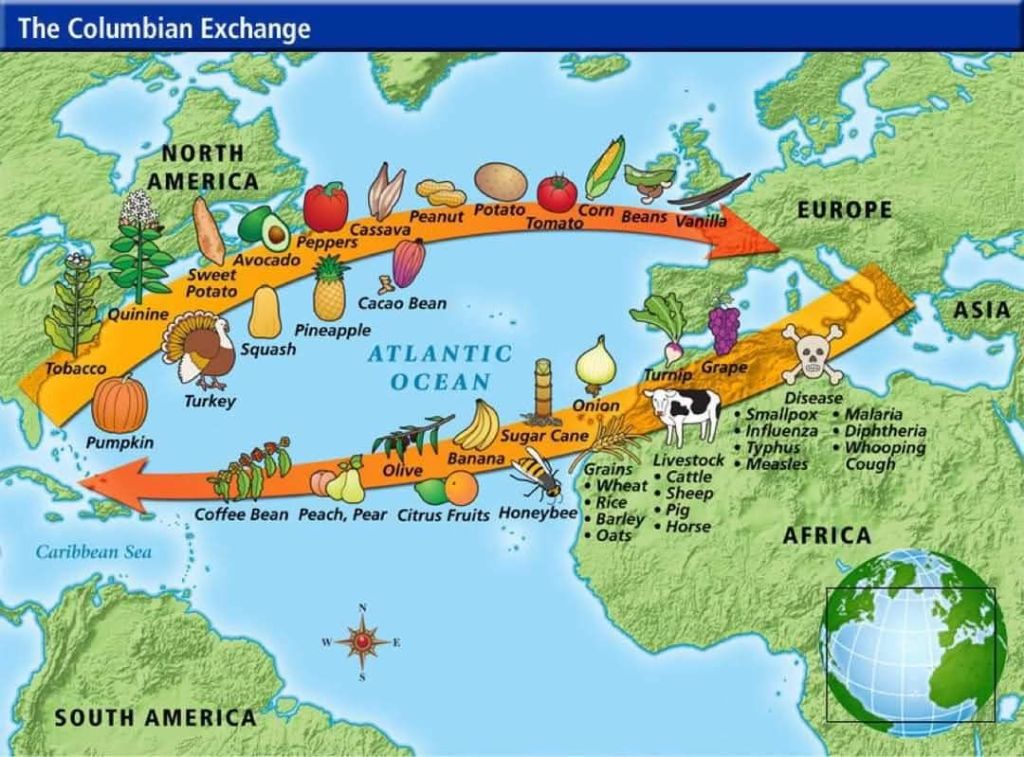
Trade
25 Feb 2025 Leave a comment
in development economics, economic history Tags: age of empires, economics of colonialism
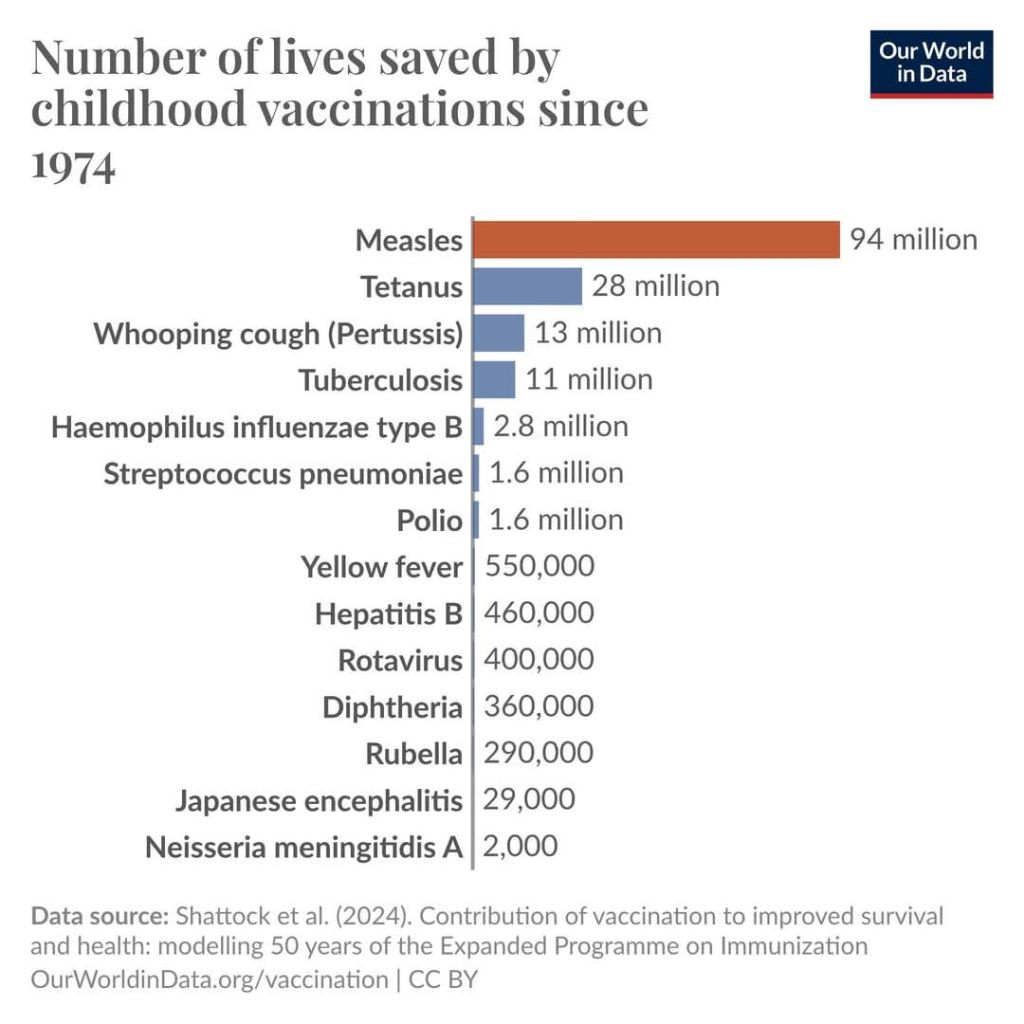
The Great Escape
24 Feb 2025 Leave a comment
in development economics, economic history, health economics Tags: anti-vaccination movement, The Great Escape, vaccines
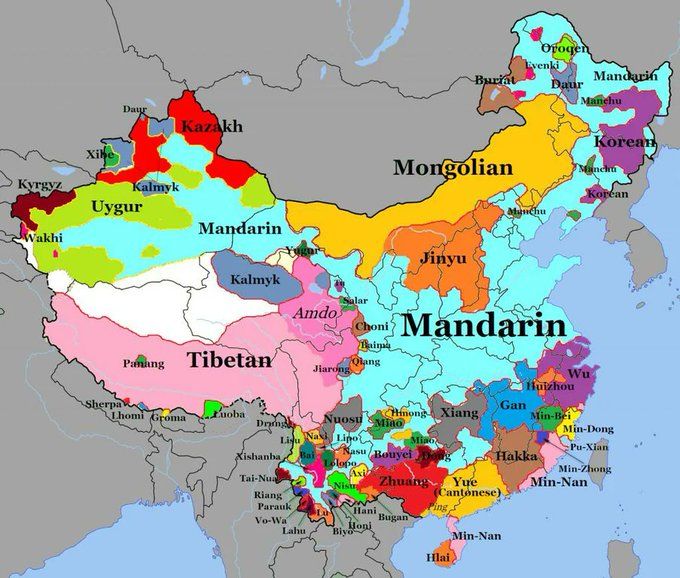
Maps again
24 Feb 2025 Leave a comment
in development economics, economics of education Tags: China, economics of languages
The Great Escape
22 Feb 2025 Leave a comment
in development economics, economic history, growth disasters, health economics Tags: child mortality, infant mortality, The Great Escape
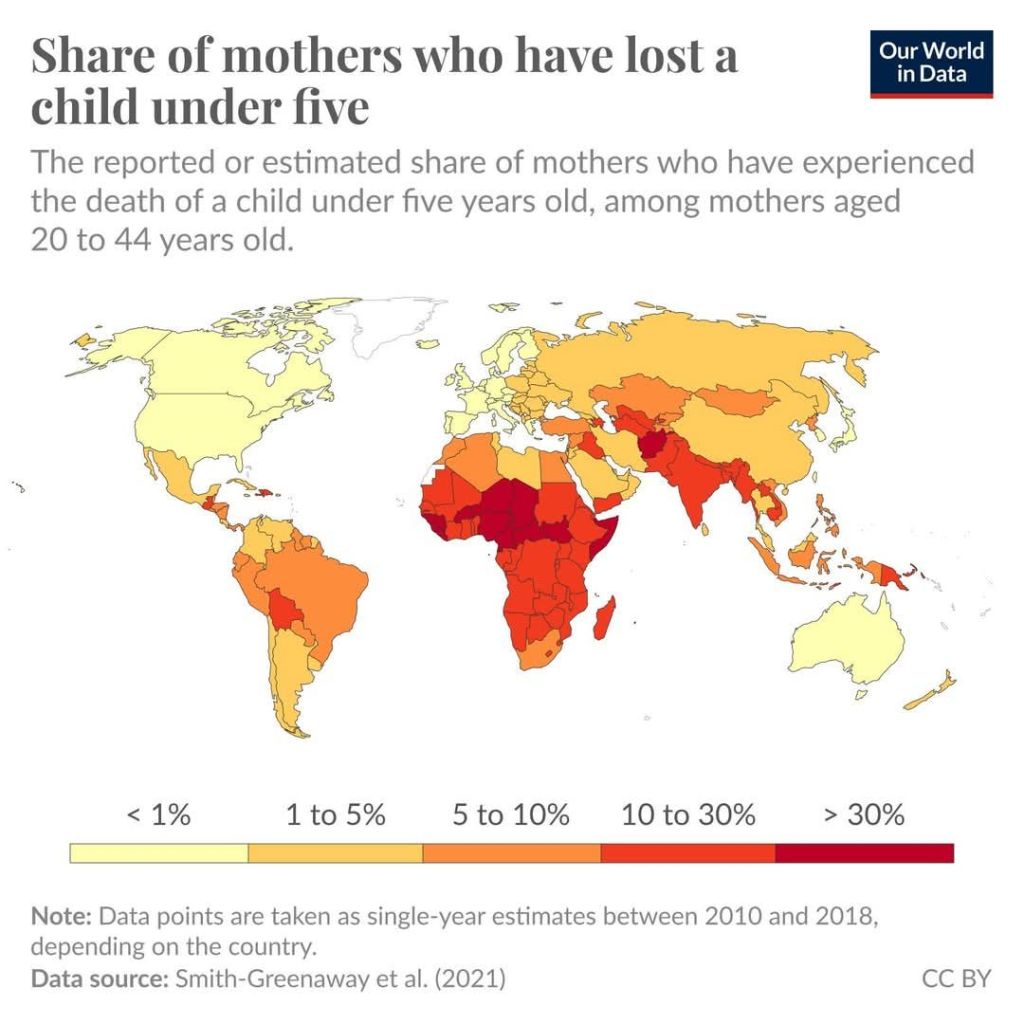
The Great Escape
22 Feb 2025 Leave a comment
in development economics, economic history, health economics Tags: child mortality, infant mortality, The Great Escape
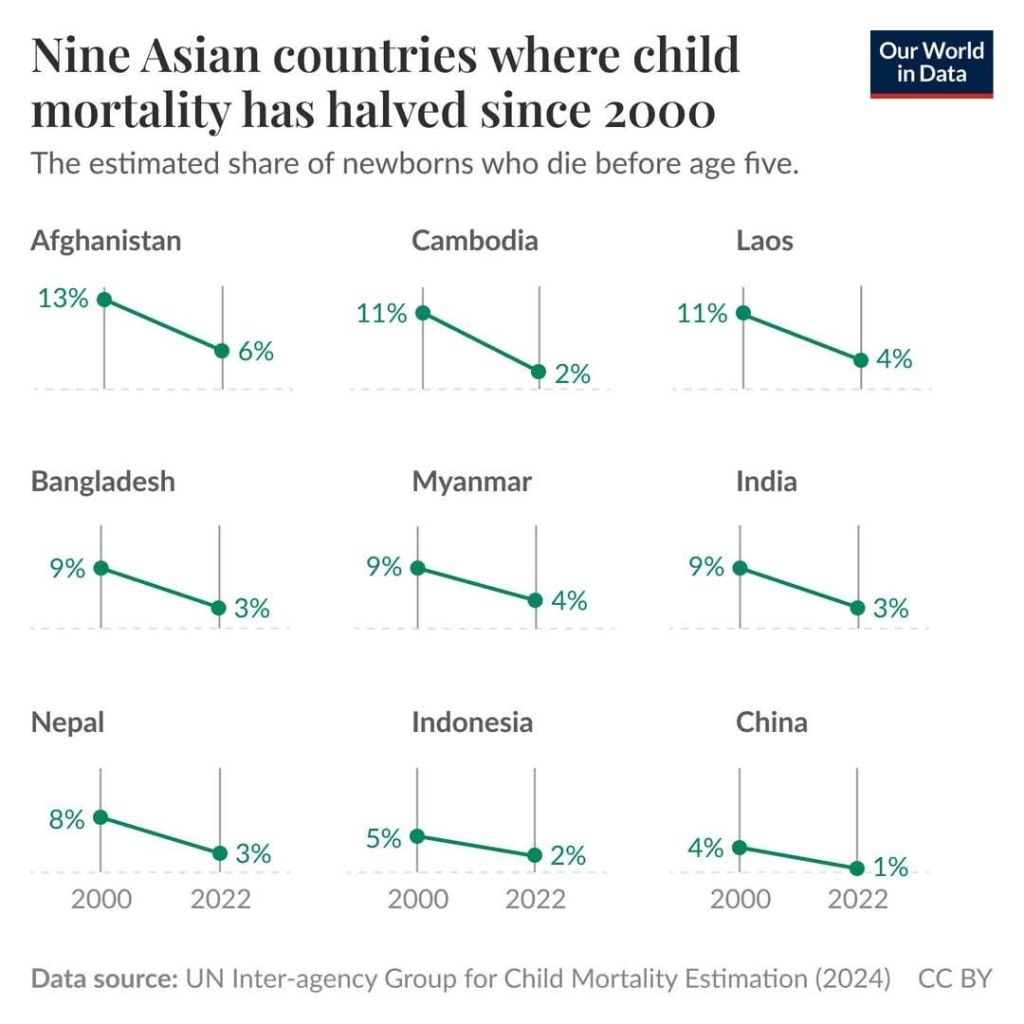
Another Great Escape
16 Feb 2025 Leave a comment
in development economics, economic history, health economics Tags: The Great Escape
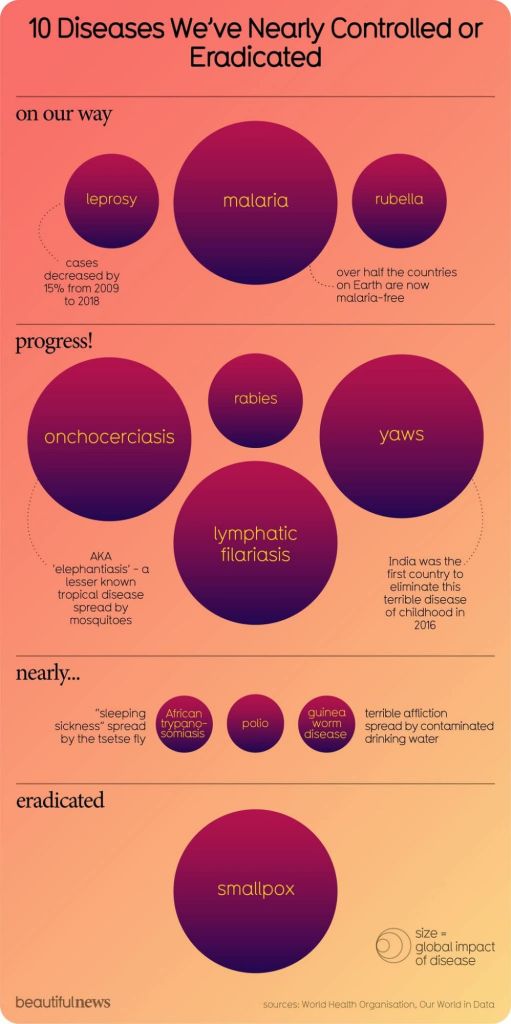
The Effect of inbreeding of European Monarchs on State Performance
14 Feb 2025 Leave a comment
in development economics, economic history Tags: Europe
We create a novel reign-level data set for European monarchs, covering all major European states between the 10th and 18th centuries. We first document a strong positive relationship between rulers’ cognitive ability and state performance. To address endogeneity issues, we exploit the facts that (i) rulers were appointed according to hereditary succession, independent of their […]
The Effect of European Monarchs on State Performance
 Utopia, you are standing in it!
Recent Comments