Was WW1 Pointless? – War Goals Of Every Major Nation
18 Oct 2024 Leave a comment
in defence economics, economic history, international economics, International law, laws of war, war and peace Tags: World War I
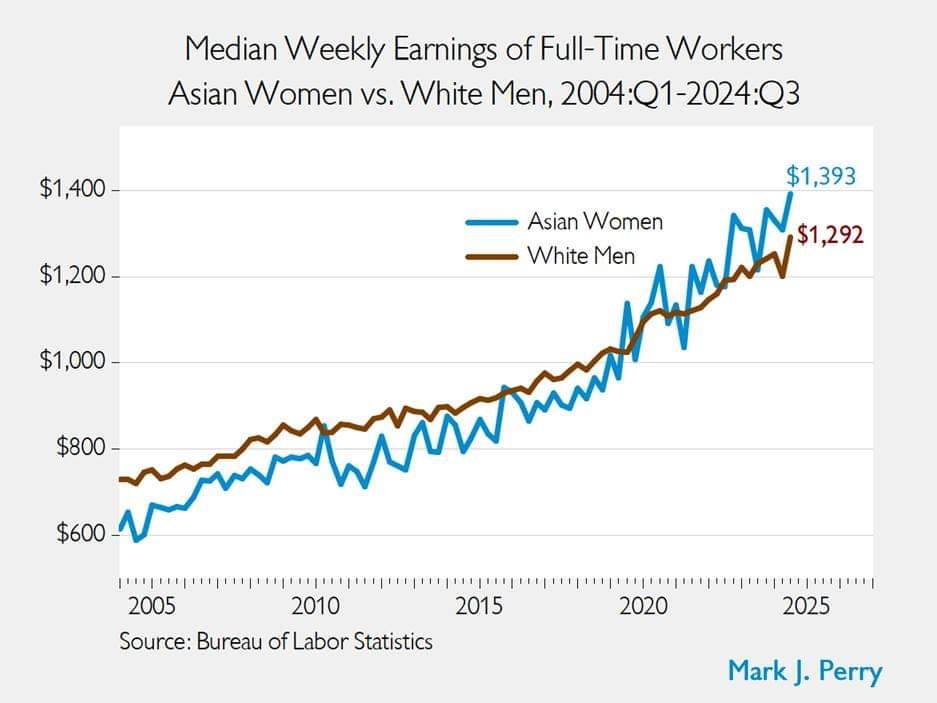
The gender gap that dare not speak its name
18 Oct 2024 Leave a comment
in discrimination, econometerics, economic history, economics of education, gender, human capital, labour economics, labour supply, occupational choice, poverty and inequality Tags: gender wage gap, racial discrimination
Judd on Tikanga
18 Oct 2024 Leave a comment
in discrimination, economic history, economics of bureaucracy, law and economics, liberalism, Marxist economics, politics - New Zealand, property rights, Public Choice, rentseeking Tags: constitutional law
Incentives matter, the demand curve slopes downward, mental health edition
17 Oct 2024 Leave a comment
in applied price theory, economic history, health economics
Since 2000, pharmaceuticals for common psychiatric conditions aged out of patent protection. After generic entry, supply increases as more sellers enter the market, leading to lower prices – about 80-85% less! Cheaper prescriptions and more treatment are the stated goal of policies to improve affordability. …Drug prices definitely fell during this period. For the SSRI sertraline, consumer cost per month dropped from ~35 dollars in […]
Incentives matter, the demand curve slopes downward, mental health edition
Reflections on India
16 Oct 2024 1 Comment
in applied price theory, comparative institutional analysis, constitutional political economy, development economics, economic growth, economic history, economics of bureaucracy, growth disasters, growth miracles, history of economic thought, income redistribution, law and economics, macroeconomics, Marxist economics, property rights, Public Choice, public economics, regulation, rentseeking Tags: economics of colonialism, India

I’m back from my first trip to India, where I visited Mumbai, Delhi, Agra, and Amritsar. I enjoyed fine company in all four cities. In Mumbai, my new friend Sachin Aggarwal, head of the local EconTalk Club, rolled out the red carpet — and ACX Mumbai joined the festivities. (Thank you, Scott Alexander, for creating…
Reflections on India
Acemoglu, Johnson and Robinson Win Nobel Prize for Institutions and Prosperity
15 Oct 2024 Leave a comment
in applied price theory, comparative institutional analysis, constitutional political economy, development economics, economic growth, economic history, economics of bureaucracy, economics of regulation, growth disasters, growth miracles, history of economic thought, income redistribution, macroeconomics, Public Choice, public economics, rentseeking
The Nobel prize goes to Daron Acemoglu, Simon Johnson and James Robinson for their work on institutions, prosperity, and economic growth. Here is a key piece summarizing their work: Institutions as a Fundamental Cause of Long-Run Growth. This paper develops the empirical and theoretical case that differences in economic institutions are the fundamental cause of […]
Acemoglu, Johnson and Robinson Win Nobel Prize for Institutions and Prosperity
A Nobel for Acemoglu, Johnson, and Robinson: Institutions and Prosperity
15 Oct 2024 Leave a comment
in applied price theory, comparative institutional analysis, constitutional political economy, development economics, economic history, growth disasters, growth miracles, history of economic thought
The Sveriges Riksbank Prize in Economic Sciences in Memory of Alfred Nobel 2024 has been awarded to Daron Acemoglu, Simon Johnson and James Robinson “for studies of how institutions are formed and affect prosperity.” Each year, the Nobel Committee helpfully publishes both a “Popular information” overview of of the award and a “Scientific Background” essay that goes into greater depth.…
A Nobel for Acemoglu, Johnson, and Robinson: Institutions and Prosperity
UK PM ratings
14 Oct 2024 Leave a comment
in economic history, politics Tags: British politics
Here are the net approval ratings for UK Prime Ministers three months after each election: Starmer has become incredibly unpopular so quickly.
UK PM ratings
DON BRASH: WAS SOVEREIGNTY CEDED IN 1840?
11 Oct 2024 Leave a comment
in comparative institutional analysis, constitutional political economy, economic history, law and economics, politics - New Zealand, property rights, Public Choice Tags: constitutional law
I watched Tuesday night’s debate between David Seymour, Leader of the ACT Party, and Helmut Modlik, an iwi leader, with dismay. On the one hand, David Seymour argued with compelling logic the need to resolve once and for all whether New Zealanders enjoy equal political rights or whether, as Helmut Modlik argued, those with…
DON BRASH: WAS SOVEREIGNTY CEDED IN 1840?
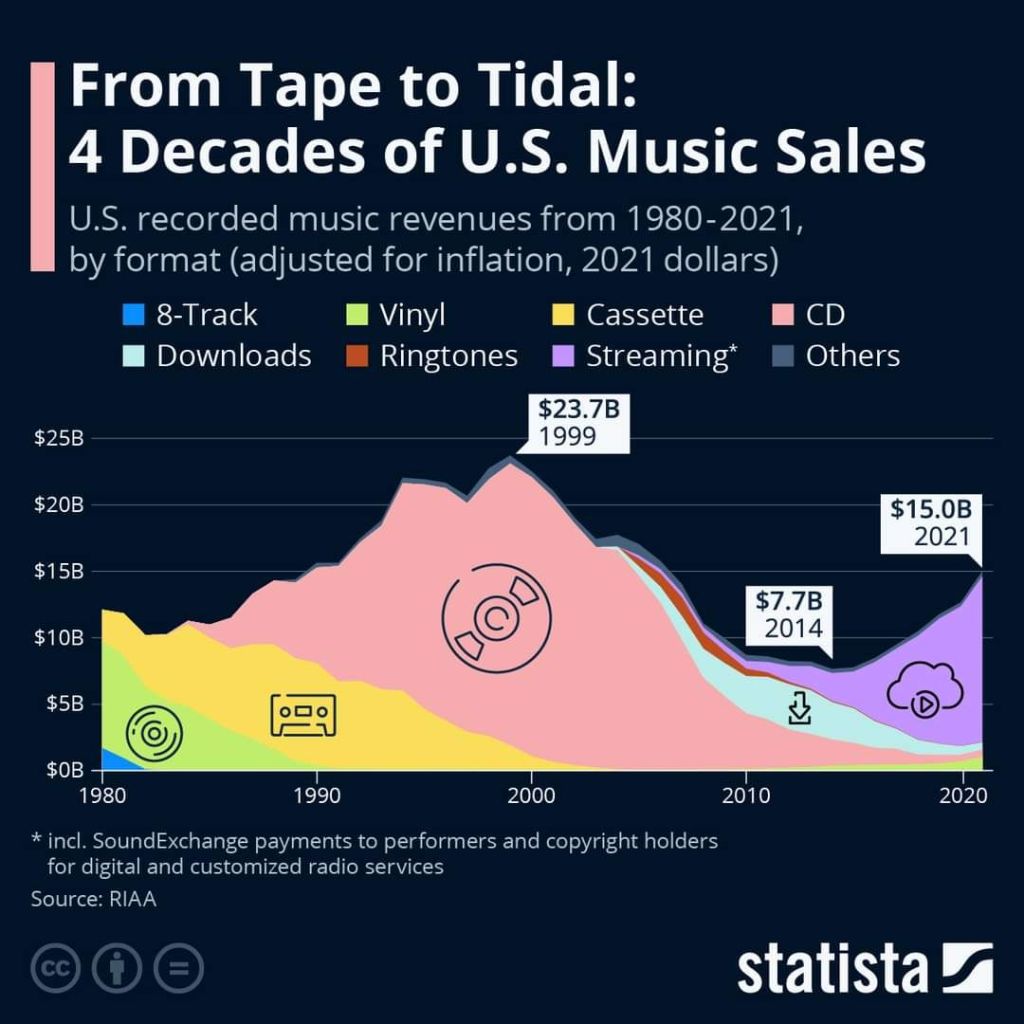
Paid music makes a comeback
09 Oct 2024 1 Comment
in economic history, industrial organisation, Music, survivor principle
US Productivity Growth: Downside, Upside
08 Oct 2024 Leave a comment
in applied price theory, econometerics, economic growth, economic history, entrepreneurship, history of economic thought, industrial organisation, labour economics, labour supply, macroeconomics Tags: The Great Enrichment
Over time, a rising US standard of living is driven by productivity growth. Michael Peters succinctly describes the problem in “America Must Rediscover Its Dynamism” (Finance & Development, September 2024). He writes: The US economy has a multitrillion-dollar problem. It’s the dramatic slowdown in productivity growth over the past couple of decades. Between 1947 and…
US Productivity Growth: Downside, Upside
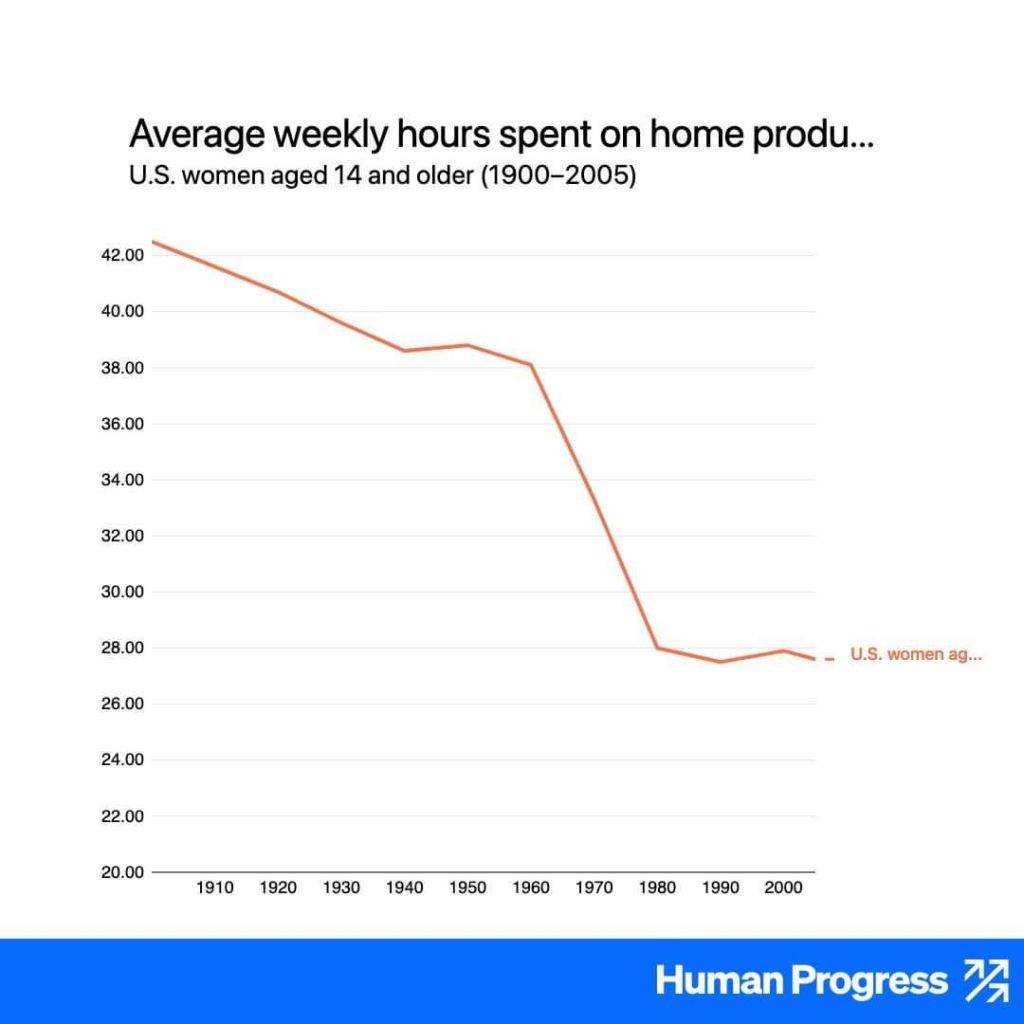
In 1900, when most U.S. women baked their own bread and did the laundry by hand, maintaining a home was a full-time job.
07 Oct 2024 Leave a comment
in discrimination, economic history, gender, labour economics, labour supply, occupational choice Tags: The Great Enrichment
The collapse of Maori nationalism
03 Oct 2024 Leave a comment
in comparative institutional analysis, constitutional political economy, economic history, economics of bureaucracy, income redistribution, law and economics, politics - New Zealand, property rights, Public Choice, rentseeking
As with unionism, overreach will end iwi power push Graham Adams writes – One of former Labour Prime Minister Jacinda Ardern’s most singular achievements during her tenure as premier was to push a majority of voters to the point of revulsion regarding race-based policy. Now the coalition government is orchestrating a swift counter-revolution, with […]
The collapse of Maori nationalism
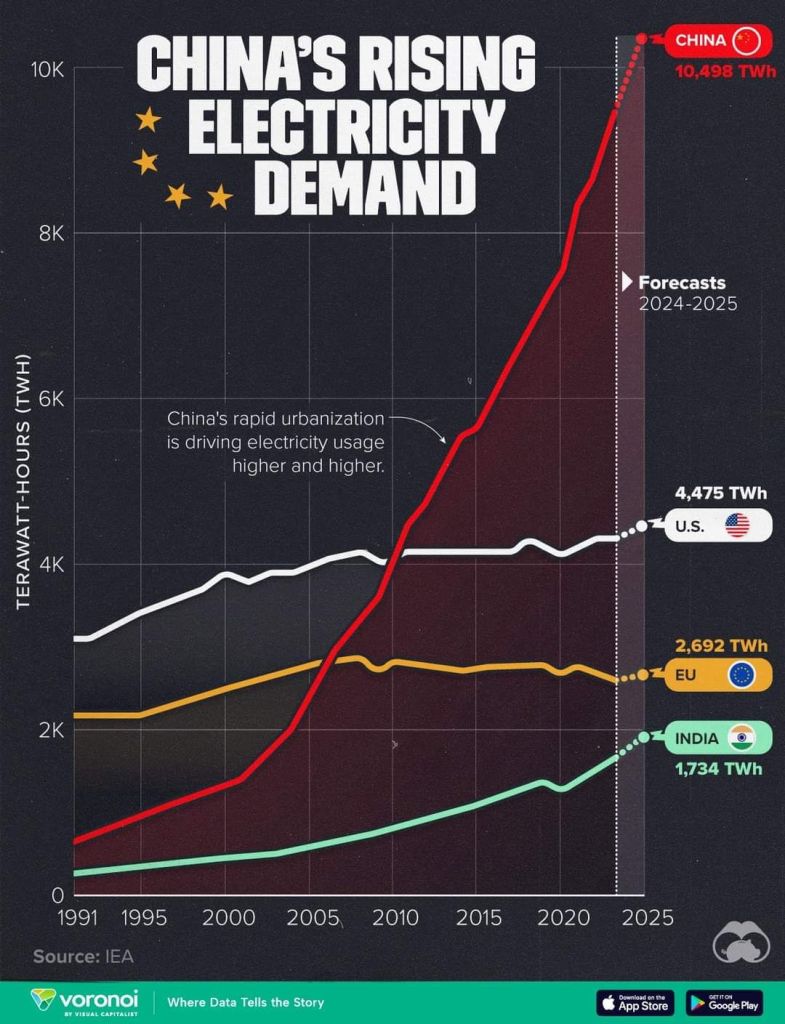
The Great Leap Forward
03 Oct 2024 Leave a comment
in development economics, economic history, energy economics, growth miracles Tags: China
Canada Is Part of the Anti-Convergence Club
01 Oct 2024 Leave a comment
in applied price theory, budget deficits, comparative institutional analysis, economic growth, economic history, economics of regulation, environmental economics, fiscal policy, labour economics, labour supply, law and economics, macroeconomics, property rights Tags: Canada
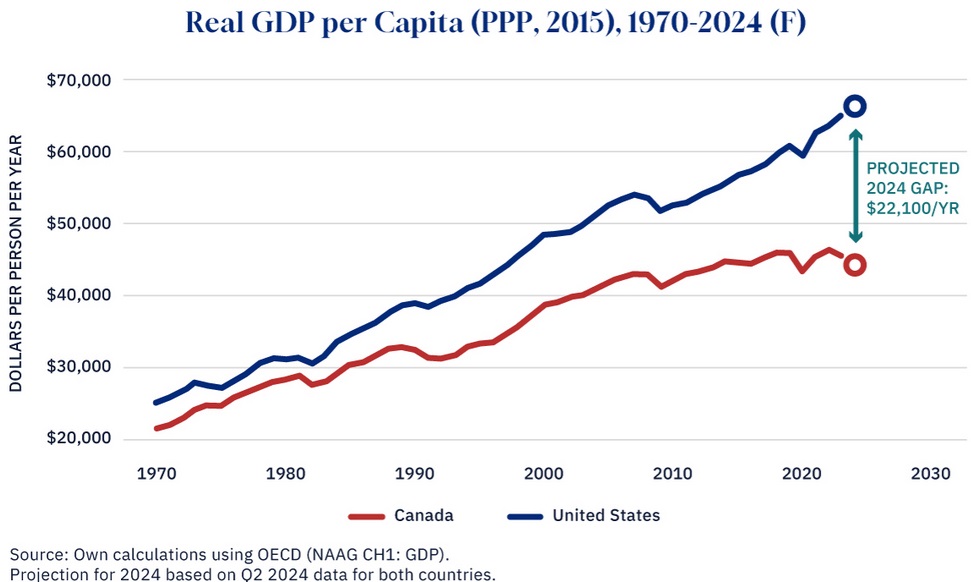
Economists widely agree with the theory of “convergence,” which is the (mostly true) idea that poor nations should grow faster than rich nations as they catch up (converge). But there are exceptions. Sometimes a richer country will grow faster than a poorer country over a significant period of time, and we can learn from these examples. This is […]
Canada Is Part of the Anti-Convergence Club
 Utopia, you are standing in it!
Recent Comments