TweetWriting in the Wall Street Journal, David Henderson and Charley Hooper explain why we should be thankful for high drug prices. Two slices: For Americans, paying for the discovery and development of new drugs rests on our shoulders. If we pay, we get new lifesaving medicines. If we don’t, we don’t. Almost all new drugs…
Some Links
Some Links
06 Feb 2024 Leave a comment
in applied price theory, applied welfare economics, comparative institutional analysis, constitutional political economy, development economics, economic history, economics of regulation, health economics, history of economic thought, labour economics, law and economics, macroeconomics
Creative destruction
05 Feb 2024 Leave a comment
in economic history, entrepreneurship, industrial organisation, survivor principle Tags: creative destruction
Net Zero Not Only Inhuman, It’s Also Ecocidal
04 Feb 2024 1 Comment
in economic history, energy economics, environmental economics, global warming Tags: climate alarmism

Roger Palmer speaks quietly, but with the force of knowledge and logic on the subject of global warming/climate change. Two expressions of his perspective are presented here: firstly a brief video and transcript, and secondly excerpts from his 2024 paper. Transcript in italics with my bolds and added images. H/T Raymond Inauen 1. Trust Climate […]
Net Zero Not Only Inhuman, It’s Also Ecocidal
The Great Fact
04 Feb 2024 Leave a comment
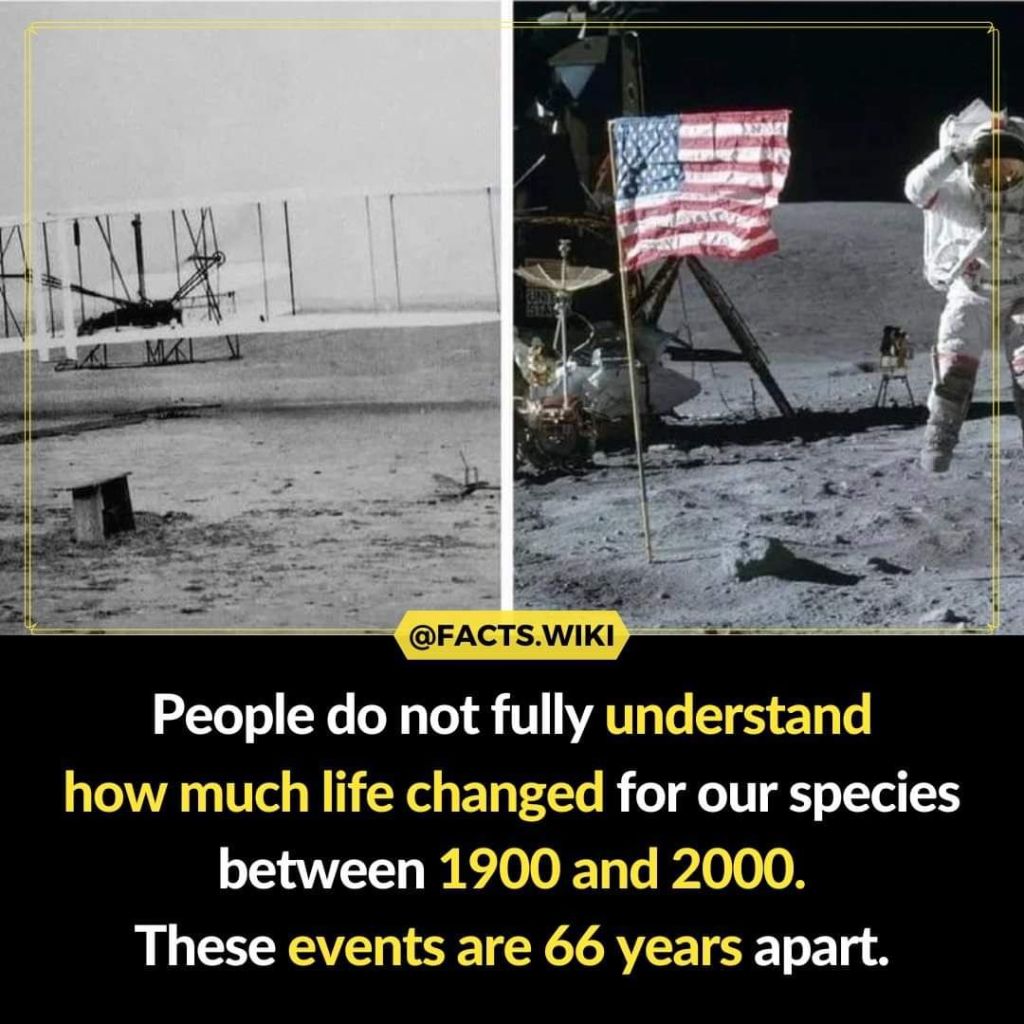
in economic growth, economic history, liberalism, macroeconomics Tags: space, The Great Enrichment

DON BRASH: WHAT KIND OF COUNTRY DO WE WANT TO BE?
03 Feb 2024 Leave a comment
in comparative institutional analysis, constitutional political economy, discrimination, economic history, income redistribution, law and economics, liberalism, Marxist economics, politics - New Zealand, property rights, Public Choice, rentseeking Tags: Age of Enlightenment, constitutional law, political correctness, racial discrimination, regressive left
Last Sunday, the Sunday Star-Times recalled on its front page the “fiery debate” triggered by my speech to the Orewa Rotary Club just 20 years earlier. Articles by several authors in the same paper brought the debate up-to-date and warned of the dangers of ACT’s Treaty Principles Bill, which the National Party’s coalition agreement with…
DON BRASH: WHAT KIND OF COUNTRY DO WE WANT TO BE?
The Euro at 25
03 Feb 2024 Leave a comment
in budget deficits, currency unions, economic history, economics of bureaucracy, Euro crisis, fiscal policy, global financial crisis (GFC), great recession, inflation targeting, macroeconomics, monetary economics, Public Choice Tags: Euro

The euro technically started in 1999, when the 11 founding European members of the currency agreed to keep their exchange rates fixed and to hand over monetary policy to the European Central Bank. The euro then became the actual currency that people and firms used in 2002. I confess that, back in the early 1990s,…
The Euro at 25
Breaking the Culture of Welfare Dependency
02 Feb 2024 Leave a comment
in comparative institutional analysis, development economics, economic history, economics of education, entrepreneurship, health economics, human capital, income redistribution, labour economics, labour supply, law and economics, liberalism, property rights, Public Choice, unemployment, welfare reform Tags: Canada

One hope that has occasionally been expressed since the beginning of the modern era of Treaty of Waitangi (ToW) settlements, has been that the Iwi showered with money and empowered with control of hundreds of millions or even billions of dollars worth of assets, would be able to then make a difference to all the […]
Breaking the Culture of Welfare Dependency
January 30, 1649: King Charles I of England, Scotland and Ireland is executed in Whitehall, London.
31 Jan 2024 Leave a comment
in economic history, economics of crime, law and economics Tags: British history
King Charles I of England, Scotland and Ireland was the second son of King James VI of Scotland and Princess Anne of Denmark, the second daughter of King Frederik II of Denmark and Princess Sophie of Mecklenburg-Güstrow. Prince Charles was born in Dunfermline Palace, Fife, on November 19, 1600. At a Protestant ceremony in the […]
January 30, 1649: King Charles I of England, Scotland and Ireland is executed in Whitehall, London.
Prosperity Essentials: Why Coal, Oil & Gas Keep Delivering Heaven on Earth
31 Jan 2024 Leave a comment
in development economics, economic history, economics of climate change, energy economics, environmental economics, global warming, growth miracles Tags: life expectancies, The Great Enrichment

Coal, then oil and gas, have driven the mechanization and industrialisation responsible for lifting billions out of agrarian poverty, and all in the space of little more than a century. As a band of miserable misanthropes would have it, oil, coal and gas are an unadulterated evil to be driven back to the earthly depths […]
Prosperity Essentials: Why Coal, Oil & Gas Keep Delivering Heaven on Earth
Royal Incapacity and Medical Procedures
30 Jan 2024 1 Comment
in economic history, law and economics Tags: British politics, constitutional law
The King returned from the hospital today after undergoing treatment for an enlarged prostate on Friday. According to the BBC, there was no delegation of royal authority during his stay in the hospital. This approach is in marked contrast to that of the United States where Presidents have temporarily transferred their powers to the Vice-President […]
Royal Incapacity and Medical Procedures
PLAYING WITH FIRE: THE 1968 ELECTION AND THE TRANSFORMATION OF AMERICAN POLITICS by Lawrence O’Donnell
29 Jan 2024 Leave a comment
in defence economics, economic history, politics - USA
(The 1968 Democratic Convention demonstration on the streets of Chicago) The publication of MSNBC host Lawrence O’Donnell’s new book, PLAYING WITH FIRE: THE 1968 ELECTION AND THE TRANSFORMATION OF AMERICAN POLITICS comes at a propitious moment in American political history. According to O’Donnell 1968 is the watershed year that set our current politics in motion […]
PLAYING WITH FIRE: THE 1968 ELECTION AND THE TRANSFORMATION OF AMERICAN POLITICS by Lawrence O’Donnell
Seymour raises tax and Treaty issues in his “state of the nation” speech (which has not been posted on the Beehive site)
29 Jan 2024 Leave a comment
in comparative institutional analysis, discrimination, economic history, law and economics, politics - New Zealand, property rights, Public Choice Tags: constitutional law
Buzz from the Beehive Just one statement has been posted on the government’s official website since Attorney-General Judith Collins announced the appointment of a new High Court Judge late last week. It deals with education and the government’s aims to get better results from school students.
Seymour raises tax and Treaty issues in his “state of the nation” speech (which has not been posted on the Beehive site)
On new and old civil disobedience
29 Jan 2024 Leave a comment
in economic history, law and economics Tags: civil disobedience

According to my go-to source, the Oxford English Dictionary, “civil disobedience is defined this way: Rebellion of the populace against a governing power; (in later use) spec. refusal to obey the laws, commands, etc., of a government or authority as part of an organized, non-violent political protest or campaign. The three key aspects here involve deliberately breaking…
On new and old civil disobedience
Real Science Guy: Climate Crisis Imaginary
28 Jan 2024 Leave a comment
in economic history, energy economics, environmental economics, global warming Tags: climate alarmism

Daniel W. Nebert writes at American Thinker Today’s ‘Climate Crisis’ Is a Fairy Tale. Excerpts in italics with my bolds and added images. For the past 35 years, the United Nations’ Intergovernmental Panel on Climate Change (IPCC) has warned us that emissions from the burning of fossil fuels, predominantly carbon dioxide (CO2), are causing dangerous […]
Real Science Guy: Climate Crisis Imaginary
 Utopia, you are standing in it!
Recent Comments