Steven Pinker: Modern Denial of Human Nature
10 Oct 2019 Leave a comment
in economics of education, economics of information, economics of media and culture, economics of religion, health economics Tags: evolutionary psychology
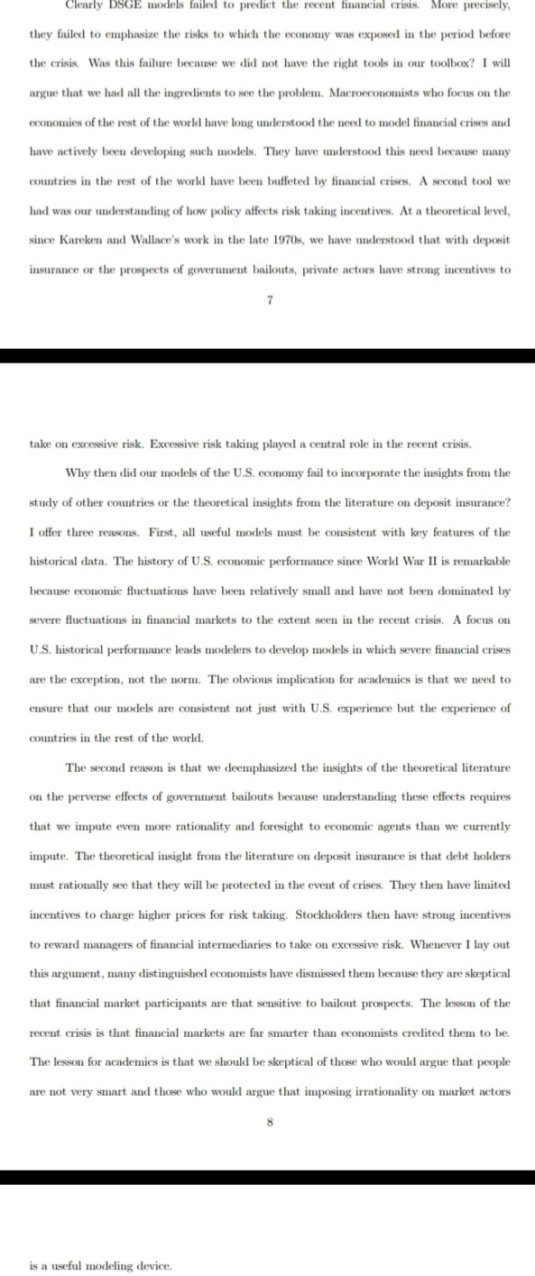
V.V. Chari testifies on modern macroeconomics and information prerequisites to predicting the GFC
09 Oct 2019 Leave a comment
Clarkson explains why cycling is bad for the environment
05 Oct 2019 Leave a comment
in economics of information, energy economics, environmental economics, global warming, politics - Australia, politics - New Zealand, politics - USA, Public Choice, rentseeking, transport economics, urban economics Tags: climate alarmists
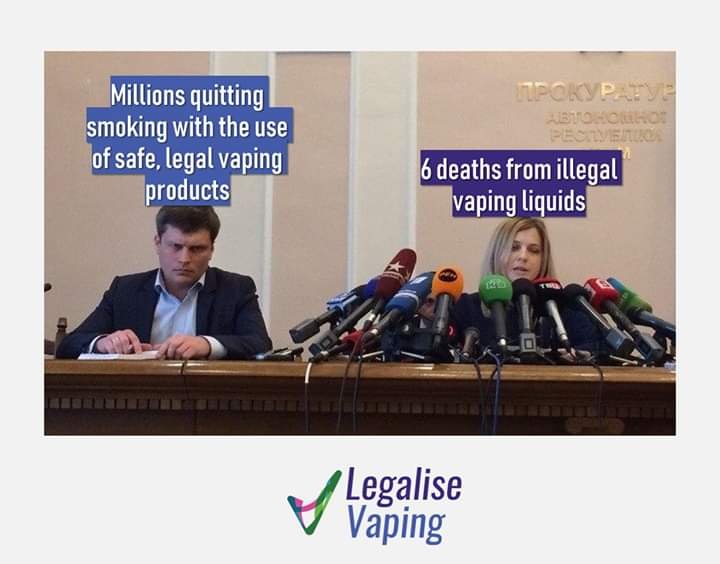
Exaggeration About Global Warming Is Greater Than Ever
04 Oct 2019 Leave a comment
in climate change, development economics, economics of information, energy economics, entrepreneurship, environmental economics, global warming, politics - Australia, politics - New Zealand, politics - USA, Public Choice Tags: climate alarmism
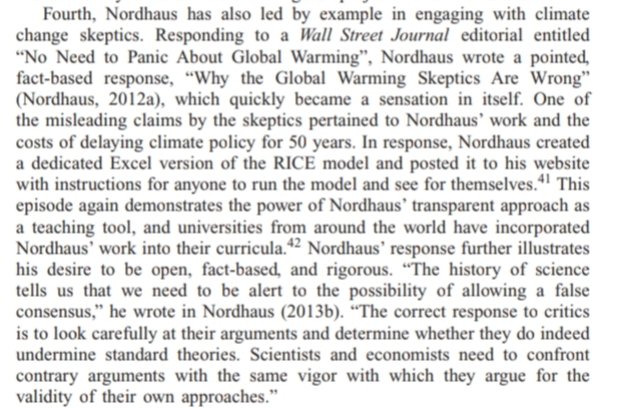
How Nordhaus responded to #globalwarming skeptics
03 Oct 2019 Leave a comment
in econometerics, economics of education, economics of information, economics of natural disasters, energy economics, environmental economics, global warming, politics - Australia, politics - New Zealand, politics - USA Tags: climate alarmism, philosophy of science
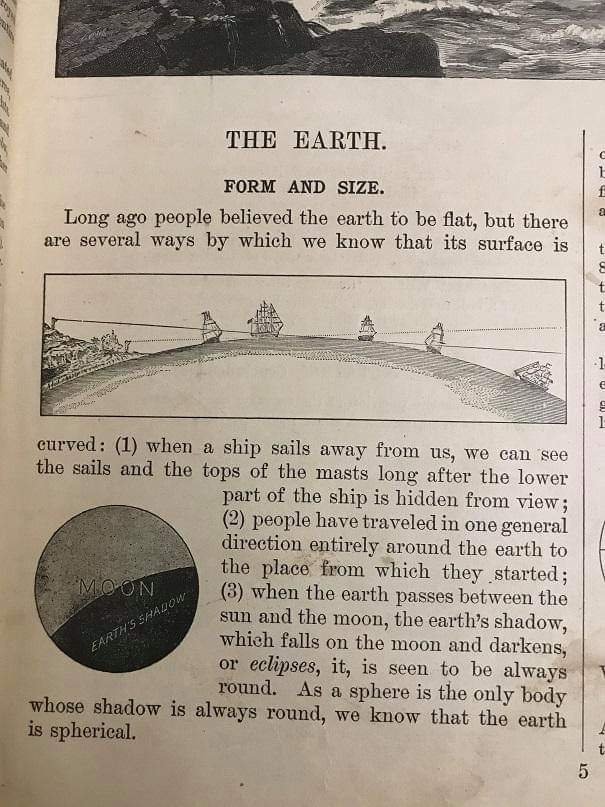
Deception and self-deception are vital evolutionary survival strategies
29 Sep 2019 Leave a comment
in economics of education, economics of information Tags: evolutionary psychology
Robert Trivers on the evolutionary biology of social cooperation
28 Sep 2019 Leave a comment
in comparative institutional analysis, economics of education, economics of information, law and economics Tags: evolutionary psychology

From the Dunedin longitudinal tudy
24 Sep 2019 Leave a comment
in economic history, economics of crime, economics of education, economics of information, economics of media and culture, human capital, labour economics, labour supply, law and economics, occupational choice, poverty and inequality Tags: law and order, marriage and divorce, single mothers

From Code of the Street @nytimes review
24 Sep 2019 Leave a comment
in comparative institutional analysis, economics of crime, economics of education, economics of information, economics of media and culture, human capital, labour economics, labour supply, law and economics Tags: street capital

Bureaucrats a heterodox economist trusts big time to pick winners are too witless to phone to confirm her credit card details
21 Sep 2019 Leave a comment
in comparative institutional analysis, constitutional political economy, economics of bureaucracy, economics of information, Public Choice Tags: picking winners

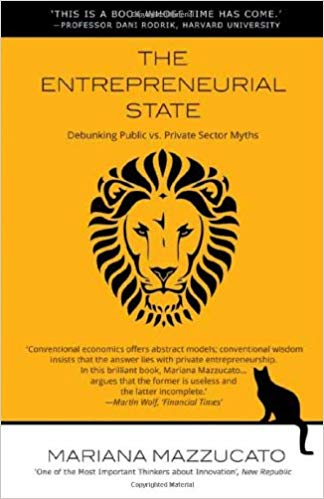
Table of Contents
- Introduction: Thinking Big Again
- From Crisis Ideology to the Division of Innovative Labour
- Technology, Innovation and Growth
- Risk-Taking State: From ‘De-risking’ to ‘Bring It On!’
- The US Entrepreneurial State
- The State behind the iPhone
- Pushing vs. Nudging the Green Industrial Revolution
- Wind and Solar Power: Government Success Stories and Technology in Crisis
- Risks and rewards: From Rotten Apples to Symbiotic Ecosystems
- Socialization of Risk and Privatization of Rewards: Can the Entrepreneurial State Eat Its Cake Too?
- Conclusion
MARIANA MAZZUCATO is a Professor in Economics at the University of Sussex, where she holds the RM Phillips Chair in Science and Technology Policy. She is interested in the interactions between technological change, economic growth, and the ways that industries are structured. Her recent work has looked at the leading role of the State in fostering innovation, and hence the implications of ‘austerity’ for Europe’s ability to be an ‘Innovation Union’. In her last book The Entrepreneurial State she argues that active State investment has been the secret behind most radical innovations, and that this requires economists to analyse the State as market ‘maker’ and market ‘shaper’ not just market ‘fixer’.
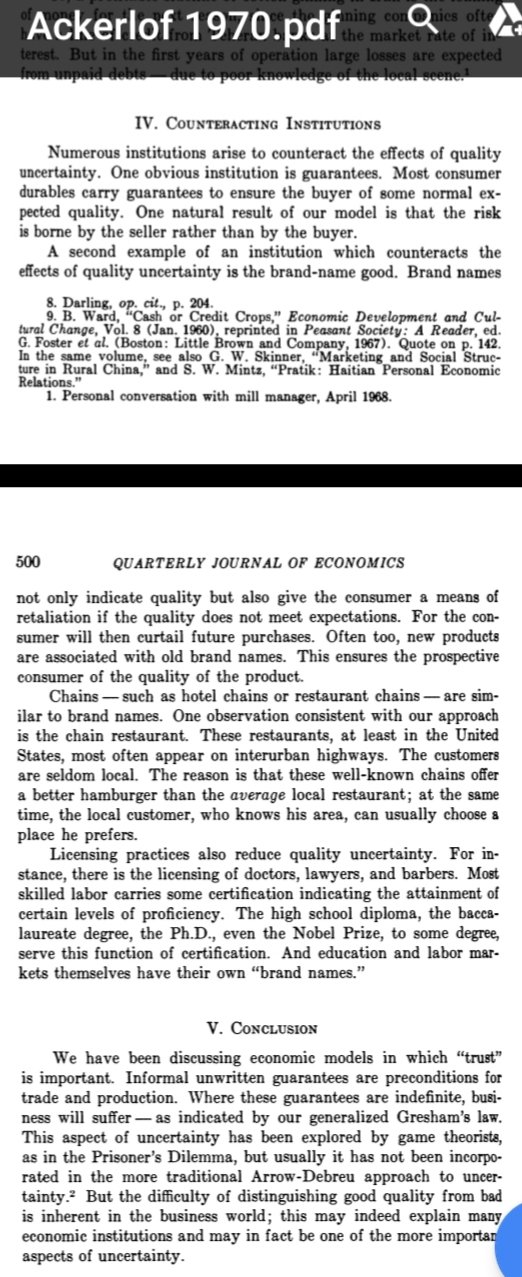
Akerlof’s lemons paper showed how markets profited from overcoming asymmetric information
21 Sep 2019 Leave a comment
in applied price theory, Austrian economics, comparative institutional analysis, economics of information, economics of regulation, entrepreneurship, industrial organisation, survivor principle Tags: asymmetric information
WHY PEOPLE LOVE TO GOSSIP – William von Hippel
21 Sep 2019 Leave a comment
in comparative institutional analysis, constitutional political economy, defence economics, development economics, economics of crime, economics of education, economics of information, economics of love and marriage, law and economics, property rights Tags: evolutionary psychology

 Utopia, you are standing in it!
Recent Comments