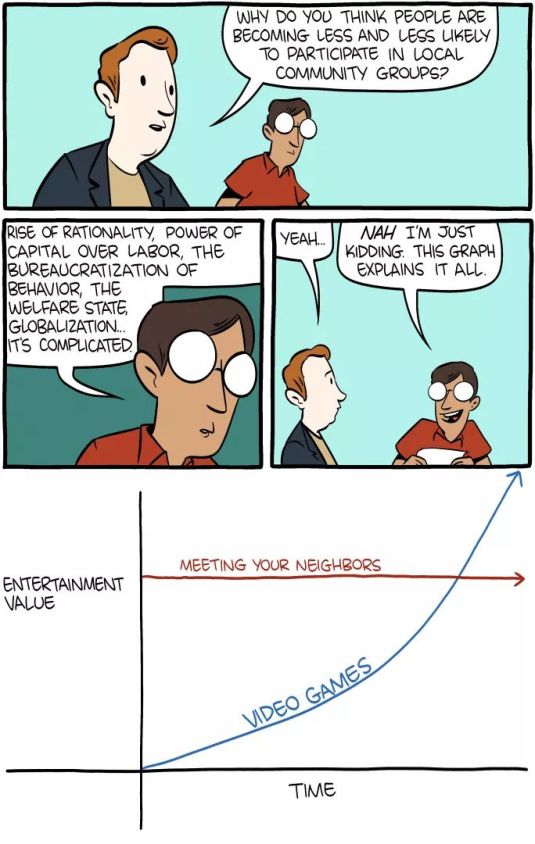

Statistical dating
15 Sep 2018 Leave a comment
in economics of information, economics of love and marriage, economics of media and culture Tags: dating market

Bryan Caplan on The Case Against Education
06 Sep 2018 Leave a comment
in applied price theory, economics of education, economics of information, human capital, labour economics, labour supply, occupational choice Tags: signalling
Why obvious lies make great propaganda
02 Sep 2018 Leave a comment
in economics of information, politics - USA, Public Choice Tags: economics of advertising
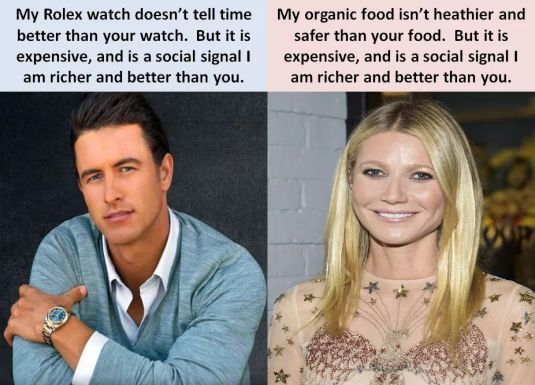
An Introduction to Externalities
30 Aug 2018 Leave a comment
in applied price theory, applied welfare economics, comparative institutional analysis, economics of information, economics of regulation
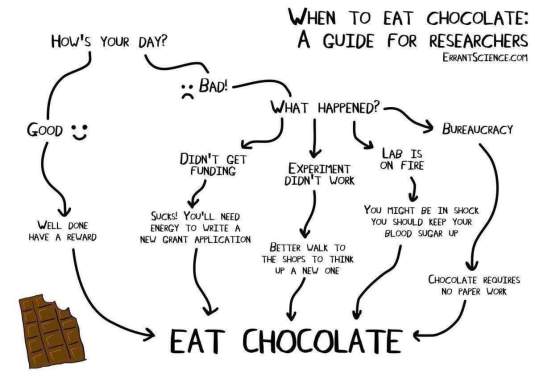
#OTD
23 Aug 2018 Leave a comment
in economic history, economics of information, economics of media and culture Tags: creative destruction

Behind on my #GMO blogging @greenpeace
23 Aug 2018 Leave a comment
in economics of information, economics of regulation, environmental economics Tags: anti-GMO movement, Anti-Science left

2,600 graphs from the American Economic Review
23 Aug 2018 Leave a comment
in economics of information, economics of media and culture
Stossel: Bernie’s Digital Media Empire
22 Aug 2018 Leave a comment
in economics of information, economics of media and culture, entrepreneurship, health economics, labour economics, minimum wage, politics - USA, Public Choice, public economics Tags: regressive left
Green buying really is 90% BS
21 Aug 2018 Leave a comment
in applied price theory, economics of information, energy economics, environmental economics, global warming, health economics Tags: anti-market bias, food snobs, organic food
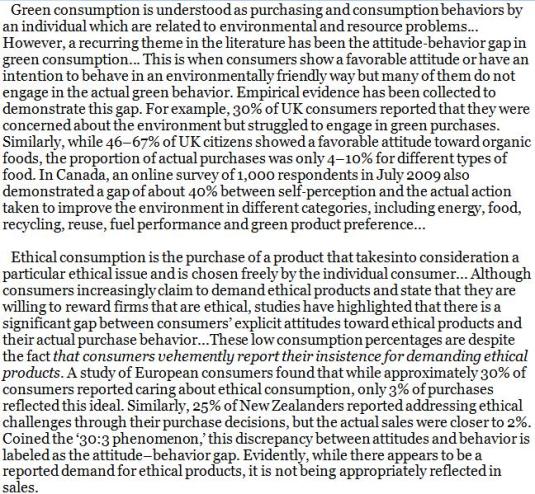
To the Press Council on Inequality Tower 2018 @toby_etc @XTOTL @MaxRashbrooke @TheSpinoffTV
17 Aug 2018 Leave a comment
in economics of information, politics - New Zealand, poverty and inequality, public economics

Two words. Two words would have changed the Inequality Tower from deeply misleading to accurate. Those two words also would have greatly undermined the political narrative in the cartoon of the political powerlessness of ordinary people over housing affordability.
The response of The Spinoff to my complaint was on one aspect and ignored all the others.
The editor ran the line that capital gains taxes is the same as saying comprehensive capital gains tax. You might have been able to run that line a few years ago but not now after the capital gains tax bright line test of 2 years and now 5 years. A five-year bright line is enough to deal with speculation and changes the debate from the lack of a capital gains tax at all to a capital gains tax on the family home or farm after the death of parents and other deeply unpopular political ramifications.
The other missing word was might. It was simply wrong to claim that people will not pay taxes on the sale of their home. They might under current law.
Ironically, editor’s reply was on the day the ban on foreign sales was passed into law showing once again responsiveness of parliament to popular concerns about housing affordability. The same responsiveness to the angst of ordinary voters led to the bright line test of 2 years and now 5 years.
At bottom, if you ask a careful and scrupulous scholar such as Max Rashbrooke to sign onto your comic cartoon, you raise the bar for yourself in terms of factual accuracy in an opinion piece. If he had not co-signed the cartoon, I most likely would never have read it.
This rejoinder is in addition to my attached original complaint to The Spinoff which I also submit to the Press Council.
Soda Ban Explained | Op-Docs | @nytimes @EricCrampton
16 Aug 2018 Leave a comment
in applied price theory, applied welfare economics, economics of information, economics of regulation, health economics, politics - USA Tags: expressive politics, meddlesome preferences, nanny state, sugar tax, virtue signalling
 Utopia, you are standing in it!
Recent Comments