


This @amprog lead in picture and its 1st figure about minimal improvement in living standards in 30 years just does not gel somehow
05 Mar 2016 Leave a comment
in applied welfare economics, economic history, economics of media and culture, industrial organisation, politics - USA Tags: good old days, Leftover Left, pessimism bias, rational irrationality, smart phones, The Great Enrichment

Source: When I Was Your Age | Center for American Progress.
The claim by the Centre for American progress is that despite being more educated and working in a more productive economy, 30-year-olds today barely make more than 30-year-old Baby Boomers did in 1984.

Source: When I Was Your Age | Center for American Progress.
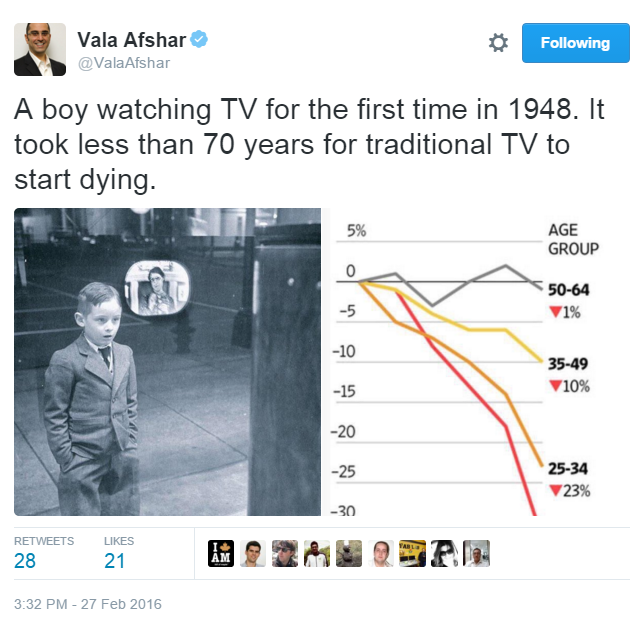
Nearly everything from RadioShack ad in 1991 is replaced by a smartphone. https://t.co/xGh6ZzW1Nx—
Vala Afshar (@ValaAfshar) December 19, 2015
The apps in your smartphone cost $900,000 thirty years ago —@datarade https://t.co/pjw7q4QGDp—
Vala Afshar (@ValaAfshar) October 29, 2015
Creative destruction in desks
05 Mar 2016 Leave a comment
in economic history, economics, economics of media and culture Tags: creative destruction

@realdonaldtrump has never voted in a Republican primary
04 Mar 2016 Leave a comment
in economics of media and culture, politics - USA
Trump has voted consistently in general elections. There is no indication that he has voted in a presidential primary of any kind since 1989.
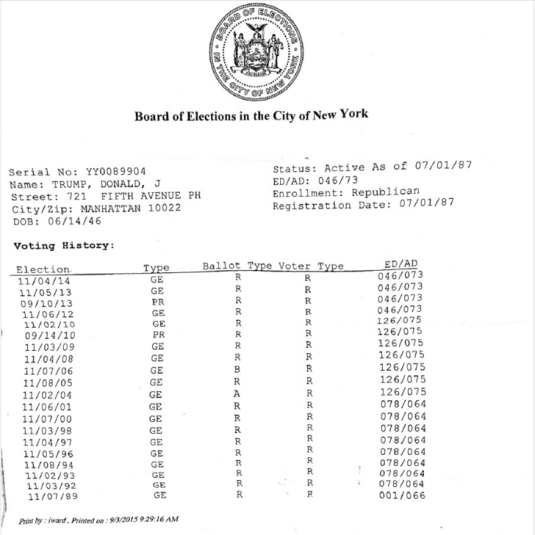
Source: Donald Trump, Melania & Ivanka have never voted in a GOP presidential primary | Daily Mail Online.
Donald Trump first registered to vote at Trump Tower in 1987. Since then, he has been a Republican three times, a Democrat once, a member of the Independence Party once and, for a brief period, had no party identification at all.
Since he registered to vote for the Republican Party just before the 2012 election, he hasn’t missed a vote. He registered too late to vote for Mitt Romney.
Trump spent the entire Bush years as a registered Democrat.
Source: Donald Trump’s got a particularly strange voting history – The Washington Post.
@TedCruz says @realDonaldTrump wrote 10 checks to @HillaryClinton campaigns
04 Mar 2016 Leave a comment
in economics of media and culture, politics - USA

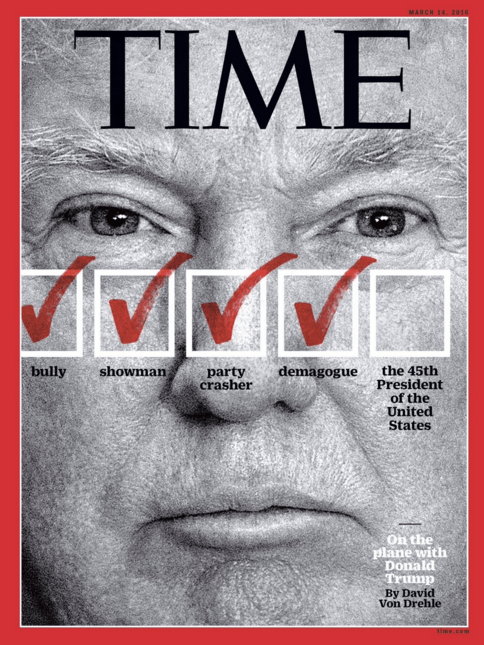
No #livingwage for #ManchesterCatCafe Nanny! Perhaps an example of compensating differentials?
04 Mar 2016 Leave a comment
in economics of media and culture, labour supply, occupational choice
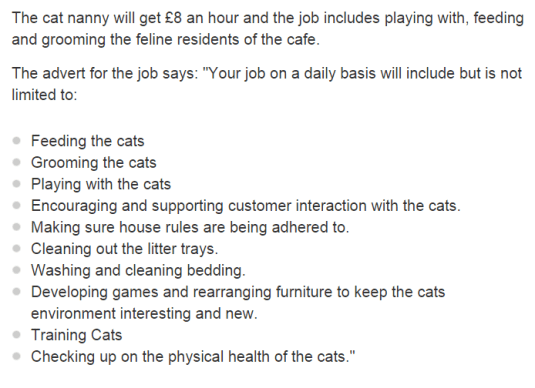
How to deal with science denialists
03 Mar 2016 Leave a comment
in economics of education, economics of information, economics of media and culture, energy economics, environmental economics, global warming, health economics Tags: antiscience left, climate alarmism, growth of knowledge, philosophy of science, quackery, Quacks
Most climate alarmists do not separate the policy issues, the economic issues, from the science of global warming as suggested in this flowchart. Specifically, they do not ask what is the economic and social cost of global warming.


Recent Comments