‘Damn’ was once the most offensive word in the English language – here’s why
29 May 2018 1 Comment
in economics of media and culture
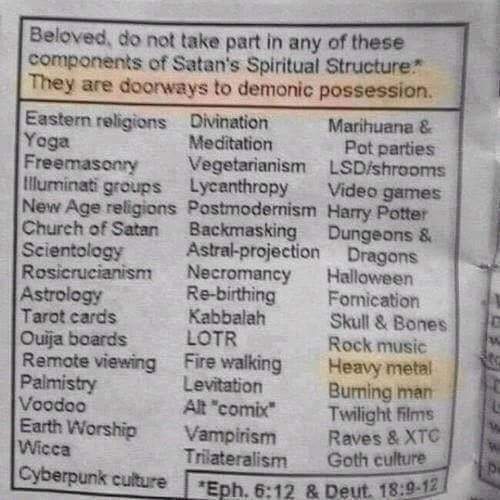
I was totally safe but for Lord of the Rings and rock music. Don’t know what remote viewing is.
29 May 2018 Leave a comment
in economics of media and culture, economics of religion, movies

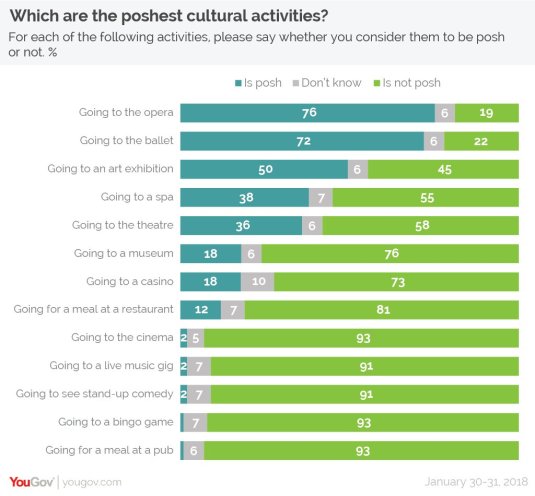
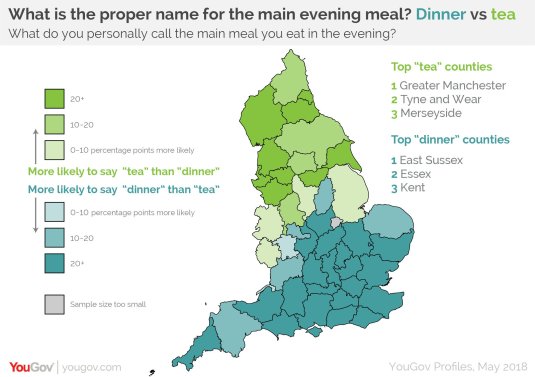
When I was growing up, dinner was tea, lunch was dinner
23 May 2018 Leave a comment
in economics of media and culture
Once upon a time, the Left was liberal, about breaking free
22 May 2018 Leave a comment
in economics of media and culture, economics of religion, liberalism, Public Choice Tags: free speech, regressive left
Spot on
20 May 2018 Leave a comment
in economics of media and culture Tags: implicit bias, philosophy of science, political correctness
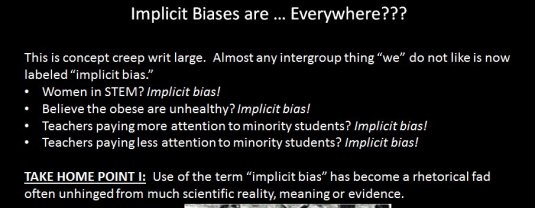
But @SeanPlunket was hounded for saying a lot less than this about a migrant
19 May 2018 Leave a comment
in economics of media and culture, politics - New Zealand Tags: political correctness

Research grant to confirm that political hotheads enjoy themselves
19 May 2018 Leave a comment
in economics of information, economics of media and culture, politics - USA, Public Choice, rentseeking Tags: voter demographics

Charles Murray: The Elites Cannot Empathize with the Working Class
15 May 2018 Leave a comment
in economics of education, economics of media and culture, politics - USA Tags: Charles Murray
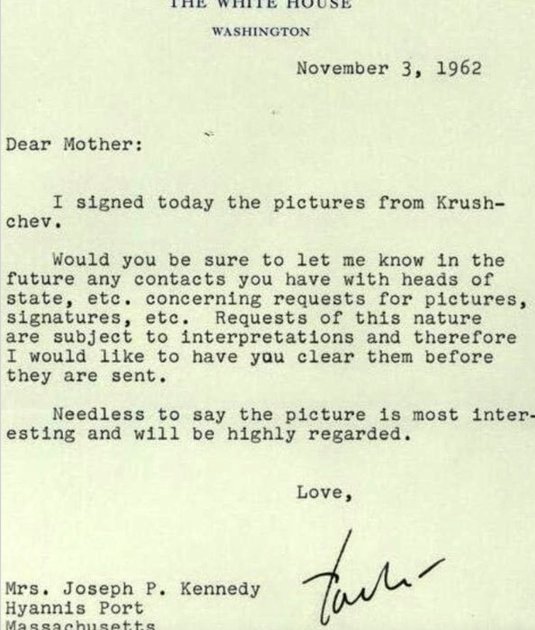
No one ever fully escapes home, not even JFK
13 May 2018 Leave a comment
in economics of media and culture
Sunrise from the International space Station
13 May 2018 Leave a comment
in economics of media and culture
The Greatest Queen Sacrifice in Chess History
11 May 2018 Leave a comment
in economics of media and culture Tags: chess
 Utopia, you are standing in it!
Recent Comments