David Friedman – Hidden Order (Booknotes on C-SPAN)
09 Mar 2019 Leave a comment
in applied price theory, comparative institutional analysis, David Friedman, economics of crime, economics of regulation, history of economic thought, law and economics, property rights
Seed improvement explained
07 Mar 2019 Leave a comment
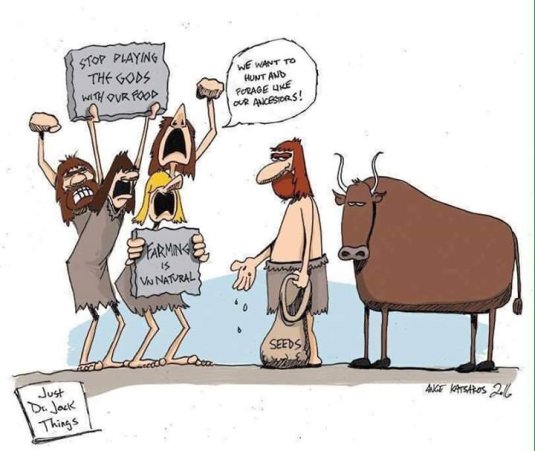
in economics of regulation, health economics Tags: anti-GMOs movement, antiscience left
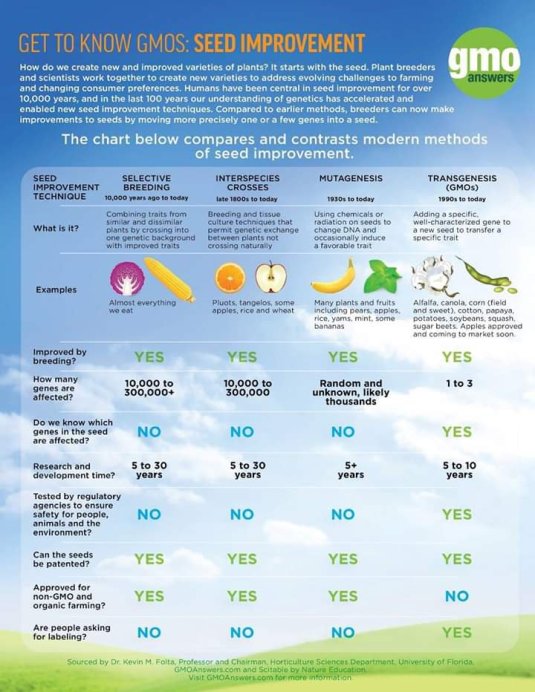
The approach of @Greenpeace, @NZGreens and @oxfamnz to science and progress has deep roots
07 Mar 2019 Leave a comment
in development economics, economics of regulation, health economics Tags: antiscience left, The Great Enrichment
Ronald Coase on JS Mill’s false doctrine of natural monopoly
07 Mar 2019 Leave a comment
in applied price theory, comparative institutional analysis, economic history, economics of regulation, entrepreneurship, industrial organisation, law and economics, property rights, Public Choice, rentseeking, Ronald Coase, survivor principle Tags: natural monopoly, regulatory capture, special interest groups

The Coase Theorem
04 Mar 2019 Leave a comment
in applied price theory, applied welfare economics, comparative institutional analysis, economics of regulation, environmental economics, history of economic thought, industrial organisation, law and economics, property rights, Ronald Coase Tags: Coase theorem
Ronald Coase speaking about George Stigler’s Coase Theorem
03 Mar 2019 Leave a comment
in applied price theory, comparative institutional analysis, economics of regulation, environmental economics, history of economic thought, law and economics, public economics, Ronald Coase, Ronald Coase Tags: Coase theorem
Economically Speaking: Government Regulation (B1208) – George Stigler
03 Mar 2019 Leave a comment
in applied price theory, comparative institutional analysis, economics of regulation, George Stigler
What Happens If You Use Your Feces as Fertilizer?
03 Mar 2019 Leave a comment
in economics of regulation, environmental economics, health economics Tags: recycling
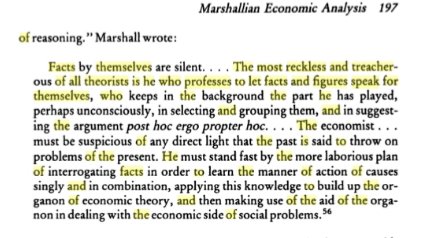
Marshall on evidenced based policy
27 Feb 2019 Leave a comment
in Alfred Marshall, applied price theory, applied welfare economics, economics of regulation, history of economic thought, Public Choice, public economics Tags: methodology of economics
Why are GMOs Bad? @SciShow
25 Feb 2019 Leave a comment
in development economics, economics of education, economics of information, economics of regulation, environmental economics, fisheries economics, health economics, law and economics, politics - Australia, politics - New Zealand, politics - USA, property rights, Public Choice, rentseeking Tags: anti-GMO movement, Anti-Science left, pessimism bias
Facts and Fallacies with Thomas Sowell
23 Feb 2019 Leave a comment
in applied price theory, economics of education, economics of information, economics of regulation, labour economics, law and economics, macroeconomics Tags: rent control
California’s continued marijuana black market
20 Feb 2019 Leave a comment
in applied price theory, economics of crime, economics of regulation, health economics, law and economics, politics - USA Tags: black markets, marijuana decriminalisation, unintended consequences
Is 1 chance in 12 of developing a new drug succcesfully to the market high or low as a entrepreneurial venture?
17 Feb 2019 Leave a comment
in applied price theory, economics of regulation, entrepreneurship, financial economics, industrial organisation, politics - USA, survivor principle Tags: drug lags

Thomas Sowell on the second edition of Intellectuals and Society
17 Feb 2019 Leave a comment
in applied price theory, discrimination, economics of information, economics of media and culture, economics of regulation, history of economic thought, labour economics, law and economics, politics - USA, property rights, Public Choice, Thomas Sowell


Recent Comments