Video of Dr David Deming’s statement to the U.S. Senate Committee on Environment & Public Works on December 6, 2006. Dr Deming reveals that in 1995 a leading scientist emailed him saying “We have to get rid of the Medieval Warm Period”. A few years later, Michael Mann and the IPCC did just that by…
Throwback Sunday: “We have to get rid of the Medieval Warm Period!”
Throwback Sunday: “We have to get rid of the Medieval Warm Period!”
31 Aug 2026 1 Comment
in economics of climate change, energy economics, environmental economics, environmentalism, global warming Tags: climate activists, climate alarmism
Elon Musk did well for a penniless immigrant
31 Aug 2026 Leave a comment
in economics of education, energy economics, human capital, labour supply, poverty and inequality

The Future of Climate Science with Roger Pielke, Jr.
26 Aug 2026 Leave a comment
in economics of climate change, economics of education, economics of natural disasters, energy economics, environmental economics, environmentalism, global warming Tags: climate alarmism
This week we cover unemployment data, stadium subsidies, and how Americans feel about the U.S. economy right now. Our interview is with climate scientist and American Enterprise Institute senior fellow Roger Pielke, Jr. We talk about climate science, academic politics, fossil fuels vs. renewables, and the future of energy policy. The post The Future of…
The Future of Climate Science with Roger Pielke, Jr.
The International Court of Justice Climate Liability Ruling Sets a Worrying Precedent for Pandemics and Public Health
19 Aug 2026 1 Comment
in economics of climate change, economics of regulation, energy economics, environmental economics, environmentalism, global warming, law and economics, property rights, regulation, resource economics
In many countries the Covid response mimicked the climate change playbook. The catastrophism of both agendas was based on models. Claims of scientific authority and existential crisis escalated the agendas into moral crusades and people were asked to bear sacrifices for the good of the collective humanity and the planet. The post The International Court…
The International Court of Justice Climate Liability Ruling Sets a Worrying Precedent for Pandemics and Public Health
Millions of households could face threat of emergency blackouts
14 Aug 2026 Leave a comment
in economics of climate change, energy economics, environmental economics, environmentalism, global warming Tags: British politics, climate alarmism, solar power, wind power

By Paul Homewood h/t Ian Cunningham We are rapidly turning into a third world country where our electricity grid is concerned: From the Telegraph: Emergency power cuts could be imposed on millions of households at short notice to avoid nationwide blackouts, under new rules introduced by grid bosses.
Millions of households could face threat of emergency blackouts
Utopian Dreams of Net-Zero
12 Aug 2026 1 Comment
in economics of climate change, economics of regulation, energy economics, environmentalism Tags: climate activists, climate alarmism, solar power, wind power
Whether one believes in the CO2 hypothesis or not, more fossils are existential. Both to ensure progress and growth, and to cope with climate change, manmade or not. The post Utopian Dreams of Net-Zero appeared first on Watts Up With That?.
Utopian Dreams of Net-Zero
Britain told to rethink net zero strategy as costs soar
05 Aug 2026 1 Comment
in economics of climate change, economics of regulation, energy economics, environmental economics, environmentalism, global warming Tags: British politics, climate alarmism, solar power, wind power

By Paul Homewood Of course, it is not a rethink required – the whole needs scrapping now. A new report has warned the United Kingdom is set to face a £40 billion annual bill by the end of the decade as its drive towards net zero energy continues. In a new study The […]
Britain told to rethink net zero strategy as costs soar
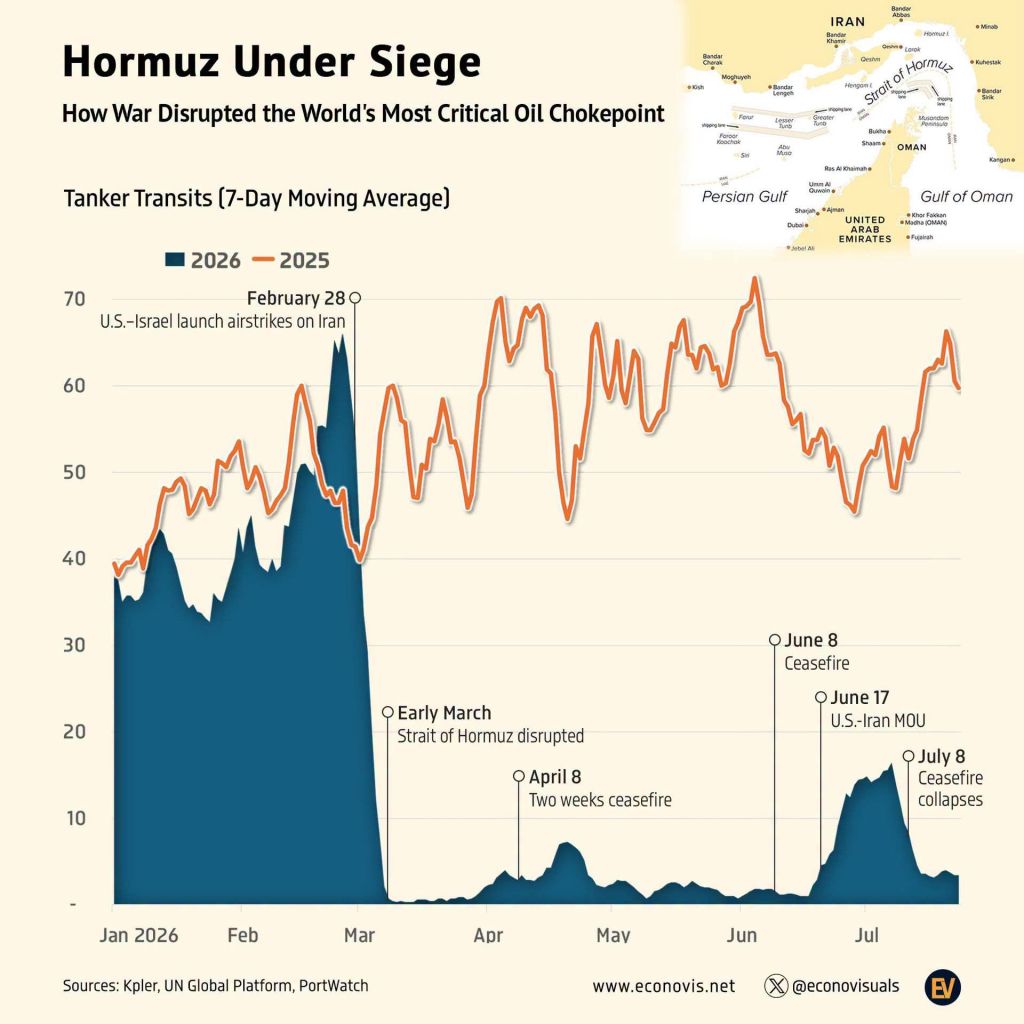
The Cost of War
04 Aug 2026 Leave a comment
in defence economics, energy economics, politics - USA, war and peace Tags: Iran
Germany’s Industrial Suicide… Grid Agency Prepares Secret Power Rationing Plans Amid Electric Power Bottlenecks
04 Aug 2026 1 Comment
in economics of climate change, economics of regulation, energy economics, environmental economics, environmentalism, global warming Tags: Germany
The threat of sudden, uncompensated power shutdowns creates immense operational uncertainty. This environment deters foreign investors and pressures domestic industrial companies to shift investment and production abroad. Forced curtailments would primary hit energy-intensive key industries, including aluminum, copper, steel, chemical, glass, and paper manufacturing. The post Germany’s Industrial Suicide… Grid Agency Prepares Secret Power Rationing…
Germany’s Industrial Suicide… Grid Agency Prepares Secret Power Rationing Plans Amid Electric Power Bottlenecks
Farmers can’t avoid high synthetic nitrogen fertiliser prices by switching to organic fertiliser
04 Aug 2026 Leave a comment
in applied price theory, energy economics, industrial organisation
The New Zealand Herald reported yesterday:New Zealand farmers face hefty increases in the price of fertiliser this spring as a result of the escalating US-Iran conflict and the war in Ukraine.The Middle East plays a big role in the global fertiliser market because of its supply of natural gas and mineral resources.Russia is also a…
Farmers can’t avoid high synthetic nitrogen fertiliser prices by switching to organic fertiliser
Seconds from disaster, Britain was forced to beg France for more power
03 Aug 2026 1 Comment

By Paul Homewood It was much worse than we thought! From the Telegraph: Experts say the events of June 23 prove the UK’s energy network is dangerously exposed As they sat down to watch England’s World Cup showdown with Ghana, millions of football fans were oblivious to the crisis unfolding on Britain’s […]
Seconds from disaster, Britain was forced to beg France for more power
New UK PM Andy Burnham Has Supported a 90% Cut in Hydrocarbon Use Within 10 Years
31 Jul 2026 1 Comment
in economics of climate change, economics of regulation, energy economics, environmental economics, environmentalism, global warming Tags: British politics
As Manchester Mayor, Andy Burnham wanted to slash hydrocarbon use by 90% in 10 years. Now the new Energy Minister is making similar noises. Chris Morrison wonders if destroying modern society is still the plan. The post New UK PM Andy Burnham Has Supported a 90% Cut in Hydrocarbon Use Within 10 Years appeared first…
New UK PM Andy Burnham Has Supported a 90% Cut in Hydrocarbon Use Within 10 Years
Trump is Right to Take On the Climate Litigation Complex
29 Jul 2026 1 Comment
in applied welfare economics, development economics, economics of bureaucracy, economics of climate change, economics of education, energy economics, environmental economics, environmentalism, global warming, politics - USA, Public Choice, rentseeking Tags: climate alarmism
Whatever one makes of President Trump’s chosen words, the underlying demand – that a body claiming the authority of disinterested science should actually be disinterested – is one any serious defender of scientific integrity ought to be able to endorse. Surely the most litigated-against President in US history is right in ensuring that judges overseeing…
Trump is Right to Take On the Climate Litigation Complex
Is Britain’s New Energy Secretary Even Crazier than Mad Ed?
27 Jul 2026 1 Comment
in economics of climate change, economics of regulation, energy economics, environmental economics, environmentalism, global warming, Marxist economics Tags: British politics
Energy secretary Miatta Fahnbulleh wants full Net Zero by 2030. The post Is Britain’s New Energy Secretary Even Crazier than Mad Ed? appeared first on Watts Up With That?.
Is Britain’s New Energy Secretary Even Crazier than Mad Ed?
NZ First and the oil and gas ban
26 Jul 2026 Leave a comment
in economics of regulation, energy economics, politics - New Zealand
Audrey Young writes: The ban was not in the NZF coalition agreement with Labour. They could have simply refused to back it, and there would not have been the votes for it. But they decided to back it. That is a fact. The post NZ First and the oil and gas ban first appeared on…
NZ First and the oil and gas ban


Recent Comments