


Janet Parker – Last of 300 Million to Die From Smallpox in the 20th century in 1978
02 Sep 2014 Leave a comment
in health economics Tags: medical wonders, vaccinations

She was accidently infected in a lab nearly 10 years after id general eradication
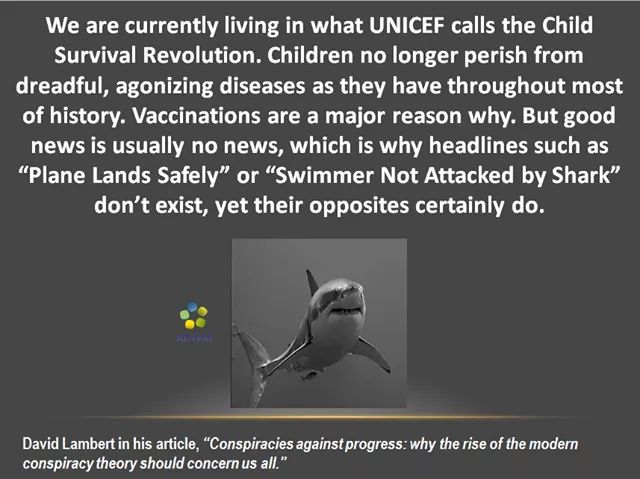
Anti-science Left alert: NZ Green Party condones the antifluoridation movement and can’t make up its mind on vaccinations
29 Aug 2014 Leave a comment
in health economics, politics - New Zealand Tags: anti-fluoridation movement, Anti-Science left, anti-vaccination movement, cranks, fluoridation, Green Party of New Zealand, Quacks, The Age of Enlightenment, The Age of Reason, The Great Escape, vaccinations

It’s one thing to condone parents not vaccinating their children on religious grounds or who are just plain nutters who should be allowed to flourish in all their dottiness in a free society.
The presumption that parents know the best interests of their children requires very strong evidence before it is overturned. Of course, you do not have too tolerate their unvaccinated children coming to school.
It is another thing for the Green Party of New Zealand to see both sides of the fluoridation argument:
C. Fluoridation of Community Water Supplies
The issue of fluoridating community water supplies requires a difficult balance between the public health effects and the rights of individuals to opt out altogether or avoid excessive intake. The Party membership has indicated that when considering fluoridation proposals, the Green Party caucus shall:
- Have particular regard to the public health benefits of fluoridated community water supplies.
- Have particular regard to the potential public health risks of excessive fluoride consumption via community water supplies.
- Have regard for the ability of individuals to opt out.
The Green Party will:
- Support the use of ‘opt-out’ options by local authorities for residents living in areas with fluoridated public water supplies, where shown to be feasible.
- Commission an independent study on the impacts of fluoridation to public health.
- Support education initiatives to advise caregivers of the potential for babies to develop dental fluorosis when mixing formula with fluoridated water
This is the same party is more than happy to accuse sceptics of being a denier on global warming and a lackey of the multinational corporations on GMOs. You cannot, on the one hand, accuse others of denying a scientific consensus and then indulge cranks and quacks.
This is the same nanny state party that wants to tax and regulate drinking fatty foods and sugary drinks in its diabetes action plan:
- Ensure evidence-based healthy eating and activity programmes are available and promoted to all New Zealanders.
- Introduce mandatory ‘traffic light’ style labelling of fat and sugar content on all food and drinks, including a version for restaurant, café and takeaway foods.
- Instatement of a ‘living wage’ to ensure that healthy foods and drinks are within the reach of all New Zealanders.
- Severe restriction on the advertising of unhealthy foods and drinks, and on sponsorship by the companies that produce them.
- Tax sugary drinks to make them more expensive and drive down consumption. Revenue generated from this tax to be made available to fund other programmes.
- Investigation of taxes and other disincentive measures for other foods and drinks with high sugar or fat content.
I am diabetic, but I am not so arrogant as to expect all of society to be reorganised to my advantage because I occasionally lapse from my diet. When I was diagnosed as diabetic, I lost 15 kilos.
Note carefully that on the issue of healthy eating in their diabetes action plan, the Greens are very strong on education as well as taxation and regulation. The Greens are not keen on correcting misconceptions about the evidence base behind fluoridation. No nanny state here.

For a Party that is all for the nanny state and fatty foods and sugary drinks and is happy to have a nanny state discussion on that, fluoridation is a bridge too far. Obviously the word fluoridation denier is not in the Green vocabulary.

Now let’s turn to the issue of vaccination and the Green Party of New Zealand. One thing to have rotten teeth; it’s another thing to have dead children because of your inability to face the facts of the vaccinations and preventable diseases.
Green Party policy is to sit on the fence on settled science because everyone in their party is yet to accept the settled science:
Our official position is influenced by the fact that we do not have a firm policy on it as we don’t have consensus from our members.
No steps to ensure evidence-based vaccination programs are made available and promoted to new all New Zealanders, such as with fatty foods and sugary drinks. No traffic like system to warn that unvaccinated children coming to school will stop no investigation of taxes and other disincentives measures regarding unvaccinated children. The safety Nazis in the Greens have become high school libertarians at their worst on fluoridation and vaccinations.
Tolerating eccentrics doesn’t mean you have to step back from telling these eccentrics and nutters that they are eccentrics and nutters, and attempting to persuade them that they are wrong.

A party that says it speaks truth to power is not too keen on speaking the truth to nutters and eccentrics. Even worse, the Green Party indulges their dangerous ignorance. The case is different for their action plan on diabetes:
Substantially increase funding for health promotion approaches in those communities most at risk to prevent or minimise obesity-related diseases, including diabetes.
One Green MP in a public speech in 2004 said she was absolutely convinced that her child became ill because of his triple MMR vaccine at 15 months, and refused all further vaccinations:
My own interest in vaccination began when I gave birth to my son 14 years ago. Whether or not to vaccinate our children was a hot topic at our regular mother’s group meetings, but eventually I had my son vaccinated.
Shortly after receiving his triple MMR vaccine at 15 months, he developed a horrendous incident of croup — to the point where he was taken to the emergency department. He subsequently developed a weakness in the chest which led to childhood asthma, which fortunately, through my various remedies, he has managed to shake off.
At the time I said to my doctor, I am certain the croup was triggered by the vaccination, but the doctor dismissed my suggestion as ludicrous, and certainly never forwarded it as an adverse reaction to the Centre for Adverse Reactions, which records significant adverse reactions to vaccination. I was convinced it was, however, and my son has never received another vaccination since.
Her speech also spoke of the link between vaccinations and autism. Even if that was true about the adverse reactions for that particular child of the Green party MP, the relatively rare adverse reactions to vaccinations are part of the risks and rewards trade-off.
That small risk is no reason to bring back measles, mumps and rubella for every child in New Zealand. The Green party is not only anti-science, it is pro-disease.
It is bizarre that vaccination programs that are eliminated terrible diseases are not supported by the Green Party of New Zealand – a party very ready to accuse its opponents have been anti-science and deniers.
There is a difference between the classical liberal argument that people have the right to be wrong and make mistaken choices for themselves and the merits of those choices.
The classical liberal will happily defend your right to be wrong and foolish while at the same time calling you out as a crank and a quack and telling that to your face until he is blue in the face telling you that you were a crank.
There are also third external effects or externality issues: most vaccinations are against contagious diseases where the previous response was quarantining the sick until they stopped being contagious.
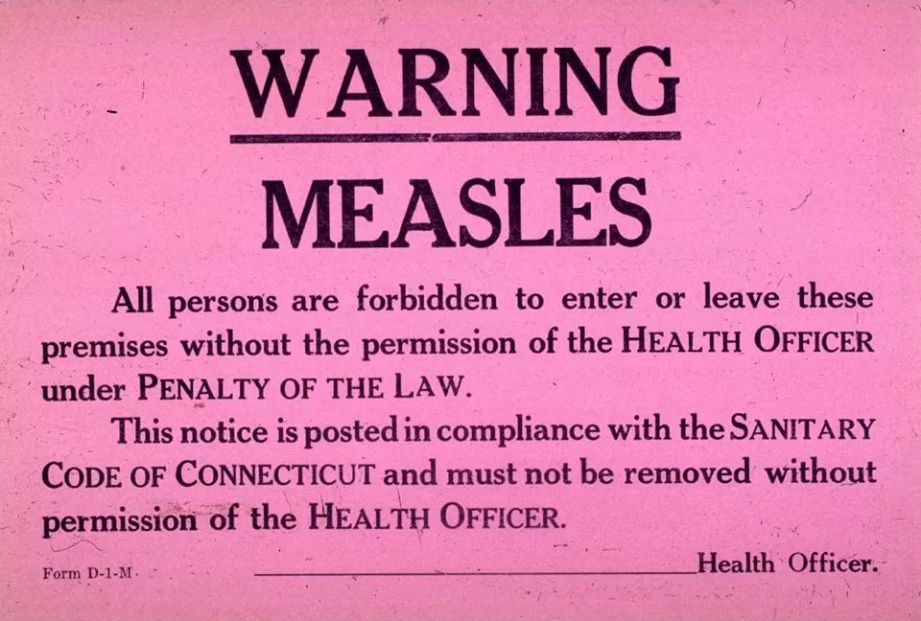
The Age of Enlightenment is also the Age of Reason. It is time for the Green Party of New Zealand to join both.


Food snobs alert: organic food discriminates against diabetics
27 Aug 2014 Leave a comment
in health economics, liberalism Tags: diabetes, food snobs, killer green technologies, organic cola, organic food

I arrived at an isolated Auckland cafe on Monday, thirsty as can be, and discovered much to my horror that it only sold organic food. This meant no Diet Coke, no Coke Zero, to quench my thirst quickly.
There was was only a light organic cola that was 40% less sugar. For diabetics such as me that is 60% too much sugar.
To add fuel the fire, the common symptom of diabetes, you can be thirsty all the time.
Organic food is not healthy if is unhealthy for people with chronic illnesses to eat or drink it for most basic functions of life such as quenching your thirst.
With diabetes, it is not wise to drink sweet things on a one-off basis such as this because you might remember how nice they are to drinking and lose discipline in your diet.
Out of 4.3 million New Zealanders, about 210, 000 people are affected with diabetes.
What is your evidence?
15 Aug 2014 Leave a comment
in applied price theory, environmental economics, health economics Tags: methodology of economics


Killer green technologies alert: safety records of the nuclear and wind industries
10 Aug 2014 Leave a comment
in applied welfare economics, climate change, economics of climate change, economics of regulation, environmental economics, global warming, health economics Tags: killer green technologies; wind power
Nuclear fatalities in the last ten years: 7
Wind farm fatalities in the last ten years: 44.

Concerned about Ebola? You’re worrying about the wrong disease
07 Aug 2014 Leave a comment
in health economics Tags: Ebola
Since the Ebola outbreak began in February, around 300,000 people have died from malaria, while tuberculosis has likely claimed over 600,000 lives.
Ebola might have our attention, but it’s not even close to being the biggest problem in Africa right now.
Even Lassa fever, which shares many of the terrifying symptoms of Ebola (including bleeding from the eyelids), kills many more than Ebola – and frequently finds its way to the US.
 Utopia, you are standing in it!
Recent Comments