That is the topic of my latest Free Press column. Here is one excerpt: The present and also future of mankind is a world where reasonably high levels of self-discipline are needed to do well. The journalist Daniel Akst pointed this out in his 2011 book Temptation: Finding Self-Control in an Age of Excess, and we…
Should we recriminalize marijuana?
Should we recriminalize marijuana?
04 Jun 2026 1 Comment
in applied price theory, economics of regulation, health economics Tags: economics of prohibition
Supply is elastic, installment #1637
31 May 2026 Leave a comment
in applied price theory, economics of crime, economics of regulation, health economics, law and economics, transport economics
With deadly precision, the Trump administration has launched dozens of attacks on small boats in the waters off South America, killing nearly 200 people in a campaign U.S. officials say is meant to curb the flow of illicit drugs to the United States. But almost nine months into the operation, epidemiologists, addiction scientists and public…
Supply is elastic, installment #1637
Bigger than Ben Hur
16 May 2026 1 Comment
in Austrian economics, economics of regulation, health economics, industrial organisation, politics - Australia, politics - New Zealand Tags: black markets, economics of smoking
Radio NZ reports: Deakin University associate criminology professor Dr James Martin told RNZ the Australian approach had relied on enforcement to suppress the black market. “This has been really ineffective,” he said. “We’ve got between 50-60 percent of all tobacco and nearly all vaping products in Australia now come from criminal suppliers, and it’s generated…
Bigger than Ben Hur
Grow the Pie, Skip the Sermon
08 May 2026 Leave a comment
in Adam Smith, applied price theory, comparative institutional analysis, economic history, health economics, history of economic thought, liberalism, Marxist economics

In a recent Substack essay, “The progress movement needs a better theory of progress,” Brink Lindsey argues that the progress movement has settled for too thin a vision. It focuses on wealth creation and technological advance, he says, when it should adopt a “fuller conception of progress”—one that promotes “spiritual welfare” and thicker accounts of…
Grow the Pie, Skip the Sermon
The supply-side story behind falling meth prices in New Zealand
08 May 2026 Leave a comment
in applied price theory, economics of crime, health economics, law and economics
Chris Wilkins, Marta Rychert, and Robin van der Sanden (all Massey University) wrote an article in The Conversation last month about the price of methamphetamine:Methamphetamine has become dramatically cheaper over the past seven years, even as authorities report record seizures, according to the latest New Zealand Drug Trends Survey.The annual online survey of over 8,800…
The supply-side story behind falling meth prices in New Zealand
The Tragic Hysteria of Abortion
06 May 2026 Leave a comment
in discrimination, economics of crime, gender, health economics, law and economics Tags: abortion law reform
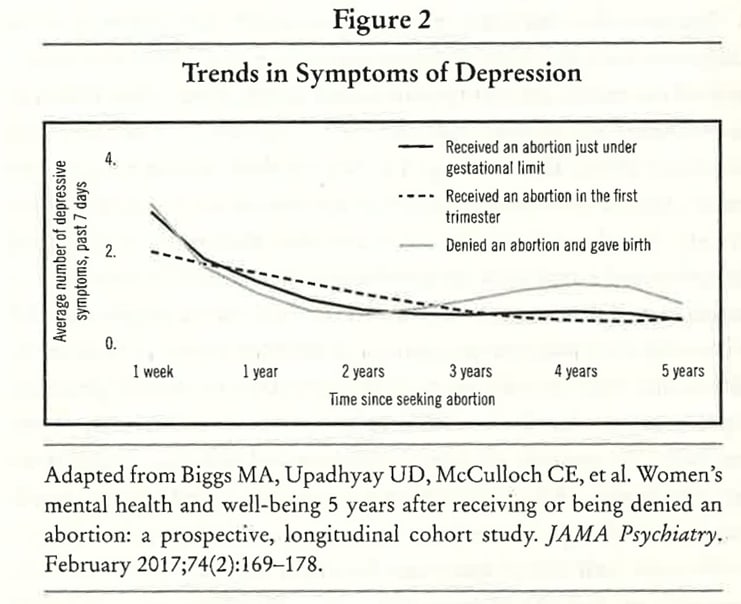
The radical pro-life position — “Abortion is as immoral as murdering a baby” — is easily refuted with a simple thought experiment. Namely: If you could either save one human baby from a fire, or a dozen human embryos, what are you morally obliged to do? 2,263 more words
The Tragic Hysteria of Abortion
Forthcoming – Cuban Infant Mortality and Longevity: Health Care or Repression?
05 May 2026 Leave a comment
in economic history, economics of regulation, health economics, Marxist economics, transport economics Tags: Cuba, life expectancies
I have received news that a short article submitted to Health Policy & Planning has been accepted for publication. In the article, I argue that the statistics regarding Cuba’s health care are distorted by the incentives generated by the target system under which physicians must operate (at the threat of penalties). To meet their targets, they re-categorize […]
Forthcoming – Cuban Infant Mortality and Longevity: Health Care or Repression?
Medsafe Delenda Est
01 May 2026 Leave a comment
in economics of regulation, health economics, politics - New Zealand Tags: drug lags
Excellent news out of the UK. Abrysvo, a vaccine for RSV administered to pregnant women, reduces infant hospitalisation by 80%. From the BBC:A vaccine during pregnancy which protects newborns against nasty chest infections is cutting hospital admissions of babies by more than 80%, UK health officials say.A virus, called RSV, affects many babies in the first…
Medsafe Delenda Est
This may come as no surprise
30 Apr 2026 Leave a comment
in applied price theory, economics of regulation, health economics, politics - New Zealand Tags: black markets
RNZ reports:An RNZ investigation into the tobacco blackmarket found packs of cigarettes and loose tobacco being sold brazenly over the counter at heavily discounted prices.By law, cigarettes have to include pictures and health warnings covering at least 75-percent of the front of the packs. But the cigarettes being sold on the blackmarket are a throw…
This may come as no surprise
Pandemics
30 Apr 2026 Leave a comment
in economic history, health economics Tags: economics of pandemics
A discussion about Anti-Capitalism and “Public Health”
15 Apr 2026 Leave a comment
in applied price theory, comparative institutional analysis, economics of regulation, health economics, liberalism, Marxist economics Tags: nanny state, regressive left
I spoke to my friends at the Sloavkian think tank INESS (the Institute of Economic and Social Studies) recently. We talked about my 2025 paper Anti-Capitalism and Public Health and you can watch the video below.
A discussion about Anti-Capitalism and “Public Health”
The economic value of eliminating cancer
14 Apr 2026 Leave a comment
in applied price theory, applied welfare economics, econometerics, economic history, health economics Tags: life expectancies
This paper estimates the economic value to the United States of eliminating cancer mortality over a 35-year horizon beginning in 2030, which would eliminate 30.7 million cancer deaths with a total mortality burden of 380 million life-years. We quantify the economic value of this substantial reduction in cancer mortality by incorporating the monetized value of…
The economic value of eliminating cancer
Doctors Without Borders again accused of antisemitism
14 Apr 2026 Leave a comment
in defence economics, health economics, International law, laws of war, war and peace Tags: Gaza Strip, Israel, Middle-East politics, regressive left

For a long time the otherwise admirable organization Doctors Without Borders (also known as “MSF” for its French name Médecins Sans Frontières) has been accused of antisemitism. The accusations have been credible enough to make me curb my donations to the group. I still regret having donated over $10,000 to the organization after Kelly Houle…
Doctors Without Borders again accused of antisemitism
That time we gave Cocaine to our kids for a sore throat and toothaches.
12 Apr 2026 Leave a comment
in economic history, economics of regulation, health economics

How things have changed. Nowadays we wouldn’t dream of giving our children cocaine to treat sore throats or toothaches, Firstly because we know how devastating cocaine is and secondly we would be arrested, But in days of yore it was perfectly acceptable to give you offspring and indeed yourself a ‘healthy’ dose of cocaine.
That time we gave Cocaine to our kids for a sore throat and toothaches.


Recent Comments