Jordan Peterson: The fatal flaw in leftist American politics | Big Think
12 Sep 2020 Leave a comment
in comparative institutional analysis, constitutional political economy, development economics, economic history, economics of education, entrepreneurship, history of economic thought, human capital, income redistribution, industrial organisation, labour economics, liberalism, libertarianism, Marxist economics, poverty and inequality, Public Choice, public economics, Rawls and Nozick Tags: anti-market bias, envy, pessimism bias, regressive left, top 1%

3rd. Global Conference Business Cycles – Edward C Prescott
10 Sep 2020 Leave a comment
in applied price theory, applied welfare economics, budget deficits, business cycles, comparative institutional analysis, development economics, economic growth, economic history, economics of regulation, Edward Prescott, entrepreneurship, Euro crisis, financial economics, fiscal policy, global financial crisis (GFC), great depression, great recession, growth disasters, growth miracles, history of economic thought, industrial organisation, international economics, labour economics, labour supply, macroeconomics, monetarism, monetary economics, public economics, unemployment Tags: real business cycles
The Highland Clearances: Explained
09 Sep 2020 Leave a comment
in economic history, economics of crime, industrial organisation, labour economics, labour supply, law and economics, poverty and inequality, property rights Tags: British history, Scotland
Did @NZComCom freet about Netscape’s natural monopoly?
08 Sep 2020 Leave a comment
in economics of bureaucracy, entrepreneurship, industrial organisation, law and economics, politics - New Zealand, politics - USA, Public Choice, survivor principle Tags: competition law, creative destruction
The Allocation of Talent and U.S. Economic Growth
05 Sep 2020 Leave a comment
in discrimination, economic growth, economics of education, gender, geography, human capital, industrial organisation, labour economics, labour supply, macroeconomics, occupational choice, occupational regulation, politics - USA, poverty and inequality, transport economics, urban economics Tags: creative destruction, racial discrimination, sex discrimination
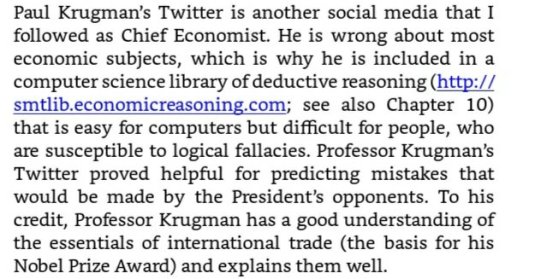
@caseybmulligan on @paulkrugman’s unwitting usefulness
05 Sep 2020 Leave a comment
in applied price theory, history of economic thought, industrial organisation, international economics, macroeconomics, politics - USA, Public Choice Tags: useful idiots
INCU Global Conference 2014 – Thomas J. Sargent – Keynote Address on the effects of opening borders
02 Sep 2020 Leave a comment
in applied price theory, applied welfare economics, budget deficits, business cycles, comparative institutional analysis, constitutional political economy, currency unions, econometerics, economic history, economics of bureaucracy, economics of regulation, entrepreneurship, financial economics, fiscal policy, growth disasters, growth miracles, history of economic thought, human capital, income redistribution, industrial organisation, international economic law, international economics, International law, labour economics, labour supply, law and economics, macroeconomics, politics - Australia, politics - New Zealand, politics - USA, poverty and inequality, property rights, Public Choice, rentseeking, survivor principle, transport economics, unemployment Tags: custom unions, free trade, tariffs
Hazeldine and Rashbrooke on the Kiwi working rich
31 Aug 2020 Leave a comment
in economic history, economics of education, entrepreneurship, human capital, income redistribution, industrial organisation, labour economics, labour supply, Marxist economics, occupational choice, politics - New Zealand, poverty and inequality, Public Choice, survivor principle Tags: envy, regressive left, superstars, top 1%

Exploring Liberty, Part 4: Simple Rules for a Complex World
30 Aug 2020 Leave a comment
in comparative institutional analysis, constitutional political economy, economic history, economics of regulation, environmental economics, history of economic thought, industrial organisation, labour economics, law and economics, Public Choice, public economics, Richard Epstein Tags: rule of law
Demonetization: When 86% of India’s Currency Disappeared (Gabriel Chodorow-Reich, Harvard)
28 Aug 2020 Leave a comment
in business cycles, development economics, econometerics, economic growth, economic history, economics of bureaucracy, economics of crime, entrepreneurship, Euro crisis, financial economics, global financial crisis (GFC), growth disasters, growth miracles, history of economic thought, industrial organisation, labour economics, labour supply, law and economics, macroeconomics, monetarism, monetary economics, property rights, Public Choice, public economics, rentseeking Tags: bribery and corruption, currency unions, Euro, monetary policy
#COVID19 reallocation shock #OTD
28 Aug 2020 Leave a comment
in health economics, industrial organisation, macroeconomics, politics - New Zealand, survivor principle Tags: economics of pandemics

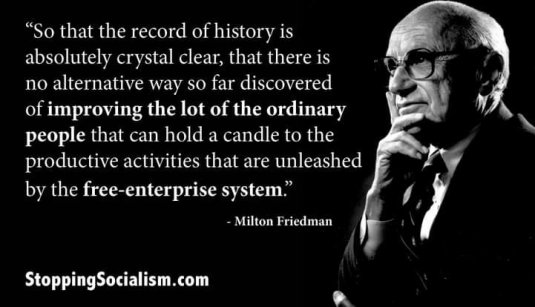
The Great Fact @BernieSanders @AOC @Greens @NZGreens
26 Aug 2020 Leave a comment
in comparative institutional analysis, constitutional political economy, development economics, economic history, growth disasters, growth miracles, income redistribution, industrial organisation, law and economics, Marxist economics, Milton Friedman, politics - Australia, politics - New Zealand, politics - USA, property rights, Public Choice, public economics Tags: anti-market bias, pessimism bias, regressive left, The Great Enrichment, The Great Escape, useful idiots
“The Recession of 2007 to ?” by Robert E. Lucas – Friedman Forum Lecture 2012
26 Aug 2020 Leave a comment
in budget deficits, business cycles, development economics, econometerics, economic growth, economic history, entrepreneurship, Euro crisis, financial economics, fiscal policy, global financial crisis (GFC), great depression, great recession, industrial organisation, inflation targeting, job search and matching, labour economics, labour supply, macroeconomics, monetarism, monetary economics, Robert E. Lucas, unemployment Tags: monetary policy
Letter to @DomPost
24 Aug 2020 Leave a comment
in economics of bureaucracy, economics of education, entrepreneurship, financial economics, health and safety, health economics, human capital, industrial organisation, labour economics, labour supply, law and economics, managerial economics, occupational choice, organisational economics, personnel economics, poverty and inequality, property rights, Public Choice, survivor principle, unemployment, unions Tags: The fatal conceit


Recent Comments