David Friedman on Physics, Coase, Anarcho-Capitalism, and Cancel Culture
07 Feb 2021 Leave a comment
in applied price theory, applied welfare economics, Austrian economics, comparative institutional analysis, constitutional political economy, David Friedman, development economics, economic history, economics of bureaucracy, economics of education, entrepreneurship, growth disasters, growth miracles, history of economic thought, human capital, industrial organisation, international economics, labour economics, labour supply, law and economics, liberalism, libertarianism, Marxist economics, occupational choice, privatisation, property rights, Public Choice, survivor principle Tags: China
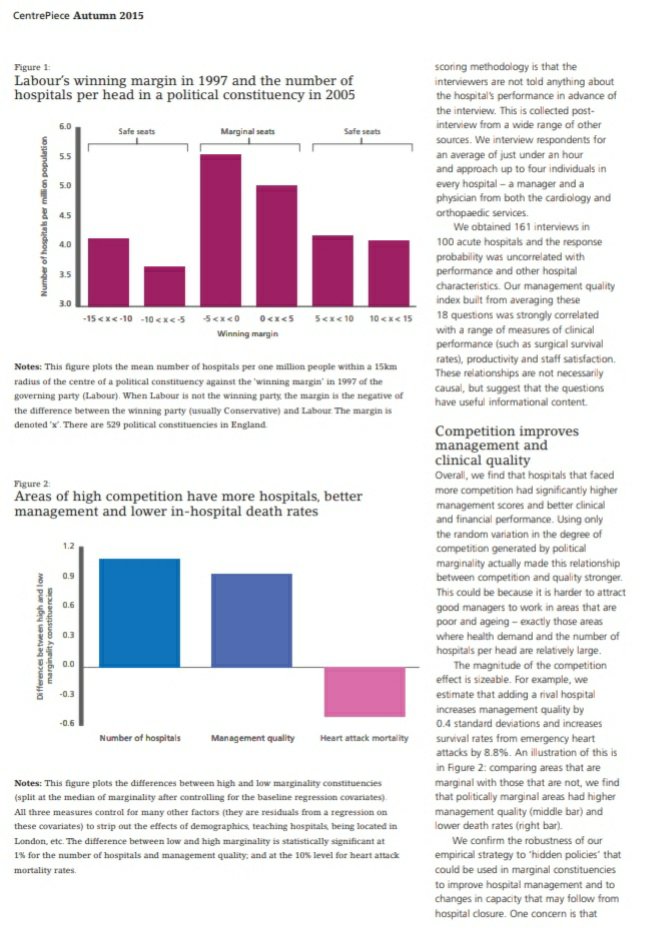
Patient choice saves lives
27 Jan 2021 Leave a comment
in applied price theory, comparative institutional analysis, economics of bureaucracy, health economics, industrial organisation, managerial economics, market efficiency, organisational economics, personnel economics, privatisation, property rights, Public Choice, survivor principle Tags: British politics, health insurance, NHS
.@BernieSanders @AOC @Greens @NZGreens
02 Oct 2020 Leave a comment
in business cycles, development economics, discrimination, economic growth, economic history, economics of bureaucracy, economics of crime, economics of education, Economics of international refugee law, economics of love and marriage, economics of regulation, economics of religion, energy economics, entrepreneurship, environmental economics, financial economics, fiscal policy, gender, global warming, growth disasters, growth miracles, health and safety, health economics, history of economic thought, human capital, income redistribution, industrial organisation, international economics, International law, job search and matching, labour economics, labour supply, law and economics, macroeconomics, Marxist economics, minimum wage, occupational choice, occupational regulation, politics - Australia, politics - New Zealand, politics - USA, poverty and inequality, privatisation, property rights, Public Choice, public economics, rentseeking, survivor principle, unemployment, unions, welfare reform Tags: Age of Enlightenment, moral psychology, offsetting behaviour, political psychology, regressive left, The fatal conceit, The Great Enrichment, unintended consequences, useful idiots
Economic Reform in New Zealand | Ruth Richardson
23 Sep 2020 Leave a comment
in applied price theory, applied welfare economics, comparative institutional analysis, constitutional political economy, economic growth, economic history, economics of bureaucracy, economics of education, economics of regulation, entrepreneurship, financial economics, history of economic thought, human capital, income redistribution, industrial organisation, international economics, labour economics, labour supply, law and economics, macroeconomics, Marxist economics, minimum wage, occupational choice, occupational regulation, politics - New Zealand, poverty and inequality, privatisation, property rights, Public Choice, public economics, rentseeking, survivor principle, unemployment, unions, welfare reform Tags: creative destruction, offsetting behaviour, The fatal conceit, unintended consequences
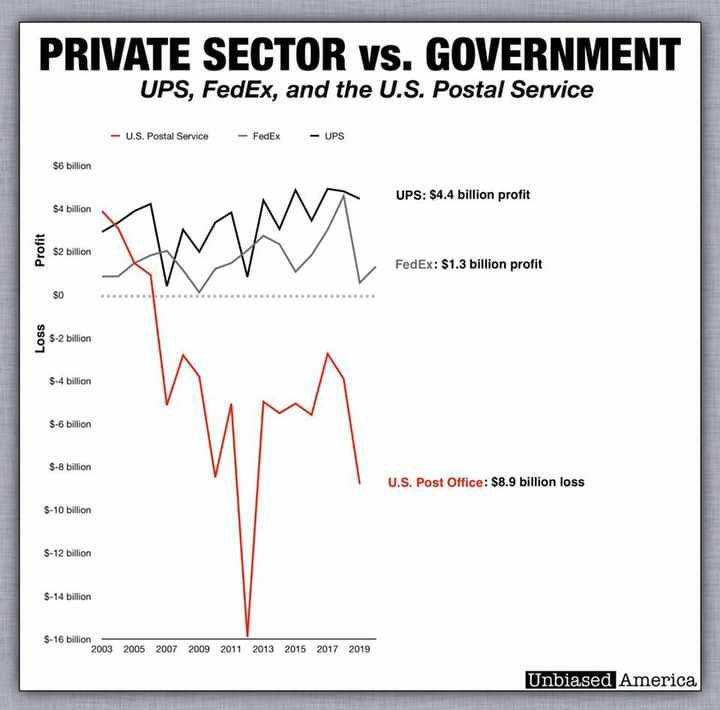
Spot the government owned business @AOC @BernieSanders
18 Aug 2020 Leave a comment
in applied price theory, economics of bureaucracy, entrepreneurship, industrial organisation, law and economics, managerial economics, market efficiency, Marxist economics, organisational economics, personnel economics, politics - USA, privatisation, property rights, Public Choice, survivor principle, transport economics Tags: offsetting behaviour, The fatal conceit, unintended consequences
Bryan Caplan on Marxism, Social Democracy and Democratic Socialism
12 Jul 2020 Leave a comment
in applied price theory, Austrian economics, comparative institutional analysis, constitutional political economy, development economics, economic history, economics of bureaucracy, entrepreneurship, history of economic thought, income redistribution, industrial organisation, labour economics, labour supply, law and economics, Marxist economics, poverty and inequality, privatisation, property rights, Public Choice, public economics, rentseeking, survivor principle
Can the Free Market End Global Poverty? Joseph Stiglitz vs. William Easterly
26 Apr 2020 Leave a comment
in Bill Easterly, comparative institutional analysis, constitutional political economy, development economics, economic history, economics of bureaucracy, economics of education, economics of regulation, growth disasters, growth miracles, history of economic thought, income redistribution, industrial organisation, labour economics, law and economics, P.T. Bauer, privatisation, property rights, Public Choice, public economics, rentseeking, survivor principle Tags: The Great Enrichment, The Great Escape
Is @BernieSanders right? Is there a difference between socialism and communism?
24 Apr 2020 Leave a comment
in applied price theory, applied welfare economics, Austrian economics, comparative institutional analysis, constitutional political economy, development economics, economic history, economics of bureaucracy, economics of regulation, growth disasters, income redistribution, industrial organisation, labour economics, labour supply, law and economics, liberalism, libertarianism, Marxist economics, privatisation, property rights, Public Choice, rentseeking, survivor principle Tags: economics of central planning, fall of communism, regressive left, The fatal conceit
Alfred Marshall on state ownership
17 Apr 2020 Leave a comment
in Alfred Marshall, applied price theory, comparative institutional analysis, economics of bureaucracy, history of economic thought, industrial organisation, law and economics, managerial economics, market efficiency, organisational economics, personnel economics, privatisation, property rights, Public Choice, public economics, survivor principle Tags: offsetting behaviour, state ownership, The fatal conceit, unintended consequences

Fred S. McChesney: Public vs. Private Enterprise
24 Feb 2020 Leave a comment
in applied price theory, economics of bureaucracy, economics of information, industrial organisation, law and economics, managerial economics, organisational economics, privatisation, property rights, Public Choice, survivor principle, theory of the firm
Debate: Abolish Banking Insurance?
18 Feb 2020 Leave a comment
in Austrian economics, business cycles, comparative institutional analysis, economic history, economics of information, economics of regulation, financial economics, industrial organisation, law and economics, macroeconomics, monetary economics, privatisation, survivor principle Tags: bank panics, bank runs, deposit insurance
Walter E. Williams: Government, The Market, and Minorities
16 Dec 2019 Leave a comment
in applied price theory, applied welfare economics, Austrian economics, comparative institutional analysis, constitutional political economy, discrimination, economic history, economics of education, entrepreneurship, health economics, human capital, industrial organisation, labour economics, labour supply, occupational choice, poverty and inequality, privatisation, survivor principle, unemployment, welfare reform Tags: racial discrimination
Margaret Thatcher’s economic legacy | The Economist
02 May 2019 Leave a comment
in budget deficits, business cycles, economic growth, economic history, economics of bureaucracy, economics of regulation, fiscal policy, global financial crisis (GFC), industrial organisation, labour economics, macroeconomics, monetary economics, privatisation, property rights, Public Choice, unemployment, unions Tags: British politics, Margaret Thatcher
 Utopia, you are standing in it!
Recent Comments