Kate Andrews | Feminism CAN Be Capitalist (4/6) | Oxford Union
08 Jun 2022 Leave a comment
in applied price theory, discrimination, economic history, economics of education, gender, health and safety, human capital, labour economics, labour supply, occupational choice, poverty and inequality Tags: gender wage gap
Economics Of Migration
31 May 2022 Leave a comment
in economic history, human capital, labour economics, labour supply Tags: economics of immigration
Kate Andrews debates the gender wage gap on Sky News
22 May 2022 Leave a comment
in applied price theory, discrimination, economics of education, economics of information, gender, health and safety, human capital, labour economics, labour supply, occupational choice, poverty and inequality Tags: gender wage gap, sex discrimination
Richard Epstein on The Unfulfilled Promise of the Anti Discrimination Laws
13 May 2022 Leave a comment
in comparative institutional analysis, constitutional political economy, discrimination, gender, human capital, labour economics, law and economics, liberalism, libertarianism, poverty and inequality, Richard Epstein Tags: racial discrimination, sex discrimination
Lee Ohanian on the Importance of Immigration
06 May 2022 Leave a comment
in development economics, discrimination, economic history, entrepreneurship, history of economic thought, human capital, labour economics, labour supply, occupational choice, poverty and inequality Tags: economics of immigration
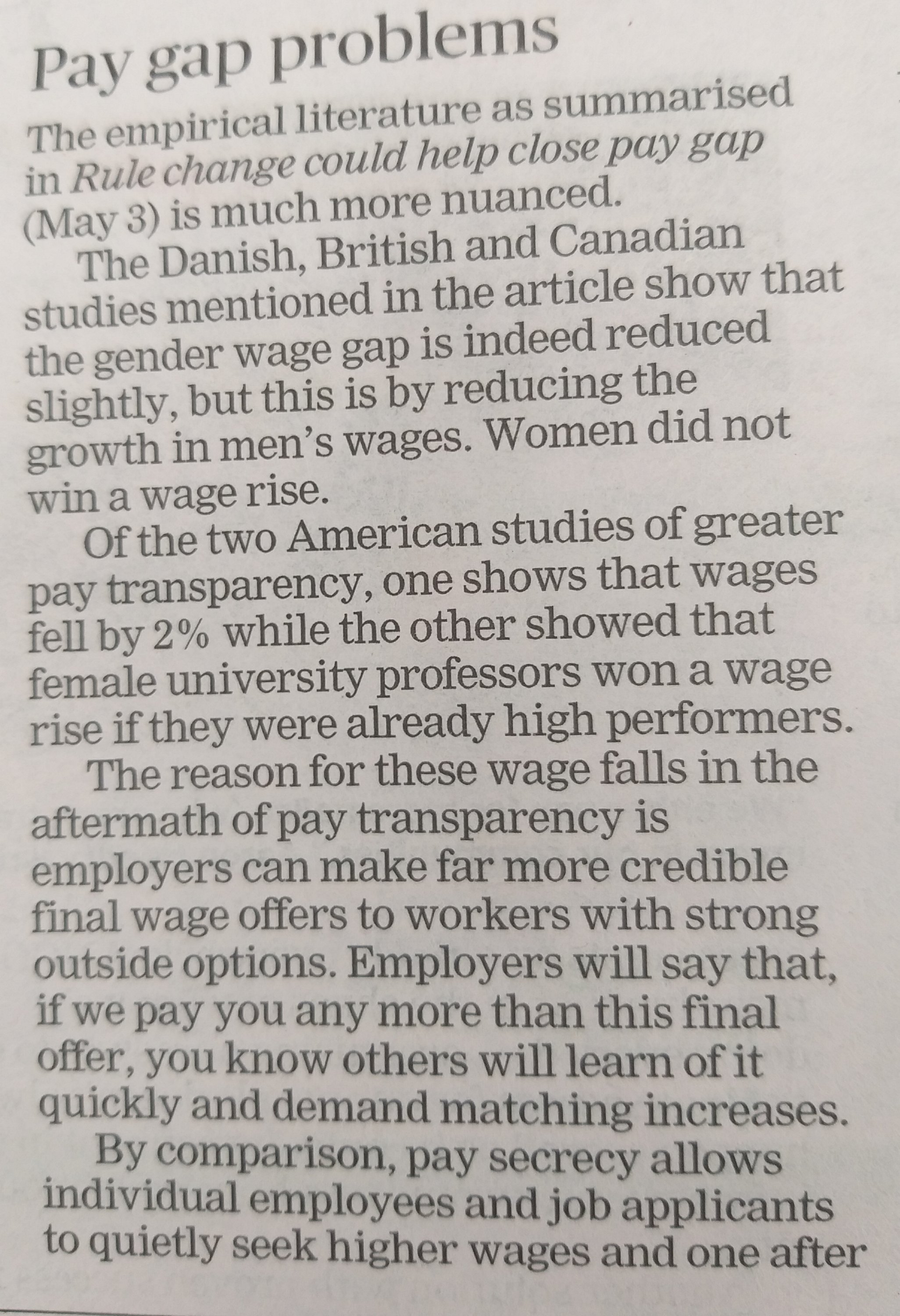
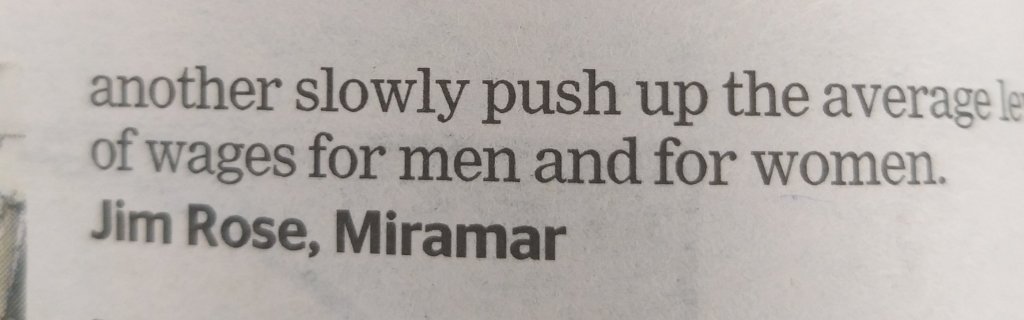
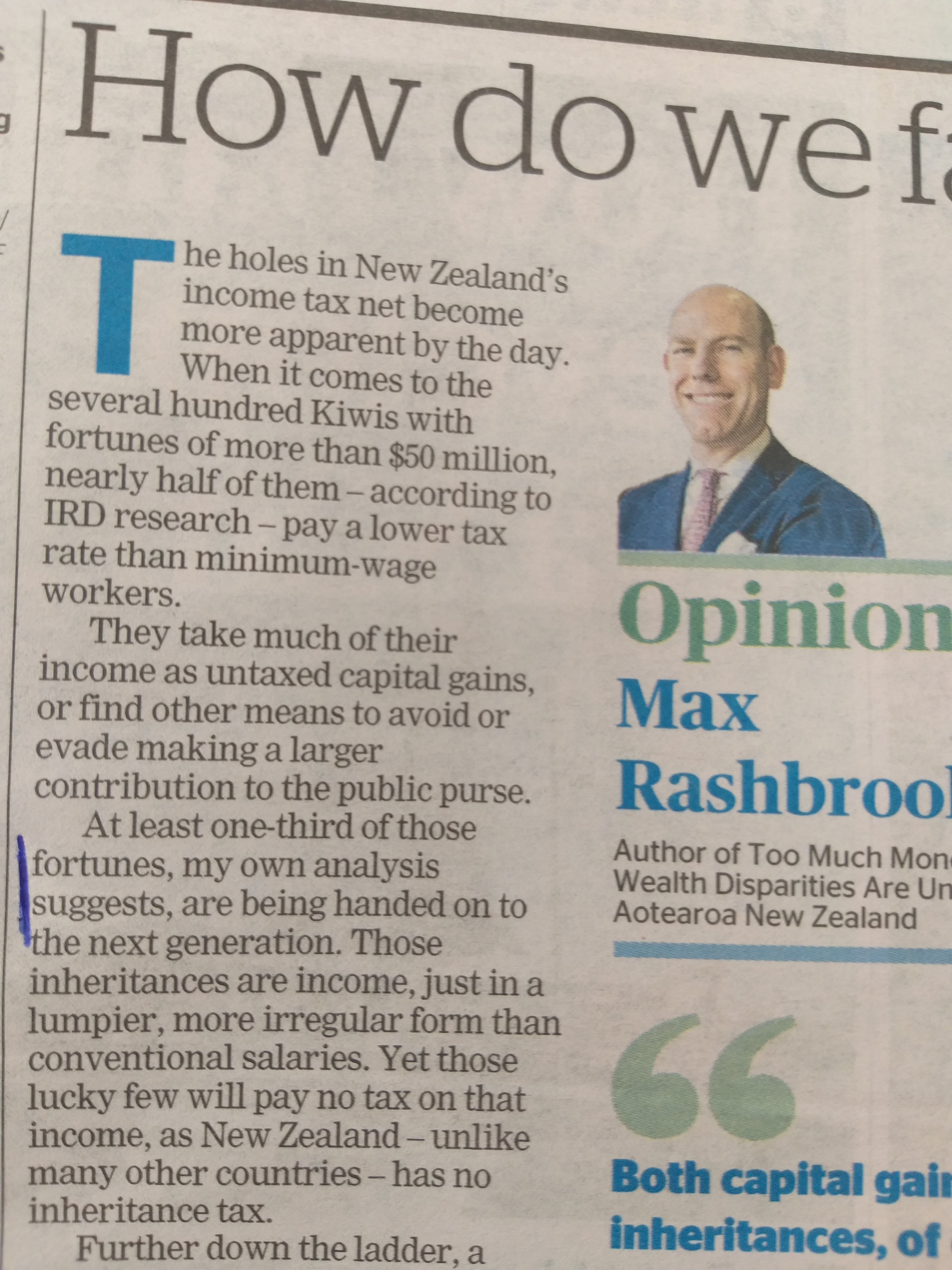
Veteran lefty concedes that most fortunes are self-made
01 May 2022 Leave a comment
in economics of education, entrepreneurship, financial economics, human capital, income redistribution, industrial organisation, labour economics, occupational regulation, politics - New Zealand, poverty and inequality, Public Choice, public economics, survivor principle Tags: top 1%
Thomas Piketty on the Politics of Equality | Conversations with Tyler
21 Apr 2022 Leave a comment
in applied price theory, economic history, economics of education, history of economic thought, human capital, income redistribution, labour economics, labour supply, occupational choice, poverty and inequality, Public Choice, public economics Tags: envy, top 1%
Our Future Together: How Immigrants Will Reshape Our Workforce
20 Apr 2022 Leave a comment
in applied price theory, discrimination, economic history, entrepreneurship, human capital, labour economics, labour supply, occupational choice, poverty and inequality Tags: economics of immigration
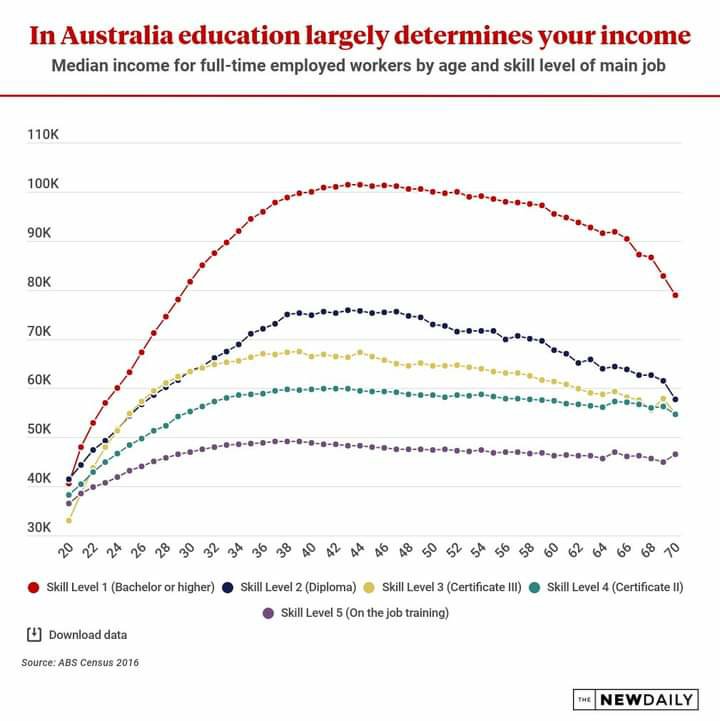
Like immigrants, aboriginals’ success may be enhanced by the acquisition of skills and traits of the “majority” culture in which they reside
12 Apr 2022 Leave a comment
in economics of education, human capital, labour economics, labour supply, occupational choice
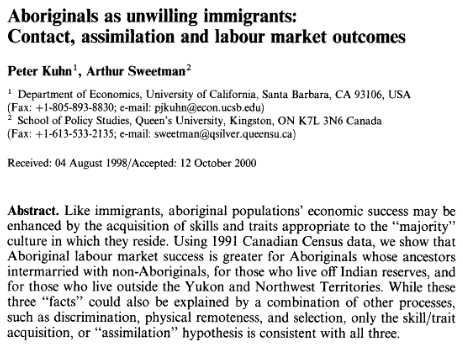
From a review of The Mystery of the Kibbutz: Egalitarian Principles in a Capitalist World Ran Abramitzky
12 Apr 2022 Leave a comment
in applied price theory, comparative institutional analysis, economics of education, human capital, labour economics, labour supply, Marxist economics, personnel economics
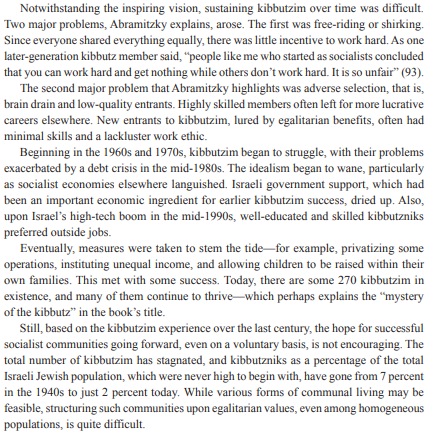
From https://www.marketsandmorality.com/index.php/mandm/article/view/1453
“The Mystery of the Kibbutz explores the history of the kibbutz movement and its vision of economic equality, how it thrived despite inherent economic contradictions, and why it eventually declined. He focuses on three challenges in particular: first, the free rider problem, that there is no benefit for working harder when you get the same salary or personal economic benefits; second, adverse selection – that such a social system would tend to attract people who would not be as successful in a capitalist market; or the inverse, a brain drain, that the smartest people or those who could find success outside the kibbutz would tend to leave. Finally, the question of human capital investment: that there would be a tendency to underinvest in human capital, in other words that there would be a lack of incentive for young people to study or work hard because in the end as kibbutz members they can depend on equal income no matter what their contribution is.”
If skilled labour is being kept out of the workplace for unreasonable reasons then that’s an opportunity for someone else to gain that labour on the cheap. Which is exactly what Dame Steve Shirley did
05 Apr 2022 Leave a comment
in applied price theory, discrimination, economic history, entrepreneurship, gender, human capital, industrial organisation, labour economics, labour supply, occupational choice, survivor principle Tags: entrepreneurial alertness, offsetting behaviour, sex discrimination, unintended consequences
Another gender gap
19 Mar 2022 Leave a comment
in discrimination, economic history, gender, human capital, labour economics, labour supply, occupational choice Tags: gender wage gap

Planet Normal: Race report author Dr Tony Sewell on attempts to discredit his findings on race relations
19 Mar 2022 Leave a comment
in discrimination, economic history, economics of bureaucracy, human capital, labour economics, labour supply, law and economics, poverty and inequality, Public Choice, rentseeking Tags: racial discrimination
 Utopia, you are standing in it!
Recent Comments