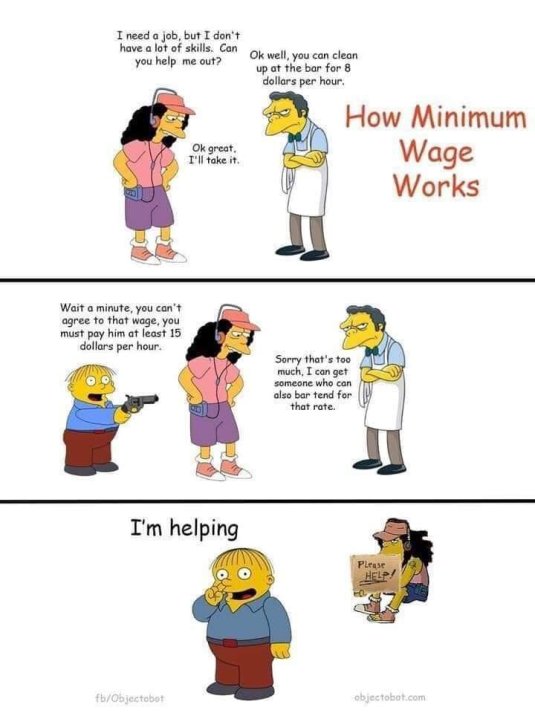
Do-gooders strike again
30 Jul 2019 Leave a comment
in applied price theory, applied welfare economics, labour economics, minimum wage Tags: The fatal conceit
Alan Manning explains how inserting the language of market power into labour markets doesn’t mean worker exploitation at all
24 Jul 2019 Leave a comment

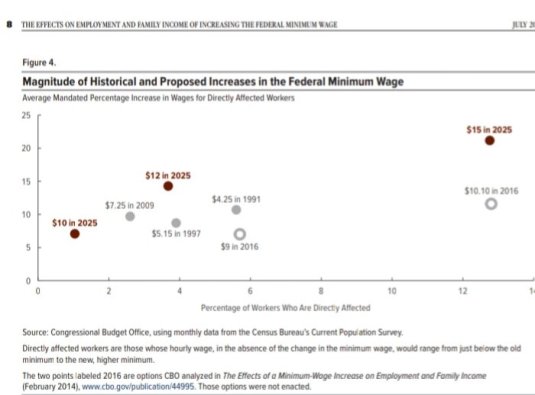
Why the war on poverty failed — and what to do now – John McWhorter
19 Jul 2019 Leave a comment
in economics of education, economics of information, economics of media and culture, human capital, labour economics, labour supply, minimum wage, occupational choice, poverty and inequality, unemployment Tags: racial discrimination

From https://www.vox.com/policy-and-politics/2016/12/29/14112084/war-on-poverty-brooklyn-great-society
Is there an upper limit for #Fightfor15 logic for further pay rises? What if they are wrong?
16 Jul 2019 Leave a comment
in applied price theory, industrial organisation, labour economics, labour supply, minimum wage, poverty and inequality, survivor principle
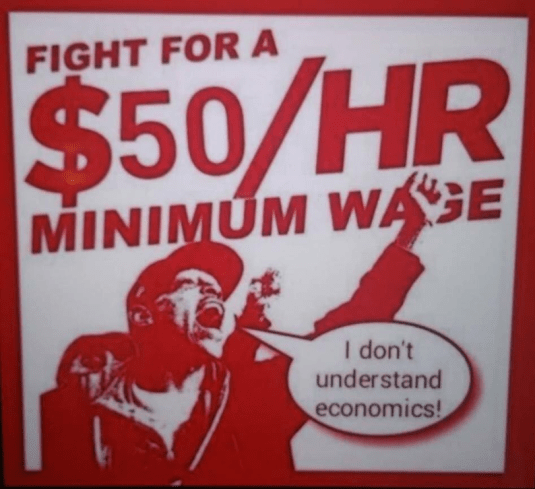
If wages go up under the minimum wage increase but employment does not fall, where does the extra output and revenue come from to cover the greater payroll bill?
Even small minimum wage increase have ambiguous employment effects under monopsonistic competition
16 Jul 2019 Leave a comment
in applied price theory, applied welfare economics, industrial organisation, labour economics, labour supply, minimum wage, politics - New Zealand, politics - USA, survivor principle Tags: offsetting behaviour, The fatal conceit, unintended consequences

McCloskey on the minimum wage and labour productivity
15 Jul 2019 Leave a comment
in applied price theory, labour economics, minimum wage Tags: offsetting behaviour, The fatal conceit, unintended consequences
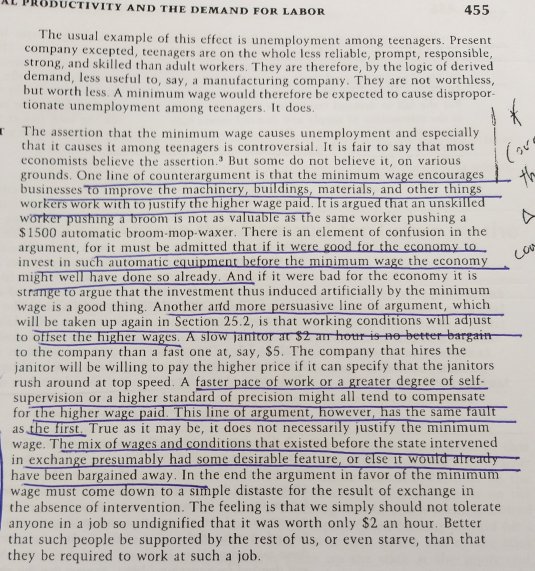
Thomas Sowell on the Myths of Economic Inequality
26 Jun 2019 Leave a comment
in applied price theory, comparative institutional analysis, constitutional political economy, development economics, discrimination, economic history, economics of bureaucracy, economics of education, economics of regulation, human capital, industrial organisation, labour economics, labour supply, law and economics, minimum wage, occupational choice, poverty and inequality, property rights, Public Choice, survivor principle, Thomas Sowell, unemployment, unions, welfare reform
Thomas Sowell is Back Again to Discuss His Book Wealth, Poverty, and Politics
29 May 2019 Leave a comment
in applied price theory, comparative institutional analysis, constitutional political economy, development economics, discrimination, economic growth, economic history, economics of bureaucracy, economics of crime, economics of education, economics of regulation, growth disasters, growth miracles, history of economic thought, human capital, income redistribution, industrial organisation, labour economics, labour supply, law and economics, minimum wage, occupational choice, poverty and inequality, Public Choice, Thomas Sowell, unemployment Tags: child poverty, family poverty, The Great Enrichment
Discrimination and Disparities with Thomas Sowell
28 May 2019 Leave a comment
in applied price theory, discrimination, economic history, economics of bureaucracy, economics of crime, economics of regulation, human capital, income redistribution, labour economics, labour supply, law and economics, minimum wage, politics - USA, poverty and inequality, Public Choice, rentseeking, Thomas Sowell, unemployment, welfare reform
Why Thomas Sowell Transitioned Away From Marxism
27 May 2019 Leave a comment
in applied price theory, economics of regulation, industrial organisation, labour economics, minimum wage, Thomas Sowell
Labor Ethics | Political Philosophy with Jason Brennan
24 May 2019 Leave a comment
in applied price theory, applied welfare economics, comparative institutional analysis, development economics, economic history, economics of education, health and safety, history of economic thought, human capital, income redistribution, industrial organisation, international economics, labour economics, labour supply, law and economics, minimum wage, occupational choice, poverty and inequality, Public Choice, survivor principle, technological progress Tags: distributive justice
Thomas Sowell on the Origins of Economic Disparities April 2019
19 May 2019 Leave a comment
in applied price theory, comparative institutional analysis, development economics, discrimination, economic history, economics of education, economics of regulation, entrepreneurship, health economics, human capital, income redistribution, labour economics, labour supply, law and economics, minimum wage, occupational choice, poverty and inequality, Public Choice, Thomas Sowell
Firing Line – Thomas Sowell w/ William F. Buckley Jr. (1981)
16 May 2019 Leave a comment
in applied price theory, development economics, discrimination, economic history, economics of crime, economics of education, economics of information, economics of regulation, entrepreneurship, gender, human capital, industrial organisation, labour economics, labour supply, law and economics, minimum wage, occupational choice, poverty and inequality, Public Choice, Thomas Sowell, unemployment
 Utopia, you are standing in it!
Recent Comments