Doug Allen “The Duel of Honor – screening for unobserved social capital”
30 Nov 2018 Leave a comment
in applied price theory, comparative institutional analysis, economic history, economics of crime, human capital, law and economics, property rights Tags: asymmetric information, screening, signalling
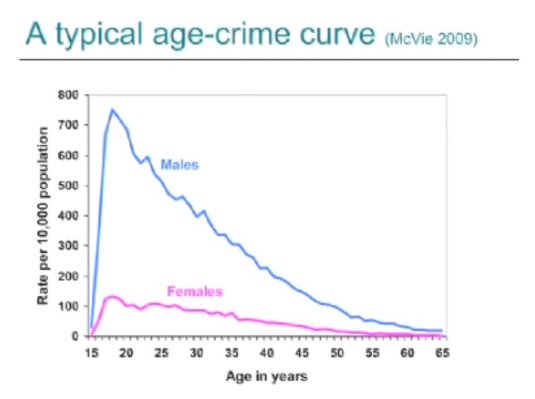
Yet another gender gap
20 Nov 2018 Leave a comment
in discrimination, economics of crime, gender, labour economics, law and economics, occupational choice, property rights
Transgenderism vs Feminism. Who wins?
19 Nov 2018 Leave a comment
in discrimination, gender, health economics, labour economics, law and economics, property rights
Climate Change Nuisance Suits Federalist Society
19 Nov 2018 Leave a comment
in economics of bureaucracy, energy economics, environmental economics, global warming, law and economics, politics - USA, property rights, Public Choice, rentseeking Tags: nuisance suits
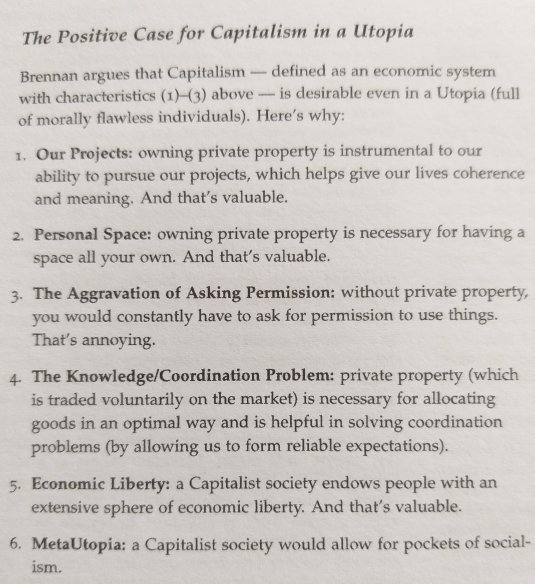
Socialism turns everyone into children, dependent on the permission of parent like figures
10 Nov 2018 Leave a comment
in Austrian economics, comparative institutional analysis, constitutional political economy, law and economics, Marxist economics, property rights
One thing that we know that helps endangered animals more than endangered species lists is giving people ownership rights over animals
15 Oct 2018 Leave a comment
in applied price theory, Austrian economics, comparative institutional analysis, development economics, economics of regulation, law and economics, property rights Tags: endangered species
Chevron to Ecuador: Keep Your Promise, Clean up the Amazon #ISDS #TPPA
12 Oct 2018 Leave a comment
in international economic law, international economics, International law, law and economics, property rights Tags: trade and investment
Hernando de Soto Knows How To Make the Third World Richer than the First”
06 Oct 2018 Leave a comment
in applied price theory, development economics, economic history, growth disasters, growth miracles, law and economics, property rights
What Trump’s Court Pick Means for Liberty
06 Oct 2018 Leave a comment
in law and economics, politics - USA, property rights Tags: constitutional law
Jonn Cochrane Says Allowing European Defaults `Best’ for Euro
04 Oct 2018 Leave a comment
in budget deficits, business cycles, currency unions, Euro crisis, financial economics, law and economics, macroeconomics, monetary economics, property rights Tags: sovereign defaults
Why Nations Fail: Daron Acemoglu interview | The Economist
29 Sep 2018 Leave a comment
in comparative institutional analysis, constitutional political economy, development economics, economic history, economics of bureaucracy, economics of regulation, entrepreneurship, growth disasters, growth miracles, income redistribution, international economics, law and economics, property rights, Public Choice, rentseeking Tags: Daron Acemoglu
David Friedman – Tecnologia y libertad en un mundo imperfecto
29 Sep 2018 Leave a comment
in applied price theory, David Friedman, economics of crime, economics of education, economics of information, economics of media and culture, economics of regulation, entrepreneurship, industrial organisation, law and economics, property rights Tags: creative destruction
David Friedman – A Consequentialist Theory of Anarcho-Capitalism – PorcFest X
26 Sep 2018 Leave a comment
in applied price theory, comparative institutional analysis, constitutional political economy, David Friedman, defence economics, economics of crime, law and economics, property rights
David Friedman at Libertopia 2010
21 Sep 2018 Leave a comment
in applied price theory, applied welfare economics, David Friedman, economics of crime, economics of information, economics of media and culture, economics of regulation, entrepreneurship, industrial organisation, law and economics, property rights Tags: creative destruction


Recent Comments