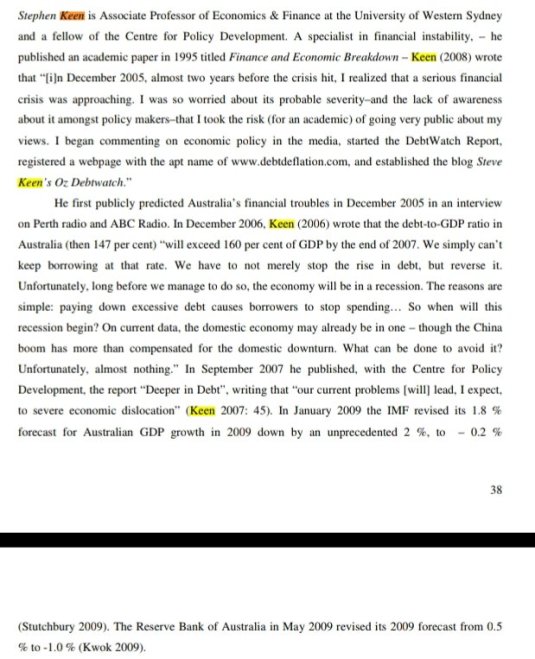
@ProfSteveKeen cites Bezemer when claiming he predicted #GFC (by predicting recession in Oz in radio interviews)
27 Oct 2018 Leave a comment
in business cycles, financial economics, macroeconomics, monetary economics Tags: cranks, forecasting, Post-Keynesian macroeconomics
Money For Nothing: Inside the Federal Reserve – Trailer
21 Oct 2018 Leave a comment
in business cycles, economic growth, economics of bureaucracy, global financial crisis (GFC), great recession, inflation targeting, macroeconomics, monetary economics, politics - USA, Public Choice Tags: economics of central banking
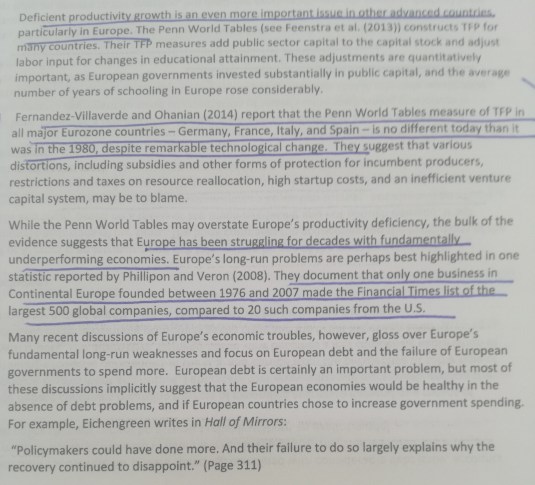
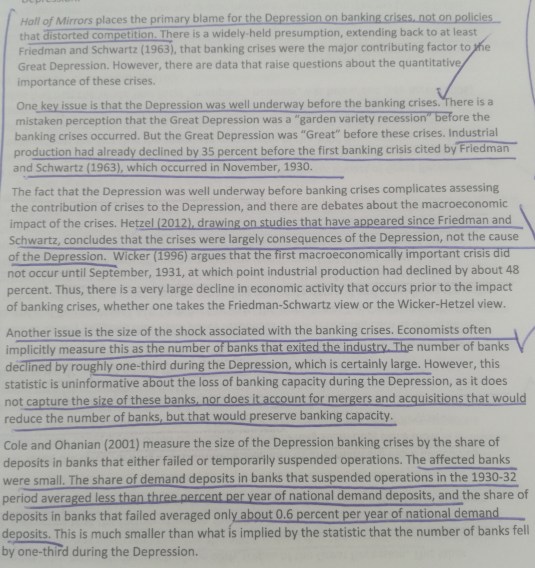
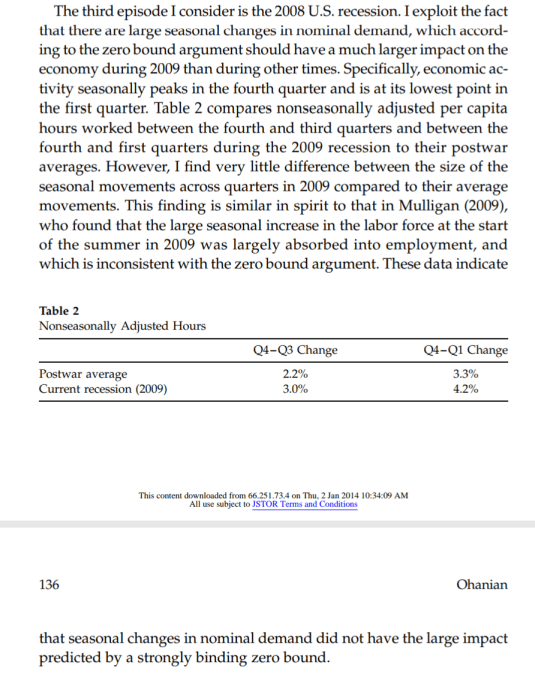
Lee Ohanian: The Economic Crisis: A Comparison Across Time and Across Countries
21 Oct 2018 Leave a comment
in budget deficits, business cycles, economic growth, global financial crisis (GFC), great depression, great recession, macroeconomics, monetary economics
The Limits of Fiscal Policy
16 Oct 2018 Leave a comment
in applied price theory, budget deficits, fiscal policy, macroeconomics, monetary economics
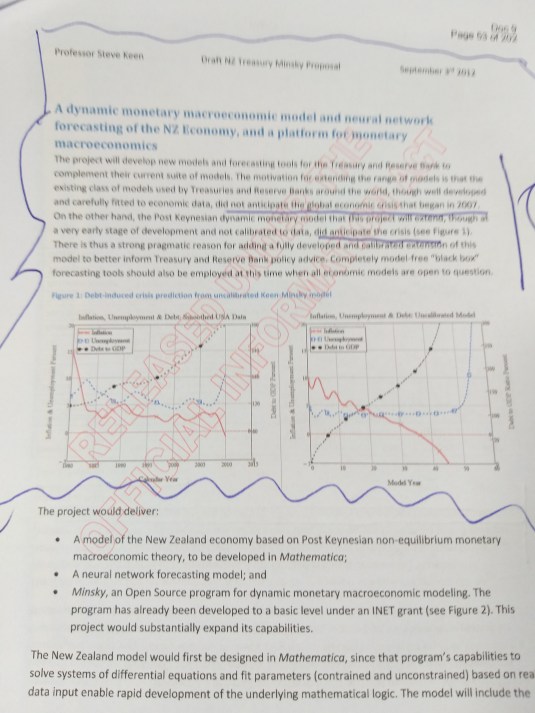
If @ProfSteveKeen’s Minsky model was good enough to predict the GFC, why was @NZTreasury asked to pay for 3 years more coding?
07 Oct 2018 Leave a comment
in business cycles, global financial crisis (GFC), great recession, macroeconomics, monetary economics Tags: Post-Keynesian macroeconomics
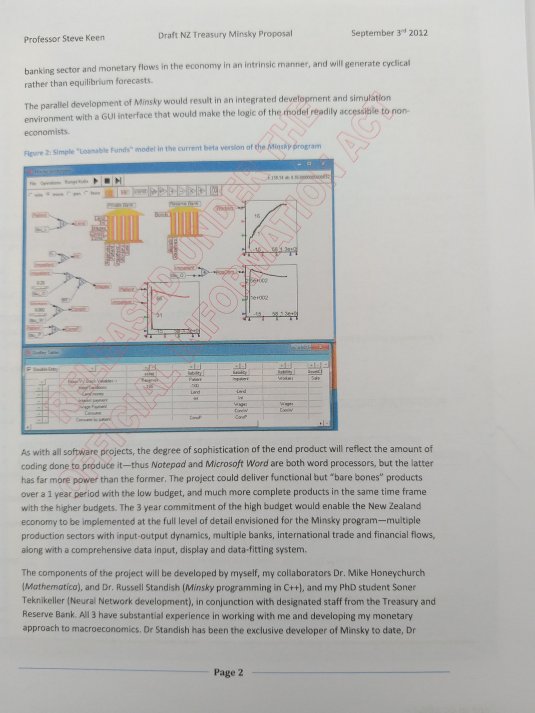
Jonn Cochrane Says Allowing European Defaults `Best’ for Euro
04 Oct 2018 Leave a comment
in budget deficits, business cycles, currency unions, Euro crisis, financial economics, law and economics, macroeconomics, monetary economics, property rights Tags: sovereign defaults
How Did Paul Krugman Get It So Wrong? John Cochrane
02 Oct 2018 Leave a comment
in budget deficits, business cycles, entrepreneurship, Euro crisis, financial economics, fiscal policy, global financial crisis (GFC), great depression, great recession, macroeconomics, monetary economics Tags: Paul Krugman
Why hasn’t GFC prophet @ProfSteveKeen founded a hedge fund with his retirement savings? @Chris_Auld @dandolfa
30 Sep 2018 Leave a comment
in business cycles, entrepreneurship, financial economics, global financial crisis (GFC), great recession, macroeconomics, monetary economics Tags: Post-Keynesian macroeconomics

Why hasn’t GFC prophet @ProfSteveKeen founded a hedge fund with his retirement savings? @Chris_Auld @dandolfa
30 Sep 2018 Leave a comment
in business cycles, entrepreneurship, financial economics, global financial crisis (GFC), great recession, macroeconomics, monetary economics Tags: cranks, Keynesian macroeconomics, Post-Keynesian macroeconomics
Fiscal Policy: The Best Case Scenario
29 Sep 2018 Leave a comment
in applied price theory, budget deficits, business cycles, fiscal policy, macroeconomics, monetary economics
Nobel Symposium Randall Kroszner Lessons from the global financial crisis, and crises past
24 Sep 2018 Leave a comment
in applied price theory, business cycles, economics of information, global financial crisis (GFC), great depression, great recession, law and economics, macroeconomics, monetary economics Tags: banking panics, deposit insurance, sovereign debt crises, sovereign defaults
.@NZTreasury spent a lot of time dabbling with a monetary crank
24 Sep 2018 Leave a comment
in global financial crisis (GFC), great recession, macroeconomics, monetary economics
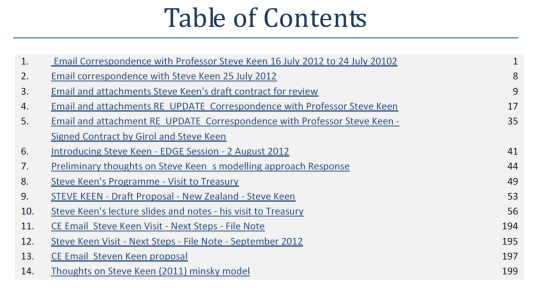
OIA release from Treasury.



Recent Comments