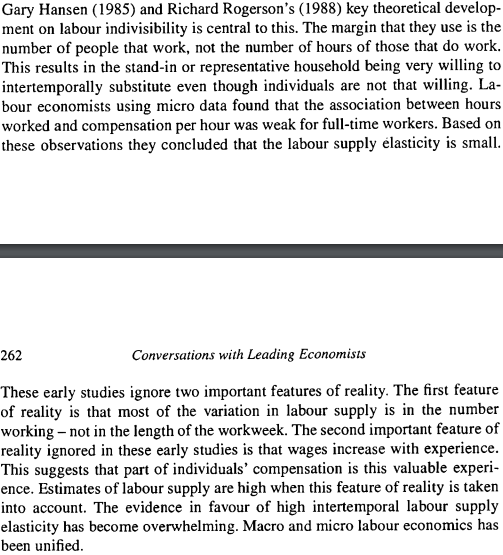
How does Prescott react to the criticism that there is a lack of available supporting evidence of strong intertemporal labour substitution effects?
18 Jan 2022 Leave a comment
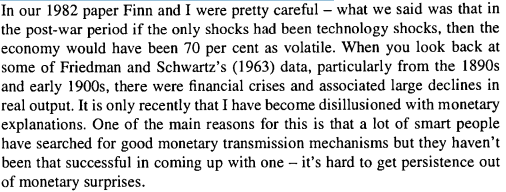
The new classical monetary-surprise style of models developed in the 1970sby Lucas, Sargent, Wallace and others were very influential. When did Prescott first begin to lose faith in that particular approach?
18 Jan 2022 Leave a comment
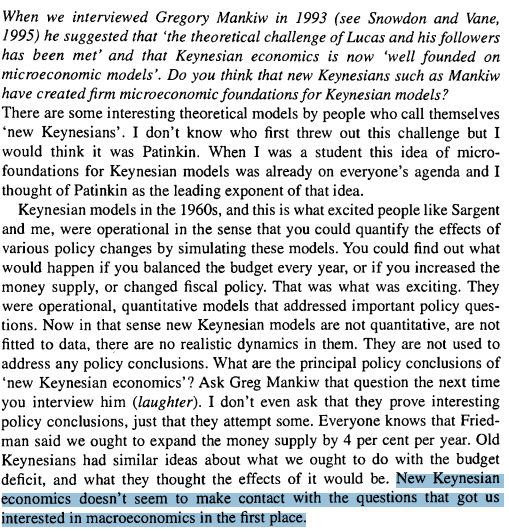
Lucas: New Keynesian economics doesn’t seem to make contact with the questions that got us interested in macroeconomics in the first place.
17 Jan 2022 Leave a comment
Your work on the US found that productivity shocks explain most of the cyclical fluctuations the economy has experienced. Does this finding have any bearing on the nature of public policy?
17 Jan 2022 Leave a comment
in business cycles, economic history, economics of regulation, Edward Prescott, growth miracles, labour economics, labour supply, macroeconomics, monetary economics, public economics
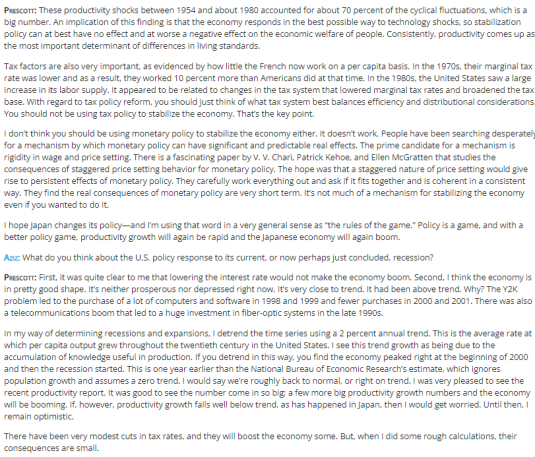
What about the recession of 1980-81?
16 Jan 2022 Leave a comment
in business cycles, Edward Prescott, financial economics, macroeconomics, monetary economics
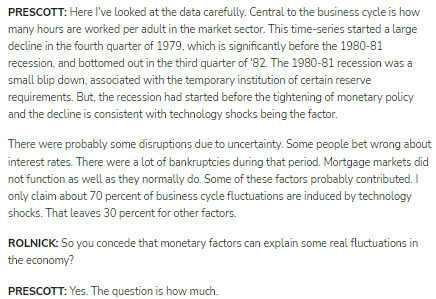
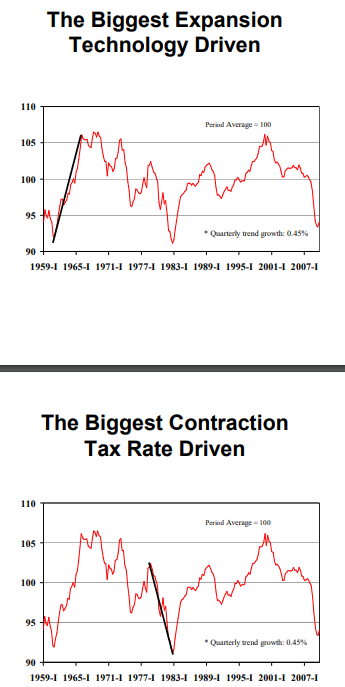
The view that technology shocks, those affecting production opportunities, are the major driving force behind business cycles, accounting for about 70 percent of these fluctuations.
16 Jan 2022 Leave a comment
in business cycles, economic history, Edward Prescott, macroeconomics, monetary economics
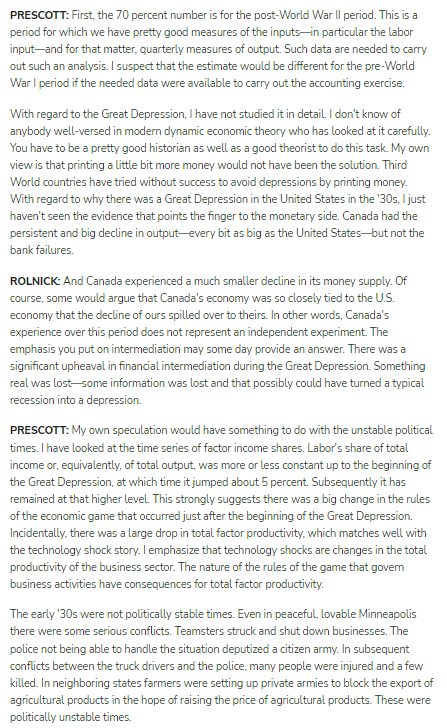
Prescott (1996) on the power of central banks
15 Jan 2022 Leave a comment
in business cycles, econometerics, economic history, Edward Prescott, financial economics, macroeconomics, monetary economics
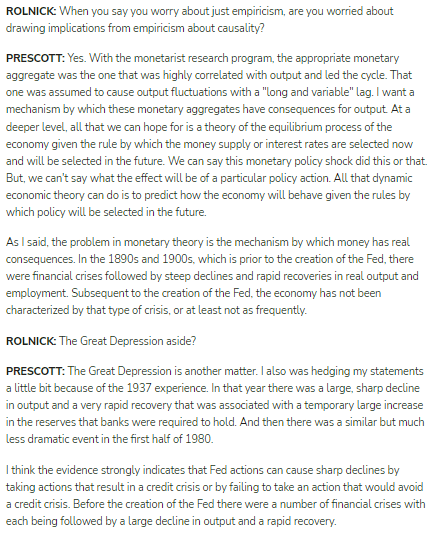
Money Under Laissez-Faire George Selgin
15 Jan 2022 Leave a comment
in applied price theory, applied welfare economics, Austrian economics, business cycles, economic growth, economic history, financial economics, global financial crisis (GFC), great depression, great recession, history of economic thought, macroeconomics, monetarism, monetary economics Tags: monetary policy
The Fed’s Dismal Record | George A. Selgin
10 Jan 2022 Leave a comment
in applied price theory, applied welfare economics, Austrian economics, business cycles, comparative institutional analysis, economic history, financial economics, global financial crisis (GFC), great depression, great recession, history of economic thought, macroeconomics, monetarism, monetary economics Tags: monetary policy
McGrattan on how intangible investment changes real business cycle modelling missing booms and busts
03 Jan 2022 Leave a comment
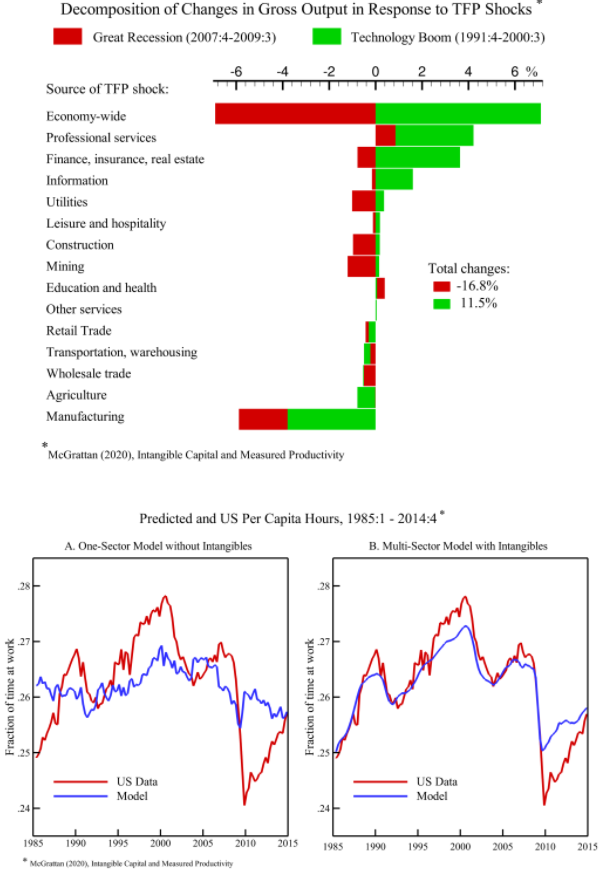
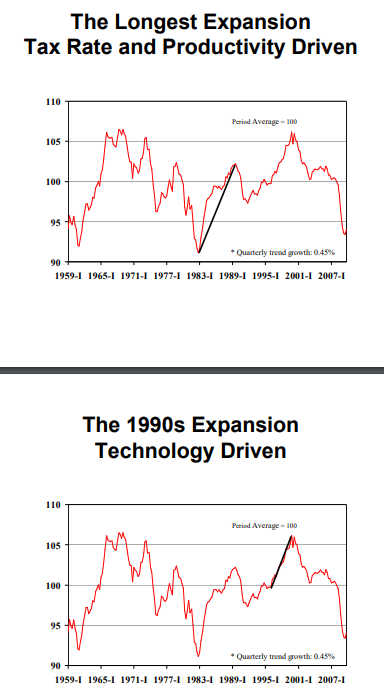
Prescott on booms and busts
03 Jan 2022 Leave a comment
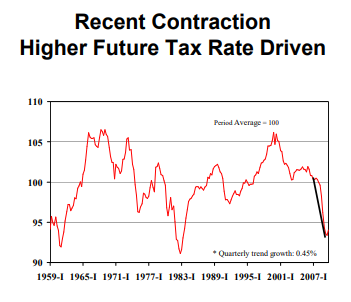
Why economists are unpopular
01 Jan 2022 Leave a comment
in applied price theory, applied welfare economics, comparative institutional analysis, economics of bureaucracy, economics of crime, entrepreneurship, environmental economics, history of economic thought, income redistribution, industrial organisation, international economics, labour economics, labour supply, law and economics, liberalism, macroeconomics, managerial economics, minimum wage, organisational economics, personnel economics, poverty and inequality, property rights, Public Choice, public economics, rentseeking, survivor principle, theory of the firm, unemployment, unions, welfare reform Tags: offsetting behaviour, The fatal conceit, unintended consequences
George Selgin / Central Banking and Financial Crises
15 Dec 2021 Leave a comment
in applied price theory, applied welfare economics, Austrian economics, business cycles, comparative institutional analysis, economic history, financial economics, global financial crisis (GFC), great depression, great recession, history of economic thought, macroeconomics, monetarism, monetary economics Tags: monetary policy
George Selgin – replace the Fed
07 Dec 2021 Leave a comment
in applied welfare economics, Austrian economics, behavioural economics, business cycles, economic history, global financial crisis (GFC), great depression, great recession, macroeconomics, monetarism, monetary economics Tags: monetary policy
Did the New Deal End the Great Depression? (with George Selgin)
06 Dec 2021 Leave a comment
in applied price theory, applied welfare economics, Austrian economics, business cycles, economic growth, economic history, fiscal policy, global financial crisis (GFC), great depression, great recession, history of economic thought, macroeconomics, monetarism, monetary economics
 Utopia, you are standing in it!
Recent Comments