Machiavelli’s Advice For Nice Guys
25 Feb 2018 Leave a comment
in comparative institutional analysis, constitutional political economy, defence economics, economics of bureaucracy, law and economics, managerial economics, organisational economics, Public Choice, war and peace Tags: Machiavelli
BE PRESENT | The Prince by Niccolo Machiavelli
24 Feb 2018 Leave a comment
in comparative institutional analysis, constitutional political economy, defence economics, economics of bureaucracy, law and economics, managerial economics, organisational economics, Public Choice, war and peace Tags: Machiavelli
Is education worth it?
20 Feb 2018 Leave a comment
in applied price theory, economics of education, economics of information, human capital, labour economics, managerial economics, occupational choice, organisational economics, personnel economics Tags: signalling
Will this be the workplace of the future or already today?
12 Feb 2018 Leave a comment
in discrimination, gender, managerial economics, organisational economics
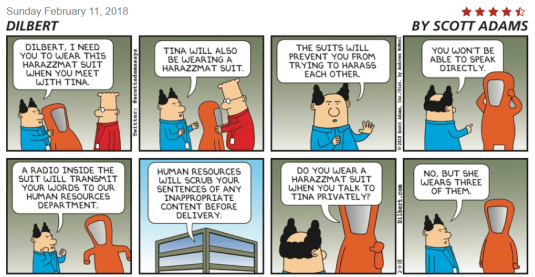
The difference between Australia and NZ is due to meetings if you ask me. Never heard of a team meeting previously
12 Feb 2018 Leave a comment
in applied price theory, econometerics, managerial economics, organisational economics
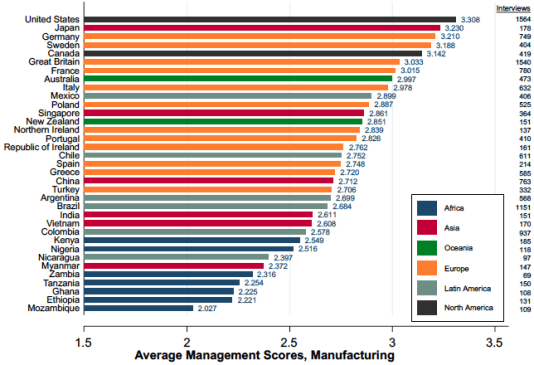
How Much Does Management Matter? – Raffaella Sadun, EEA 2016
05 Feb 2018 Leave a comment
in development economics, industrial organisation, managerial economics, organisational economics, personnel economics
CIA field sabotage manual 1944 was an early classic in managerial economics. Identified countless shortcomings in organisations.
29 Jan 2018 1 Comment
in defence economics, industrial organisation, managerial economics, organisational economics
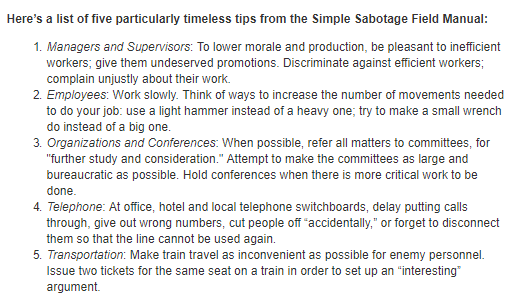
Organizations and Conferences
-
Insist on doing everything through “channels.” Never permit short-cuts to be taken in order to expedite decisions.
-
Make “speeches.” Talk as frequently as possible and at great length. Illustrate your “points” by long anecdotes and accounts of personal experiences.
-
When possible, refer all matters to committees, for “further study and consideration.” Attempt to make the committee as large as possible — never less than five.
-
Bring up irrelevant issues as frequently as possible.
-
Haggle over precise wordings of communications, minutes, resolutions.
-
Refer back to matters decided upon at the last meeting and attempt to re-open the question of the advisability of that decision.
-
Advocate “caution.” Be “reasonable” and urge your fellow-conferees to be “reasonable” and avoid haste which might result in embarrassments or difficulties later on.
Managers
-
In making work assignments, always sign out the unimportant jobs first. See that important jobs are assigned to inefficient workers.
-
Insist on perfect work in relatively unimportant products; send back for refinishing those which have the least flaw.
-
To lower morale and with it, production, be pleasant to inefficient workers; give them undeserved promotions.
-
Hold conferences when there is more critical work to be done.
-
Multiply the procedures and clearances involved in issuing instructions, pay checks, and so on. See that three people have to approve everything where one would do.
Employees
-
Work slowly
-
Work slowly.
-
Contrive as many interruptions to your work as you can.
-
Do your work poorly and blame it on bad tools, machinery, or equipment. Complain that these things are preventing you from doing your job right.
-
Never pass on your skill and experience to a new or less skillful worker.
Peter Principle
06 Dec 2017 1 Comment
in managerial economics, organisational economics, personnel economics Tags: Peter Principle
Open offices are overrated
05 Oct 2017 Leave a comment
in managerial economics, organisational economics, personnel economics
Graphic that was not published with my op-ed in the @NZHerald
28 Sep 2017 Leave a comment
in financial economics, managerial economics, organisational economics
Op-ed is here.
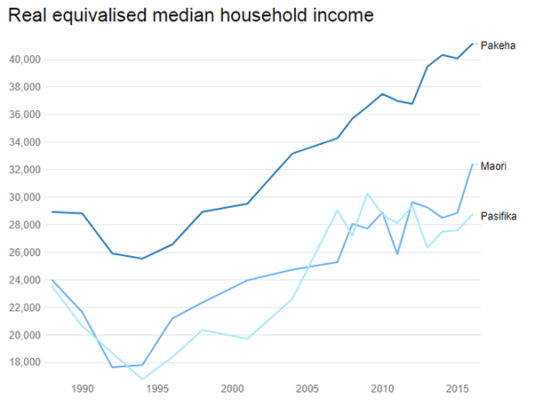
Source: MSD, Household incomes in New Zealand: Trends in indicators of inequality and hardship, 1982 to 2016; graphic at https://datawrapper.dwcdn.net/cJKvY/1/
Why a messy desk can make you more productive at work
12 Sep 2017 Leave a comment
in managerial economics, organisational economics, personnel economics
The nuances of the gender pay gap
07 Mar 2017 Leave a comment
in discrimination, economics, gender, human capital, labour economics, managerial economics, occupational choice, organisational economics, personnel economics
Supervisory and monitoring costs and occupational segregation by sex
06 Mar 2017 Leave a comment
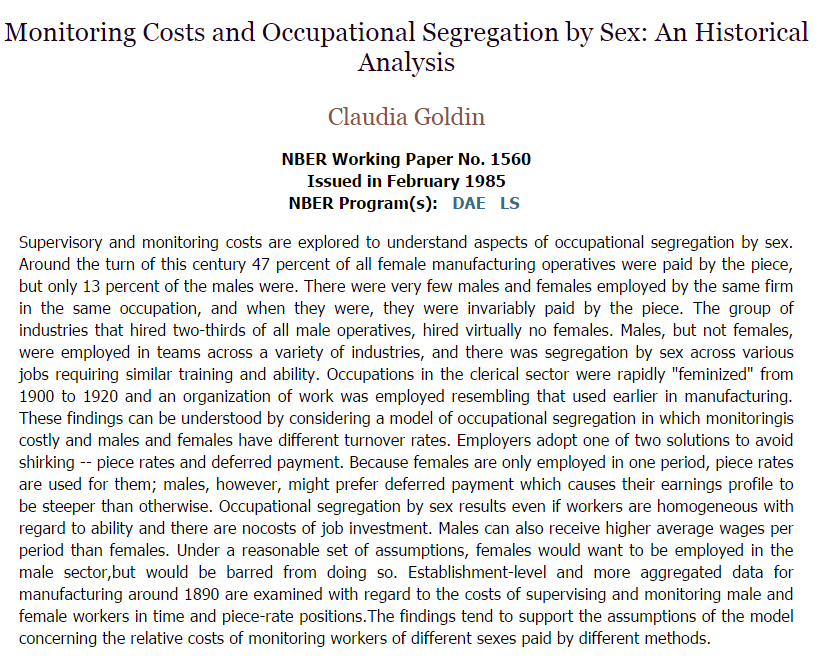
Published: Goldin, Claudia. “Monitoring Costs and Occupational Segregation by Sex: An Historical Analysis,” Journal of Labor Economics, Vol. 4, (January 1986), pp. 1-27.
Dead Wrong™ with Johan Norberg – Nordic Gender Equality
20 Feb 2017 Leave a comment
in applied price theory, discrimination, entrepreneurship, gender, industrial organisation, labour economics, labour supply, managerial economics, occupational choice, organisational economics, personnel economics Tags: gender wage gap

 Utopia, you are standing in it!
Recent Comments